Interchangeable tools for hand tools
CN → US| HS Code | Tariff Rate | Origin | Destination | Doc |
|---|---|---|---|---|
| 8214909000 | 0.0% | CN | US | Official Doc |
| 8214906000 | 0.0% | CN | US | Official Doc |
Product Images
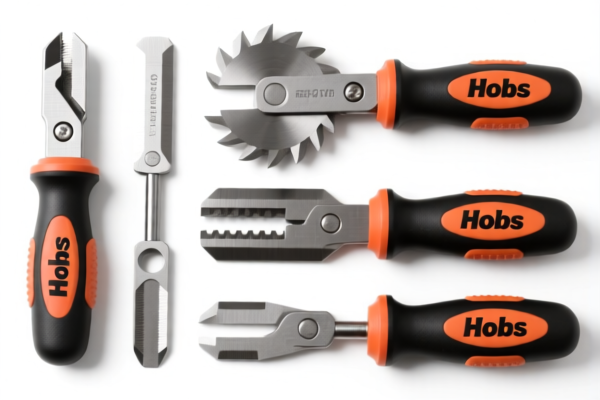
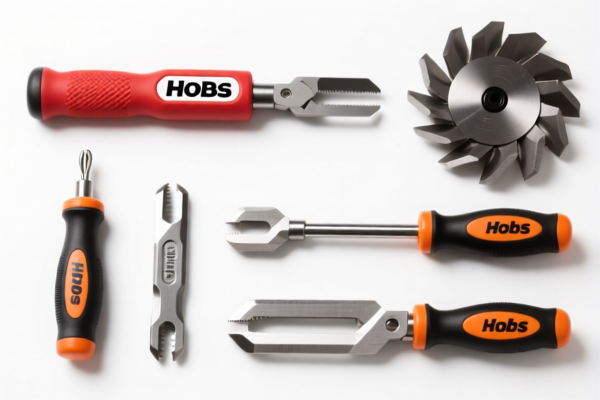
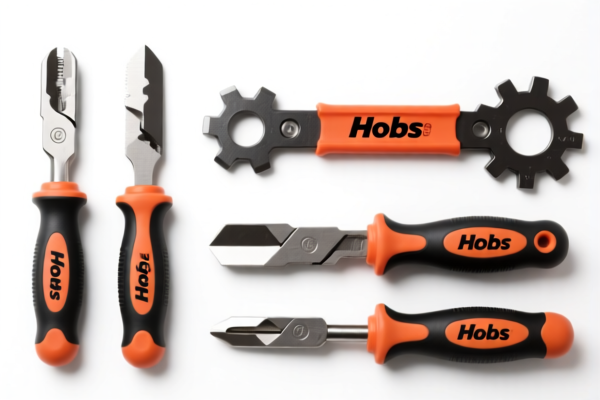
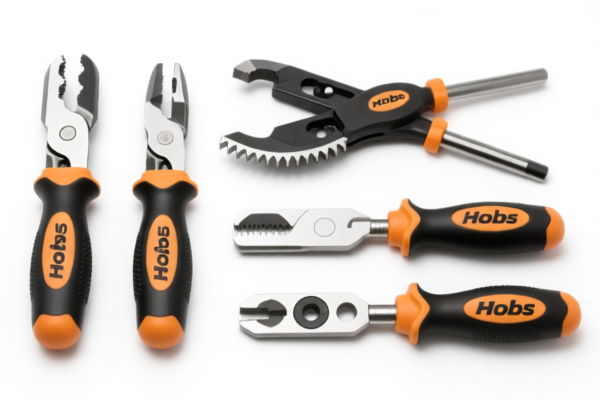
AI Analysis
🔪 Interchangeable Tools for Hand Tools (Cutlery, Manicure Sets, and Parts)
🌐 HS Code Reference & Customs Clearance Guide | 2024-2025 Latest Tariff Analysis | Professional Clearance Strategy
📌 One, Product Definition and Classification: Do You Really Know "Interchangeable Tools"?
Interchangeable tools for hand tools generally refer to items such as hair clippers, butcher’s cleavers, chopping or mincing knives, paper knives, and manicure or pedicure instruments (including nail files). In international trade, these are strictly categorized under Chapter 82: Articles of Cutlery; Spoon and Fork Parts of Base Metal.
The critical distinction lies in the function and composition:
1. Finished Cutlery Instruments (e.g., Cleavers, Manicure Sets):
These are complete functional units. Even if they consist of multiple parts, they are classified as a single article of cutlery.
2. Base Metal Parts:
Components made of base metal that are essential for the function of the cutlery but do not constitute a complete tool on their own.
⚠️ Key Distinction Point:
- If it is a complete instrument (like a cleaver, scissors, or manicure set), it falls under 8214.90.
- If it is a detachable head or blade specifically designed for a hand tool, it still falls under 8214.90 (as parts or interchangeable tools).
- Base Metal Parts: Specifically, parts made of base metal for these articles are included in this heading.
📦 Two, HS Code Classification Details (Latest Tariff Authority Comparison)
Based on the provided data, the specific HS codes are narrowed down to two primary categories under 8214.90 (Other articles of cutlery...):
| HS Code | Product Description | Application Scenario | Tax Rate (Total) |
|---|---|---|---|
8214.90.90.00 |
Other: Other (including parts) | General cutlery items not specifically listed elsewhere (e.g., specialized kitchen knives, generic manicure sets, base metal parts). | 0.0% |
8214.90.60.00 |
Other: Cleavers and the like... Other | Specifically for butcher’s cleavers, chopping knives, mincing knives, and similar heavy-duty cutting tools. | 0.0% |
🔍 Important Note:
- Both codes fall under "Other articles of cutlery".
-8214.90.60.00is more specific to cleavers/choppers. If your product is a standard kitchen knife or manicure tool,8214.90.90.00is likely more appropriate unless it is explicitly a "cleaver."
- "Including parts": The description for8214.90.90.00explicitly states it includes base metal parts. Do not misclassify base metal blades as "parts of machinery" (Chapter 84) or "tools of heading 8207"; they belong here.
💰 Three, 2024-2025 Tariff Rate Details (Including Surtaxes and Policy Add-ons)
✅ Applicable Country: United States (US)
✅ Origin: China (CN)
✅ Effective Time: Current regulations (2024-2025)
🎯 1. 8214.90.90.00 —— Other Articles of Cutlery (Including Parts)
| Item | Content |
|---|---|
| Base Tariff | 0.0% |
| Section 301 Surcharge | 0.0% (No additional tariff listed in data) |
| Total Tax Rate | 0.0% |
| Tax Calculation | CIF Value × 0% = $0 |
| De Minimis Eligibility | N/A (Since duty is 0%, de minimis rules for duty exemption are less critical, but value declaration is still required). |
| Legal Basis | HTSUS 8214.90.90.00 |
📌 Explanation:
- This category enjoys zero tariff under current data.
- No Section 301 (25%) or Section 232 tariffs are applied to this specific subheading in the provided data.
- This makes manicure sets, nail files, and general kitchen knives highly competitive in the US market regarding duty costs.
🎯 2. 8214.90.60.00 —— Cleavers and the Like
| Item | Content |
|---|---|
| Base Tariff | 0.0% |
| Section 301 Surcharge | 0.0% (No additional tariff listed in data) |
| Total Tax Rate | 0.0% |
| Tax Calculation | CIF Value × 0% = $0 |
| De Minimis Eligibility | N/A |
| Legal Basis | HTSUS 8214.90.60.00 |
📌 Note:
- Similar to8214.90.90.00, butcher’s cleavers and chopping knives also enjoy 0% duty.
- Despite being "metal cutting tools," they are classified as cutlery, not industrial cutting tools, hence the favorable rate.
🛠️ Four, Customs Clearance Practical Advice (Avoid Pitfalls in Real Combat)
✅ 1. Preparation Checklist (Missing items cause delays)
| Document | Required | Description |
|---|---|---|
| ✅ Product Specifications | ✔️ | Detailed list of materials (e.g., stainless steel blade, plastic handle). |
| ✅ Product Photos | ✔️ | Clear images showing the entire tool, including any interchangeable heads. |
| ✅ Composition Statement | ✔️ | Specify the percentage of base metal vs. other materials (plastic, wood). |
| ✅ Commercial Invoice | ✔️ | Must clearly state "Interchangeable Tool for Hand Tool" or "Manicure Set." |
| ✅ Packing List | ✔️ | Separate list of tools and any additional accessories (files, cases). |
✅ 2. Declaration Tips (Key Mantras)
🔥 “Cutlery not Tool, Parts Included in Head, Name Precise, Duty Zero!”
| Scenario | Correct Declaration | Incorrect Practice |
|---|---|---|
| Manicure Set | 8214.90.90.00 |
Misdeclare as "Beauty Appliances" (HS 8510) → High duty risk. |
| Butcher Cleaver | 8214.90.60.00 |
Misdeclare as "Industrial Knife" (HS 8208) → Different duty rules. |
| Base Metal Blade (Part) | 8214.90.90.00 |
Misdeclare as "Part of Machine" → Potential penalty for wrong classification. |
| Paper Knife | 8214.90.90.00 |
Misdeclare as "Stationery" → Incorrect chapter. |
✅ 3. Special Situation Handling
| Situation | Handling Advice |
|---|---|
| Manicure/Pedicure Sets | Include all items (clippers, files, tweezers) in one declaration under 8214.90.90.00. Do not split unless items are clearly unrelated. |
| Interchangeable Heads | If the head is detachable, still declare as 8214.90.90.00. It is considered a "part" or "interchangeable tool" under the same heading. |
| Base Metal Parts Only | If shipping only the metal blade/head without the handle, still use 8214.90.90.00. The description explicitly includes "base metal parts thereof." |
| Mixed Packaging | If a box contains both a knife (8214) and a bottle opener (also 8214), declare under the same HS code if rates are identical. If rates differ, split the declaration. |
🌍 Five, Global Market Comparison (2024-2025)
| Country/Region | Recommended HS Code | Duty Rate | Certification | Remarks |
|---|---|---|---|---|
| 🇺🇸 USA | 8214.90.90.00 / 60.00 |
0.0% | FDA (for food contact) | No Section 301 surcharge for these codes. |
| 🇨🇳 China | 8214.90.90.00 |
5-10% | N/A | Import duty applies. |
| 🇪🇺 EU | 8214.90.90 |
0-2.7% | CE (if applicable) | Low duty, but high VAT. |
| 🇬🇧 UK | 8214.90.90 |
2.7% | UKCA | Post-Brexit rules apply. |
| 🇯🇵 Japan | 8214.90.90 |
0-1.5% | PSE (if electric) | Low duty for cutlery. |
📌 Conclusion:
- The USA currently offers a 0% duty rate for these specific cutlery items, making it a highly favorable market for exporters.
- No Section 301 tariffs are indicated for these HS codes in the provided data, which is a significant advantage over electronics or steel products.
📌 Six, Common Errors & Pitfall Guide (Lessons Learned)
❌ Error 1: Classifying Manicure Sets as "Beauty Tools" (HS 8510)
👉 Consequence: HS 8510 (e.g., hair clippers) may have different duty rates or restrictions. Cutlery (HS 8214) is for non-electric, hand-held cutting/grooming tools.
✅ Correct: Electric clippers → HS 8510; Non-electric manicure sets → HS 8214.
❌ Error 2: Separating Blades from Handles incorrectly
👉 Consequence: If you declare the base metal blade as "Other articles of iron or steel" (HS 7326), you risk a higher duty or inspection.
✅ Correct: Base metal parts for cutlery → HS 8214.90.90.00.
❌ Error 3: Using vague descriptions like "Kitchen Knife" without specificity
👉 Consequence: Customs may classify it under a different subheading if the description is ambiguous.
✅ Correct: Specify "Butcher Cleaver" (HS 8214.90.60.00) or "Kitchen Knife" (HS 8214.90.90.00).
❌ Error 4: Ignoring Food Contact Material Regulations
👉 Consequence: For knives and cleavers, FDA compliance in the US is crucial for market access, even if duty is 0%.
✅ Correct: Ensure stainless steel composition meets FDA standards for food contact.
🎯 Seven, Conclusion: Precise Classification Saves Time and Money
🎯 Remember the Mantra:
🔹 "Cutlery is not Tool, Parts are Included in Head."
🔹 "0% Duty for Cleavers and Other Cutlery in US, Declare Clearly and Smoothly!"
📌 Tips:
- For interchangeable tools, ensure the description highlights their compatibility with hand tools.
- For manicure sets, include all items in one shipment under HS 8214.90.90.00 to avoid split-duty complications.
- Documentation: Always provide material composition (e.g., "Stainless Steel 420") to justify the cutlery classification.
📣 Immediate Action:
📞 Contact a licensed customs broker + Provide Product Photos + Confirm HS Code Pre-Ruling if unsure.
🚀 Let your cutlery products clear customs smoothly, enjoy 0% duty, and maximize profits!
✨ Professional Clearance Starts with Accurate Classification!
💼 Your Every Cent of Cost is Worth Precisely Calculating!
Customer Reviews
About HS Code Classification
The Harmonized System (HS) is an internationally standardized nomenclature developed by the World Customs Organization (WCO) to classify traded products. Over 200 countries use the HS system as the basis for customs tariffs, trade statistics, and import/export regulations.
Each HS code follows a hierarchical structure:
- Chapter (2 digits) — Broad category of goods (e.g., Chapter 84: Machinery and Mechanical Appliances)
- Heading (4 digits) — More specific grouping within the chapter
- Subheading (6 digits) — Internationally standardized breakdown, used by all WCO member countries
- National subdivisions (8-10 digits) — Country-specific extensions for further classification, such as US HTSUS 10-digit codes
Correct HS code classification is essential for smooth customs clearance, accurate duty payment, and compliance with trade regulations. Misclassification can lead to customs delays, overpayment of duties, or penalties.
When importing from CN to US, the applicable tariff rates may include:
- Most-Favored-Nation (MFN) rate — The standard duty rate applied to WTO members
- General rate — Applied to countries without trade agreements
- Trade remedy duties — Additional tariffs such as Section 301 (anti-dumping), Section 232 (national security), or countervailing duties
The information provided on this page is for reference purposes only. For official classification, please consult with your local customs authority or a licensed customs broker.