Iron Birdcage
CN → US| HS Code | Tariff Rate | Origin | Destination | Doc |
|---|---|---|---|---|
| 7323999040 | 88.4% | CN | US | Official Doc |
| 7326908635 | 87.9% | CN | US | Official Doc |
| 7326908688 | 87.9% | CN | US | Official Doc |
| 7323999080 | 88.4% | CN | US | Official Doc |
| 9403200078 | 85.0% | CN | US | Official Doc |
| 9403200086 | 85.0% | CN | US | Official Doc |
Product Images
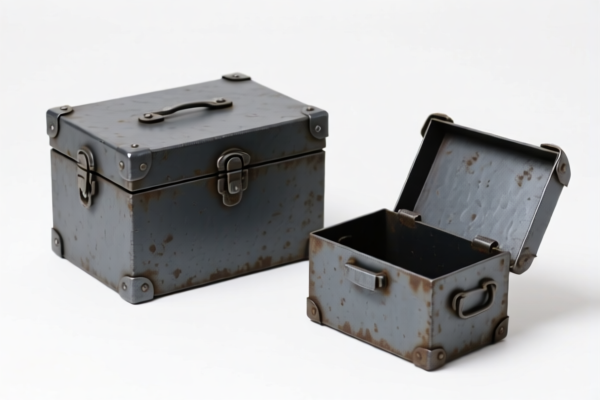

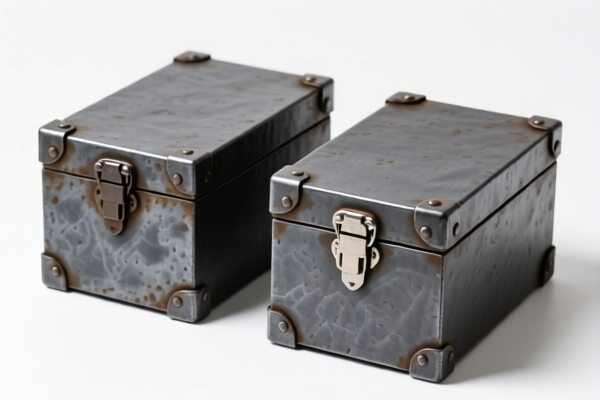
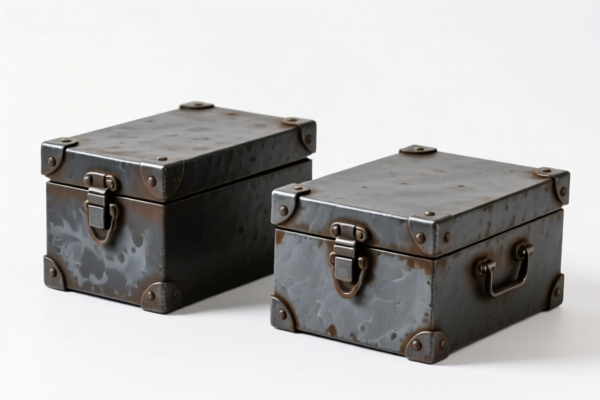
AI Analysis
🦜 Iron Birdcage (Metal Cages & Containers)
🌐 HS Code Reference & Customs Clearance Guide | 2026 Latest Tariff Analysis | Professional Clearance Strategy
📌 I. Product Definition & Classification: Do You Really Know "Iron Birdcage"?
An "Iron Birdcage" is a general term for metal containers used to house birds. In international trade, specifically under US Customs regulations, these items are typically classified based on their primary use and construction material. They fall primarily into two categories:
Iron/Steel Articles (Ch. 73): If the cage is viewed strictly as a manufactured article of iron or steel, used for containment, fencing, or general storage. Metal Furniture/Utensils (Ch. 94): If the cage is viewed as a piece of furniture (e.g., a stand-alone pet enclosure with decorative elements) or a household utensil.
⚠️ Key Classification Logic:
- If it’s a simple wire mesh box with no decorative furniture features → Likely Chapter 73 (Articles of Iron/Steel).
- If it’s a decorative pet cage often placed in homes as furniture → Likely Chapter 94 (Furniture).
- Note: Despite the name "birdcage," if it’s made of iron and not specifically designed for other purposes, it is not classified under Chapter 95 (Toys/Games) or Chapter 71 (Imitation Jewelry).
📦 II. HS Code Classification Details (2026 Latest Tariff Authority Comparison)
Based on the provided data, here are the five specific HS Codes and their corresponding justifications:
| HS Code | Product Description | Justification for Classification | Total Tax Rate |
|---|---|---|---|
7323.99.90.40 |
Iron Cage, Material: Iron, Use: Fence/Cage | Classified under "Table, kitchen, or other household articles... other." Specifically fits fencing/cage applications within household/utility items. | 88.4% |
7326.90.86.35 |
Iron Cage, Material: Iron, Other Iron Articles | Classified under "Other articles of iron or steel." Fits general iron制品 not specified elsewhere. | 87.9% |
7326.90.86.88 |
Iron Cage, Material: Iron, Unlisted Other Iron Articles | Classified under "Other articles of iron or steel." Used when the specific "cage" subheading doesn't apply, falling into the catch-all for unlisted iron items. | 87.9% |
7323.99.90.80 |
Iron Cage, Material: Iron, Household Use/Container | Classified under "Household articles." Fits if the cage is sold as a domestic utility item or container for general household use. | 88.4% |
9403.20.00.78 |
Iron Cage, Material: Metal, Metal Furniture/Vessel | Classified under "Other metal furniture." This is the most favorable rate if the cage is marketed as pet furniture or a decorative home item rather than just industrial fencing. | 85.0% |
🔍 Key Insight:
- Chapter 73 (HS 7323/7326) treats the item as an industrial/utility metal good.
- Chapter 94 (HS 9403) treats the item as furniture.
- Critical Distinction: If you market it as a "Birdcage" (pet accessory/furniture),9403.20.00.78offers the lowest tax burden (85.0%). If classified as "Iron Fencing/Cage," taxes rise to 87.9%-88.4%.
💰 III. 2026 Latest Tariff Rate Breakdown (Including Surcharges & Policy Add-ons)
✅ Applicable Country: United States (US)
✅ Origin: China (CN)
✅ Effective Date: Ongoing (Subject to ongoing trade policies)
🎯 1. Chapter 73 Classifications (7323.99.90.40, 7326.90.86.35, 7326.90.86.88, 7323.99.90.80)
These codes are subject to the highest tier of additional duties due to being steel/aluminum/copper articles under Section 122 and other trade remedies.
| Item | Content |
|---|---|
| Base Tariff | 2.9% – 3.4% (Ad Valorem) |
| Section 301 Surcharge | +25.0% (Standard US-China Trade War Tariff) |
| Section 122 Surcharge | +10% (Specific to certain steel/aluminum/copper products) |
| Section 232/Additional Surcharge | +50% (Specific "122 Clause" tariff for Steel/Aluminum/Copper articles) |
| Total Effective Rate | 87.9% – 88.4% |
| Calculation Basis | CIF Value × Total Rate |
| De Minimis Exemption | ❌ Not Applicable (High value goods subject to strict scrutiny) |
| Legal Basis Path | USITC:7323/7326 → Section 301: Footnote 9903.88.01 → Section 232/122: Steel/Aluminum Add-ons |
📌 Explanation:
- The 25% is the standard Section 301 tariff for Chinese goods.
- The 50% is a critical surcharge specifically targeting steel, aluminum, and copper articles (often referred to as the "122 clause" or related Section 232 enforcement measures).
- The 10% is an additional layer on top of the steel/aluminum category.
- Result: These goods are penalized heavily due to their material composition (Iron/Steel).
🎯 2. Chapter 94 Classification (9403.20.00.78)
This code falls under "Metal Furniture," which has a 0% base tariff but still attracts the punitive surcharges.
| Item | Content |
|---|---|
| Base Tariff | 0.0% (Furniture often has low base rates) |
| Section 301 Surcharge | +25.0% (Still applies to Chinese origin goods) |
| Section 122 Surcharge | +10% (Applies if deemed a steel article) |
| Section 232/Additional Surcharge | +50% (Applied if classified as a steel product) |
| Total Effective Rate | 85.0% |
| Calculation Basis | CIF Value × Total Rate |
| De Minimis Exemption | ❌ Not Applicable |
| Legal Basis Path | USITC:9403.20.00.78 → Section 301: Footnote 9903.88.01 → Steel Add-ons |
📌 Explanation:
- The base rate is 0%, making it slightly cheaper than Chapter 73 options.
- However, the 75% in surcharges (25% + 10% + 50%) still results in a massive 85.0% total tax.
- This is the most strategic classification if you can justify it as "Furniture."
🛠️ IV. Customs Clearance Practical Advice (Battle-Tested Pitfall Avoidance)
✅ 1. Documentation Checklist (Essential)
| Document | Required | Notes |
|---|---|---|
| ✅ Product Specifications | ✔️ | Must specify: Material (Iron/Steel), Dimensions, Weight, Load Capacity. |
| ✅ Commercial Invoice | ✔️ | Clear description: "Iron Birdcage" OR "Metal Pet Furniture." Avoid vague terms like "Metal Box." |
| ✅ Product Photos | ✔️ | Show the cage structure, any decorative elements, and hooks/stands to support "Furniture" classification. |
| ✅ Declaration of Origin | ✔️ | Critical for determining Section 301 applicability. |
| ✅ Bill of Lading (B/L) | ✔️ | Consistent with invoice description. |
✅ 2. Declaration Strategy (Key Mantra)
🔥 “Classify as Furniture, Avoid Industrial Goods, Justify the Design, Save 3.4%!”
| Scenario | Recommended HS Code | Risk if Misclassified |
|---|---|---|
| Decorative Pet Cage (Has stand, hooks, aesthetic design) | 9403.20.00.78 |
Misclassified as 7326... → Pay 2.9-3.4% more tax |
| Simple Wire Mesh Cage (Functional, industrial look) | 7326.90.86.35 or 7323.99.90.40 |
If declared as furniture without evidence → Audited & Back-tariffs |
| Fencing/Cage for Agriculture | 7323.99.90.40 |
Misclassified as 9403 → High risk of penalty for false declaration |
✅ 3. Special Handling Tips
- Justify "Furniture" Status: To use
9403.20.00.78(85.0%), you must prove the item is furniture. Provide photos showing it is designed for home decoration or pet comfort, not just industrial containment. Mention materials like powder-coated finish, wooden accents, or intricate designs. - Steel Content Declaration: Since all codes attract the +50% steel/aluminum surcharge, ensure your bill of materials clearly states the steel content. Hiding this may lead to fraud accusations.
- No De Minimis: Do not attempt to ship these via low-value packages to avoid taxes. The 85-88% rate is too high for de minimis loopholes to matter, and high scrutiny on iron articles from China is expected.
🌍 V. Global Market Clearance Comparison (2026 Latest)
| Country/Region | Recommended HS Code | Tariff Rate | Key Requirements | Notes |
|---|---|---|---|---|
| 🇺🇸 USA | 9403.20.00.78 |
85.0% | FCC/CE (if electronic parts), Origin Cert | Highest surcharges globally for Chinese steel/metal goods. |
| 🇨🇳 China | 7326.90.86.35 |
~5-7% | CCC (if applicable) | Low base tax, no US-style punitive tariffs. |
| 🇪🇺 EU | 7326.90.86.35 |
~2-4% | CE Marking | No Section 301/232 equivalents, but CE certification is key. |
| 🇬🇧 UK | 9403.20.00.78 |
~4-6% | UKCA Marking | Post-Brexit rules apply; furniture classification may vary. |
📌 Conclusion:
- The USA is the most expensive market for iron birdcages due to the叠加 (stacking) of Section 301, 232, and 122 tariffs.
- Strategy: For US imports, strongly advocate for9403.20.00.78(Metal Furniture) to save ~2.9-3.4% compared to industrial classifications.
- Alternative: Consider sourcing from non-China origins (e.g., Vietnam, India) to exempt from Section 301/232 surcharges, reducing the total tax from 85%+ to <10%.
📌 VI. Common Errors & Pitfall Guide (Lessons Learned)
❌ Error 1: Declaring as "Iron Wire" (7318...)
👉 Consequence: Misclassification. Birdcages are articles, not raw wire. Risk of penalty.
❌ Error 2: Ignoring the Steel Surcharge
👉 Consequence: Underestimating landed cost. The +50% is the biggest cost driver. Budget accordingly.
❌ Error 3: Using "Cage" without specifying "Bird/Pet"
👉 Consequence: Customs may classify as "General Storage" (7326) instead of "Furniture" (9403), increasing tax by 3%.
✅ Correct Declaration Example:
"Decorative Iron Birdcage, Powder-Coated Finish, with Stand, for Pet Use, Model BC-101, Origin: China"
🎯 VII. Conclusion: Smart Classification, Cost Control
🎯 Remember:
🔹 "Furniture vs. Article" saves ~3.4%.
🔹 "Steel Surcharge" is unavoidable for China-origin (50%!).
🔹 "Total Tax" is 85%+. Plan pricing accordingly!
📌 Pro Tip:
If volume is high, consider supply chain diversification to Southeast Asia (Vietnam, Thailand) to bypass US punitive tariffs. This could reduce your tax burden from 85% to <10%, dramatically improving margins.
📣 Take Action:
📞 Consult a licensed customs broker.
📸 Provide detailed product photos to support "Furniture" classification.
🚀 Optimize your landed cost strategy now!
✨ Professional Clearance Starts with Precise Classification!
💼 Every Percentage Point Matters in High-Tariff Markets!
Customer Reviews
About HS Code Classification
The Harmonized System (HS) is an internationally standardized nomenclature developed by the World Customs Organization (WCO) to classify traded products. Over 200 countries use the HS system as the basis for customs tariffs, trade statistics, and import/export regulations.
Each HS code follows a hierarchical structure:
- Chapter (2 digits) — Broad category of goods (e.g., Chapter 84: Machinery and Mechanical Appliances)
- Heading (4 digits) — More specific grouping within the chapter
- Subheading (6 digits) — Internationally standardized breakdown, used by all WCO member countries
- National subdivisions (8-10 digits) — Country-specific extensions for further classification, such as US HTSUS 10-digit codes
Correct HS code classification is essential for smooth customs clearance, accurate duty payment, and compliance with trade regulations. Misclassification can lead to customs delays, overpayment of duties, or penalties.
When importing from CN to US, the applicable tariff rates may include:
- Most-Favored-Nation (MFN) rate — The standard duty rate applied to WTO members
- General rate — Applied to countries without trade agreements
- Trade remedy duties — Additional tariffs such as Section 301 (anti-dumping), Section 232 (national security), or countervailing duties
The information provided on this page is for reference purposes only. For official classification, please consult with your local customs authority or a licensed customs broker.