Iron Storage Can
CN → US| HS Code | Tariff Rate | Origin | Destination | Doc |
|---|---|---|---|---|
| 9403200086 | 85.0% | CN | US | Official Doc |
| 7326903500 | 92.8% | CN | US | Official Doc |
| 7326908688 | 87.9% | CN | US | Official Doc |
| 7323999040 | 88.4% | CN | US | Official Doc |
| 7323999080 | 88.4% | CN | US | Official Doc |
Product Images

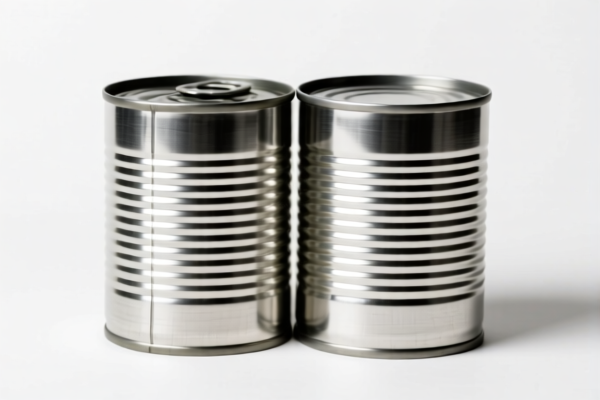
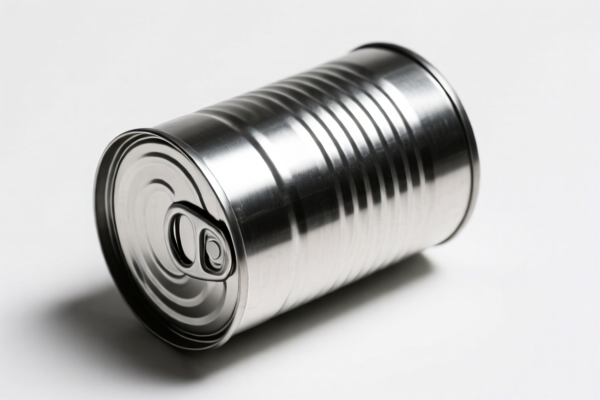

AI Analysis
📦 Iron Storage Can (Iron Storage Basket/Box)
🌐 HS Code Reference & Customs Clearance Guide | 2024/2025 Latest Tariff Analysis | Professional-Level Strategy
📌 1. Product Definition & Classification: Do You Really Understand "Iron Storage Can"?
The Iron Storage Can (often referred to as Iron Storage Basket, Wire Mesh Box, or Metal Storage Crate) is a versatile household or industrial organization tool. In international trade, its classification is tricky because it straddles the line between "Furniture" and "General Metal Articles."
The key to correct classification lies in its primary function and structure: * As Furniture (Category 94): If it is a rigid, self-standing unit intended for general household storage (e.g., a sturdy wire basket with a fixed base/frame), it may be classified under Headings 9403 (Other Furniture). * As General Metal Article (Category 73): If it is considered a container, box, or crate without the specific characteristics of furniture (e.g., simple wire mesh, utilitarian design), it falls under Chapter 73 (Articles of Iron or Steel).
⚠️ Key Distinction Point:
- If the item is marketed and used primarily as a storage unit/furniture piece → Look at 9403.20.00.86.
- If the item is marketed as a container/crate/box → Look at 7326.90 or 7323.99.
📦 2. HS Code Classification Details (Based on Provided Data)
Below are the 5 most relevant HS Codes derived from the provided data, along with their tax implications.
| HS Code | Summary Description | Total Tax Rate | Tax Detail Breakdown |
|---|---|---|---|
| 9403.20.00.86 | Iron Storage Can Classified as Other Metal Furniture (Fits the use of storage devices) |
85.0% | Base: 0.0% + Section 301 (Add'l): 25.0% + Section 122 (Steel/Al/Cu): 50.0% |
| 7326.90.35.00 | Iron Storage Can as a Container (Fits the category of iron制品 containers) |
92.8% | Base: 7.8% + Section 301 (Add'l): 25.0% + Section 122 (Steel/Al/Cu): 50.0% |
| 7326.90.86.88 | Iron Storage Can as Other Specific Non-Listed Metal Articles (From "Other articles of iron or steel") |
87.9% | Base: 2.9% + Section 301 (Add'l): 25.0% + Section 122 (Steel/Al/Cu): 50.0% |
| 7323.99.90.40 | Iron Storage Can in Metal Kitchen/Tableware Category (Metal utensils or metal products) |
88.4% | Base: 3.4% + Section 301 (Add'l): 25.0% + Section 122 (Steel/Al/Cu): 50.0% |
| 7323.99.90.80 | Iron Storage Can as Other Household Items (Iron/Steel other household articles) |
88.4% | Base: 3.4% + Section 301 (Add'l): 25.0% + Section 122 (Steel/Al/Cu): 50.0% |
🔍 Key Observation:
- The lowest tax rate is 85.0% (under HS Code9403.20.00.86).
- The highest tax rate is 92.8% (under HS Code7326.90.35.00).
- All classifications involve heavy Section 301 (25%) and Section 122 (50%) additional tariffs, totaling at least 75% in additional duties on top of the base rate.
💰 3. Tariff Rate Breakdown (Detailed Policy Explanation)
✅ Applicable Country: United States (US)
✅ Origin: China (CN)
✅ Effective Date: Current (Post-2024 Trade Policy)
🎯 1. 9403.20.00.86 —— Iron Storage Can as Metal Furniture (Recommended for Lowest Rate)
| Item | Content |
|---|---|
| Base Duty Rate | 0.0% (Ad Valorem) |
| Section 301 Additional Duty | +25% (From USITC Footnote 9903.88.01) |
| Section 122 Additional Duty | +50% (Specific tariffs on Steel, Aluminum, Copper Products) |
| Total Effective Rate | 85.0% |
| Tax Calculation | CIF Value × 85.0% |
| De Minimis Exemption | ❌ Not Applicable (High tax rate prohibits de minimis clearance benefits) |
📌 Explanation:
- Section 301 (25%): Standard additional tariff on Chinese goods under Trade Act of 1974.
- Section 122 (50%): A critical penalty clause for Steel products. Since the "Iron Storage Can" is made of iron/steel, it triggers this high penalty.
- Why 0% Base? Furniture (9403) often has low base rates, but the additional tariffs make it expensive. However, it is still 7.8% cheaper than the "Container" classification.
🎯 2. 7326.90.35.00 —— Iron Storage Can as Container (Highest Rate)
| Item | Content |
|---|---|
| Base Duty Rate | 7.8% |
| Section 301 Additional Duty | +25% |
| Section 122 Additional Duty | +50% |
| Total Effective Rate | 92.8% |
| Tax Calculation | CIF Value × 92.8% |
| De Minimis Exemption | ❌ Not Applicable |
📌 Why is this so high?
- Being classified as a "Container" under Chapter 73 incurs a 7.8% base duty.
- Combined with the same 25% + 50% additional tariffs, the total hits 92.8%.
- Avoid this classification if possible, as it is the most expensive option in the provided data.
🎯 3. 7326.90.86.88 —— Iron Storage Can as Other Metal Article
| Item | Content |
|---|---|
| Base Duty Rate | 2.9% |
| Section 301 Additional Duty | +25% |
| Section 122 Additional Duty | +50% |
| Total Effective Rate | 87.9% |
| Tax Calculation | CIF Value × 87.9% |
📌 Note: This is a middle-ground option. It is cheaper than the "Container" classification (92.8%) but more expensive than the "Furniture" classification (85.0%).
🎯 4. 7323.99.90.40 & 7323.99.90.80 —— Iron Storage Can as Household/Metal Item
| Item | Content |
|---|---|
| Base Duty Rate | 3.4% |
| Section 301 Additional Duty | +25% |
| Section 122 Additional Duty | +50% |
| Total Effective Rate | 88.4% |
| Tax Calculation | CIF Value × 88.4% |
📌 Note: These fall under "Household Articles." While the base rate is low (3.4%), the additional tariffs make it significantly more expensive than the Furniture classification.
🛠️ 4. Customs Clearance Practical Advice (Real-World Pitfall Guide)
✅ 1. Preparation Checklist (Must-Have)
| Document | Required? | Explanation |
|---|---|---|
| ✅ Product Specification Sheet | ✔️ | Must clearly state material (Iron/Steel), dimensions, weight, and intended use (e.g., "Home Storage Furniture"). |
| ✅ Product Photos | ✔️ | Show the item in a home setting (e.g., in a closet or garage) to support "Furniture" classification. Avoid photos that look like industrial crates. |
| ✅ Material Declaration | ✔️ | Explicitly state "Iron" or "Steel" to verify Section 122 applicability. |
| ✅ Commercial Invoice | ✔️ | Description should read: "Iron Storage Basket, Household Use, Metal Furniture" rather than "Metal Container" or "Steel Crate." |
| ✅ HS Code Pre-Ruling | ✔️ | Highly Recommended due to the high risk of misclassification and high tax rates. |
✅ 2. Declaration Strategy (Key Tips)
🔥 "Declare as Furniture, Not Container! Name Matters, Tax Drops!"
| Scenario | Correct Declaration | Incorrect Declaration | Consequence |
|---|---|---|---|
| Home Storage Basket | 9403.20.00.86"Iron Storage Furniture" |
7326.90.35.00"Iron Container" |
Saves 7.8% on total tax (85.0% vs 92.8%) |
| Office File Crate | 7326.90.86.88"Metal Storage Article" |
9403.20.00.86"Furniture" |
Risk of audit if clearly not furniture |
| Industrial Wire Box | 7326.90.86.88 |
9403.20.00.86 |
Misclassification penalty |
📌 Critical Warning:
- Do NOT use terms like "Steel Crate," "Industrial Container," or "Metal Box" in the invoice description if you want to claim the Furniture (9403) classification.
- Use terms like "Storage Basket," "Home Organizer," "Wire Storage Unit," or "Metal Furniture Accessory."
✅ 3. Special Handling for Section 122 (Steel/Al/Cu)
⚠️ Section 122 (50% Additional Duty) is INEVITABLE for Iron Storage Cans because they are made of iron/steel.
- There is NO exemption for this tariff in the provided data.
- Strategy: Focus on minimizing the Base Rate (0% vs 3.4% vs 7.8%) by choosing the correct HS Code. The 50% penalty is fixed.
🌍 5. Global Market Comparison (2024/2025)
| Market | Recommended HS Code | Total Tax Rate | Notes |
|---|---|---|---|
| 🇺🇸 USA | 9403.20.00.86 |
85.0% | Lowest possible rate in provided data. High due to Section 122 + 301. |
| 🇪🇺 EU | Varies (e.g., 7326.90) | ~6-10% | No Section 301/122. Standard MFN rate applies. Much cheaper than US. |
| 🇨🇦 Canada | Varies | ~5-10% | CUSMA benefits may apply if originating in North America. |
| 🇬🇧 UK | Varies | ~6-10% | Post-Brexit tariffs similar to EU. |
📌 Conclusion:
- The US market is extremely expensive for iron storage cans due to Section 122 (Steel) and Section 301 tariffs.
- Recommendation: If targeting the US, consider duty drawback programs or free trade zone strategies if applicable.
- Alternative Markets: EU and UK are significantly more cost-effective for these products.
📌 6. Common Mistakes & Pitfalls (Lessons Learned)
❌ Mistake 1: Declaring as "Iron Container" (7326.90.35.00)
👉 Result: You pay 92.8% tax.
👉 Fix: Re-classify as "Metal Furniture" (9403.20.00.86) to save 7.8%.
❌ Mistake 2: Ignoring Section 122
👉 Result: Underestimating cost.
👉 Fix: Always include the 50% Section 122 in your cost calculation for steel/iron items.
❌ Mistake 3: Using "Steel Crate" in Invoice Description
👉 Result: Customs may reject "Furniture" classification.
👉 Fix: Use "Storage Basket" or "Home Organizer."
✅ Best Practice:
"Declare as Iron Storage Furniture (9403.20.00.86), describe as 'Wire Storage Basket for Home,' and budget for 85% total tax."
🎯 7. Conclusion: Smart Classification Saves Money!
🎯 Remember the Formula:
🔹 Base Rate 0% + 301 (25%) + 122 (50%) = 85% (Best Case)
🔹 Base Rate 7.8% + 301 (25%) + 122 (50%) = 92.8% (Worst Case)
📌 Pro Tip:
- Always request an HS Code Pre-Ruling from CBP for high-value shipments.
- Consider supply chain diversification if the 85% tax erodes profit margins.
📣 Action Step:
📞 Contact a Licensed Customs Broker today.
🚀 Provide Product Photos showing "Home Use" context.
📄 Update Invoice Description to "Iron Storage Furniture."
✨ Precise Classification, Predictable Costs, Smooth Clearance!
💼 Your Profit Margin Depends on Your HS Code Choice!
Customer Reviews
About HS Code Classification
The Harmonized System (HS) is an internationally standardized nomenclature developed by the World Customs Organization (WCO) to classify traded products. Over 200 countries use the HS system as the basis for customs tariffs, trade statistics, and import/export regulations.
Each HS code follows a hierarchical structure:
- Chapter (2 digits) — Broad category of goods (e.g., Chapter 84: Machinery and Mechanical Appliances)
- Heading (4 digits) — More specific grouping within the chapter
- Subheading (6 digits) — Internationally standardized breakdown, used by all WCO member countries
- National subdivisions (8-10 digits) — Country-specific extensions for further classification, such as US HTSUS 10-digit codes
Correct HS code classification is essential for smooth customs clearance, accurate duty payment, and compliance with trade regulations. Misclassification can lead to customs delays, overpayment of duties, or penalties.
When importing from CN to US, the applicable tariff rates may include:
- Most-Favored-Nation (MFN) rate — The standard duty rate applied to WTO members
- General rate — Applied to countries without trade agreements
- Trade remedy duties — Additional tariffs such as Section 301 (anti-dumping), Section 232 (national security), or countervailing duties
The information provided on this page is for reference purposes only. For official classification, please consult with your local customs authority or a licensed customs broker.