Iron or Non Alloy Steel Rebar
CN → US| HS Code | Tariff Rate | Origin | Destination | Doc |
|---|---|---|---|---|
| 7214200000 | 10.0% | CN | US | Official Doc |
| 7214990060 | 10.0% | CN | US | Official Doc |
| 7312103005 | 85.0% | CN | US | Official Doc |
| 7312103020 | 85.0% | CN | US | Official Doc |
Product Images
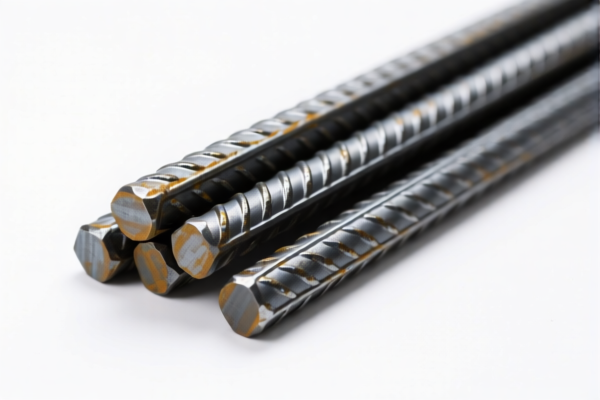
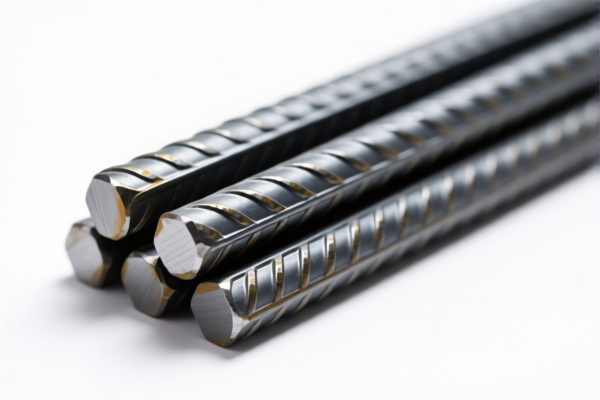
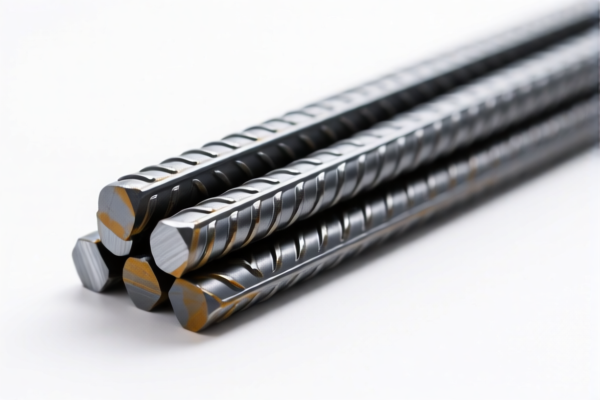
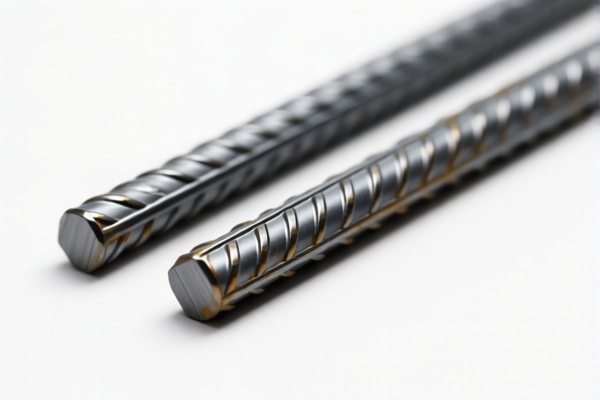
AI Analysis
🏗️ Iron or Non-Alloy Steel Rebar (Steel Reinforcement Bars)
🌐 HS Code Reference & Customs Clearance Guide | 2026 Latest Tariff Analysis | Professional Clearance Strategy
📌 Part 1: Product Definition & Classification: Do You Really Understand "Rebar"?
Iron or Non-Alloy Steel Rebar is the backbone of modern construction, providing tensile strength to concrete. In international trade, these products are strictly categorized based on their material composition (Iron vs. Alloy) and physical form (Rebar/Bar vs. Wire).
⚠️ Critical Distinction:
- Rebar (Bars/Rods): Solid or profiled steel used for concrete reinforcement. Typically falls under Chapter 72.
- Wire/Wire Ropes: Thinner, flexible forms (stranded wires). Typically falls under Chapter 73.
- Material Matters: "Non-Alloy Steel" and "Iron" have different duty implications compared to "Alloy Steel" in some contexts, but US tariffs heavily target all Chinese steel products under specific trade acts.
📦 Part 2: HS Code Classification Details (2026 Latest Tariff Authority)
Based on the provided data, the following HS Codes apply to Iron or Non-Alloy Steel Rebar and related wire products:
| HS Code | Product Description | Applicable Scenario | Material/Form |
|---|---|---|---|
7214.20.00.00 |
Iron or non-alloy steel reinforcing bars | Standard rebar, construction grade | ✅ Iron/Non-Alloy Steel, Rebar |
7214.99.00.60 |
Iron or non-alloy steel bars (other) | Rods/bars not specifically rebar, but similar form | ✅ Iron/Non-Alloy Steel, Bars/Rods |
7312.10.30.05 |
Iron or alloy steel wire (stranded) | Wire ropes, cables, stranded wires | ✅ Iron/Alloy Steel, Wire/Rope |
7312.10.30.20 |
Iron or alloy steel wire (other) | Raw material for ropes/cables, single strands | ✅ Iron/Alloy Steel, Wire |
🔍 Key Reminder:
- Rebar (7214.xxxx) is classified under Chapter 72 (Iron/Steel).
- Wire/Rope (7312.xxxx) is classified under Chapter 73 (Articles of Iron/Steel).
- Do NOT confuse Rebar with Wire: Rebar is thick and rigid; wire is thin and flexible. Misclassification leads to severe customs delays.
💰 Part 3: 2026 Latest Tariff Rate Breakdown (Including Surtaxes & Policy Add-ons)
✅ Applicable Country: USA (US)
✅ Origin: China (CN) (Implied by the 122 Clause and Section 301/IEEPA references)
✅ Effective Time: Current trade regime (Post-2025 updates)
🎯 1. 7214.20.00.00 & 7214.99.00.60 — Iron/Non-Alloy Steel Rebar & Bars
| Item | Details |
|---|---|
| Base Duty Rate | 0% (Ad Valorem) |
| Additional Duty (Sec. 301) | 0% (Note: Data specifies 0% for base surtax) |
| "122 Clause" Surcharge | +10% |
| Total Duty Rate | 10.0% |
| Tax Calculation | CIF Value × 10% |
| De Minimis Exemption | ❌ Not Eligible |
| Legal Basis Path | 122 Clause: 10% applied to Chapter 72 Steel Products |
📌 Explanation:
- The 10% total tax is driven by the "122 Clause".
- Base duty is 0%, and standard Section 301 surtax is listed as 0% in this specific data set (likely due to specific exclusions or updated rules for this subheading), but the 122 Clause applies a flat 10% surcharge.
- Critical: This is a fixed additional tariff, not a percentage of the base rate.
🎯 2. 7312.10.30.05 & 7312.10.30.20 — Iron/Alloy Steel Wire & Stranded Wire
| Item | Details |
|---|---|
| Base Duty Rate | 0% |
| Additional Duty (Sec. 301) | +25% |
| "122 Clause" Surcharge | +10% |
| Steel/Al/Cu Surtax | +50% (Specific surcharge for Steel, Aluminum, Copper products) |
| Total Duty Rate | 85.0% |
| Tax Calculation | CIF Value × 85% |
| De Minimis Exemption | ❌ Not Eligible |
| Legal Basis Path | Sec. 301: 25% + 122 Clause: 10% + Steel/Al/Cu Surtax: 50% |
📌 Explanation:
- Wire products face a massive 85% tariff.
- This includes:
1. 25% from Section 301 (Trade War tariffs).
2. 10% from the 122 Clause.
3. 50% from the specific Steel, Aluminum, and Copper Surtax.
- Total: 85%. This is an extremely high barrier, making import into the US highly uneconomical for Chinese-origin wire products.
🛠️ Part 4: Customs Clearance Practical Advice (Real-World Pitfall Guide)
✅ 1. Required Documentation Checklist (Non-Negotiable)
| Document | Must Provide | Notes |
|---|---|---|
| Product Specification Sheet | ✔️ | Must specify: Diameter, Grade (e.g., ASTM A615), Coating (Galvanized/Epoxy), Material (Iron vs. Non-Alloy Steel). |
| Commercial Invoice | ✔️ | Must clearly state "Iron or Non-Alloy Steel Rebar" or "Steel Wire". Avoid vague terms like "Metal Rod". |
| Packing List | ✔️ | Detail weight, dimensions, and bundle count. |
| Certificate of Origin (CO) | ✔️ | Crucial for proving origin to apply (or avoid) surcharges. |
| Bill of Lading (B/L) | ✔️ | Ensure HS Codes match invoice exactly. |
| Test Report | ✔️ | Mill test certificate showing chemical composition (to prove "Non-Alloy" status if needed). |
✅ 2. Declaration Tips (Key Mantras)
🔥 "Rebar in Ch. 72, Wire in Ch. 73. 122 Clause Hits 10%, Steel Surcharge Hits 85%!"
| Situation | Correct Declaration | Wrong Practice |
|---|---|---|
| Standard Concrete Rebar | 7214.20.00.00 (10% Total) |
Misdeclare as 7312 (Wire) → Risk of 85% penalty |
| Steel Wire Rope/Cable | 7312.10.30.05 (85% Total) |
Misdeclare as 7214 (Rebar) → Severe penalty |
| Small Diameter Rods | Check if it fits 7214.99.00.60 (10%) |
Call it "Wire" → Higher duty |
| Alloy Steel Wire | 7312.10.30.05/20 (85%) |
Claim "Non-Alloy" falsely → Fraud risk |
✅ 3. Special Case Handling
| Situation | Handling Advice |
|---|---|
| Galvanized Rebar | Still 7214.20.00.00. Galvanizing does not change HS Code from 72 to 73. |
| Coiled Rebar | If it can be uncoiled and used as rebar, it may still be 7214. If strictly wire-like, it might be 7312. Consult customs broker. |
| Mixed Shipment | Do not mix Rebar and Wire in one HS Code line item. Declare separately. |
| Origin Non-China | If from Vietnam/India, 122 Clause may not apply. Check specific trade agreements. |
🌍 Part 5: Global Market Clearance Comparison (2026 Latest)
| Country/Region | Recommended HS Code | Total Duty (China Origin) | Key Requirement | Notes |
|---|---|---|---|---|
| 🇺🇸 USA | 7214.20.00.00 (Rebar) |
10% | 122 Clause + CO | Wire (7312) faces 85% |
| 🇺🇸 USA | 7312.10.30.05 (Wire) |
85% | 122 + Sec. 301 + Steel Surtax | Extremely high cost |
| 🇨🇳 China | 7214.20.00.00 |
Varies | Standard Import Duty | No US surcharges |
| 🇪🇺 EU | 7214.20.00.00 |
~6-10% | CE/CECA | No 122 Clause or Sec. 301 |
| 🇦🇺 Australia | 7214.20.00.00 |
Varies | RCM/Standards | Check anti-dumping duties |
📌 Conclusion:
- USA is the most punitive market for Chinese steel due to the 122 Clause and Steel/Al/Cu Surtax.
- Rebar (10%) is significantly cheaper to import than Wire (85%).
- Strategy: If possible, source non-steel alternatives or diversify origin to avoid surcharges.
📌 Part 6: Common Errors & Pitfall Guide (Lessons Learned)
❌ Error 1: Declaring "Wire Rope" as "Rebar" to avoid 85% duty
👉 Consequence: Customs audit reveals difference in diameter/flexibility → Penalties + Back Taxes + Seizure
❌ Error 2: Ignoring the "122 Clause"
👉 Consequence: Paying only 0% base duty → Underpayment of 10% → Interest + Fine
❌ Error 3: Mixing "Alloy Steel" and "Non-Alloy Steel" in one shipment
👉 Consequence: Misdeclaration risk. 7312 (Alloy Wire) also faces 85%. No savings.
❌ Error 4: Using generic terms like "Steel Rods" on Invoice
👉 Consequence: Customs cannot determine HS Code → Hold for Inspection → Delay
✅ Correct Approach:
"ASTM A615 Grade 60, Deformed Steel Rebar, Iron/Non-Alloy Steel, Diameter 16mm, Galvanized"
HS: 7214.20.00.00
Duty: 10%
🎯 Part 7: Conclusion: Precise Classification Saves Millions!
🎯 Remember the Mantra:
🔹 "Rebar is 72, Wire is 73. 122 Clause is 10%, Steel Surtax is 50%. Wire Total is 85%!"
🔹 "One digit error in HS Code, and your profit disappears!"
📌 Pro Tip:
For Rebar (7214), the burden is 10%.
For Wire (7312), the burden is 85%.
Always verify the physical form (Bar vs. Wire) and material (Iron/Non-Alloy vs. Alloy) before declaring.
📣 Immediate Action:
📞 Contact a licensed US Customs Broker
📄 Provide Mill Test Certificates
🚀 Ensure correct HS Code to avoid 85% penalties on Rebar-class items or 10% underpayment on Wire.
✨ Professional Clearance Starts with Accurate Classification!
💼 Your Cost is Calculated Down to the Cent!
Customer Reviews
About HS Code Classification
The Harmonized System (HS) is an internationally standardized nomenclature developed by the World Customs Organization (WCO) to classify traded products. Over 200 countries use the HS system as the basis for customs tariffs, trade statistics, and import/export regulations.
Each HS code follows a hierarchical structure:
- Chapter (2 digits) — Broad category of goods (e.g., Chapter 84: Machinery and Mechanical Appliances)
- Heading (4 digits) — More specific grouping within the chapter
- Subheading (6 digits) — Internationally standardized breakdown, used by all WCO member countries
- National subdivisions (8-10 digits) — Country-specific extensions for further classification, such as US HTSUS 10-digit codes
Correct HS code classification is essential for smooth customs clearance, accurate duty payment, and compliance with trade regulations. Misclassification can lead to customs delays, overpayment of duties, or penalties.
When importing from CN to US, the applicable tariff rates may include:
- Most-Favored-Nation (MFN) rate — The standard duty rate applied to WTO members
- General rate — Applied to countries without trade agreements
- Trade remedy duties — Additional tariffs such as Section 301 (anti-dumping), Section 232 (national security), or countervailing duties
The information provided on this page is for reference purposes only. For official classification, please consult with your local customs authority or a licensed customs broker.