Iron or Steel Bars and Rods
CN → US| HS Code | Tariff Rate | Origin | Destination | Doc |
|---|---|---|---|---|
| 7222110057 | 35.0% | CN | US | Official Doc |
| 7312103005 | 85.0% | CN | US | Official Doc |
| 7312103020 | 85.0% | CN | US | Official Doc |
| 7222110057 | 35.0% | CN | US | Official Doc |
| 7312103005 | 85.0% | CN | US | Official Doc |
Product Images
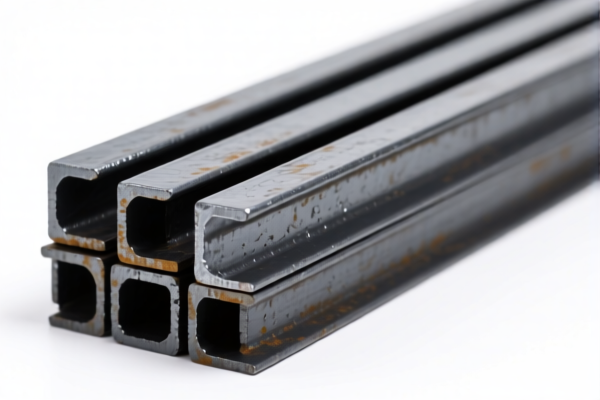
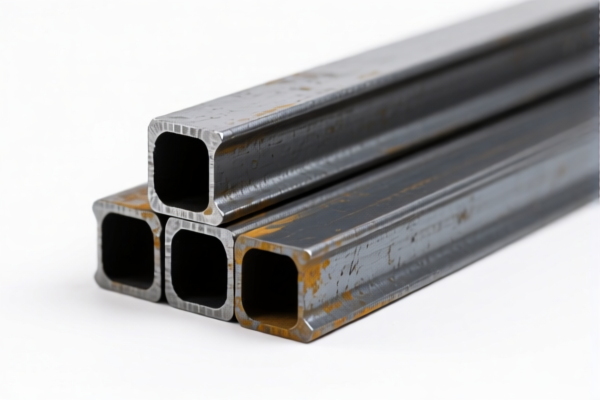
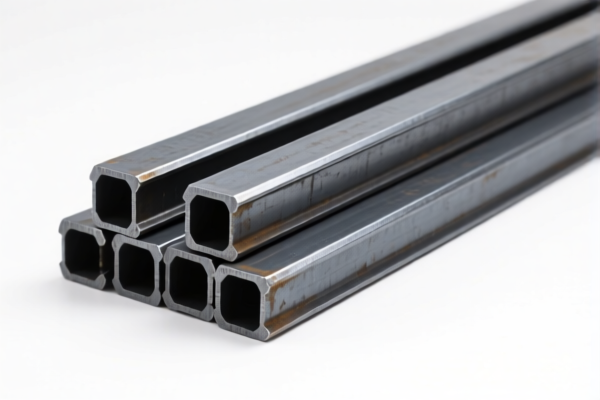
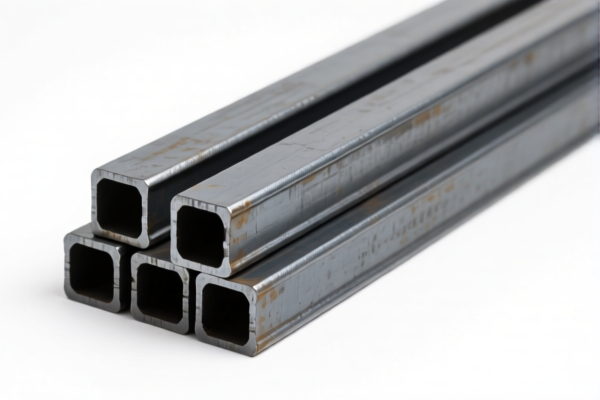
AI Analysis
🏗️ Iron or Steel Bars and Rods (Construction Materials)
🌐 HS Code Reference & Customs Clearance Guide | 2026 Latest Tariff Analysis | Professional Customs Strategy
📌 I. Product Definition and Classification: What are "Bars and Rods"?
Iron or steel bars and rods are fundamental construction materials used in reinforcing concrete, manufacturing machinery parts, and structural frameworks. In international trade, precise classification is critical due to the high punitive tariffs on steel products.
The classification depends primarily on Material Composition and Form:
Alloy Steel Bars/Rods:
- Contain significant amounts of elements other than iron (e.g., chromium, nickel, manganese) to enhance strength, hardness, or corrosion resistance.
- Typically fall under Chapter 72 (Steel) with specific headings for Alloy Steel.
Iron/Alloy Steel Wire/Stranded Wire:
- Often confused with simple rods but may be processed into wire, strands, or cables.
- If processed into stranded wire, ropes, or cables, they fall under Chapter 73 (Articles of Iron or Steel).
⚠️ Key Distinction Point:
- If the product is a solid, straight, or coiled bar/rod made of alloy steel → HS 7222.11.00.57
- If the product is stranded wire, cable, or rope made of iron/steel → HS 7312.10.30.xx
📦 II. HS Code Classification Details (2026 Latest Tariff Authority Comparison)
| HS Code | Product Description | Applicable Scenario | Material/Form |
|---|---|---|---|
7222.11.00.57 |
Alloy Steel Bars and Rods | Reinforcement bars, tool steel rods, high-strength alloy shafts | ✅ Alloy Steel ✅ Bars/Rods |
7312.10.30.05 |
Iron or Alloy Steel Wire (Stranded/Cable) | Steel cables, wire ropes, prestressed steel strands | ✅ Iron/Alloy Steel ✅ Stranded Wire/Cable |
7312.10.30.20 |
Iron or Alloy Steel Wire (Raw Material) | Raw wire used for manufacturing ropes/cables, not yet stranded | ✅ Iron/Alloy Steel ✅ Wire |
🔍 Important Reminder:
- Alloy Steel Bars (7222) are distinct from Carbon Steel Bars (which may fall under 7213/7214). Ensure your material test report confirms "Alloy" content. - Chapter 73 items (7312) are subject to much higher punitive tariffs due to their classification as processed steel articles/cables, often attracting additional "Section 232" or "122 Clause" tariffs depending on the country's specific trade measures.
💰 III. 2026 Latest Tariff Rate Breakdown (Including Surtaxes, Policy Add-ons)
✅ Applicable Market: United States (US)
✅ Origin: China (CN)
✅ Effective Date: Current active rates for Chinese-origin steel products
🎯 1. 7222.11.00.57 —— Alloy Steel Bars and Rods
| Item | Details |
|---|---|
| Base Tariff | 0% (ad valorem) |
| Section 232 Tariff (Steel) | +25% (Standard 232 tariff on steel products) |
| 122 Clause Tariff | +10% (Specific punitive measure on certain steel products) |
| Total Tariff | 35.0% |
| Tax Calculation | CIF Value × 35% |
| De Minimis Exemption | ❌ Not Eligible (Deny de minimis for steel products from restricted origins) |
| Legal Basis Path | USITC:7222.11.00.57 → SECTION 232: 25% → 122 CLAUSE: 10% |
📌 Explanation:
- The 25% is the standard Section 232 tariff imposed on all steel imports to protect domestic steel industry. - The 10% is an additional specific surcharge under the "122 Clause" (often referencing specific trade enforcement actions or retaliatory measures). - Total: 35%. This is a high-cost item.
🎯 2. 7312.10.30.05 & 7312.10.30.20 —— Iron/Alloy Steel Wire, Stranded Wire, Cables
| Item | Details |
|---|---|
| Base Tariff | 0% (ad valorem) |
| Section 232 Tariff (Steel) | +25% |
| 122 Clause Tariff | +10% |
| Steel/Aluminum/Copper Surtax | +50% (Specific surcharge for steel/aluminum/copper products under recent trade actions) |
| Total Tariff | 85.0% |
| Tax Calculation | CIF Value × 85% |
| De Minimis Exemption | ❌ Not Eligible |
| Legal Basis Path | USITC:7312.10.30.xx → SECTION 232: 25% → 122 CLAUSE: 10% → ADDITIONAL SURTAX: 50% |
📌 Warning:
- These codes are classified as processed steel articles (wire/cables). - They attract the highest tier of punitive tariffs:
- 25% (Section 232)
- 10% (122 Clause)
- 50% (Additional Surtax on Steel/Aluminum/Copper)
- Total: 85%. This is an extremely high tariff, making direct import of these products from China to the US economically unviable unless mitigated by supply chain restructuring.
🛠️ IV. Customs Clearance Practical Advice (Avoiding Pitfalls)
✅ 1. Required Documentation Checklist
| Document | Mandatory? | Notes |
|---|---|---|
| ✅ Material Test Report | ✔️ | Must confirm Alloy Steel content for 7222.11.00.57. Carbon steel may fall under different codes with different rates. |
| ✅ Product Photos | ✔️ | Show cross-section, surface condition (straight, coiled, threaded), and markings. |
| ✅ Commercial Invoice | ✔️ | Clearly state "Alloy Steel Bars/Rods" or "Steel Wire Rope". Avoid vague terms like "Metal Rod". |
| ✅ Packing List | ✔️ | Specify net/gross weight, dimensions, and number of pieces. |
| ✅ Origin Certificate | ✔️ | If claiming exemption or different origin (e.g., third-country processing), provide CO. |
| ✅ Section 232 Exemption (if applicable) | ❓ | If originating from an exempted country (e.g., Australia, Canada - quota-based), provide quota documentation. |
✅ 2. Declaration Tips (Key Mnemonics)
🔥 "Alloy is Key, Wire is Categorized Separately, Tariffs are Heavy!"
| Scenario | Correct Declaration | Wrong Declaration | Consequence |
|---|---|---|---|
| Alloy Steel Straight/Coiled Rod | 7222.11.00.57 |
Misdeclare as Carbon Steel (7213) | Under-declaration → Penalties + Back Duties |
| Steel Wire Rope/Cable | 7312.10.30.05 |
Declare as simple rod | 85% Tariff vs. ~35% (if wrongly coded as rod, but still risky due to misclassification) |
| Raw Steel Wire (Not Stranded) | 7312.10.30.20 |
Declare as finished cable | Classification Error → Delay/Seizure |
| Non-Chinese Origin (Exempted) | Provide Quota Docs | Claim Origin Fraud | Heavy Fines + Blacklisting |
✅ 3. Special Case Handling
| Situation | Handling Advice |
|---|---|
| Mixed Shipment (Bars + Cables) | Separate Declarations! Do not combine. Each requires its own HS Code and tariff calculation. |
| Alloy vs. Carbon Steel | If material test is ambiguous, declare as Alloy Steel with test report. Misclassifying alloy as carbon steel is a major compliance risk. |
| Wire vs. Bar | If the steel is drawn into wire form, it may cross from Chapter 72 to Chapter 73. Process definition is critical. |
| Third-Country Transshipment | Avoid "circumvention" of tariffs. US CBP actively investigates steel products routed through Vietnam/Mexico with minimal processing. |
🌍 V. Global Market Comparison (2026 Latest)
| Country/Region | Recommended HS Code | Tariff (China Origin) | Certification/Notes |
|---|---|---|---|
| 🇺🇸 USA | 7222.11.00.57 / 7312.10.30.xx |
35% / 85% | Section 232 + 122 Clause + 50% Surtax |
| 🇪🇺 EU | 7222 / 7312 | ~20-25% (Anti-dumping duties may apply) | CE Marking (if structural), CE Certification |
| 🇨🇳 China | 7222 / 7312 | ~0-5% (Export) | CCC (if for domestic use) |
| 🇮🇳 India | 7222 / 7312 | ~10-15% (Basic + SWS) | BIS Certification for steel |
| 🇲🇽 Mexico | 7222 / 7312 | ~0-5% (Under USMCA if originating) | Verify Origin Rules (ROO) strictly |
📌 Conclusion:
- USA is the most punitive market for steel bars/rods/wire.
- Tariff disparity between bars (35%) and wire/cables (85%) is significant.
- Supply chain diversification (e.g., sourcing from non-China origins with USMCA benefits) is a common mitigation strategy, but must be genuine.
📌 VI. Common Mistakes & Pitfalls (Blood Lessons)
❌ Mistake 1: Declaring Steel Wire Rope as Steel Bars
👉 Consequence: Misclassification. If caught, penalties for underpayment, but more importantly, 85% tariff vs. 35%. However, if the product is truly wire rope, declaring it as a bar is fraud.
👉 Result: Seizure, fines, and potential criminal charges.
❌ Mistake 2: Ignoring Alloy Steel classification
👉 Consequence: If it's alloy steel but declared as carbon steel, you may face back duties and penalties if material tests reveal otherwise.
❌ Mistake 3: Assuming De Minimis applies
👉 Consequence: Steel products from China are excluded from de minimis (Section 321) exemptions in the US. Attempting to ship via small packages to avoid tariffs will result in package seizure.
✅ Correct Approach:
"Alloy Steel Bar, Round, Diameter 20mm, Material Grade 4140, Origin China, for Industrial Use"
🎯 VII. Conclusion: Professional Declaration, Cost Control, Compliance!
🎯 Remember the Mnemonic:
🔹 "Bars are 35%, Cables are 85%!"
🔹 "Alloy Steel needs Test Reports!"
🔹 "No De Minimis for Steel from China!"
📌 Pro Tip:
If you are importing steel wire/cables, consider supply chain redesign (e.g., sourcing from countries with USMCA benefits or non-China origins) to avoid the 85% tariff.
For alloy steel bars, the 35% tariff is still manageable but requires accurate material verification.
📣 Immediate Action:
📞 Engage a Licensed Customs Broker
📄 Obtain Material Test Reports
📋 Apply for Pre-Ruling (if possible)
🚀 Ensure Compliance, Avoid Seizures, Protect Your Profit Margins!
✨ Professional Customs Clearance Starts with Accurate Classification!
💼 Every Percentage Point of Tariff Counts!
Customer Reviews
About HS Code Classification
The Harmonized System (HS) is an internationally standardized nomenclature developed by the World Customs Organization (WCO) to classify traded products. Over 200 countries use the HS system as the basis for customs tariffs, trade statistics, and import/export regulations.
Each HS code follows a hierarchical structure:
- Chapter (2 digits) — Broad category of goods (e.g., Chapter 84: Machinery and Mechanical Appliances)
- Heading (4 digits) — More specific grouping within the chapter
- Subheading (6 digits) — Internationally standardized breakdown, used by all WCO member countries
- National subdivisions (8-10 digits) — Country-specific extensions for further classification, such as US HTSUS 10-digit codes
Correct HS code classification is essential for smooth customs clearance, accurate duty payment, and compliance with trade regulations. Misclassification can lead to customs delays, overpayment of duties, or penalties.
When importing from CN to US, the applicable tariff rates may include:
- Most-Favored-Nation (MFN) rate — The standard duty rate applied to WTO members
- General rate — Applied to countries without trade agreements
- Trade remedy duties — Additional tariffs such as Section 301 (anti-dumping), Section 232 (national security), or countervailing duties
The information provided on this page is for reference purposes only. For official classification, please consult with your local customs authority or a licensed customs broker.