Iron or Steel Dining Table, Kitchen Utensils
CN → US| HS Code | Tariff Rate | Origin | Destination | Doc |
|---|---|---|---|---|
| 7323999030 | 88.4% | CN | US | Official Doc |
| 7323999080 | 88.4% | CN | US | Official Doc |
| 7326908688 | 87.9% | CN | US | Official Doc |
| 7418100053 | 70.5% | CN | US | Official Doc |
| 7323930035 | 62.0% | CN | US | Official Doc |
Product Images
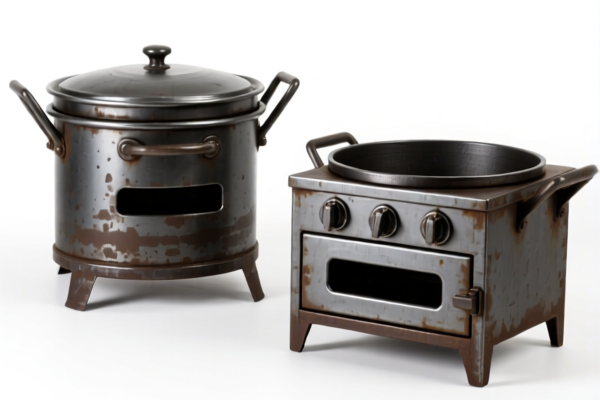
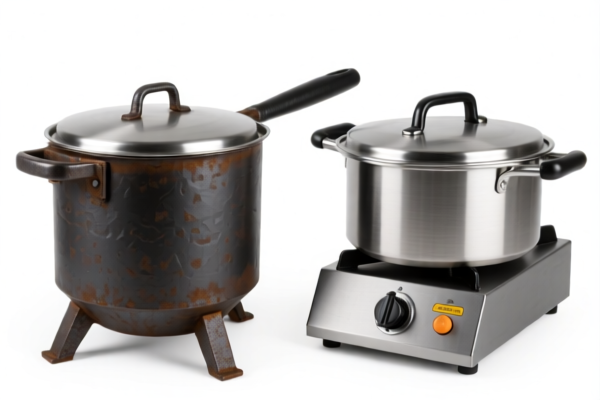
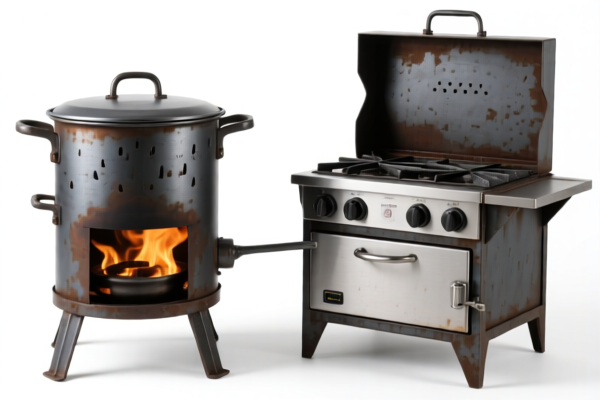
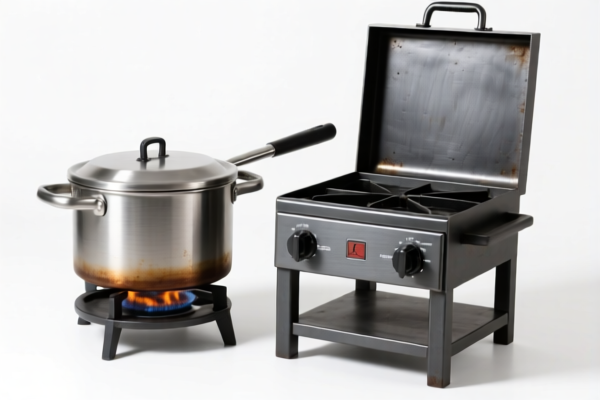
AI Analysis
🍽️ Iron or Steel Dining Tables & Kitchen Utensils
🌐 HS Code Reference & Customs Clearance Guide | 2026 Latest Tariff Analysis | Professional Clearance Strategy
📌 I. Product Definition and Classification: Do You Really Know "Kitchenware"?
Iron or steel dining tables and kitchen utensils are essential household items used for food preparation, storage, and dining. In international trade, they are broadly categorized by material (Iron/Steel vs. Copper) and form (Tableware/Kitchenware vs. Other Fabricated Articles).
Key Distinction Logic: * Iron/Steel Articles (73xx): Includes dining tables, pots, pans, cutlery, and general fabricated steel items. * Copper Articles (74xx): Includes kitchen utensils made of copper or copper-base alloys. * "122 Section" Impact: Certain steel, aluminum, and copper products are subject to additional specific tariffs under Section 122.
⚠️ Critical Note:
- Material matters: Steel/Iron items generally face higher combined tariffs (up to 88.4%) due to the accumulation of Base, Section 301, and Section 122 duties.
- Product Form matters: "Dining Tables" (7323) are distinct from "Other Steel Articles" (7326).
- Copper Exception: Copper kitchenware (7418) has a significantly lower total tax burden (70.5%) compared to steel equivalents.
📦 II. HS Code Classification Matrix (2026 Latest Tariff Authority)
| HS Code | Product Description | Material/Attribute | Primary Use Case |
|---|---|---|---|
7323.99.90.30 |
Iron or Steel Dining Tables, Kitchen or Other Household Articles | Iron/Steel | General steel household items (e.g., racks, trays, non-standard kitchenware) |
7323.99.90.80 |
Iron or Steel Dining Tables, Kitchen or Other Household Articles | Iron/Steel | General steel household items (Other sub-category) |
7326.90.86.88 |
Other Articles of Iron or Steel | Iron/Steel | Other fabricated steel articles that fit household attributes but not strictly "tableware" |
7418.10.00.53 |
Table, Kitchen or Other Household Articles of Base Metal | Copper/Copper Alloys | Copper pots, pans, or kitchen tools |
7323.93.00.35 |
Table, Kitchen or Other Household Articles | Stainless Steel | Stainless steel cookware/pots (Cooking category) |
🔍 Key Insight:
- 7323.99.90.30/80: These are "catch-all" codes for iron/steel household items not specifically named elsewhere. They attract the highest total tax rate (88.4%).
- 7323.93.00.35: Specifically for Stainless Steel cookware. It enjoys a lower rate (62.0%) because Section 122 and some base duties apply differently or are lower for specific stainless cookware.
- 7418.10.00.53: Copper kitchenware. Note that copper is treated differently under Section 122, resulting in a lower total rate (70.5%) despite having base + 122 duties.
💰 III. 2026 Latest Tariff Rate Details (Including Surcharges & Policy Add-ons)
✅ Applicable Country: United States (US)
✅ Country of Origin: China (CN)
✅ Effective Date: Current as of 2026 Tariff Schedule
🎯 1. 7323.99.90.30 & 7323.99.90.80 — Iron/Steel Household Articles (Non-Specific)
| Item | Content |
|---|---|
| Base Tariff | 3.4% |
| Section 301 Surcharge | +25.0% |
| Section 122 Surcharge | +10.0% (Specific to Steel/Aluminum/Copper products) |
| Additional 122 Surcharge | +50.0% (Specific to Steel, Aluminum, Copper Products) |
| Total Tax Rate | 88.4% |
| Calculation Basis | CIF Value × 88.4% |
| De Minimis Exemption | ❌ Not Applicable |
📌 Explanation:
- This is the highest tax bracket in the dataset.
- The 50% additional tariff under Section 122 for steel products is a major cost driver.
- Combined with the standard 25% Section 301 tariff and 3.4% base duty, the effective rate exceeds 88%.
- Risk: High cost impact; requires strict cost-benefit analysis for importation.
🎯 2. 7326.90.86.88 — Other Articles of Iron or Steel
| Item | Content |
|---|---|
| Base Tariff | 2.9% |
| Section 301 Surcharge | +25.0% |
| Section 122 Surcharge | +10.0% |
| Additional 122 Surcharge | +50.0% |
| Total Tax Rate | 87.9% |
| Calculation Basis | CIF Value × 87.9% |
| De Minimis Exemption | ❌ Not Applicable |
📌 Explanation:
- Slightly lower than the 7323 codes due to a lower base rate (2.9% vs 3.4%).
- Still subject to the full 75% in surcharges (25% Sec 301 + 10% Sec 122 + 50% Sec 122 additional).
- Use this only if the product does not strictly qualify as "Household Articles" under 7323 but fits "Other Fabricated Steel Articles."
🎯 3. 7418.10.00.53 — Copper Kitchen Utensils
| Item | Content |
|---|---|
| Base Tariff | 3.0% |
| Section 301 Surcharge | +7.5% |
| Section 122 Surcharge | +10.0% |
| Additional 122 Surcharge | +50.0% |
| Total Tax Rate | 70.5% |
| Calculation Basis | CIF Value × 70.5% |
| De Minimis Exemption | ❌ Not Applicable |
📌 Explanation:
- Key Advantage: The Section 301 surcharge for this copper code is only 7.5%, not 25%.
- However, the 50% Section 122 additional surcharge still applies to copper products.
- Total rate (70.5%) is significantly lower than steel household items (88.4%).
- Strategy: If feasible, consider switching from steel to copper kitchenware to save ~18% in tariffs.
🎯 4. 7323.93.00.35 — Stainless Steel Cookware
| Item | Content |
|---|---|
| Base Tariff | 2.0% |
| Section 301 Surcharge | 0.0% |
| Section 122 Surcharge | +10.0% |
| Additional 122 Surcharge | +50.0% |
| Total Tax Rate | 62.0% |
| Calculation Basis | CIF Value × 62.0% |
| De Minimis Exemption | ❌ Not Applicable |
📌 Explanation:
- Lowest Rate in Dataset: Only 62.0%.
- Why?
1. Base rate is low (2.0%).
2. Section 301 Surcharge is 0% for this specific stainless steel cookware subheading.
3. Only Section 122 duties (10% + 50%) apply as surcharges.
- Recommendation: If the product is stainless steel cookware, ensure it is classified here to save 26.4%–63% in tariffs compared to other steel household items.
🛠️ IV. Customs Clearance Practical Advice (Best Practices)
✅ 1. Documentation Checklist (Essential)
| Document | Required? | Notes |
|---|---|---|
| ✅ Product Specification Sheet | ✔️ | Must clearly state material (e.g., "Stainless Steel 304," "Copper Alloy"). |
| ✅ Material Composition Certificate | ✔️ | Crucial for distinguishing between Steel (73xx) and Copper (74xx). |
| ✅ Product Images | ✔️ | Show entire item, including handles, lids, and surfaces. |
| ✅ Commercial Invoice | ✔️ | Clearly describe as "Stainless Steel Cookware" or "Copper Kitchen Utensil." |
| ✅ Packing List | ✔️ | Detail quantities and weights. |
✅ 2. Classification Strategy (Key Tips)
| Scenario | Recommended HS Code | Reason |
|---|---|---|
| Standard Steel Pot/Pan | 7323.93.00.35 |
If stainless steel, benefits from 0% Sec 301. |
| Non-Stainless Steel Steel Rack/Table | 7323.99.90.30 |
High tax (88.4%), no alternative. |
| Copper Pot/Pan | 7418.10.00.53 |
Lower tax (70.5%) due to lower Sec 301 rate. |
| Miscellaneous Steel Item | 7326.90.86.88 |
Use only if not "household" or if 7323 is inapplicable. |
🔥 "Classify by Material, Save by Section!"
- Stainless Steel Cookware = Best Rate (62.0%)
- Copper Kitchenware = Medium Rate (70.5%)
- Other Steel Household Items = Worst Rate (87.9–88.4%)
✅ 3. Special Handling
| Situation | Advice |
|---|---|
| Mixed Materials | If an item has a steel body and copper handle, classify based on essential character (usually the main material). |
| "Home Use" Definition | Ensure the product is for domestic/household use. Industrial-grade steel items may fall under different 7326 codes with potentially different surcharges. |
| Section 122 Eligibility | All items in this dataset are subject to the 50% additional Section 122 duty on steel/aluminum/copper. Confirm this applies to your specific product type. |
🌍 V. Global Market Comparison (2026)
| Country/Region | Recommended HS Code | Approx. Tariff (China Origin) | Notes |
|---|---|---|---|
| 🇺🇸 USA | 7323.93.00.35 (Stainless) |
62.0% | Best option for steel cookware. |
| 🇺🇸 USA | 7323.99.90.30 (Other Steel) |
88.4% | Highest cost, hard to avoid. |
| 🇺🇸 USA | 7418.10.00.53 (Copper) |
70.5% | Better than general steel. |
| 🇨🇳 China | Varies | 5–10% | No Section 301/122 tariffs. |
| 🇪🇺 EU | Varies | 0–6.5% | No Section 122/301 equivalents. |
📌 Conclusion:
- The US market is the most challenging due to the accumulation of Section 301 and Section 122 tariffs.
- Stainless steel cookware (7323.93.00.35) is the most tariff-efficient steel product.
- Copper items offer a middle ground.
- General steel household items face prohibitive costs.
📌 VI. Common Mistakes & Pitfalls (Lessons Learned)
❌ Mistake 1: Classifying Stainless Steel Cookware under 7323.99.90.30
👉 Result: Pay 88.4% instead of 62.0%. Loss of 26.4% profit margin.
✅ Fix: Ensure the specific subheading for stainless steel cookware (7323.93.00.35) is used.
❌ Mistake 2: Ignoring Section 122 for Copper Items
👉 Result: Assuming copper items have no Section 122 impact.
✅ Fix: Copper items still face 60% in surcharges (10% Sec 122 + 50% Additional), though base Sec 301 is lower.
❌ Mistake 3: Misdeclaring Material
👉 Result: Customs may reclassify "Steel" items as "Other Iron/Steel" (7326) or vice versa, leading to penalties.
✅ Fix: Provide Material Certificates and clear Composition Data.
🎯 VII. Conclusion: Smart Classification, Smarter Savings
🎯 Key Takeaways:
🔹 Stainless Steel Cookware is the king of low tariffs (62.0%) in this category.
🔹 General Steel Household Items are the poor (88.4% total tax).
🔹 Copper is a viable alternative with moderate tariffs (70.5%).
🔹 Always verify Section 122 applicability for steel, aluminum, and copper products.
📌 Pro Tip:
If you are importing steel kitchenware, check if it qualifies as Stainless Steel Cookware. If yes, use
7323.93.00.35. If not, you are stuck with ~88% tax. Consider material substitution (e.g., ceramic, silicone, or copper) to reduce duty burden.
📣 Immediate Action:
📞 Consult a customs broker to confirm Stainless Steel classification.
🚀 Optimize your supply chain to prioritize 7323.93.00.35 or 7418.10.00.53 items.
💼 Save millions by saving percentage points!
✨ Professional Clearance Starts with Accurate Classification!
💼 Every Percent Matters!
Customer Reviews
About HS Code Classification
The Harmonized System (HS) is an internationally standardized nomenclature developed by the World Customs Organization (WCO) to classify traded products. Over 200 countries use the HS system as the basis for customs tariffs, trade statistics, and import/export regulations.
Each HS code follows a hierarchical structure:
- Chapter (2 digits) — Broad category of goods (e.g., Chapter 84: Machinery and Mechanical Appliances)
- Heading (4 digits) — More specific grouping within the chapter
- Subheading (6 digits) — Internationally standardized breakdown, used by all WCO member countries
- National subdivisions (8-10 digits) — Country-specific extensions for further classification, such as US HTSUS 10-digit codes
Correct HS code classification is essential for smooth customs clearance, accurate duty payment, and compliance with trade regulations. Misclassification can lead to customs delays, overpayment of duties, or penalties.
When importing from CN to US, the applicable tariff rates may include:
- Most-Favored-Nation (MFN) rate — The standard duty rate applied to WTO members
- General rate — Applied to countries without trade agreements
- Trade remedy duties — Additional tariffs such as Section 301 (anti-dumping), Section 232 (national security), or countervailing duties
The information provided on this page is for reference purposes only. For official classification, please consult with your local customs authority or a licensed customs broker.