Ironing Basket
CN → US| HS Code | Tariff Rate | Origin | Destination | Doc |
|---|---|---|---|---|
| 7323999080 | 88.4% | CN | US | Official Doc |
| 7323940080 | 70.2% | CN | US | Official Doc |
| 3924104000 | 13.4% | CN | US | Official Doc |
| 3924905650 | 20.9% | CN | US | Official Doc |
Product Images
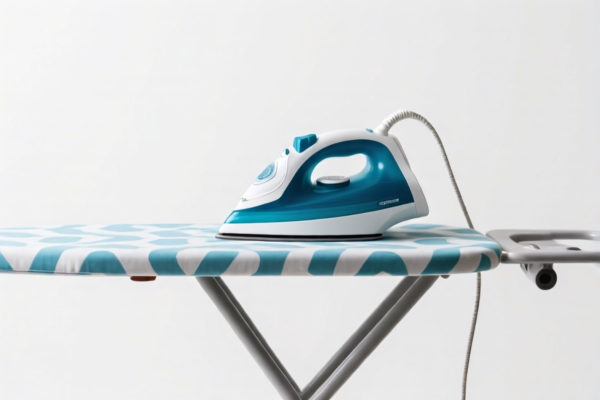
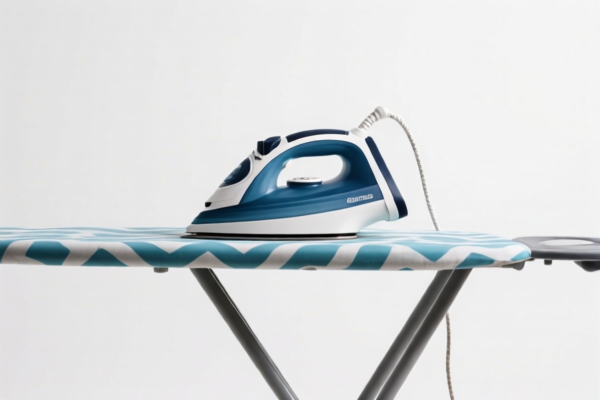
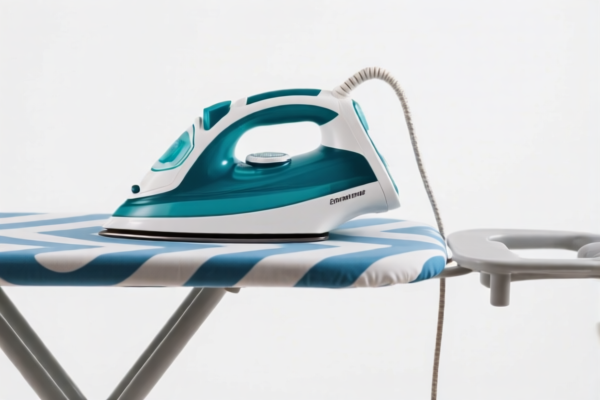
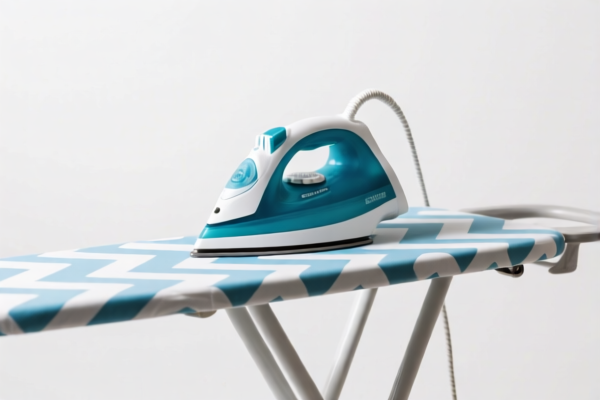
AI Analysis
🧺 Ironing Basket / Laundry Basket (Textile or Plastic Storage Solutions)
🌐 HS Code Reference & Customs Clearance Guide | 2026 Latest Tariff Analysis | Strategic Compliance Strategy
📌 I. Product Definition & Classification: Do You Really Know an "Ironing Basket"?
In international trade, the term "Ironing Basket" is often ambiguous. It generally refers to containers used for sorting, holding, or transporting laundry or ironing supplies. The critical factor for HS Code classification is the material and the specific function (storage vs. specialized ironing tool).
Based on the provided <DATA>, the "Ironing Basket" falls under two main categories depending on its construction material: Plastics or Iron/Steel.
⚠️ Key Distinction:
- If the basket is made of plastic and used for general household storage (laundry, toiletries, kitchenware), it falls under Chapter 39.
- If the basket is made of iron or steel and used for household purposes (laundry, ironing support), it falls under Chapter 73.
- Note: If the "basket" is a specialized ironing accessory (e.g., a cushion or board), it might fall under Chapter 63 (Textiles), but strictly based on the provided<DATA>, we focus on Plastic and Metal variants.
📦 II. HS Code Classification Details (2026 Latest Tariff Authority Comparison)
| HS Code | Product Description | Material | Applicable Scenario | Tax Profile (China Origin to US) |
|---|---|---|---|---|
| 3924.10.40.00 | Tableware, kitchenware, other household articles... of plastics: Tableware and kitchenware: Other | Plastic | Plastic laundry baskets, plastic ironing baskets, general household storage bins | Low Risk (3.4% Total) |
| 3924.90.56.50 | Tableware, kitchenware, other household articles... of plastics: Other: Other Other | Plastic | Specialized plastic household items not classified as tableware/kitchenware (e.g., decorative plastic baskets) | Medium Risk (10.9% Total) |
| 7323.99.90.80 | Table, kitchen or other household articles... of iron or steel: Other: Other... | Iron/Steel | Metal laundry baskets, wire ironing racks, steel household storage baskets (Not coated/plated with precious metal) | High Risk (78.4% Total) |
| 7323.94.00.80 | Table, kitchen or other household articles... of iron or steel: Other: Of iron (other than cast iron) or steel, enameled | Iron/Steel (Enameled) | Enamelled metal laundry baskets, coated steel household containers | Very High Risk (50.0% Total) |
🔍 Key Reminder:
- Plastic Baskets: Generally safer.3924.10.40.00is preferred if it can be argued as "other household article" similar to kitchenware. If deemed "other,"3924.90.56.50applies.
- Metal Baskets: Highly Sensitive. Both metal HS codes in the<DATA>carry significant Section 301 Additional Duties (25% or 50%) on top of base duties.
- Do not misclassify an iron basket as plastic to avoid duty evasion; this leads to severe penalties.
💰 III. 2026 Latest Tariff Rate Detailed Explanation
✅ Applicable Country: United States (US)
✅ Country of Origin: China (CN)
✅ Effective Time: Current trade war measures (Section 301 & IEEPA) are in effect.
🎯 1. 3924.10.40.00 —— Plastic Household Article (Tableware/Kitchenware-like)
| Item | Content |
|---|---|
| Base Duty Rate | 3.4% (ad valorem) |
| Additional Duty (Section 301) | 0.0% (No additional tariff listed in <DATA>) |
| Total Tax Rate | 3.4% |
| Tax Calculation | CIF Value × 3.4% |
| De Minimis Exemption | ❌ No (Subject to standard de minimis rules, but typically low value items may qualify under $800, but for commercial bulk, no). |
| Legal Basis Path | HTSUS 3924.10.40.00 |
📌 Explanation:
- This is the most cost-effective option if the product is plastic.
- The<DATA>explicitly states "Additional Tax: 0.0%".
- Strategy: Use this code if the basket is plastic and can be described as a "household article" comparable to kitchenware items.
🎯 2. 3924.90.56.50 —— Plastic Household Article (Other)
| Item | Content |
|---|---|
| Base Duty Rate | 3.4% (ad valorem) |
| Additional Duty (Section 301) | 7.5% (Additional tariff on "Other" plastic household goods) |
| Total Tax Rate | 10.9% |
| Tax Calculation | CIF Value × 10.9% |
| De Minimis Exemption | ❌ No |
| Legal Basis Path | HTSUS 3924.90.56.50 |
📌 Explanation:
- If the basket is plastic but not classified as tableware/kitchenware, this code applies.
- 10.9% is still manageable compared to metal options.
- Strategy: Only use if3924.10.40.00is not justified by the product's form.
🎯 3. 7323.99.90.80 —— Iron/Steel Household Article (Non-Enamelled)
| Item | Content |
|---|---|
| Base Duty Rate | 3.4% (ad valorem) |
| Additional Duty (Section 301) | 25.0% |
| Additional Duty (Steel/Aluminum/Copper Measure) | 50.0% (Specific to steel products) |
| Total Tax Rate | 78.4% |
| Tax Calculation | CIF Value × 78.4% |
| De Minimis Exemption | ❌ No |
| Legal Basis Path | HTSUS 7323.99.90.80 + Steel/Aluminum/Copper Surcharges |
📌 Explanation:
- Extremely High Cost!
- The<DATA>indicates a 50% surcharge specifically for "Steel, Aluminum, Copper Products" PLUS the standard 25% Section 301.
- 3.4% + 25% + 50% = 78.4%.
- Strategy: AVOID this HS Code if possible. Consider switching to plastic or wood materials.
🎯 4. 7323.94.00.80 —— Iron/Steel Household Article (Enamelled)
| Item | Content |
|---|---|
| Base Duty Rate | 0.0% (ad valorem) |
| Additional Duty (Section 301) | 0.0% (Base) |
| Additional Duty (Steel/Aluminum/Copper Measure) | 50.0% (Specific to steel products) |
| Total Tax Rate | 50.0% |
| Tax Calculation | CIF Value × 50.0% |
| De Minimis Exemption | ❌ No |
| Legal Basis Path | HTSUS 7323.94.00.80 + Steel/Aluminum/Copper Surcharges |
📌 Explanation:
- Even with a 0% base duty, the 50% steel surcharge makes it prohibitively expensive.
- 0% + 50% = 50%.
- Strategy: Still very high. Not recommended for commercial export to the US unless it's a niche, high-margin enameled product where plastic alternatives are impossible.
🛠️ IV. Customs Clearance Practical Advice (Real-World Pitfall Guide)
✅ 1. Preparation Checklist (Non-negotiable)
| Document | Must Provide | Explanation |
|---|---|---|
| ✅ Material Certificate | ✔️ | Crucial to prove if it's Plastic (Chapter 39) or Steel (Chapter 73). Misdeclaration leads to fraud allegations. |
| ✅ Product Photos | ✔️ | Show the basket's structure, material texture, and any coatings (e.g., enamel). |
| ✅ Commercial Invoice | ✔️ | Clearly state: "Plastic Laundry Basket" or "Steel Ironing Rack". |
| ✅ Customs Ruling (if available) | ✔️ | If you have a pre-existing HS code ruling, attach it. |
| ✅ Packing List | ✔️ | Ensure weight and dimensions match the declaration. |
✅ 2. Declaration Tips (Key Mantra)
🔥 "Material First, Function Second, Plastic Low, Steel High!"
| Scenario | Correct Declaration | Wrong Practice | Consequence |
|---|---|---|---|
| Plastic Basket | 3924.10.40.00 (if applicable) |
Declare as 7323.99.90.80 |
Overpaying 75% in duties! |
| Plastic Basket | 3924.90.56.50 |
Declare as 3924.10.40.00 without justification |
Risk of audit, but lower penalty than metal misclassification. |
| Steel Basket | 7323.94.00.80 (Enamelled) |
Declare as Plastic | Major Fraud, fines, seizure, and potential criminal charges. |
| Steel Basket | 7323.99.90.80 (Non-enamelled) |
Declare as 3924.10.40.00 |
Major Fraud, fines, seizure, and potential criminal charges. |
✅ 3. Special Considerations
| Situation | Handling Advice |
|---|---|
| Composite Materials (e.g., Plastic basket with Metal Handle) | If the metal handle is not essential to the function, classify as Plastic (3924). If the metal is the main component, classify as Steel (7323). Check GRI 3(b). |
| Enamelled Steel Basket | Ensure the enamel layer is uniform and durable. If it's just paint, it may not qualify for 7323.94. |
| Import from Non-China Origins | If the basket is made in Vietnam, Mexico, or EU, the 50% Steel Surcharge and 25% Section 301 may not apply. Verify Country of Origin carefully. |
| De Minimis ($800 Rule) | For single packages under $800, duties may be waived under Section 321, but Section 301 duties are NOT exempt for China-origin goods. Be aware of potential policy changes. |
🌍 V. Global Market Comparison (2026 Latest)
| Country/Region | Recommended HS Code | Tariff (China Origin) | Certification Requirements | Remarks |
|---|---|---|---|---|
| 🇺🇸 USA | 3924.10.40.00 (Plastic) |
3.4% | No special certs | Best option for plastic. |
| 🇺🇸 USA | 7323.94.00.80 (Steel) |
50.0% | No special certs | High cost, avoid if possible. |
| 🇨🇳 China | 3924.10.40.00 |
5% | No special certs | Low duty for domestic trade. |
| 🇪🇺 EU | 3924.10.40.00 |
6.5% | CE (if relevant) | No Section 301 equivalent. |
| 🇬🇧 UK | 3924.10.40.00 |
6.5% | UKCA | Post-Brexit alignment with EU. |
📌 Conclusion:
- Plastic baskets are the safest bet for exporting to the US due to low tariffs.
- Steel baskets face punitive tariffs (50-78.4%) due to steel/aluminum surcharges and Section 301.
- Consider material substitution: Switching from steel to plastic can reduce costs by ~50-75%.
📌 VI. Common Errors & Pitfall Guide (Blood Lessons)
❌ Error 1: Declaring a Steel Basket as Plastic to save duty
👉 Consequence: Customs inspection will detect the metal content. Fines, penalties, and seizure.
❌ Error 2: Ignoring the "Steel Surcharge" for metal goods
👉 Consequence: Even with 0% base duty, the 50% surcharge applies. Budgeting errors lead to negative margins.
❌ Error 3: Misclassifying Enamelled vs. Non-Enamelled Steel
👉 Consequence: 7323.94.00.80 (0% base) vs. 7323.99.90.80 (3.4% base). Both have 50% surcharge, so the difference is minimal, but accuracy is key for compliance.
❌ Error 4: Using "Ironing Basket" as the only description
👉 Consequence: Customs may not understand the material. Always specify: "Plastic Laundry Basket" or "Steel Wire Ironing Rack".
✅ Correct Practice:
"Plastic Household Storage Basket, Laundry/Ironing, Model XYZ, 100% PP Plastic"
OR
"Enamelled Steel Laundry Basket, Household Use, Model ABC, Steel Base"
🎯 VII. Conclusion: Smart Classification, Cost Efficiency
🎯 Remember the Mantra:
🔹 "Plastic Low, Steel High, Material is King!"
🔹 "HS Code Determines Profit, 50% Steel Tax is a Killer!"
📌 Tip:
If your Ironing Basket is made of wood, bamboo, or textile, it may fall under Chapter 44 (Wood) or Chapter 63 (Textiles), which do not carry the 50% Steel Surcharge or 25% Section 301 (depending on the specific HTS).
Recommendation: Evaluate alternative materials to avoid the steel/plastic tax traps.
📣 Immediate Action:
📞 Contact a professional customs broker + Provide Material Test Report + Apply for HS Code Advance Ruling
🚀 Let your "Ironing Basket" clear smoothly, minimize costs, and maximize profits!
✨ Professional Clearance Starts with Accurate Classification!
💼 Every Cent of Cost is Worth Precise Calculation!
Customer Reviews
About HS Code Classification
The Harmonized System (HS) is an internationally standardized nomenclature developed by the World Customs Organization (WCO) to classify traded products. Over 200 countries use the HS system as the basis for customs tariffs, trade statistics, and import/export regulations.
Each HS code follows a hierarchical structure:
- Chapter (2 digits) — Broad category of goods (e.g., Chapter 84: Machinery and Mechanical Appliances)
- Heading (4 digits) — More specific grouping within the chapter
- Subheading (6 digits) — Internationally standardized breakdown, used by all WCO member countries
- National subdivisions (8-10 digits) — Country-specific extensions for further classification, such as US HTSUS 10-digit codes
Correct HS code classification is essential for smooth customs clearance, accurate duty payment, and compliance with trade regulations. Misclassification can lead to customs delays, overpayment of duties, or penalties.
When importing from CN to US, the applicable tariff rates may include:
- Most-Favored-Nation (MFN) rate — The standard duty rate applied to WTO members
- General rate — Applied to countries without trade agreements
- Trade remedy duties — Additional tariffs such as Section 301 (anti-dumping), Section 232 (national security), or countervailing duties
The information provided on this page is for reference purposes only. For official classification, please consult with your local customs authority or a licensed customs broker.