Isobutylene Isoprene Butyl Rubber Mixture
CN → US| HS Code | Tariff Rate | Origin | Destination | Doc |
|---|---|---|---|---|
| 4002390000 | 35.0% | CN | US | Official Doc |
| 4014905000 | 14.2% | CN | US | Official Doc |
| 4016931020 | 37.5% | CN | US | Official Doc |
| 4016935020 | 37.5% | CN | US | Official Doc |
| 4002310000 | 35.0% | CN | US | Official Doc |
Product Images
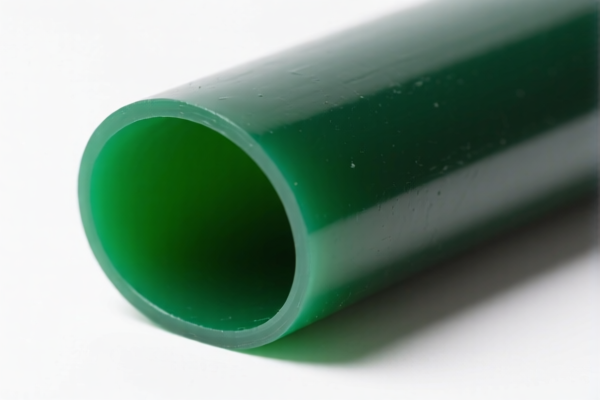
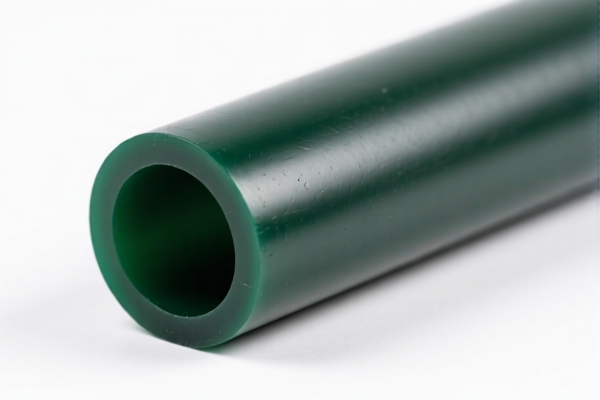
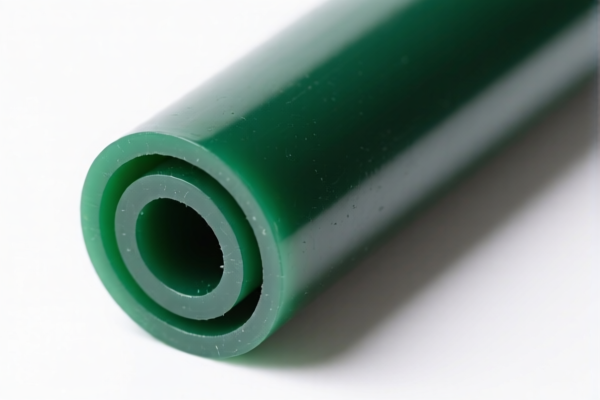
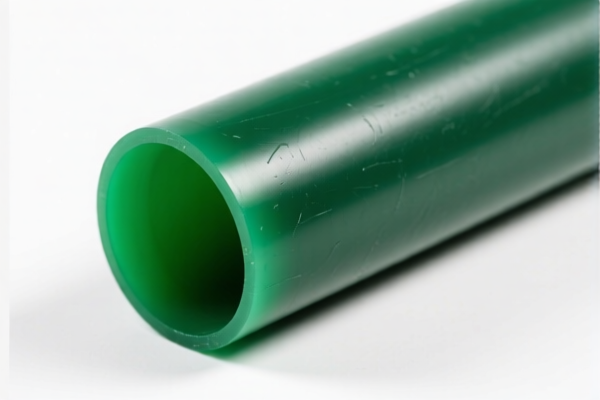
AI Analysis
🛡️ Isobutylene Isoprene Butyl Rubber Mixture (Butyl Rubber Seals)
🌐 HS Code Reference & Customs Clearance Guide | 2026 Latest Tariff Full Analysis | Professional Clearance Strategy
📌 One. Product Definition and Classification: Do You Really Understand "Butyl Rubber Seals"?
Isobutylene-isoprene rubber (commonly known as Butyl Rubber) is a synthetic rubber with excellent gas impermeability, heat resistance, and chemical stability. In international trade, "Butyl Rubber Mixtures" or finished "Seals" are classified based on their state (raw material vs. vulcanized) and specific application.
In the provided data, these products are primarily identified as Butyl Rubber Seals. The classification hinges on whether they are: 1. Raw/Unvulcanized Mixtures: Classified under Chapter 40.02. 2. Vulcanized Finished Goods: Classified under Chapter 40.14 (Medical/Hygiene related) or Chapter 40.16 (General Rubber Articles/Seals).
⚠️ Key Distinction Point:
- If the product is a vulcanized rubber seal used for hygiene/medical consumables → 4014.90.50.00
- If the product is a general vulcanized rubber seal (not for medical/hygiene) → 4016.93.xx.xx
- If the product is unvulcanized rubber compound/mixture (functional component) → 4002.3x.00.00
📦 Two. HS Code Classification Details (2026 Latest Tariff Authoritative Comparison)
Based on the provided, here are the specific HS Codes, summaries, and tax implications for Isobutylene-Isoprene Butyl Rubber mixtures/seals:
| HS Code | Product Summary | Application/Context | Tax Rate |
|---|---|---|---|
4002.31.00.00 |
Butyl Rubber Seals, Isobutylene-isoprene (Butyl) rubber, classified as functional components. | Unvulcanized mixtures or functional rubber compounds. | 35.0% |
4002.39.00.00 |
Butyl Rubber Seals, Material: Isobutylene-isoprene (Butyl) rubber, categorized as other articles. | Other unvulcanized or semi-finished rubber mixtures. | 35.0% |
4014.90.50.00 |
Butyl Rubber Seals, Vulcanized rubber, used for consumables/accessories related to hygiene or medical supplies. | Medical/Dental seals, hygiene product components. | 14.2% |
4016.93.10.20 |
Butyl Rubber Seals, Vulcanized rubber articles, meeting the definition of seals. | General industrial seals, gaskets, O-rings. | 37.5% |
4016.93.50.20 |
Butyl Rubber Seals, Classified as other seals based on consistency of material and use. | Other vulcanized rubber seals not specified elsewhere. | 37.5% |
🔍 Key Reminder:
- Medical/Hygiene vs. General Use: The biggest tax difference lies between 4014.90.50.00 (14.2%) and 4016.93.xx.xx (37.5%). If your butyl seal is part of a medical or hygiene device/consumer, it may qualify for the lower tax rate under 4014. - Unvulcanized vs. Vulcanized: Raw mixtures (4002) and general seals (4016) carry higher tariffs (35-37.5%) compared to medical-related seals.
💰 Three. Detailed Explanation of 2026 Latest Tariff Rates (Including Surtaxes and Policy Add-ons)
✅ Applicable Country: United States (US)
✅ Origin: China (CN)
✅ Effective Time: Current 2026 Tariff Structure (Including subsequent imports)
🎯 1. 4002.31.00.00 & 4002.39.00.00 —— Butyl Rubber Mixtures (Unvulcanized/Functional)
| Item | Content |
|---|---|
| Base Tariff | 0.0% (ad valorem) |
| USITC Surtax (Section 301) | +25.0% |
| IEEPA Surtax (Section 122) | +10.0% |
| Total Tax Rate | 35.0% |
| Tax Calculation | CIF Value × 35% |
| De Minimis Eligibility | ❌ Not Eligible (High tax rate typically blocks de minimis benefits for direct US-China imports if declared as subject goods) |
| Legal Path | USITC:4002.39.00.00 → FOOTNOTE:301 (25%) + IEEPA:122 (10%) |
📌 Explanation:
- Although the Base Tariff is 0%, the Section 301 surtax (25%) and Section 122 surtax (10%) bring the total to 35%. - This applies to raw butyl rubber compounds or unvulcanized mixtures.
🎯 2. 4014.90.50.00 —— Medical/Hygiene Related Butyl Rubber Seals
| Item | Content |
|---|---|
| Base Tariff | 4.2% |
| USITC Surtax (Section 301) | 0.0% (Exempt or not applicable in this specific data set) |
| IEEPA Surtax (Section 122) | +10.0% |
| Total Tax Rate | 14.2% |
| Tax Calculation | CIF Value × 14.2% |
| De Minimis Eligibility | ⚠️ Check Specifics (Lower total rate may allow for different handling, but always verify current de minimis thresholds) |
| Legal Path | USITC:4014.90.50.00 → IEEPA:122 (10%) |
📌 Key Advantage:
- This is the lowest tax option (14.2%) among the listed codes. - Crucial Condition: The product must be demonstrably used in hygiene or medical supplies/consumables. Proper documentation is key.
🎯 3. 4016.93.10.20 & 4016.93.50.20 —— General Vulcanized Rubber Seals
| Item | Content |
|---|---|
| Base Tariff | 2.5% |
| USITC Surtax (Section 301) | +25.0% |
| IEEPA Surtax (Section 122) | +10.0% |
| Total Tax Rate | 37.5% |
| Tax Calculation | CIF Value × 37.5% |
| De Minimis Eligibility | ❌ Not Eligible |
| Legal Path | USITC:4016.93.10.20 → FOOTNOTE:301 (25%) + IEEPA:122 (10%) |
📌 Explanation:
- General-purpose butyl rubber seals (O-rings, gaskets, etc.) fall under Chapter 40.16. - They bear the full brunt of both Section 301 (25%) and Section 122 (10%) surtaxes on top of the base rate, resulting in the highest effective rate (37.5%).
🛠️ Four. Customs Clearance Practical Advice (Real-World Pitfall Avoidance Guide)
✅ 1. Required Document Checklist (None Are Optional)
| Document | Must Provide | Explanation |
|---|---|---|
| ✅ Product Spec Sheet | ✔️ | Must clearly state: "Isobutylene-Isoprene Rubber," "Vulcanized/Unvulcanized," "Hardness," "Dimension." |
| ✅ Intended Use Statement | ✔️ | Critical for 4014.90.50.00. Must state: "Used for medical device component X" or "Hygiene product seal." |
| ✅ Composition Certificate | ✔️ | Proof of Isobutylene-Isoprene content to justify Chapter 40.02 or 40.16 classification. |
| ✅ Commercial Invoice | ✔️ | Must match the HS Code description exactly. Do not use vague terms like "Rubber Piece." |
| ✅ Packing List | ✔️ | Show unit weight and quantity. |
| ✅ Origin Certificate | ✔️ | Essential for proving China origin to apply/surcharge accurately. |
✅ 2. Declaration Tips (Key Mantra)
🔥 "Medicinal Seals Low Tax, General Seals High Tax; Raw Mix is Base Zero, Plus Surtax is Heavy!"
| Situation | Correct Declaration Strategy | Error to Avoid |
|---|---|---|
| Seal for Medical Device | Declare as 4014.90.50.00. Provide end-use proof. | Declaring as general seal (4016) → Paying 37.5% instead of 14.2%. |
| General Industrial Gasket | Declare as 4016.93.xx.xx. | Trying to force medical classification → Fraud/Seizure Risk. |
| Raw Butyl Rubber Compound | Declare as 4002.3x.00.00. | Declaring as finished seal → Wrong Chapter. |
| Mixed Shipment | Separate invoices for Medical vs. General parts. | Mixing medical and general parts → Customs Audit/Delay. |
✅ 3. Special Circumstances Handling
| Situation | Handling Advice |
|---|---|
| OEM Custom Seals | Provide the end-product manual showing the rubber seal's role in a medical/hygiene device to support 4014.90.50.00. |
| Ambiguous Use | If the seal can be used for both medical and industrial purposes, the higher tax rate (37.5%) is often applied unless proven otherwise. |
| Section 122/301 Exemptions | Check if your specific HTS code was excluded from Section 301 in previous years (though data shows 25% here). |
🌍 Five. Global Main Market Customs Clearance Comparison (2026 Latest)
| Country/Region | Recommended HS Code | Tariff Rate (Est.) | Certification Requirements | Notes |
|---|---|---|---|---|
| 🇺🇸 United States | 4014.90.50.00 (If Medical) |
14.2% | FDA Registration (if applicable) | Best Option if medical use is proven. |
| 🇺🇸 United States | 4016.93.xx.xx (General) |
37.5% | None specific | High cost due to 301+122 tariffs. |
| 🇨🇳 China | 4014.90.50.00 |
~2-4% | N/A | Lower base tariffs. |
| 🇪🇺 European Union | 4016.93.90 |
0-2.7% | REACH | No Section 301/122. |
| 🇯🇵 Japan | 4016.93.00 |
3.5-6.0% | PSE (if electrical adj) | Moderate rates. |
📌 Conclusion:
- The US market is heavily penalized for general rubber goods from China due to combined surtaxes. - Strategic Move: If your butyl rubber seals are used in hygiene or medical products, aggressively pursue the 4014.90.50.00 classification to save 23.3% in taxes (37.5% - 14.2%).
📌 Six. Common Mistakes & Pitfall Guide (Lessons from Blood and Tears)
❌ Mistake 1: Declaring medical seals as "General Rubber Seals"
👉 Consequence: Overpaying 23.3% in additional tariffs.
👉 Solution: Clearly label packaging and invoice as "Medical/Hygiene Component."
❌ Mistake 2: Using vague descriptions like "Rubber Gasket"
👉 Consequence: Customs ambiguity, potential reclassification to higher-tariff items, delays.
👉 Solution: Use precise HS Code language: "Vulcanized Isobutylene-Isoprene Rubber Seal for Medical Device."
❌ Mistake 3: Ignoring Section 122 (IEEPA) and 301 (USITC) implications
👉 Consequence: Budgeting errors, unexpected costs at port.
👉 Solution: Always calculate CIF + Base + 301 + 122.
✅ Correct Practice:
"Butyl Rubber Seal (Isobutylene-Isoprene), Vulcanized, for Use in Disposable Hygiene Products, HS 4014.90.50.00"
🎯 Seven. Conclusion: Professional Declaration, Save Money, Increase Efficiency!
🎯 Remember the Mantra:
🔹 "Medical Seals 14%, General Seals 37.5%; Raw Mix 35%, Base 0% with Surtaxes!"
🔹 "HS Code Dictates Tax; One Step Wrong, Thousands Lost!"
📌 Pro Tip:
If your product qualifies for 4014.90.50.00, ensure your Supply Chain Documentation (End-Use Certificates, Technical Manuals) supports this claim.
Recommend applying for an Advance Ruling (Pre-classification) if you are unsure about the "Medical/Hygiene" classification status.
📣 Immediate Action:
📞 Contact a professional customs broker
📄 Prepare End-Use Proof for Medical/Hygiene Claims
🚀 Clear Customs Efficiently, Maximize Profit Margins!
✨ Professional Clearance Starts with Precise Classification!
💼 Every Cent of Cost Deserves Exact Calculation!
Customer Reviews
About HS Code Classification
The Harmonized System (HS) is an internationally standardized nomenclature developed by the World Customs Organization (WCO) to classify traded products. Over 200 countries use the HS system as the basis for customs tariffs, trade statistics, and import/export regulations.
Each HS code follows a hierarchical structure:
- Chapter (2 digits) — Broad category of goods (e.g., Chapter 84: Machinery and Mechanical Appliances)
- Heading (4 digits) — More specific grouping within the chapter
- Subheading (6 digits) — Internationally standardized breakdown, used by all WCO member countries
- National subdivisions (8-10 digits) — Country-specific extensions for further classification, such as US HTSUS 10-digit codes
Correct HS code classification is essential for smooth customs clearance, accurate duty payment, and compliance with trade regulations. Misclassification can lead to customs delays, overpayment of duties, or penalties.
When importing from CN to US, the applicable tariff rates may include:
- Most-Favored-Nation (MFN) rate — The standard duty rate applied to WTO members
- General rate — Applied to countries without trade agreements
- Trade remedy duties — Additional tariffs such as Section 301 (anti-dumping), Section 232 (national security), or countervailing duties
The information provided on this page is for reference purposes only. For official classification, please consult with your local customs authority or a licensed customs broker.