Ivory Soap
CN → US| HS Code | Tariff Rate | Origin | Destination | Doc |
|---|---|---|---|---|
| 3401111000 | 35.0% | CN | US | Official Doc |
| 3307900000 | 40.4% | CN | US | Official Doc |
| 3401115000 | 35.0% | CN | US | Official Doc |
| 3307305000 | 39.9% | CN | US | Official Doc |
| 3401111000 | 35.0% | CN | US | Official Doc |
Product Images
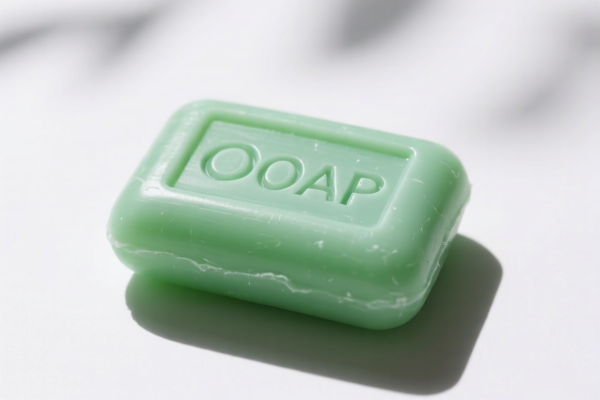
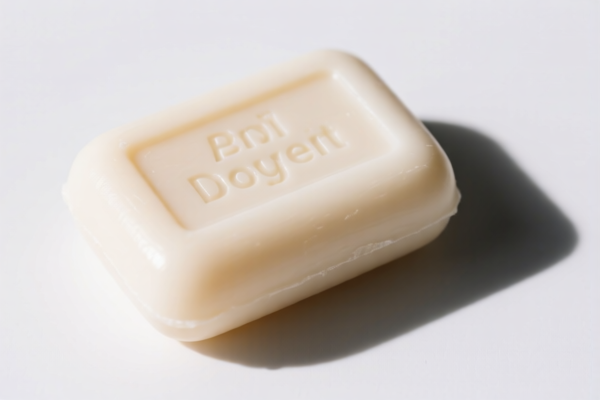
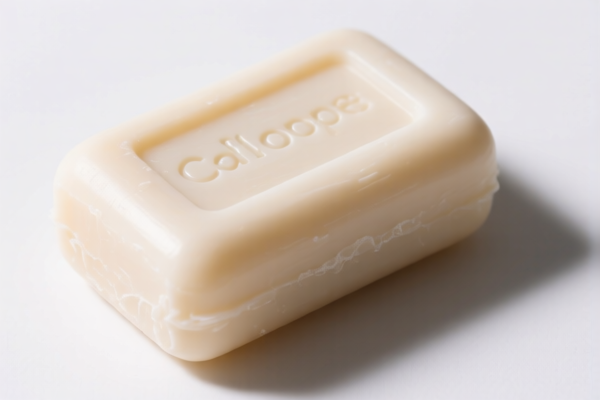

AI Analysis
🧼 Ivory Soap (Classic Beauty Bar)
🌐 HS Code Reference & Customs Clearance Guide | 2026 Latest Tariff Analysis | Professional Compliance Strategy
📌 I. Product Definition & Classification: What is "Ivory Soap"?
Ivory Soap is a well-known brand of beauty bar and hand soap. In international trade, its classification depends on its primary function and composition. It is primarily used for washing skin and removing dirt, falling under the categories of Soaps or Preparations for Bathing/Toiletries. The term "Ivory" refers to the brand name or fragrance profile and does not imply the material is made of elephant ivory (which is strictly prohibited).
⚠️ Key Distinction:
- If the product is primarily solid soap with cleansing properties → Classified under Chapter 34 (Soaps)
- If the product is primarily a toiletry/bath preparation with specific cosmetic additives → Classified under Chapter 33 (Perfumes & Cosmetics)
📦 II. HS Code Classification Details (2026 Latest Tariff Authority对照)
| HS Code | Product Description | Scenario | Tax Rate |
|---|---|---|---|
3401.11.10.00 |
Soap in the form of bars or cakes, containing medicinal substances or other added substances (non-medicated/cosmetic) | Standard Ivory Beauty Bar, classic cleansing | 35.0% |
3307.90.00.00 |
Other preparations for bathing, grooming, cleaning, etc. | Bath salts, bubble bath, or specific toiletry preparations | 40.4% |
3401.11.50.00 |
Other soaps and organic surface-active products for use as soap | Soaps not specified elsewhere, generic cleansing bars | 35.0% |
3307.30.50.00 |
Perfumed preparations and preparations for baths | Bath preparations, perfumed soaps (toiletry category) | 39.9% |
🔍 Critical Reminder:
- Chapter 34 (3401) is generally preferred for standard solid soap bars intended for cleansing. - Chapter 33 (3307) is for toiletry/bath preparations (e.g., liquid bath foams, specific cosmetic treatments). - "Ivory" is treated as a brand or scent, not a restricted animal product.
💰 III. 2026 Latest Tariff Rate Breakdown (Including Additional Duties)
✅ Applicable Country: United States (US)
✅ Origin: China (CN)
✅ Effective Date: From Nov 10, 2025 (and subsequent imports)
🎯 1. 3401.11.10.00 & 3401.11.50.00 —— Soaps (Cleansing Bars)
| Item | Details |
|---|---|
| Base Tariff | 0.0% (ad valorem) |
| USITC Additional Duty | +25% (Section 301 Tariff) |
| IEEPA Additional Duty | +10% (China/HK products, effective Nov 10, 2025) |
| Total Tariff | 35.0% |
| Calculation | CIF Value × 35.0% |
| De Minimis Exemption | ❌ Not Eligible (deny_de_minimis) |
| Legal Basis Path | IEEPA:9903.01.25 → USITC:3401.11.10.00 → FOOTNOTE:9903.88.01 |
📌 Explanation:
- The 25% USITC tariff applies to many goods of Chinese origin under Section 301. - The 10% IEEPA tariff is an additional layer for Chinese imports. - Total 35% is significant. Clear this as "Soap" under Chapter 34 to avoid the higher Chapter 33 rates if applicable.
🎯 2. 3307.90.00.00 —— Other Bath/Toiletry Preparations
| Item | Details |
|---|---|
| Base Tariff | 5.4% |
| USITC Additional Duty | +25% |
| IEEPA Additional Duty | +10% |
| Total Tariff | 40.4% |
| Calculation | CIF Value × 40.4% |
| De Minimis Exemption | ❌ Not Eligible |
| Legal Basis Path | IEEPA:9903.01.25 → USITC:3307.90.00.00 |
📌 Note:
- If misclassified as a "toiletry preparation" instead of "soap," the base tariff jumps from 0% to 5.4%, increasing the total burden. - Solid bars are typically better classified under 3401.
🎯 3. 3307.30.50.00 —— Perfumed Bath Preparations
| Item | Details |
|---|---|
| Base Tariff | 4.9% |
| USITC Additional Duty | +25% |
| IEEPA Additional Duty | +10% |
| Total Tariff | 39.9% |
| Calculation | CIF Value × 39.9% |
| De Minimis Exemption | ❌ Not Eligible |
| Legal Basis Path | IEEPA:9903.01.25 → USITC:3307.30.50.00 |
📌 Note:
- Even if the soap is "Ivory Scented," if it functions primarily as a cleansing soap bar, 3401.11.10.00 (35%) is cheaper than 3307.30.50.00 (39.9%).
🛠️ IV. Customs Clearance Practical Advice (Avoid Pitfalls)
✅ 1. Required Documentation Checklist
| Document | Mandatory | Notes |
|---|---|---|
| ✅ Product Specification Sheet | ✔️ | Must state: Solid bar, weight, ingredients (fatty acids, lye, fragrance) |
| ✅ Commercial Invoice | ✔️ | Clear description: "Ivory Brand Beauty Soap, for Skin Cleansing" |
| ✅ Certificate of Origin (CO) | ✔️ | If originating from China, confirm origin to apply correct tariffs |
| ✅ Ingredients List | ✔️ | To prove it does not contain elephant ivory or other restricted materials |
| ✅ Packaging Photos | ✔️ | Show branding, weight, and usage instructions |
✅ 2. Declaration Tips (Crucial for Cost Savings)
🔥 “Declare as Soap, Not Perfume, to Save 5%!”
| Scenario | Correct Declaration | Incorrect Declaration |
|---|---|---|
| Solid Ivory Beauty Bar | 3401.11.10.00 (35%) |
3307.90.00.00 (40.4%) → Overpay by 5.4% base |
| Liquid Ivory Body Wash | 3307.30.50.00 or 3401.30.xx |
3401.11.10.00 (Incorrect form factor) |
| Gift Set (Soap + Lotion) | Main Item Rule: If soap is dominant, classify as soap | Split incorrectly → Risk of audit |
📌 Key Point:
- Ensure the description emphasizes "Cleansing" and "Soap" rather than "Fragrance" or "Perfume" to justify Chapter 34 classification. - Do NOT use the word "Ivory" in a way that suggests animal material. Use "Brand Name: Ivory" or "Scent: Ivory."
✅ 3. Special Cases
| Case | Handling Advice |
|---|---|
| OEM/Private Label | Provide contract showing it is a "Soap" for cleansing. |
| Medicated Soap | If it has drug claims, it may fall under FDA drugs (different HS), not just soap. |
| Small Gifts (De Minimis) | ❌ Cannot use de minimis (Section 321) for China-origin goods under $800 if subject to Section 301/IEEPA tariffs. All shipments are taxable. |
🌍 V. Global Market Comparison (2026)
| Country/Region | Recommended HS Code | Tariff (China Origin) | Certification | Notes |
|---|---|---|---|---|
| 🇺🇸 USA | 3401.11.10.00 |
35.0% | FDA (if drug claims), CPC | High tariffs due to Section 301 + IEEPA |
| 🇨🇳 China | 3401.11.10.00 |
0-5% | CCC (if applicable) | Lower base tariffs, no Section 301 |
| 🇪🇺 EU | 3401.11.10.00 |
~6.5% | CPNP (Cosmetic Notification) | No Section 301, but strict cosmetic regulations |
| 🇬🇧 UK | 3401.11.10.00 |
~6.5% | UKCPNP | Post-Brexit rules apply |
| 🇨🇦 Canada | 3401.11.10.00 |
~0-5% | Health Canada | Favorable CUSMA terms |
📌 Conclusion:
- USA is the most expensive market due to 35% total tariff. - EU/UK/Canada have significantly lower base tariffs but strict cosmetic safety regulations.
📌 VI. Common Errors & Pitfalls (Lessons Learned)
❌ Mistake 1: Classifying as "Perfume" (3307) when it's a "Soap" (3401)
👉 Consequence: Pay 40.4% instead of 35%. Unnecessary cost increase.
❌ Mistake 2: Using "Ivory" in description without clarifying it's a brand
👉 Consequence: Customs may flag for illegal wildlife product suspicion → Seizure & Audit.
✅ Fix: Describe as "Soap, Beauty Bar, Brand: Ivory, Scent: Ivory"
❌ Mistake 3: Assuming small shipments are duty-free
👉 Consequence: De Minimis (Section 321) does NOT apply to Chinese goods subject to Section 301/IEEPA. All shipments are taxed.
✅ Correct Practice:
"Ivory Brand Beauty Soap, 130g, Solid Bar, for Skin Cleansing, Brand: Ivory, Made in China"
🎯 VII. Conclusion: Precise Classification, Maximize Profit!
🎯 Key Takeaway:
🔹 "Soap is 35%, Toiletry is 40%+. Declare correctly to save 5%."
🔹 "No De Minimis for China. Pay tariffs upfront."
🔹 "Brand ≠ Material. Clarify 'Ivory' is a name, not ivory."
📌 Pro Tip:
If you are importing large volumes, consider Advance Rulings with CBP to confirm the HS Code classification before shipment. This provides legal certainty and prevents surprise duties.
📣 Immediate Action:
📞 Contact your customs broker
📄 Prepare specs proving it is a "Soap" (Chapter 34)
🚀 Clear your Ivory Soap shipments efficiently and profitably!
✨ Professional Clearance, Starts with Accurate Classification!
💼 Every percentage point counts in global trade!
Customer Reviews
About HS Code Classification
The Harmonized System (HS) is an internationally standardized nomenclature developed by the World Customs Organization (WCO) to classify traded products. Over 200 countries use the HS system as the basis for customs tariffs, trade statistics, and import/export regulations.
Each HS code follows a hierarchical structure:
- Chapter (2 digits) — Broad category of goods (e.g., Chapter 84: Machinery and Mechanical Appliances)
- Heading (4 digits) — More specific grouping within the chapter
- Subheading (6 digits) — Internationally standardized breakdown, used by all WCO member countries
- National subdivisions (8-10 digits) — Country-specific extensions for further classification, such as US HTSUS 10-digit codes
Correct HS code classification is essential for smooth customs clearance, accurate duty payment, and compliance with trade regulations. Misclassification can lead to customs delays, overpayment of duties, or penalties.
When importing from CN to US, the applicable tariff rates may include:
- Most-Favored-Nation (MFN) rate — The standard duty rate applied to WTO members
- General rate — Applied to countries without trade agreements
- Trade remedy duties — Additional tariffs such as Section 301 (anti-dumping), Section 232 (national security), or countervailing duties
The information provided on this page is for reference purposes only. For official classification, please consult with your local customs authority or a licensed customs broker.