Jack Support Pad
CN → US| HS Code | Tariff Rate | Origin | Destination | Doc |
|---|---|---|---|---|
| 4016996010 | 37.5% | CN | US | Official Doc |
| 7326190080 | 87.9% | CN | US | Official Doc |
| 7326908688 | 87.9% | CN | US | Official Doc |
| 4016990500 | 20.9% | CN | US | Official Doc |
| 7326908688 | 87.9% | CN | US | Official Doc |
Product Images
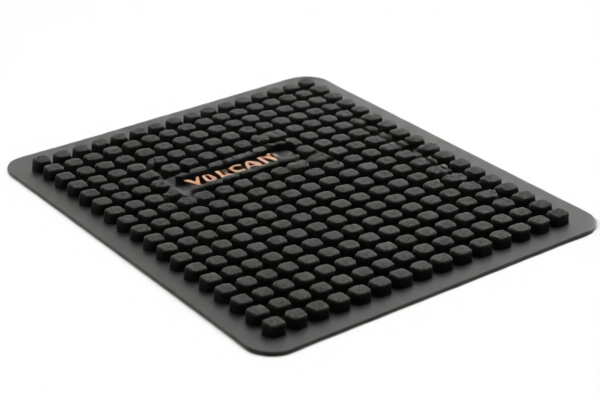
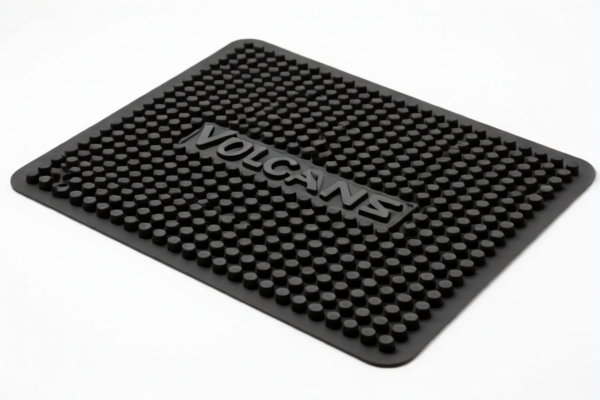
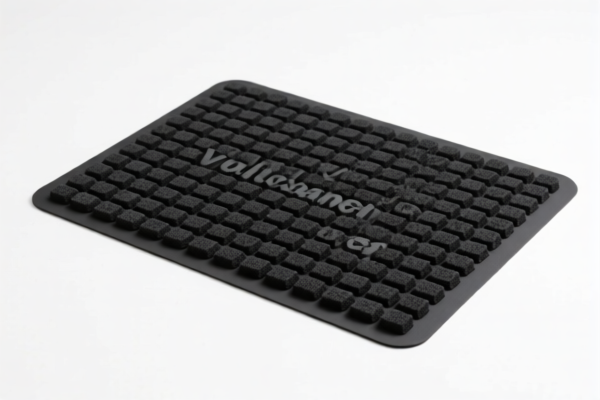
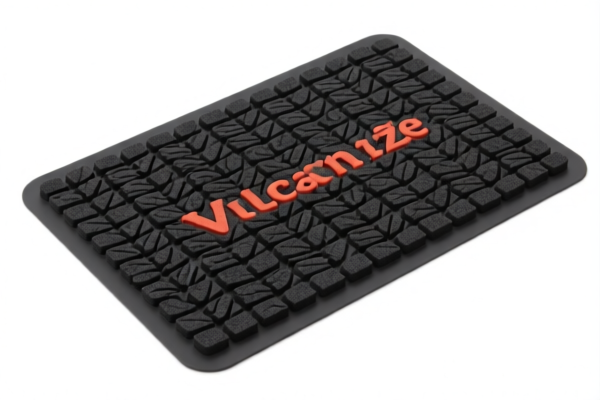
AI Analysis
🛑 Jack Support Pad: The Tariff Trap! 📉💸
🌐 HS Code Reference & Customs Clearance Guide | 2026 Latest Tariff Analysis | Professional Strategy
📌 I. Product Definition: What Exactly Is a "Jack Support Pad"?
A "Jack Support Pad" is a critical component used in lifting operations (automotive jacks, hydraulic jacks, or industrial lifting equipment). Its primary function is to distribute the load, prevent slippage, and protect the vehicle or object being lifted from surface damage.
⚠️ CRITICAL DISTINCTION:
In US Customs classification, the material MAKES the difference.
- If made of Rubber → It is an accessory/part of a machine → Lower Tariff
- If made of Steel/Iron → It is a general manufactured metal product → Extremely High Tariff
📦 II. HS Code Classification Matrix (2026 Latest Tariff Rules)
| HS Code | Material | Classification Logic | Total Tariff Rate |
|---|---|---|---|
| 4016.99.60.10 | 🟤 Rubber | Sulfated rubber products. Classified as "Other" accessories/parts for jacks. | 37.5% |
| 7326.19.00.80 | ⚪ Steel | Steel plates/pads. Classified as "Other" steel articles/accessories. | 87.9% |
| 7326.90.86.88 | ⚪ Steel | Iron/Steel other articles. Classified as "Other" support tools/frames. | 87.9% |
| 4016.99.05.00 | 🟤 Rubber | Other vulcanized rubber articles. General household/support use. | 20.9% |
| 7326.90.86.88 | ⚪ Steel | Other steel articles (non-specific). No specific list for "jack pads." | 87.9% |
🔍 Key Insight:
- Rubber Pads (4016 series): Treated as parts/accessories of lifting machinery.
- Steel Pads (7326 series): Treated as generic metal goods, triggering maximum punitive tariffs.
- The Tariff Gap: 67% difference! (87.9% vs 20.9%).
- Misclassification Risk: If you ship steel pads but declare them as rubber, Customs will detain, inspect, and fine you.
💰 III. 2026 Detailed Tariff Breakdown (US Market)
✅ Applicable Country: United States (US)
✅ Origin: China (CN)
✅ Effective Date: Current rates as of 2026
🎯 1. Rubber Jack Pads (Lowest Risk)
A. 4016.99.60.10 – Other Sulfated Rubber Parts
| Item | Details |
|---|---|
| Base Duty | 2.5% |
| Section 301 Tariff | 25.0% |
| Section 122 Tariff | 10.0% |
| Total Rate | 37.5% |
| Calculation | CIF Value × 37.5% |
| De Minimis | ❌ Not Applicable |
📌 Explanation:
- This code captures rubber pads specifically used as parts/accessories for jacks.
- Subject to Section 301 (25%) and Section 122 (10%) penalties.
- Still significantly cheaper than steel.
B. 4016.99.05.00 – Other Vulcanized Rubber Articles
| Item | Details |
|---|---|
| Base Duty | 3.4% |
| Section 301 Tariff | 7.5% |
| Section 122 Tariff | 10.0% |
| Total Rate | 20.9% |
| Calculation | CIF Value × 20.9% |
| De Minimis | ❌ Not Applicable |
📌 Explanation:
- This is a fallback category for rubber pads if they are not strictly "parts" but general support items.
- Lowest effective rate for rubber products.
- Lower Section 301 rate (7.5% vs 25%) makes this the optimal code IF the product qualifies.
🎯 2. Steel Jack Pads (Highest Risk)
A. 7326.19.00.80 & 7326.90.86.88 – Steel Articles
| Item | Details |
|---|---|
| Base Duty | 2.9% |
| Section 301 Tariff | 25.0% |
| Section 122 Tariff | 10.0% |
| Section 232 Tariff (Steel) | 50.0% |
| Total Rate | 87.9% |
| Calculation | CIF Value × 87.9% |
| De Minimis | ❌ Not Applicable |
📌 Explanation:
- Section 232 Tariff (50%): Applied to all steel/aluminum/copper products under US national security grounds.
- Section 301 (25%) + Section 122 (10%): Additional punitive tariffs on Chinese goods.
- Result: A near-prohibitive tariff that erodes almost all profit margins.
- Note: Both7326.19.00.80and7326.90.86.88have the same total rate.
🛠️ IV. Customs Clearance Strategy & Pitfalls
✅ 1. Documentation Checklist (Mandatory)
| Document | Requirement | Reason |
|---|---|---|
| Product Spec Sheet | ✔️ Must state Material Composition (e.g., "Sulfated Rubber" or "Carbon Steel") | Determines HS Code |
| Material Test Report | ✔️ ISO/ASTM certificate for rubber or steel grade | Proves material identity |
| Product Photos | ✔️ Close-up of texture, surface, and any embossed logos | Rubber vs. Steel is visually distinct |
| Commercial Invoice | ✔️ Describe as "Rubber Support Pad for Jack" or "Steel Lifting Pad" | DO NOT use generic "Pad" |
| Packing List | ✔️ Itemized weight/volume | Avoids bulk misclassification |
✅ 2. Classification Strategy (Pro Tips)
🔥 "Know Your Material, Know Your Rate!"
| Scenario | Recommended HS Code | Why? |
|---|---|---|
| Rubber Pad + Explicit "Part of Jack" | 4016.99.60.10 |
Strong link to machinery parts; 37.5% |
| Rubber Pad + General Support Use | 4016.99.05.00 |
Fallback rubber code; 20.9% (Best Option!) |
| Steel Pad | 7326.90.86.88 |
No specific steel pad code; catches all steel accessories |
| Mixed Material (Steel Core + Rubber Coating) | Complex Case | May be classified as rubber (4016) if rubber is essential character; consult customs broker |
⚠️ Warning:
- If the pad is steel with a rubber coating, you may still be classified under 7326 (Steel) if the steel structure is dominant.
- If the pad is rubber with a steel insert, it may be classified under 4016 if rubber provides the essential function (shock absorption/grip).
- Always declare the primary material!
✅ 3. Common Mistakes & Penalties
| Mistake | Consequence |
|---|---|
| Declaring Steel Pad as Rubber | Customs seizure, fines, retroactive 37.5% tariff instead of 87.9% (or vice versa), plus penalties |
| Using Generic Description "Jack Part" | Customs will inspect and reclassify to the highest duty rate (Steel, 87.9%) |
| Ignoring Section 232 Tariff | Surprised by 50% additional duty on steel products |
| Not Providing Material Certificate | Delayed clearance, demurrage charges at port |
🌍 V. Global Market Comparison (2026)
| Country | Best HS Code | Total Tariff | Notes |
|---|---|---|---|
| 🇺🇸 USA | 4016.99.05.00 (Rubber) |
20.9% | Lowest possible rate |
| 🇺🇸 USA | 7326.90.86.88 (Steel) |
87.9% | Prohibitive |
| 🇨🇳 China | 4016.99.90.90 |
~5-10% | Low import duty, but no Section 122/301 |
| 🇪🇺 EU | 4016.93.90 (Rubber) |
0-4% | No Section 232 equivalent; lower tariffs |
| 🇯🇵 Japan | 4016.93.90 (Rubber) |
0-5% | Favorable for rubber goods |
📌 Conclusion:
- USA is the most expensive market due to Section 301, 122, and 232 tariffs.
- Rubber is strongly preferred over steel for US exports.
- Consider sourcing rubber pads from non-China origins (e.g., Vietnam, Thailand) to avoid Section 301/122 tariffs if possible.
📌 VI. Final Recommendation
✅ For Rubber Pads:
- Aim for 4016.99.05.00 (20.9%) if the pad is a general support item.
- Use 4016.99.60.10 (37.5%) if it is strictly a "part" of a jack.
- Provide clear material documentation to prove it is rubber.
✅ For Steel Pads:
- Expect 87.9% tariff.
- Re-evaluate pricing immediately.
- Consider shifting to rubber alternatives or sourcing from non-China origins to mitigate Section 301/122 tariffs.
✅ For Mixed Materials:
- Consult a customs broker for an Advance Ruling.
- Structure the product so the essential character is rubber (if possible) to benefit from lower tariffs.
🎯 Summary: The "Jack Support Pad" Tariff Cheat Sheet
| Material | HS Code | Total Tariff | Strategy |
|---|---|---|---|
| Rubber | 4016.99.05.00 |
20.9% | ✅ BEST OPTION |
| Rubber | 4016.99.60.10 |
37.5% | ✅ Good Alternative |
| Steel | 7326.19.00.80 |
87.9% | ❌ Avoid if Possible |
| Steel | 7326.90.86.88 |
87.9% | ❌ Avoid if Possible |
📌 Pro Tip:
"Rubber Saves, Steel Bleeds!"
In the US market, a 67% tariff difference can make or break your product's profitability.
Always declare the material accurately and provide supporting documentation.
📣 Action Step:
- Check Material: Is it Rubber or Steel?
- Choose Code: Use the table above.
- Prepare Docs: Material cert + Photos + Invoice.
- Consult Broker: For mixed materials, get an Advance Ruling.
✨ Accurate Classification = Lower Costs = Higher Profit!
💼 Don't let tariffs eat your margins!
Customer Reviews
About HS Code Classification
The Harmonized System (HS) is an internationally standardized nomenclature developed by the World Customs Organization (WCO) to classify traded products. Over 200 countries use the HS system as the basis for customs tariffs, trade statistics, and import/export regulations.
Each HS code follows a hierarchical structure:
- Chapter (2 digits) — Broad category of goods (e.g., Chapter 84: Machinery and Mechanical Appliances)
- Heading (4 digits) — More specific grouping within the chapter
- Subheading (6 digits) — Internationally standardized breakdown, used by all WCO member countries
- National subdivisions (8-10 digits) — Country-specific extensions for further classification, such as US HTSUS 10-digit codes
Correct HS code classification is essential for smooth customs clearance, accurate duty payment, and compliance with trade regulations. Misclassification can lead to customs delays, overpayment of duties, or penalties.
When importing from CN to US, the applicable tariff rates may include:
- Most-Favored-Nation (MFN) rate — The standard duty rate applied to WTO members
- General rate — Applied to countries without trade agreements
- Trade remedy duties — Additional tariffs such as Section 301 (anti-dumping), Section 232 (national security), or countervailing duties
The information provided on this page is for reference purposes only. For official classification, please consult with your local customs authority or a licensed customs broker.