Jacket Pocket
CN → US| HS Code | Tariff Rate | Origin | Destination | Doc |
|---|---|---|---|---|
| 3926909989 | 22.8% | CN | US | Official Doc |
| 6217909025 | 32.1% | CN | US | Official Doc |
| 6217909035 | 32.1% | CN | US | Official Doc |
| 6217909025 | 32.1% | CN | US | Official Doc |
| 6117909040 | 32.1% | CN | US | Official Doc |
Product Images
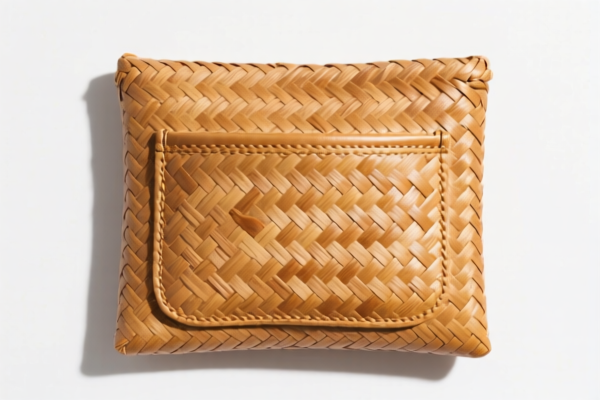
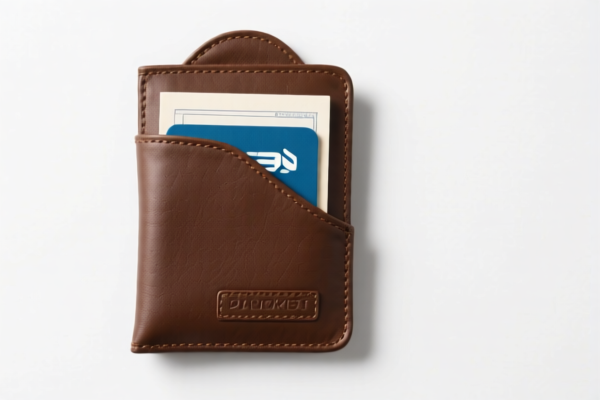


AI Analysis
🧥 Jacket Pocket (Garment Part / Pocket Component)
🌐 HS Code Reference & Customs Clearance Guide | 2026 Latest Tariff Analysis | Professional Clearance Strategy
📌 I. Product Definition and Classification: Do You Really Know "Jacket Pocket"?
A Jacket Pocket is a functional or decorative component of outerwear, commonly found on jackets, coats, and vests. It may be: - Integrated (sewn into the jacket body) - Detachable (zip-on or velcro-on pockets) - Material-specific (cotton, synthetic, blended)
In international trade, jacket pockets are classified based on: 1. Material composition (cotton, synthetic, blend) 2. Garment type (woven vs. knitted) 3. Functionality (decorative vs. functional)
⚠️ Key Differentiation: - If the pocket is part of a woven jacket →归类至 6217.90.90.25 / 6217.90.90.35 - If the pocket is part of a knitted jacket →归类至 6117.90.90.40 / 6117.90.90.50
📦 II. HS Code Classification Details (2026 Latest Tariff Reference)
| HS Code | Product Description | Application Scenario | Material Type |
|---|---|---|---|
6217.90.90.25 |
Jacket Part – Pocket (Woven Jacket) | Cotton or general textile jackets | Cotton or Generic Textile |
6217.90.90.35 |
Jacket Part – Pocket (Woven Jacket) | Synthetic or blended fabric pockets | Synthetic or Blend |
6117.90.90.40 |
Garment Accessory – Pocket (Knitted Jacket) | Cotton-based knitted jackets | Cotton or Cotton Blend |
6117.90.90.50 |
Garment Part – Pocket (Knitted Jacket) | Artificial fiber or blended fabric pockets | Artificial Fiber or Cotton Blend |
🔍 Critical Reminder:
- All pockets intended for jackets must be classified under 6217.90.90.25 / 6217.90.90.35 (woven) or 6117.90.90.40 / 6117.90.90.50 (knitted); - Misclassification can lead to higher tariffs and customs delays.
💰 III. 2026 Latest Tariff Rate Breakdown (Including Add-on Taxes & Policy Surcharges)
✅ Applicable Country: USA (US)
✅ Country of Origin: China (CN)
✅ Effective Date: From November 10, 2025 (for subsequent imports)
🎯 1. 6217.90.90.25 – Jacket Part (Woven, Cotton or General Textile)
| Item | Content |
|---|---|
| Base Tariff | 14.6% (ad valorem) |
| Section 301 Surcharge | +7.5% |
| Section 122 Tariff | +10% |
| Total Tariff Rate | 32.1% |
| Tax Calculation | CIF Value × 32.1% |
| De Minimis Exemption | ❌ Not Applicable |
| Legal Pathway | Section 301 → Section 122 → USITC:6217.90.90.25 |
📌 Explanation: - 14.6% is the standard MFN tariff; - 7.5% is the Section 301 surcharge on Chinese goods; - 10% is the Section 122 tariff under the International Emergency Economic Powers Act (IEEPA); - Total = 32.1%, which is very high and must be planned in advance!
🎯 2. 6217.90.90.35 – Jacket Part (Woven, Synthetic or Blend)
| Item | Content |
|---|---|
| Base Tariff | 14.6% |
| Section 301 Surcharge | +7.5% |
| Section 122 Tariff | +10% |
| Total Tariff Rate | 32.1% |
| Tax Calculation | CIF Value × 32.1% |
| De Minimis Exemption | ❌ Not Applicable |
| Legal Pathway | Section 301 → Section 122 → USITC:6217.90.90.35 |
📌 Note: - Same tariff as above; - Applies to all synthetic or blended fabric pockets for woven jackets.
🎯 3. 6117.90.90.40 – Garment Accessory (Knitted, Cotton)
| Item | Content |
|---|---|
| Base Tariff | 14.6% |
| Section 301 Surcharge | +7.5% |
| Section 122 Tariff | +10% |
| Total Tariff Rate | 32.1% |
| Tax Calculation | CIF Value × 32.1% |
| De Minimis Exemption | ❌ Not Applicable |
| Legal Pathway | Section 301 → Section 122 → USITC:6117.90.90.40 |
🎯 4. 6117.90.90.50 – Garment Part (Knitted, Synthetic or Blend)
| Item | Content |
|---|---|
| Base Tariff | 14.6% |
| Section 301 Surcharge | +7.5% |
| Section 122 Tariff | +10% |
| Total Tariff Rate | 32.1% |
| Tax Calculation | CIF Value × 32.1% |
| De Minimis Exemption | ❌ Not Applicable |
| Legal Pathway | Section 301 → Section 122 → USITC:6117.90.90.50 |
🛠️ IV. Customs Clearance Practical Advice (Risk Avoidance Guide)
✅ 1. Required Documentation Checklist (All Items Mandatory)
| Document | Required | Purpose |
|---|---|---|
| ✅ Product Specification Sheet | ✔️ | Material, size, function, attachment method |
| ✅ Technical Drawing or Photo | ✔️ | Show pocket shape, seams, and mounting |
| ✅ Commercial Invoice | ✔️ | Clearly state "Jacket Pocket" with HS Code |
| ✅ Packing List | ✔️ | Clarify if pockets are sold separately or with jackets |
| ✅ Certificate of Origin (CO) | ✔️ | For potential tariff exemptions |
| ✅ Third-party Test Report | ✔️ | If required (e.g., REACH, CPSIA) |
✅ 2. Declaration Tips (Key Formula)
🔥 "Material First, Structure Clear, Name Precise, Tariff Reduced!"
| Scenario | Correct Declaration | Wrong Practice |
|---|---|---|
| Pocket for woven jacket | 6217.90.90.25 or 6217.90.90.35 |
Report as "Garment Part" → 32.1% |
| Pocket for knitted jacket | 6117.90.90.40 or 6117.90.90.50 |
Report as "Accessory" → 32.1% |
| Pocket sold with jacket | Declare as "Jacket Part" | Split as "Clothing + Accessory" → 64.2% |
| Pocket made of mixed fabric | Specify material in invoice | Vague description → Delay or Penalty |
✅ 3. Special Cases Handling
| Situation | Recommendation |
|---|---|
| OEM Customized Pockets | Provide design drawings + client order to avoid misclassification |
| Detachable Pockets | Declare as "Garment Part" not "Accessory" |
| Pockets for Children's Jackets | May require CPSIA compliance; declare accordingly |
| Pockets with Special Function (e.g., heated, waterproof) | Provide technical specs to avoid "High-Tech Garment" classification |
🌍 V. Global Market Customs Comparison (2026 Latest)
| Country/Region | Recommended HS Code | Tariff Rate | Certification | Note |
|---|---|---|---|---|
| 🇺🇸 USA | 6217.90.90.25 / 6117.90.90.40 |
32.1% (China origin) | None | High tariff due to Section 301 + 122 |
| 🇨🇳 China | Same | 5% | CCC | No surcharges |
| 🇪🇺 EU | Same | 0–12% (depending on material) | CE + REACH | No Section 301 |
| 🇯🇵 Japan | Same | 0–10% | PSE | Lower tariff for natural fibers |
| 🇦🇺 Australia | Same | 5% | RCM | No surcharges |
📌 Conclusion:
- USA is the only market imposing Section 301 + Section 122 surcharges on Chinese textile parts; - Consider supply chain relocation to Vietnam, Mexico, or Thailand to avoid high tariffs.
📌 VI. Common Mistakes & Pitfalls (Lessons Learned)
❌ Mistake 1: Declaring pockets as "Garment Accessory" instead of "Jacket Part"
👉 Result: Same 32.1%, but may cause audit flags
❌ Mistake 2: Failing to distinguish between woven and knitted pockets
👉 Result: Misclassification, leading to 10–30% penalty + delay
❌ Mistake 3: Not specifying material in invoice
👉 Result: Customs holds shipment for further inspection
❌ Mistake 4: Declaring pockets as "Clothing" instead of "Parts"
👉 Result: Higher duty + compliance issues
✅ Best Practice:
"Jacket Pocket (Woven, Cotton), Model XYZ, HS Code 6217.90.90.25, China Origin, Section 301 Applicable"
🎯 VII. Conclusion: Precision Classification Saves Money!
🎯 Remember the Formula:
🔹 "Material & Type First, HS Code Right, Tariff 32.1%, Mistake Costly!"
🔹 "One Wrong Line, Penalty Over $5,000!"
📌 Pro Tip:
If your jacket pockets are sourced from Vietnam, Mexico, or Thailand, you may qualify for IEEPA exemption, reducing tariff to 0–5%.
👉 Apply for Advance Ruling before shipping to avoid surprises!
📣 Take Action Now:
📞 Contact professional customs broker + Provide product photos + Request HS Code Pre-Ruling
🚀 Ensure smooth clearance, reduced cost, and maximum profit!
✨ Professional Customs Clearance Starts with Accurate Classification!
💼 Every Dollar Saved is a Dollar Earned!
Customer Reviews
About HS Code Classification
The Harmonized System (HS) is an internationally standardized nomenclature developed by the World Customs Organization (WCO) to classify traded products. Over 200 countries use the HS system as the basis for customs tariffs, trade statistics, and import/export regulations.
Each HS code follows a hierarchical structure:
- Chapter (2 digits) — Broad category of goods (e.g., Chapter 84: Machinery and Mechanical Appliances)
- Heading (4 digits) — More specific grouping within the chapter
- Subheading (6 digits) — Internationally standardized breakdown, used by all WCO member countries
- National subdivisions (8-10 digits) — Country-specific extensions for further classification, such as US HTSUS 10-digit codes
Correct HS code classification is essential for smooth customs clearance, accurate duty payment, and compliance with trade regulations. Misclassification can lead to customs delays, overpayment of duties, or penalties.
When importing from CN to US, the applicable tariff rates may include:
- Most-Favored-Nation (MFN) rate — The standard duty rate applied to WTO members
- General rate — Applied to countries without trade agreements
- Trade remedy duties — Additional tariffs such as Section 301 (anti-dumping), Section 232 (national security), or countervailing duties
The information provided on this page is for reference purposes only. For official classification, please consult with your local customs authority or a licensed customs broker.