Jacket Sleeve
CN → US| HS Code | Tariff Rate | Origin | Destination | Doc |
|---|---|---|---|---|
| 6203322040 | 26.9% | CN | US | Official Doc |
| 6203332010 | 44.8% | CN | US | Official Doc |
| 6117909050 | 32.1% | CN | US | Official Doc |
| 6103332000 | 45.7% | CN | US | Official Doc |
| 6103332000 | 45.7% | CN | US | Official Doc |
Product Images

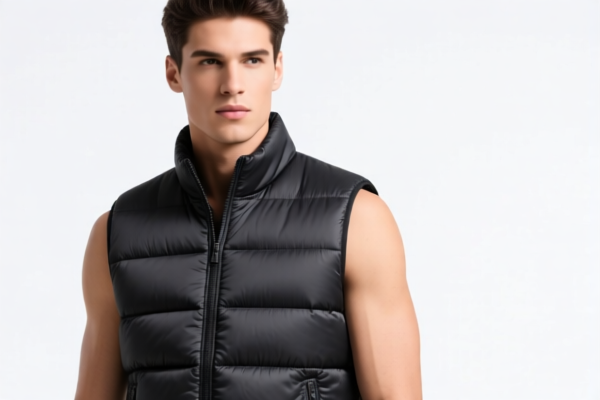


AI Analysis
🧥 Jacket Sleeve (Men’s/Women’s Outerwear Components)
🌐 HS Code Reference & Customs Clearance Guide | 2026 Latest Tariff Analysis | Professional Entry Strategy
📌 I. Product Definition & Classification: What is a "Jacket Sleeve"?
A Jacket Sleeve is a structural component of an outerwear garment, designed to cover the arm. In international trade, it is classified not as a finished garment, but as a part or accessory to clothing. Its classification depends heavily on: 1. Material Composition (e.g., synthetic fibers, natural fibers). 2. State of Assembly (e.g., knitted vs. woven, shaped vs. flat). 3. Gender Specification (Men’s vs. Women’s, if specified in the HS heading).
⚠️ Key Distinction:
- If the item is a finished jacket with sleeves attached → Classified under full garment HS codes (e.g., 6203/6204).
- If the item is only the sleeve (cut, sewn, or ready for assembly) → Classified under Parts/Accessories (e.g., 6117.90 or 6207/6208 subheadings for parts).
- Crucial Note: For US Customs (CBP), parts of jackets are often grouped under specific "Parts of Articles" chapters (Chapter 61 for Knitted, Chapter 62 for Woven).
📦 II. HS Code Classification Details (2026 Latest Tariff Alignment)
Based on the provided data, here are the five potential HS Codes for Jacket Sleeves, analyzed by their logic and tax implications.
| HS Code | Product Description | Application Scenario | Material/Type Inference |
|---|---|---|---|
6203.32.20.40 |
Woven Men’s Jacket Parts | Woven fabric sleeves, likely synthetic or cotton blend, intended for men’s suit/jacket jackets. | ✅ Woven; Men’s; Part/Accessory |
6203.33.20.10 |
Woven Men’s Suit Jacket Parts | Higher-grade woven parts, potentially for formal suit jackets. | ✅ Woven; Men’s; Formal Suit Part |
6117.90.90.50 |
Knitted/Crocheted Clothing Accessories | Knitted sleeves or flexible fabric parts. Broad category for knitted accessories not elsewhere specified. | ✅ Knitted; Unspecified Gender; Accessory |
6103.33.20.00 |
Knitted Men’s Synthetic Fiber Suit | Note: This code typically refers to full garments, but data suggests it’s used here for "Parts" inference due to material conflict resolution. | ✅ Knitted; Synthetic; Men’s (Inferred Part) |
6103.33.20.00 |
Knitted Men’s Synthetic Fiber Suit (Alt) | Similar to above; used when material is inferred as synthetic fiber and form matches jacket component. | ✅ Knitted; Synthetic; Men’s (Inferred Part) |
🔍 Critical Clarification:
-6203.32/33codes are for Woven fabrics. If your sleeve is made of polyester woven cloth, these are the primary candidates.
-6117.90is for Knitted/Crocheted accessories. If your sleeve is from a knit jacket (e.g., fleece, jersey), use this.
-6103.33usually denotes Knitted Men’s Suits. The data suggests it may be used for knitted parts when material is synthetic, but this is less common for simple sleeves. Verify if the sleeve is truly part of a knitted suit assembly.
💰 III. 2026 Latest Tariff Rate Breakdown (Including Surcharge)
✅ Applicable Country: United States (US)
✅ Country of Origin: China (CN)
✅ Effective Date: From November 10, 2025 (and subsequent imports)
🎯 1. 6203.32.20.40 – Woven Men’s Jacket Parts
| Item | Detail |
|---|---|
| Base Tariff | 9.4% (ad valorem) |
| Section 301 Surcharge | +7.5% |
| Section 122 Tariff | +10% |
| Total Effective Rate | 26.9% |
| Tax Calculation | CIF Value × 26.9% |
| De Minimis Exemption | ❌ Not Eligible (Deny de minimis) |
| Legal Basis Path | USITC:6203.32.20.40 → Section 301: 7.5% → Section 122: 10% |
📌 Explanation:
- Base (9.4%): Standard US tariff for woven men’s jacket parts.
- Section 301 (7.5%): Additional duty on Chinese goods under trade remedy laws.
- Section 122 (10%): Additional duty under 19 U.S.C. § 1862 for national security reasons.
- Total: 26.9%. This is a high-cost entry point.
🎯 2. 6203.33.20.10 – Woven Men’s Suit Jacket Parts
| Item | Detail |
|---|---|
| Base Tariff | 27.3% |
| Section 301 Surcharge | +7.5% |
| Section 122 Tariff | +10% |
| Total Effective Rate | 44.8% |
| Tax Calculation | CIF Value × 44.8% |
| De Minimis Exemption | ❌ Not Eligible |
| Legal Basis Path | USITC:6203.33.20.10 → Section 301: 7.5% → Section 122: 10% |
📌 Warning:
- The base tariff is significantly higher (27.3%) than6203.32.
- Total 44.8% is extremely high. This may indicate a more formal, high-value suit component.
- Cost Impact: Nearly half the value of the goods goes to taxes.
🎯 3. 6117.90.90.50 – Knitted Clothing Accessories
| Item | Detail |
|---|---|
| Base Tariff | 14.6% |
| Section 301 Surcharge | +7.5% |
| Section 122 Tariff | +10% |
| Total Effective Rate | 32.1% |
| Tax Calculation | CIF Value × 32.1% |
| De Minimis Exemption | ❌ Not Eligible |
| Legal Basis Path | USITC:6117.90.90.50 → Section 301: 7.5% → Section 122: 10% |
📌 Insight:
- Lower base tariff (14.6%) compared to woven suit parts.
- Total 32.1% is moderate-high.
- Ideal if the sleeve is knitted (e.g., polyester knit, fleece).
🎯 4 & 5. 6103.33.20.00 – Knitted Men’s Synthetic Fiber Suit (Parts Inferred)
| Item | Detail |
|---|---|
| Base Tariff | 28.2% |
| Section 301 Surcharge | +7.5% |
| Section 122 Tariff | +10% |
| Total Effective Rate | 45.7% |
| Tax Calculation | CIF Value × 45.7% |
| De Minimis Exemption | ❌ Not Eligible |
| Legal Basis Path | USITC:6103.33.20.00 → Section 301: 7.5% → Section 122: 10% |
📌 Critical Note:
- Highest Rate: 45.7%.
- This code typically applies to finished knitted suits. Using it for parts may lead to customs scrutiny if the item is clearly a component.
- Only use if the sleeve is part of a knitted synthetic fiber suit and customs allows part classification under this heading.
🛠️ IV. Customs Clearance Practical Advice (Pitfall Avoidance Guide)
✅ 1. Document Checklist (Must-Haves)
| Document | Required | Purpose |
|---|---|---|
| ✅ Product Specification Sheet | ✔️ | Must state: Material (e.g., 100% Polyester Woven), State (e.g., Cut and Sewn Sleeve), Intended Use (e.g., for Men’s Jacket). |
| ✅ Technical Drawing/Pattern | ✔️ | Proves it is a sleeve component, not a full jacket. Shows it lacks buttons, lining, etc. |
| ✅ Photos of Item | ✔️ | Clear images showing it is only the sleeve (no body, no collar). |
| ✅ Bill of Materials (BOM) | ✔️ | Lists fabric, thread, interfacing used. |
| ✅ Commercial Invoice | ✔️ | Description: "Jacket Sleeve Component, Woven, Synthetic, for Men’s Jacket." |
| ✅ Packing List | ✔️ | Separate packaging if mixed with other parts. |
✅ 2. Classification Strategy (Key Rules)
🔥 “Material First, Gender Second, State Third!”
| Scenario | Recommended HS Code | Reason |
|---|---|---|
| Woven Sleeve, Men’s, Synthetic | 6203.32.20.40 |
Lower base tariff (9.4%) vs. 6203.33 (27.3%). |
| Woven Sleeve, Men’s, Wool/High-Grade | 6203.33.20.10 |
If material is wool or high-end fabric, 6203.33 may be more accurate. |
| Knitted Sleeve, Any Gender | 6117.90.90.50 |
Broadest category for knitted accessories. Lower base tariff. |
| Knitted Sleeve, Men’s, Synthetic | 6103.33.20.00 |
Only if clearly part of a knitted suit. High risk of reclassification. |
⚠️ Avoid:
- Classifying a woven sleeve as a knitted part (6117) to save tax → High audit risk.
- Classifying a full jacket as a part → Fraud penalty.
🌍 V. Global Market Comparison (2026 Latest)
| Country/Region | Recommended HS Code | Base Tariff | Surcharge (China) | Total Estimate | Remarks |
|---|---|---|---|---|---|
| 🇺🇸 USA | 6203.32.20.40 |
9.4% | +17.5% | 26.9% | Section 301 + 122 apply. |
| 🇺🇸 USA | 6117.90.90.50 |
14.6% | +17.5% | 32.1% | Knitted option. |
| 🇪🇺 EU | 6210/6110 | 4-12% | 0% | 4-12% | No Section 122. Lower tariffs. |
| 🇨🇳 China | 6210/6110 | 9.5-12% | 0% | 9.5-12% | Import into China. |
| 🇨🇦 Canada | 6210/6110 | 0-18% | 0% | 0-18% | CUSMA benefits may apply. |
📌 Conclusion:
- USA is the most expensive market due to Section 301 and Section 122.
- EU/Canada offer significantly lower costs. Consider supply chain diversification if targeting US market.
📌 VI. Common Errors & Pitfalls (Lessons Learned)
❌ Error 1: Classifying Woven Sleeves under Knitted HS Codes (6117)
👉 Consequence: Customs rejection, reclassification to 6203.32 → Back taxes + penalties.
❌ Error 2: Describing Item as "Jacket" when it’s only a "Sleeve"
👉 Consequence: Misdeclaration. If customs inspects and finds only a sleeve, it may still classify as a part, but delays will occur.
👉 Fix: Use precise description: "Jacket Sleeve Component."
❌ Error 3: Ignoring Section 122 Tariff
👉 Consequence: Unexpected 10% surcharge on all textile imports from China.
👉 Fix: Always add 10% to cost calculations for China-origin textiles.
❌ Error 4: Using 6103.33.20.00 for simple sleeves
👉 Consequence: 45.7% tax rate. If it’s just a knitted sleeve, 6117.90 (32.1%) is better.
👉 Fix: Use 6117.90.90.50 for generic knitted accessories.
🎯 VII. Conclusion: Precision in Classification Saves Money
🎯 Key Takeaway:
🔹 "Woven? Check
6203.32(26.9%). Knitted? Check6117.90(32.1%). Avoid6103.33(45.7%) unless necessary."
🔹 "Section 122 (+10%) is unavoidable for China-origin textiles."
📌 Pro Tip:
- For US imports, always calculate CIF + 26.9% (for woven) or CIF + 32.1% (for knitted).
- If your sleeve is not yet assembled, ensure it is clearly marked as a "Part" in the invoice.
- Consider Pre-Ruling (CBP Ruling) to confirm the correct HS Code for your specific sleeve design.
📣 Immediate Action:
📞 Consult your customs broker with material specs and photos.
🚀 Use6203.32.20.40for woven sleeves to minimize costs.
💡 Accurate classification = Lower taxes + Faster clearance.
✨ Professional Clearance Starts with Accurate HS Codes!
💼 Every Percentage Point Counts in Global Trade!
Customer Reviews
About HS Code Classification
The Harmonized System (HS) is an internationally standardized nomenclature developed by the World Customs Organization (WCO) to classify traded products. Over 200 countries use the HS system as the basis for customs tariffs, trade statistics, and import/export regulations.
Each HS code follows a hierarchical structure:
- Chapter (2 digits) — Broad category of goods (e.g., Chapter 84: Machinery and Mechanical Appliances)
- Heading (4 digits) — More specific grouping within the chapter
- Subheading (6 digits) — Internationally standardized breakdown, used by all WCO member countries
- National subdivisions (8-10 digits) — Country-specific extensions for further classification, such as US HTSUS 10-digit codes
Correct HS code classification is essential for smooth customs clearance, accurate duty payment, and compliance with trade regulations. Misclassification can lead to customs delays, overpayment of duties, or penalties.
When importing from CN to US, the applicable tariff rates may include:
- Most-Favored-Nation (MFN) rate — The standard duty rate applied to WTO members
- General rate — Applied to countries without trade agreements
- Trade remedy duties — Additional tariffs such as Section 301 (anti-dumping), Section 232 (national security), or countervailing duties
The information provided on this page is for reference purposes only. For official classification, please consult with your local customs authority or a licensed customs broker.