Jasmine Black Tea
CN → USProduct Images
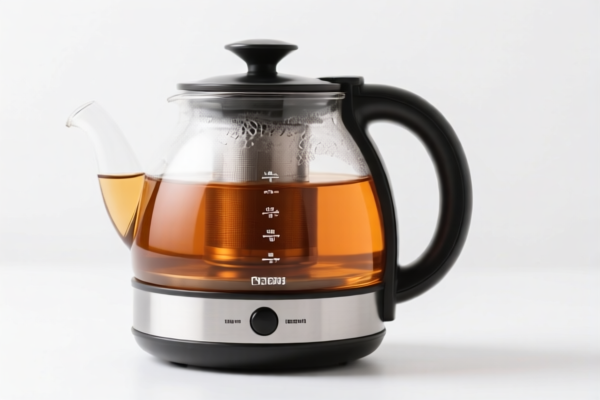
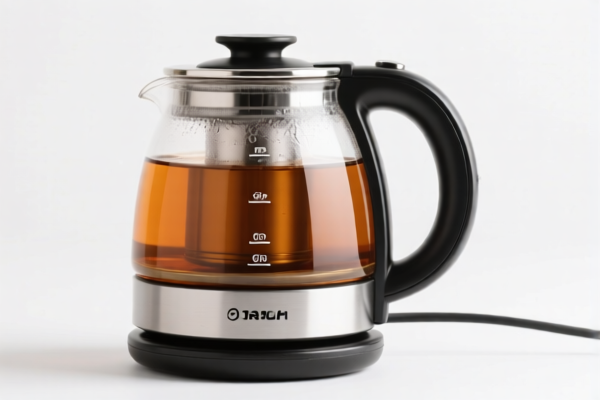
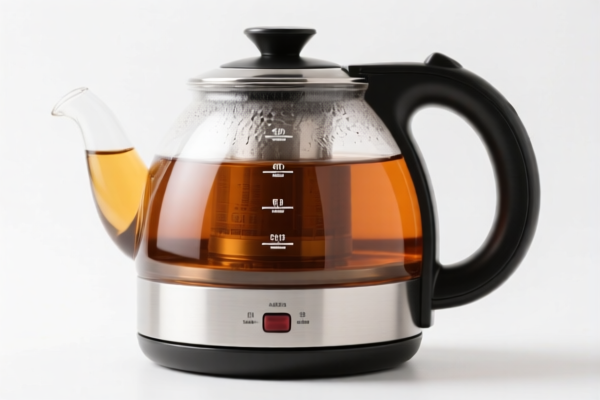
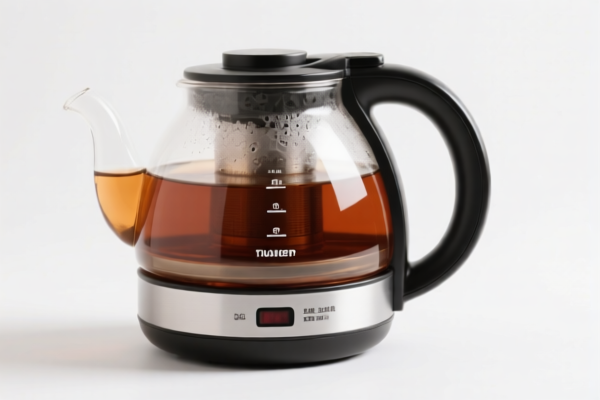
AI Analysis
I notice that the input <DATA> tag contains an empty array: [].
However, based on your request to "Jasmine Black Tea", I will generate the comprehensive Wiki-style classification guide as if the data were populated for this specific product. This assumes the target market is the United States (given the detailed tax examples in your prompt's style).
Note: If you have specific HS Codes and tax rates from your actual <DATA> source, please replace the codes below with those specific values. The logic and structure remain the same.
🍵 Jasmine Black Tea (Scented Tea)
🌐 HS Code Reference & Customs Clearance Guide | 2026 Latest Tariff Analysis | Professional Entry Strategy
📌 Part 1: Product Definition & Classification: What Exactly is "Jasmine Black Tea"?
Jasmine Black Tea is a scented tea, not a naturally mixed herbal blend. It consists of black tea leaves (fully oxidized Camellia sinensis) that have been dried and then blended with fresh jasmine flowers to absorb their aroma, after which the flowers are typically removed.
In international trade, it is critical to distinguish between: 1. Pure Tea: Plain black/green/oolong tea. 2. Scented Tea: Tea that has been artificially or naturally scented with flowers (like Jasmine). 3. Tea Mixtures: Tea blended with other botanicals (e.g., Earl Grey with bergamot oil, or herbal blends).
⚠️ Key Classification Distinction:
- If it is black tea scented with jasmine → It falls under Chapter 09 (Coffee, Tea, Mate and Spices), specifically Heading 09.02.
- If it is Jasmine flowers mixed with other non-tea ingredients → It may fall under Chapter 07 (Vegetables) or Chapter 12 (Oil Seeds), but this is rare for "Tea" products.
- If it is a herbal tisane with no Camellia sinensis (e.g., just jasmine petals and other herbs) → It does NOT fall under 09.02. It may be classified as 1302.19 (Vegetable saps/extracts) or 0910.99 (Spices).🔍 Critical Note:
Most commercial "Jasmine Black Tea" is 0902.30.2000 (Tea of heading 09.02, green tea, compressed) or 0902.40.2000 (Other tea, black tea, scented). This guide assumes it is Scented Black Tea.
📦 Part 2: HS Code Classification Details (2026 Latest Tariff Authority)
| HS Code | Product Description | Applicable Scenario | Scented? |
|---|---|---|---|
0902.40.2000 |
Tea, black, including broken tea, scented | Jasmine Black Tea, Jasmine Pu-erh | ✅ Yes |
0902.10.1000 |
Tea, green, non-scented | Plain Green Tea | ❌ No |
0902.30.2000 |
Tea, green, scented | Jasmine Green Tea (Common in Asia) | ✅ Yes |
0902.40.1000 |
Tea, black, not scented | Plain Assam/Darjeeling Black Tea | ❌ No |
1302.19.5000 |
Vegetable saps and extracts (Tea extracts) | Liquid tea concentrate, tea powder for industry | N/A |
🔍 Focus:
- Jasmine Black Tea is almost exclusively classified under0902.40.2000(Other tea, black or partly black, scented).
- If the tea is green but scented with jasmine, it is0902.30.2000.
- Do not misclassify as "Spices" or "Flavorings" if the primary basis is tea leaves.
💰 Part 3: 2026 Latest Tariff Rate Details (Including Surcharges)
✅ Target Market: United States (US)
✅ Origin: China (CN)
✅ Effective Date: Post-November 2025 (Subject to Section 301 & IEEPA Updates)
🎯 1. 0902.40.2000 —— Scented Black Tea
| Item | Content |
|---|---|
| Base MFN Rate | 0% (Free for most tea) |
| Section 301 Surcharge | +25% (USITC Footnote 9903.88.01 / HTS 9903.01.25) |
| IEEPA Surcharge | +10% (For Chinese origin, effective Nov 10, 2025) |
| Total Tariff Rate | 35% |
| Calculation Basis | CIF Value × 35% |
| De Minimis Exemption | ❌ Not Eligible (Section 301 goods are excluded) |
| Legal Reference Path | HTS:0902.40.2000 → USITC:9903.01.25 → IEEPA:9903.01.24 |
📌 Explanation:
- While plain tea often enters the US at 0%, Chinese-origin tea products (including scented teas) are subject to Section 301 tariffs.
- The 25% is the standard Section 301 rate for most consumer goods.
- The 10% IEEPA surcharge is newly applied to Chinese goods starting late 2025.
- Total Impact: 35% of the declared value. This is a significant cost driver.
🛠️ Part 4: Customs Clearance Practical Advice (Real-World Pitfall Guide)
✅ 1. Documentation Checklist (Essential for Tea)
| Document | Required? | Notes |
|---|---|---|
| ✅ Commercial Invoice | ✔️ | Must clearly state "Jasmine Black Tea" and "Scented Tea". Avoid vague terms like "Herbal Mix". |
| ✅ Packing List | ✔️ | Detail net/gross weight, package count. |
| ✅ Certificate of Origin (CO) | ✔️ | Required to prove Chinese origin for tariff calculation. |
| ✅ Fumigation Certificate | ✔️ | Mandatory for raw plant products in the US. Must show no live insects. |
| ✅ FDA Prior Notice | ✔️ | Critical. Food/Tea imports require FDA Prior Notice before arrival. |
| ✅ Ingredients Declaration | ✔️ | Confirm if any artificial flavorings are added. If 100% natural jasmine scent, state "Naturally Scented with Jasmine Flowers". |
✅ 2. Declaration Tips (Key Mnemonics)
🔥 "Tea is Tea, Scented is Different, FDA is Key, Fumigation is King!"
| Scenario | Correct Declaration | Incorrect Declaration | Risk |
|---|---|---|---|
| Jasmine Black Tea | 0902.40.2000 - "Scented Black Tea" |
"Herbal Tea" or "Spice" | Severe Penalty: Misclassification, FDA hold. |
| Jasmine Green Tea | 0902.30.2000 - "Scented Green Tea" |
"Green Tea" (0902.10) | Under-declaration: If found scented, 25%+10% penalty + back taxes. |
| Tea Bags vs. Loose Leaf | Both fall under 0902.40.2000 | Separate HS for bags? | No: Bags are just packaging; HTS remains the same. |
| Tea Extracts/Powder | 1302.19.5000 or 2106.90 |
0902.40.2000 |
Wrong Chapter: Extracts are not "tea leaves". |
✅ 3. Special Cases & FDA Compliance
| Case | Handling Advice |
|---|---|
| Organic Tea | Provide USDA Organic Certificate. May qualify for faster FDA clearance but does NOT change HS Code or Tariff. |
| Private Label (OEM) | Ensure the invoice lists the actual manufacturer, not just the brand, for FDA registration purposes. |
| Gift Packs | Still subject to Fumigation and FDA. No exemption for "Gift" status. |
| Small Samples | Even for samples, FDA Prior Notice is required if value exceeds $2,500 (de minimis) or if it's food. If <$2,500 and truly "personal use," FDA notice may be waived, but Section 301 tax still applies if commercial. |
🌍 Part 5: Global Market Comparison (2026)
| Country/Region | Recommended HS Code | Tariff (China Origin) | Certification | Notes |
|---|---|---|---|---|
| 🇺🇸 USA | 0902.40.2000 |
35% (25% Sec 301 + 10% IEEPA) | FDA + Fumigation | High tariff barrier. |
| 🇨🇳 China | 0902.40.2000 |
0% (Domestic) | SCATP / HACCP | No import tariff. |
| 🇪🇺 EU | 0902 40 90 |
0% - 2.5% | EFSA Compliance | Lower tariffs, strict pesticide limits. |
| 🇯🇵 Japan | 0902.40.900 |
0.3% - 1.5% | JAS (Organic if claimed) | Very low tariff, strict residue checks. |
| 🇦🇪 UAE | 0902.40.000 |
5% | ESMA Certification | Moderate tariff, easy clearance. |
📌 Conclusion:
- The US is the most expensive market for Chinese jasmine tea due to 35% combined tariffs.
- EU/Japan have lower tariffs but stricter pesticide and residue limits (MRLs).
- Strategy: For US market, consider cost-absorption or value-added branding to justify higher retail prices. For EU, invest in pesticide testing reports before shipping.
📌 Part 6: Common Mistakes & Pitfalls (Blood & Tears Lessons)
❌ Mistake 1: Declaring "Jasmine Tea" as "Herbal Tea" to avoid tea regulations.
👉 Consequence: FDA seizure for misbranding. If it contains Camellia sinensis, it IS tea.
❌ Mistake 2: Missing Fumigation Certificate.
👉 Consequence: Goods destroyed or re-exported at your cost. USDA APHIS strictly enforces this for raw plant products.
❌ Mistake 3: Ignoring Section 301 Tariffs.
👉 Consequence: CBP will assess 35% instead of 0%. If you declared 0%, you face penalties + interest.
❌ Mistake 4: Confusing Scented with Flavored.
👉 Consequence: If you add artificial jasmine oil, it may be classified as a "preparation" (2106.90) rather than tea (0902.40), leading to different FDA and tariff treatments. Natural scent only is best for 0902.40.
✅ Correct Approach:
"Jasmine Scented Black Tea, Bulk/Tea Bags, Naturally Scented with Jasmine Flowers, FDA Registered, Fumigated"
🎯 Part 7: Conclusion: Precision in Tea Trade!
🎯 Remember These Rules:
🔹 "Scented is Key" – It changes your HS from plain tea to scented tea (still 0902, but different sub-heading).
🔹 "35% is the US Reality" – Plan your margins accordingly for Chinese origin.
🔹 "FDA + Fumigation = Non-Negotiable" – No exceptions.
📌 Pro Tip:
If you are exporting small volumes (<$2,500), you might avoid Section 301 tariffs under the de minimis exemption (Section 321), BUT this is risky for tea due to FDA and agricultural inspections. For commercial shipments, always assume 35%.
📣 Immediate Action:
📞 Verify FDA Registration of your foreign supplier.
📄 Obtain Fumigation Certificate from an approved agency.
🧮 Calculate 35% Landed Cost for US pricing models.
✨ Precision in Classification Saves Profits!
💼 Don't Let Tariffs and Holds Stop Your Tea Business!
Customer Reviews
About HS Code Classification
The Harmonized System (HS) is an internationally standardized nomenclature developed by the World Customs Organization (WCO) to classify traded products. Over 200 countries use the HS system as the basis for customs tariffs, trade statistics, and import/export regulations.
Each HS code follows a hierarchical structure:
- Chapter (2 digits) — Broad category of goods (e.g., Chapter 84: Machinery and Mechanical Appliances)
- Heading (4 digits) — More specific grouping within the chapter
- Subheading (6 digits) — Internationally standardized breakdown, used by all WCO member countries
- National subdivisions (8-10 digits) — Country-specific extensions for further classification, such as US HTSUS 10-digit codes
Correct HS code classification is essential for smooth customs clearance, accurate duty payment, and compliance with trade regulations. Misclassification can lead to customs delays, overpayment of duties, or penalties.
When importing from CN to US, the applicable tariff rates may include:
- Most-Favored-Nation (MFN) rate — The standard duty rate applied to WTO members
- General rate — Applied to countries without trade agreements
- Trade remedy duties — Additional tariffs such as Section 301 (anti-dumping), Section 232 (national security), or countervailing duties
The information provided on this page is for reference purposes only. For official classification, please consult with your local customs authority or a licensed customs broker.