Jeans
CN → US| HS Code | Tariff Rate | Origin | Destination | Doc |
|---|---|---|---|---|
| 6204621541 | 34.1% | CN | US | Official Doc |
| 6204621511 | 34.1% | CN | US | Official Doc |
| 6204628011 | 34.1% | CN | US | Official Doc |
| 5211420060 | 43.1% | CN | US | Official Doc |
| 6203420711 | 34.1% | CN | US | Official Doc |
| 6203424511 | 34.1% | CN | US | Official Doc |
Product Images
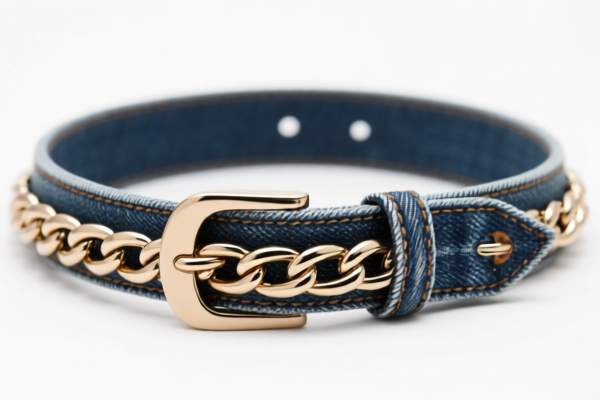

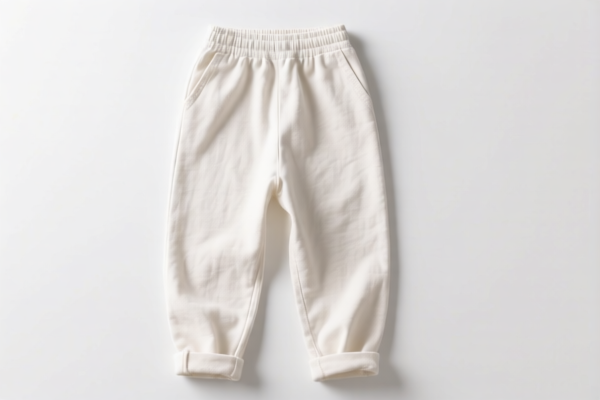
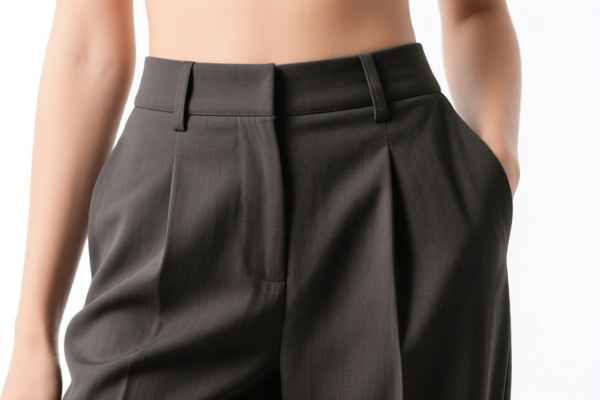
AI Analysis
👖 JEANS (Denim Pants)
🌐 HS Code Reference & Clearance Guide | 2026 Tariff Breakdown | Professional Strategy for US Imports
📌 I. Product Definition & Classification: Do You Really Know "Jeans"?
In international trade, "Jeans" are not a single entity. They are classified differently based on gender, material composition, and form (finished garment vs. fabric). The destination (specifically the United States) imposes significant "Section 301" and "Section 232" style duties on these items, making precise classification critical.
Jeans fall into three main categories for HS Code assignment:
- Women's & Girls' Denim Pants: Classified under Chapter 62 (Articles of Apparel).
- Men's Denim Pants: Also classified under Chapter 62, but with specific gender codes.
- Denim Fabric (Unfinished): Classified under Chapter 52 (Cotton), if the product is just the cloth, not a sewn garment.
⚠️ Critical Distinction:
- Sewn Garments (Finished): Must go to 6204 (Women) or 6203 (Men).
- Fabric Only (Unsewn): Must go to 5211 (Woven Denim).
- Misclassification Risk: Declaring finished pants as fabric (or vice versa) leads to severe penalties or seizure.
📦 II. Detailed HS Code Breakdown (Based on Provided Data)
| HS Code | Product Description | Scenario | Material Composition |
|---|---|---|---|
6204.62.15.41 |
Girls' Denim Trousers | Finished women's/girls' jeans | Cotton (Pure or Mainly Cotton) |
6204.62.15.11 |
Denim Trousers | General denim pants (often generic female style) | Denim Cloth (Woven Denim) |
6204.62.80.11 |
Finished Denim Jeans | Final garment classification for women/girls | Denim Cloth (Finished Apparels) |
6203.42.07.11 |
Men's Denim Trousers | Finished men's blue denim jeans | Blue Denim Cloth |
5211.42.00.60 |
Denim Fabric | NOT pants; this is the raw material cloth | Cotton / Man-made Fiber Blend |
🔍 Key Classification Logic:
-6204Series: All relate to Women's/Girls' suits, ensembles, jackets, skirts, trousers, including overalls.
-6203Series: All relate to Men's/Boys suits, ensembles, jackets, trousers, including overalls.
-5211Series: Specifically for Woven Cotton Fabrics (including denim) not made up into garments. If you import a bolt of denim cloth, use this. If you import a pair of pants, do not use this.
💰 III. 2026 Tariff Rate Deep Dive (US Market - China Origin)
✅ Target Market: United States (US)
✅ Country of Origin: China (CN)
✅ Effective Date: Current rates apply (based on provided data: 2025/2026 context)
All finished jeans (6204... and 6203...) share a Total Tax of 34.1%, while Denim Fabric (5211...) carries a higher rate of 43.1%.
🎯 1. Finished Jeans (Women's/Girls/Men)
Applicable Codes: 6204.62.15.41, 6204.62.15.11, 6204.62.80.11, 6203.42.07.11
| Component | Rate | Source / Legal Basis |
|---|---|---|
| Base Duty (MFN) | 16.6% | Standard US Import Duty for Textiles/Apparel |
| Section 301 (Additional) | +7.5% | "China Specific" Additional Tariff (List 4/301) |
| Section 122 (Specific) | +10.0% | Crucial: This refers to the specific "Section 301" 10% surcharge often applied to specific textile categories or recent administrative rules (122条款). |
| TOTAL TAX | 34.1% | Base + Additional + 122 |
📌 Explanation:
- The 34.1% is a cumulative burden.
- 16.6% is what any country pays for cotton/denim pants.
- 7.5% is the "Trade War" tariff on Chinese textiles.
- 10% is the specific "122 Section" tariff (likely referring to specific sub-paragraphs or recent enforcement actions on specific textile products from China).
- Impact: On a $100 pair of jeans, you pay $34.10 in duty alone before logistics.
🎯 2. Denim Fabric (Unfinished)
Applicable Code: 5211.42.00.60
| Component | Rate | Source / Legal Basis |
|---|---|---|
| Base Duty (MFN) | 8.1% | Standard duty for woven cotton fabric |
| Section 301 (Additional) | +25.0% | Higher surcharge for fabric/raw materials |
| Section 122 (Specific) | +10.0% | Specific textile surcharge |
| TOTAL TAX | 43.1% | Base + Additional + 122 |
📌 Explanation:
- Fabric attracts a higher 25% additional tariff compared to finished pants (7.5%).
- Why? Often, policies aim to encourage "Made in USA" manufacturing or protect domestic textile mills more than garment assembly.
- Result: Importing fabric to sew in the US (if legally possible) or re-exporting is significantly more expensive than importing finished pants.
🛠️ IV. Customs Clearance Practical Advice (Avoiding Pitfalls)
✅ 1. Documentation Checklist (Must-Haves)
| Document | Requirement | Why? |
|---|---|---|
| Commercial Invoice | Must specify "Denim Pants" + Gender (Men/Women) | Determines HS Code (6204 vs 6203). |
| Packing List | Must separate Men's vs. Women's items | Prevents miscoding and delays. |
| Fabric Composition Label | "100% Cotton" vs "Cotton/Spandex" | Affects 6204.62.15 vs 6204.62.80. |
| Bill of Materials | Distinguish "Finished Pants" vs "Bolt of Fabric" | Crucial to avoid 5211 (43.1%) vs 6204 (34.1%). |
| Country of Origin Cert | Must state "China" | Triggers the 34.1% / 43.1% rates. |
✅ 2. Declaration Strategy (The "Golden Rule")
🔥 "Garment vs. Fabric: Don't Mix!"
| Situation | Correct HS Code | Wrong (High Cost/Penalty) |
|---|---|---|
| Importing a pair of Men's Blue Jeans | 6203.42.07.11 (34.1%) |
❌ 5211.42.00.60 (43.1%) - Overpay |
| Importing 100 bolts of Denim Cloth | 5211.42.00.60 (43.1%) |
❌ 6204.62.80.11 (34.1%) - Underpay/Seizure |
| Importing Girls' Jeans (Cotton) | 6204.62.15.41 |
❌ 6203.42.07.11 (Wrong Gender) |
| Importing Mixed Gender Cartons | Split into 6204 & 6203 |
❌ Declare as one generic code (Audit risk) |
✅ 3. Special Scenarios
| Scenario | Action Plan |
|---|---|
| OEM / Custom Brand | Ensure the invoice lists the Brand Owner and Manufacturer. If the US brand owns the design, ensure the "Country of Origin" remains China. |
| Denim with Elastic (Spandex) | If the main weight is Cotton but has <5% Spandex, it usually still falls under 6204/6203. If Spandex is the main material, it shifts to Chapter 61 (Knitted) or Chapter 55/52 blends, changing the tax entirely. |
| "Made in China" Fabric Sewn in Mexico | If the fabric is Chinese but sewn in Mexico, the origin is Mexico. 34.1% might not apply (check USMCA). However, if only the fabric is Chinese and sewn in Mexico, rules are complex (Substantial Transformation). |
🌍 V. Global Market Comparison (US Focus)
| Market | HS Code Scope | Total Tariff (Approx) | Notes |
|---|---|---|---|
| 🇺🇸 USA | 6203 / 6204 / 5211 |
34.1% - 43.1% | High Barriers: 301 + Section 122 tariffs apply strictly. |
| 🇪🇺 EU | Similar HS Codes | 10-12% | No Section 301. Standard EU duty for textiles. |
| 🇨🇳 China | (Export) | 0% | China exports these; import duties in China for re-import differ. |
📌 Conclusion: The US is the most expensive market for Chinese denim due to the叠加 (superposition) of Base Duty + 301 + Section 122.
📌 VI. Common Mistakes & Pitfalls (Blood Lessons)
❌ Mistake 1: Declaring Finished Jeans as "Denim Fabric"
👉 Consequence: You might pay 43.1% instead of 34.1% (Overpayment) OR Customs may reject the entry if the description doesn't match the physical goods (sewn pants declared as cloth).
❌ Mistake 2: Mixing Men's and Women's in One HS Code
👉 Consequence: 6204 (Women) and 6203 (Men) are different chapters. Merging them leads to Audit Flags and potential Back Taxes.
❌ Mistake 3: Ignoring the "122 Clause" (Section 301)
👉 Consequence: Many brokers only quote "16.6%". If you only budget for 16.6%, you will face a 10% surprise + 7.5% at customs.
✅ Correct Approach:
Always declare: "Men's/Women's Denim Trousers, 100% Cotton, Cotton/Spandex Blend, Made in China."
Always calculate:(CIF Value × 1.341)for finished goods,(CIF Value × 1.431)for fabric.
🎯 VII. Strategic Recommendations
- Supply Chain Diversification: If margins are thin (<20%), importing finished jeans from China to the US is risky due to the 34.1% tax. Consider sourcing from Vietnam, Bangladesh, or Cambodia to avoid the 34.1% tariff (often 0-8% base, no 301).
- Pre-Consultation: If your jeans contain non-cotton materials (e.g., >10% Synthetic), the HS Code might shift to 6203/6204 with different sub-codes, potentially altering the "Section 122" applicability.
- Fabric vs. Garment: If you plan to sew in the US, buying Fabric (
5211) is actually more expensive than buying Finished Pants (6204) in this specific 34.1% vs 43.1% scenario. Verify if the "Made in USA" cost saving outweighs the 9% tax difference.
📌 Pro Tip:
"The 122 Clause is your silent killer."
Always ask your broker: "Is this 10% Section 122 tariff applied to my specific HS Code?"
Without this check, your margin analysis is wrong by 10%.
📣 Action Plan:
- Verify Material: Cotton vs. Blend.
- Verify Gender: Men (
6203) vs Women (6204).- Verify Form: Finished (
620x) vs Fabric (5211).- Budget: 34.1% for pants, 43.1% for fabric.
✨ Precise Classification = Profit Protection
💼 Your profit margin depends on the HS Code you choose!
Customer Reviews
About HS Code Classification
The Harmonized System (HS) is an internationally standardized nomenclature developed by the World Customs Organization (WCO) to classify traded products. Over 200 countries use the HS system as the basis for customs tariffs, trade statistics, and import/export regulations.
Each HS code follows a hierarchical structure:
- Chapter (2 digits) — Broad category of goods (e.g., Chapter 84: Machinery and Mechanical Appliances)
- Heading (4 digits) — More specific grouping within the chapter
- Subheading (6 digits) — Internationally standardized breakdown, used by all WCO member countries
- National subdivisions (8-10 digits) — Country-specific extensions for further classification, such as US HTSUS 10-digit codes
Correct HS code classification is essential for smooth customs clearance, accurate duty payment, and compliance with trade regulations. Misclassification can lead to customs delays, overpayment of duties, or penalties.
When importing from CN to US, the applicable tariff rates may include:
- Most-Favored-Nation (MFN) rate — The standard duty rate applied to WTO members
- General rate — Applied to countries without trade agreements
- Trade remedy duties — Additional tariffs such as Section 301 (anti-dumping), Section 232 (national security), or countervailing duties
The information provided on this page is for reference purposes only. For official classification, please consult with your local customs authority or a licensed customs broker.