Jeans Boot Decorations
CN → US| HS Code | Tariff Rate | Origin | Destination | Doc |
|---|---|---|---|---|
| 5808900090 | 38.9% | CN | US | Official Doc |
| 8308903000 | 35.0% | CN | US | Official Doc |
| 3926904000 | 12.8% | CN | US | Official Doc |
| 6406109090 | 22.0% | CN | US | Official Doc |
| 6406105000 | 36.2% | CN | US | Official Doc |
Product Images
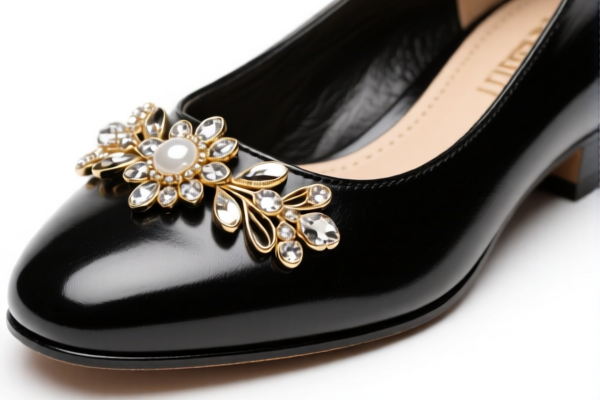
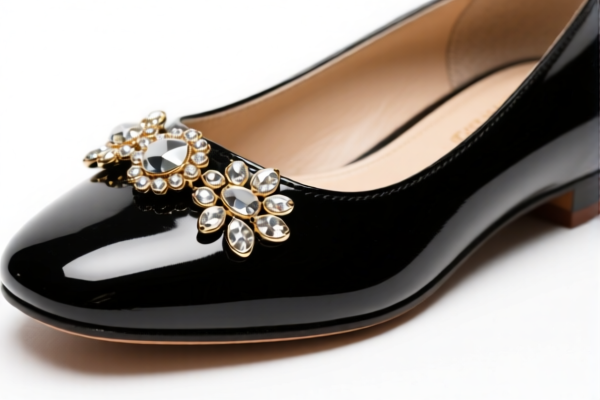
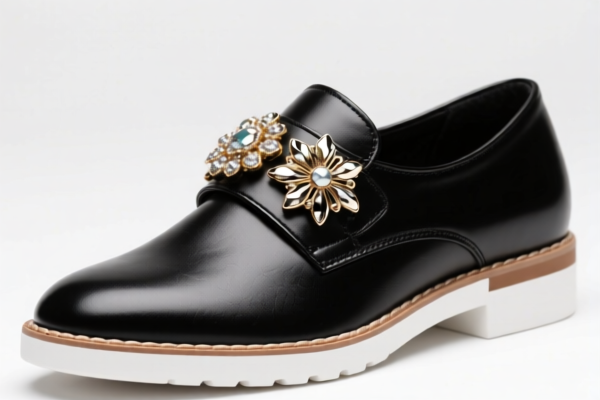
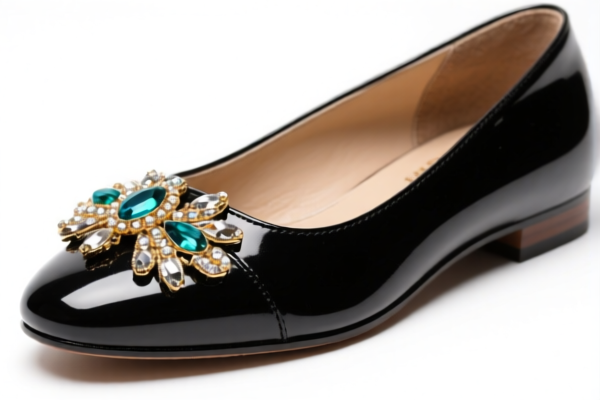
AI Analysis
👢 Jeans & Boot Decorations (Adornments for Footwear/Clothing)
🌐 HS Code Reference & Customs Clearance Guide | 2026 Latest Tariff Full Analysis | Professional Clearance Strategy
📌 1. Product Definition and Classification: What are "Jeans Boot Decorations"?
"Jeans Boot Decorations" refer to various ornamental components attached to denim jeans, boots, or other footwear/clothing. These are generally classified as accessories or parts. The correct HS Code depends heavily on the material composition (textile, metal, plastic, or other) and the specific application (is it a textile patch, a metal stud, or a plastic buckle?).
⚠️ Key Distinction:
- Textile-based (Cotton, synthetic fiber patches/trim): Generally falls under Chapter 58 or 64.
- Metal-based (Rivets, eyelets, zippers): Falls under Chapter 83.
- Plastic-based (Buckles, decorative clips): Falls under Chapter 39.
- Other materials (Rubber, leather parts): Falls under Chapter 64 or 83.
📦 2. HS Code Classification Details (2026 Latest Tariff Authority Comparison)
Based on the provided data, here are the five possible HS Codes for "Jeans Boot Decorations" depending on material:
| HS Code | Product Description | Material | Applicable Scenario |
|---|---|---|---|
5808.90.00.90 |
Braids, ornamental trimmings, not embroidered | Textile (Cotton/Artificial Fiber) | Decorative patches, woven trim for jeans/boot uppers |
8308.90.30.00 |
Clasps, buckles, fasteners, and parts thereof | Metal | Metal rivets, studs, pearls, metal embellishments for boots |
3926.90.40.00 |
Articles of plastics and articles of other materials of heading 3901 to 3914 | Plastic | Plastic shoe decorations, plastic buckles, plastic rivets |
6406.10.90.90 |
Parts of footwear (excluding uppers) | Other | Non-cotton/wool/synthetic fiber parts (e.g., rubber, leather, mixed materials) |
6406.10.50.00 |
Parts of footwear, upper parts, shaped | Other | Molded upper parts or specific footwear components |
🔍 Key Reminder:
- If the item is a metal rivet, do NOT classify it as textile (5808). It must be8308.90.30.00.
- If the item is a plastic buckle, classify it as3926.90.40.00, not as a footwear part.
- Misclassification leads to significant tariff differences (from 12.8% to 38.9%).
💰 3. 2026 Latest Tariff Rate Breakdown (Including Surtaxes & Policy Add-ons)
✅ Applicable Country: United States (US)
✅ Origin: China (CN)
✅ Effective Time: From November 10, 2025 (including subsequent imports)
🎯 1. 5808.90.00.90 — Textile Ornamental Trimmings
| Item | Content |
|---|---|
| Base Tariff | 3.9% (ad valorem) |
| USITC Surtax | +25.0% (From USITC Footnote under 301 Tariffs) |
| IEEPA Surtax | +10.0% (Against China/Hong Kong products, effective from Nov 10, 2025) |
| Total Tariff | 38.9% |
| Tax Calculation | CIF Value × 38.9% |
| De Minimis Eligibility | ❌ No (deny_de_minimis) |
| Legal Basis Path | IEEPA:9903.01.25 → IEEPA:9903.01.24 → USITC:5808.90.00.90 → FOOTNOTE |
📌 Explanation:
- Base: 3.9% is the standard MFN rate for textile trimmings.
- 301 Tariff: +25% applies to most textile accessories from China.
- IEEPA 10%: Additional 10% surcharge on Chinese goods.
- Total 38.9%: High tariff. Pre-calculation is essential.
🎯 2. 8308.90.30.00 — Metal Clasps/Buckles/Rivets
| Item | Content |
|---|---|
| Base Tariff | 0.0% (ad valorem) |
| USITC Surtax | +25.0% |
| IEEPA Surtax | +10.0% |
| Total Tariff | 35.0% |
| Tax Calculation | CIF Value × 35.0% |
| De Minimis Eligibility | ❌ No |
| Legal Basis Path | IEEPA:9903.01.25 → IEEPA:9903.01.24 → USITC:8308.90.30.00 |
📌 Note:
- Although the base tariff is 0%, the surtaxes are significant.
- Metal decorations (rivets, studs) are often subject to heavy anti-dumping or specific trade remedy tariffs, but here it shows a standard 301+IEEPA structure.
- Total 35.0% is still high, but slightly lower than textile trim.
🎯 3. 3926.90.40.00 — Plastic Shoe Decorations
| Item | Content |
|---|---|
| Base Tariff | 2.8% (ad valorem) |
| USITC Surtax | +0.0% |
| IEEPA Surtax | +10.0% |
| Total Tariff | 12.8% |
| Tax Calculation | CIF Value × 12.8% |
| De Minimis Eligibility | ❌ No |
| Legal Basis Path | IEEPA:9903.01.25 → IEEPA:9903.01.24 → USITC:3926.90.40.00 |
📌 Advantage:
- Lowest Total Tariff (12.8%) among the options.
- No 25% USITC surtax applies to this specific plastic item code.
- If feasible, classifying plastic decorations here saves ~26% in tariffs compared to metal or textile.
🎯 4. 6406.10.90.90 — Other Footwear Parts
| Item | Content |
|---|---|
| Base Tariff | 4.5% (ad valorem) |
| USITC Surtax | +7.5% |
| IEEPA Surtax | +10.0% |
| Total Tariff | 22.0% |
| Tax Calculation | CIF Value × 22.0% |
| De Minimis Eligibility | ❌ No |
| Legal Basis Path | IEEPA:9903.01.25 → IEEPA:9903.01.24 → USITC:6406.10.90.90 |
📌 Note:
- This code is for non-textile, non-metal, non-standard plastic parts.
- The USITC surtax is reduced to 7.5% (instead of 25%), resulting in a moderate total tariff of 22.0%.
🎯 5. 6406.10.50.00 — Molded Footwear Parts
| Item | Content |
|---|---|
| Base Tariff | 26.2% (ad valorem) |
| USITC Surtax | +0.0% |
| IEEPA Surtax | +10.0% |
| Total Tariff | 36.2% |
| Tax Calculation | CIF Value × 36.2% |
| De Minimis Eligibility | ❌ No |
| Legal Basis Path | IEEPA:9903.01.25 → IEEPA:9903.01.24 → USITC:6406.10.50.00 |
📌 Warning:
- High Base Tariff (26.2%) makes this the second most expensive option after5808.90.00.90.
- Avoid if possible unless the product is strictly a molded upper part.
🛠️ 4. Customs Clearance Practical Advice (Real-world Pitfall Avoidance)
✅ 1. Preparation Checklist (All Required)
| Material | Required | Description |
|---|---|---|
| ✅ Product Spec Sheet | ✔️ | Detail material (metal/plastic/textile), dimensions, weight |
| ✅ Material Composition | ✔️ | Specify % of cotton, metal alloy, plastic type (e.g., ABS, PVC) |
| ✅ Product Photos | ✔️ | Clear shots of the decoration, including close-ups of material texture |
| ✅ Commercial Invoice | ✔️ | Must specify "Boots Decorations" or "Jeans Trimmings" clearly |
| ✅ Packing List | ✔️ | Indicate if items are sold separately or attached to goods |
✅ 2. Declaration Tips (Key Mnemonics)
🔥 "Material First, Code Second, No Splitting, Tax Saved!"
| Scenario | Correct Declaration | Error |
|---|---|---|
| Metal Rivets | 8308.90.30.00 |
Misclassified as 5808 → +3.9% extra tax |
| Plastic Buckles | 3926.90.40.00 |
Misclassified as 6406 → +9.2% extra tax |
| Textile Patches | 5808.90.00.90 |
Misclassified as 6406 → -16.9% underpayment, risk of penalty |
| Mixed Material Items | Split Declaration | Combine into one code → Customs seizure or reclassification |
✅ 3. Special Handling Cases
| Case | Handling Advice |
|---|---|
| Mixed Bundles | If metal, plastic, and textile are in one shipment, declare each HS Code separately. Do not group under the highest tariff code unless legally justified as a single functional unit. |
| Attached to Jeans | If decorations are already attached to jeans, the entire item may be classified as Jeans (6203/6204), not as accessories. Check if the decoration is "integral" or "removable". |
| OEM Custom Decorations | Provide design specs to prove material composition. Customs may require lab tests for material verification. |
| De Minimis | ❌ None of these codes qualify for de minimis (Section 321) exemption due to surtaxes. All shipments are subject to full duty. |
🌍 5. Global Market Comparison (2026 Latest)
| Country/Region | Recommended HS Code | Tariff Rate | Remarks |
|---|---|---|---|
| 🇺🇸 USA | 3926.90.40.00 |
12.8% | Lowest tax for plastic; 38.9% for textile; 35.0% for metal |
| 🇨🇳 China | Varies | Low/Zero | No 301/IEEPA surtaxes; Base rates apply |
| 🇪🇺 EU | Varies | 0-4% | No US-style surtaxes; CE/RoHS compliance needed |
| 🇦🇺 Australia | Varies | 5-10% | Moderate tariffs; AANZFTA may apply |
| 🇯🇵 Japan | Varies | 0-5% | Low tariffs; JETRO guidelines apply |
📌 Conclusion:
- USA has the highest effective tariffs due to the combination of Base + 301 + IEEPAs.
- Plastic decorations (3926.90.40.00) are the most tariff-efficient for US exports (12.8%).
- Textile decorations (5808.90.00.90) are the most expensive (38.9%).
📌 6. Common Errors & Pitfalls (Lessons Learned)
❌ Error 1: Classifying metal rivets as textile trimmings (5808)
👉 Consequence: Underpayment of tax. USITC may audit and impose penalties for incorrect classification.
❌ Error 2: Declaring plastic decorations as footwear parts (6406)
👉 Consequence: Higher tariff (22.0% vs 12.8%). Overpayment of tax, reducing profit margins.
❌ Error 3: Combining mixed materials into one generic description
👉 Consequence: Customs may reject the declaration or force reclassification under the highest applicable code.
❌ Error 4: Ignoring IEEPA 10% Surtax in cost calculation
👉 Consequence: Profit margin erosion. Many businesses forget to add the 10% IEEPA surcharge on top of the 301 tariff.
✅ Correct Practice:
"Plastic Boot Decorations, ABS Material, Unattached, Model XYZ, For US Import, HS 3926.90.40.00"
🎯 7. Conclusion: Precision Classification Saves Money!
🎯 Remember Mnemonics:
🔹 "Plastic Low, Metal Mid, Textile High, Surtaxes Big!"
🔹 "HS Code Determines Cost, Wrong Code Costs Profit!"
📌 Tips:
- If your plastic decorations are made from recycled plastic, check for any green import incentives.
- For metal rivets, ensure they comply with CPSIA (if for children's footwear) and RoHS standards.
- Pre-clearance Ruling: Apply for an Advance Ruling with CBP to confirm the correct HS Code, especially for mixed-material items.
📣 Immediate Action:
📞 Contact a Professional Customs Broker
📦 Provide Material Specs + Photos
🚀 Optimize Your Supply Chain with Accurate HS Codes!
✨ Professional Clearance, Starting with Accurate Classification!
💼 Every Percent of Tariff Saved is Profit Earned!
Customer Reviews
About HS Code Classification
The Harmonized System (HS) is an internationally standardized nomenclature developed by the World Customs Organization (WCO) to classify traded products. Over 200 countries use the HS system as the basis for customs tariffs, trade statistics, and import/export regulations.
Each HS code follows a hierarchical structure:
- Chapter (2 digits) — Broad category of goods (e.g., Chapter 84: Machinery and Mechanical Appliances)
- Heading (4 digits) — More specific grouping within the chapter
- Subheading (6 digits) — Internationally standardized breakdown, used by all WCO member countries
- National subdivisions (8-10 digits) — Country-specific extensions for further classification, such as US HTSUS 10-digit codes
Correct HS code classification is essential for smooth customs clearance, accurate duty payment, and compliance with trade regulations. Misclassification can lead to customs delays, overpayment of duties, or penalties.
When importing from CN to US, the applicable tariff rates may include:
- Most-Favored-Nation (MFN) rate — The standard duty rate applied to WTO members
- General rate — Applied to countries without trade agreements
- Trade remedy duties — Additional tariffs such as Section 301 (anti-dumping), Section 232 (national security), or countervailing duties
The information provided on this page is for reference purposes only. For official classification, please consult with your local customs authority or a licensed customs broker.