Jewelry Clasp
CN → US| HS Code | Tariff Rate | Origin | Destination | Doc |
|---|---|---|---|---|
| 3926908500 | 24.0% | CN | US | Official Doc |
| 8308906000 | 38.9% | CN | US | Official Doc |
| 3926909989 | 22.8% | CN | US | Official Doc |
| 7318130030 | 90.7% | CN | US | Official Doc |
| 8308100000 | 0.0% | CN | US | Official Doc |
| 7318130060 | 90.7% | CN | US | Official Doc |
Product Images
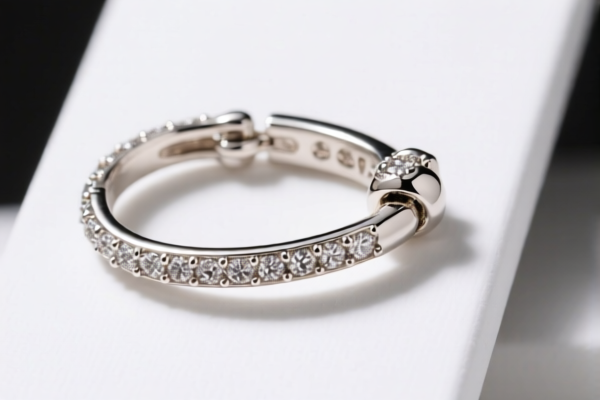
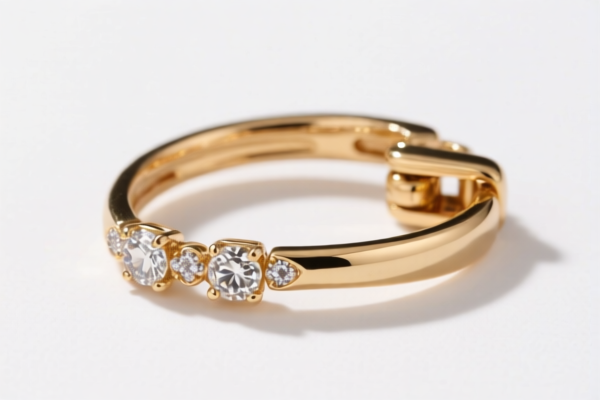
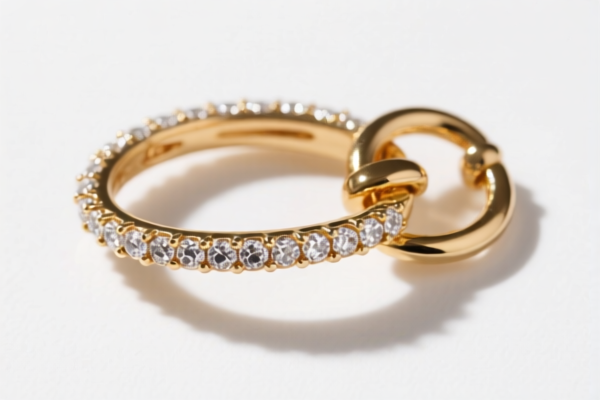
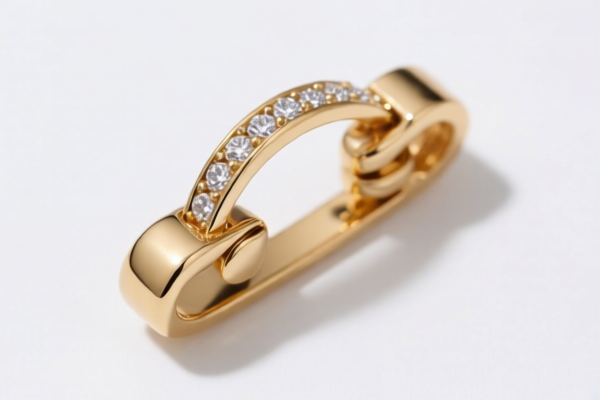
AI Analysis
💍 Jewelry Clasps (Fasteners for Jewelry)
🌐 HS Code Reference & Customs Clearance Guide | 2026 Latest Tariff Analysis | Professional Clearance Strategy
📌 1. Product Definition & Classification: Do You Really Understand "Jewelry Clasps"?
Jewelry clasps are small but critical components used to fasten necklaces, bracelets, and other adornments. In international trade, they are classified based on their material composition and function. While they serve as "fasteners," their classification diverges significantly between metal and plastic/composite materials, leading to vastly different tariff outcomes.
⚠️ Key Distinction Point:
- If made of non-precious metal (e.g., brass, zinc alloy, steel) → Classified under Chapter 83 (Base Metal Articles) or Chapter 73 (Iron/Steel Products).
- If made of plastic, rubber, or composite materials → Classified under Chapter 39 (Plastics and Articles Thereof).
- Note: Precious metal clasps (gold, silver) are generally classified under Chapter 71, but the data provided focuses on base metal and plastic alternatives commonly used in fashion jewelry.
📦 2. HS Code Classification Details (2026 Latest Tariff Authority Comparison)
| HS Code | Product Description | Material Inference | Tax Rate (Total) | Key Feature |
|---|---|---|---|---|
8308.90.60.00 |
Clasps, Buckles, and Similar Fasteners (Base Metal) | Metal (Non-precious) | 38.9% | General base metal clasps |
8308.10.00.00 |
Hooks, Eyes, and Eyelets (Base Metal) | Metal (Non-precious) | 1.1¢/kg + 2.9% + 35.0% | Specific "Hook/Eye" style |
7318.13.00.30 |
Screws, Bolts, Nuts, Washers, etc. (Iron/Steel) | Steel/Iron | 90.7% | Screw-type rings/hooks |
7318.13.00.60 |
Screws, Bolts, Nuts, Washers, etc. (Iron/Steel) | Steel/Iron | 90.7% | Threaded ring variants |
3926.90.85.00 |
Other Articles of Plastics (General) | Plastic/Composite | 24.0% | General plastic fasteners |
3926.90.99.89 |
Other Articles of Plastics (Catch-all) | Plastic/Metal Composite | 22.8% | Mixed material plastics |
🔍 Critical Reminder:
- Metal Clasps (8308): Subject to heavy "Section 301" tariffs (25%) + "122 Clauses" (10%).
- Plastic Clasps (3926): Lower base tariffs but still face 122 Clauses (10%).
- Steel Items (7318): Face the highest burden (50% additional tariff on steel/copper/aluminum from China).
- Do NOT mix materials in a single shipment without clear labeling; customs may classify the entire batch under the highest applicable rate or the "base metal" category if metal is detected.
💰 3. 2026 Latest Tariff Rate Details (Including Surcharges, Policy Add-ons)
✅ Applicable Country: United States (US)
✅ Origin: China (CN)
✅ Effective Date: November 10, 2025 onwards (and subsequent imports)
🎯 1. 8308.90.60.00 —— Base Metal Clasps & Buckles
| Item | Content |
|---|---|
| Base Duty | 3.9% |
| Section 301 Surcharge | +25.0% |
| 122 Clauses Surcharge | +10.0% |
| Total Effective Rate | 38.9% |
| Tax Calculation | CIF Value × 38.9% |
| De Minimis Eligibility | ❌ No (Not exempt) |
| Legal Authority Path | Section 301: 8308 → 122 Clauses: 8308.90.60.00 |
📌 Explanation:
- This is the standard classification for non-precious metal clasps (e.g., lobster clasps, spring rings made of brass/zinc).
- The 38.9% rate is a significant cost factor. Fashion jewelry brands must account for this in pricing strategies.
- No ad valorem minimum; it is purely percentage-based.
🎯 2. 8308.10.00.00 —— Hooks, Eyes, and Eyelets (Base Metal)
| Item | Content |
|---|---|
| Base Duty | 1.1¢/kg + 2.9% |
| Section 301 Surcharge | +25.0% |
| 122 Clauses Surcharge | +10.0% |
| Total Effective Rate | 1.1¢/kg + ~35.0% (composite) |
| Tax Calculation | (Weight × $0.011) + (CIF Value × 2.9%) + Surcharges |
| De Minimis Eligibility | ❌ No |
| Legal Authority Path | Section 301: 8308.10 → 122 Clauses |
📌 Note:
- Applies to specific hook-and-eye fasteners often used in delicate jewelry or lingerie-inspired accessories.
- The per-kg charge (1.1¢) adds up for lightweight items, making the percentage surcharge even more impactful.
- Similar to8308.90.60.00, but with a different structural duty base.
🎯 3. 7318.13.00.30 & 7318.13.00.60 —— Iron/Steel Screw Rings & Hooks
| Item | Content |
|---|---|
| Base Duty | 5.7% |
| Section 301 Surcharge | +25.0% |
| 122 Clauses Surcharge | +10.0% |
| Steel/Copper/Aluminum Additional Tariff | +50.0% |
| Total Effective Rate | 90.7% |
| Tax Calculation | CIF Value × 90.7% |
| De Minimis Eligibility | ❌ No |
| Legal Authority Path | Section 301: 7318 → 122 Clauses → Steel Add-on: 50% |
📌 Warning:
- This is the most punitive category. If your "jewelry clasp" is made of steel and classified as a "screw ring" or "threaded hook," it incurs a 50% additional tariff on top of existing duties.
- 90.7% is extremely high. Ensure your product is not misclassified as a "mechanical part" if it can fit into8308.
- Common in industrial-style jewelry (e.g., chain links with threaded ends).
🎯 4. 3926.90.85.00 & 3926.90.99.89 —— Plastic/Composite Clasps
| Item | Content |
|---|---|
| Base Duty | 5.3% – 6.5% |
| Section 301 Surcharge | +7.5% |
| 122 Clauses Surcharge | +10.0% |
| Total Effective Rate | 22.8% – 24.0% |
| Tax Calculation | CIF Value × Rate |
| De Minimis Eligibility | ❌ No |
| Legal Authority Path | Section 301: 3926 → 122 Clauses |
📌 Strategy:
- Plastic clasps are significantly cheaper to import (~23-24% vs. 39-90%).
- If your product allows, consider using high-quality composites or plastics to reduce tariff burden, provided it meets durability standards.
-3926.90.99.89is a "catch-all" for other plastic articles and may be applicable if the clasp is a complex composite not fully covered by85.
🛠️ 4. Customs Clearance Practical Advice (Real-World Pitfall Guide)
✅ 1. Document Checklist (Non-negotiable)
| Document | Required | Notes |
|---|---|---|
| ✅ Product Specification Sheet | ✔️ | Must clearly state Material Composition (e.g., "Brass, Gold-plated" vs. "ABS Plastic") |
| ✅ High-Resolution Photos | ✔️ | Show close-ups of the fastening mechanism to distinguish between "clasp" (8308) and "screw ring" (7318) |
| ✅ Commercial Invoice | ✔️ | Describe as "Jewelry Accessories: Metal Clasp" or "Plastic Buckle," NOT generic "Fastener" |
| ✅ Certificate of Origin (CO) | ✔️ | Crucial for proving China origin and applying correct surcharges |
| ✅ Material Declaration | ✔️ | Explicitly state % of base metal vs. plastic to avoid misclassification |
✅ 2. Declaration Tips (Key Mantra)
🔥 "Material First, Function Second, Name Specific, Tariff Lower!"
| Scenario | Correct Declaration | Error to Avoid |
|---|---|---|
| Metal Clasp | "Metal Jewelry Clasp, Brass Alloy" | "Metal Fastener" → May trigger 7318 (90.7%) |
| Plastic Clasp | "Plastic Jewelry Clasp, ABS Plastic" | "Plastic Buckle" → May trigger generic 3926.90 (24%) |
| Mixed Material | "Composite Clasp, Plastic Body with Metal Spring" | Declare as Plastic (3926) if plastic is the main character, but be prepared for scrutiny |
| Steel Chain Link | "Jewelry Component, Steel Ring" | "Screw, Metal" → Triggers 7318 (90.7%) |
✅ 3. Special Handling Cases
| Scenario | Handling Advice |
|---|---|
| OEM Custom Clasps | Provide design drawings showing non-mechanical nature (i.e., not a screw/bolt) to support 8308 classification |
| Packaging with Metal & Plastic Parts | If shipped together, customs may apply the highest rate (Steel/90.7%) if not segregated. Ship separately if possible. |
| Gold/Silver Plated | If plating is thin (<500 microinches), it may still be classified as base metal (8308), not precious metal. Confirm with lab test. |
| "122 Clauses" Exemptions | Currently, no exemptions for China-origin clasps. Plan for full surcharge payment. |
🌍 5. Global Market Clearance Comparison (2026 Latest)
| Country/Region | Recommended HS Code | Tariff (China Origin) | Certification | Notes |
|---|---|---|---|---|
| 🇺🇸 USA | 8308.90.60.00 (Metal) |
38.9% | None | High tariff due to 301 + 122 |
| 🇨🇳 China | 8308.90.60.00 |
~5-7% | CCC (if applicable) | Low import duty for domestic trade |
| 🇪🇺 EU | 7326.90.98 (Metal) |
0-2% | REACH | No Section 301; much cheaper |
| 🇬🇧 UK | 7326.90.98 |
0-2% | UKCA | Similar to EU post-Brexit |
| 🇦🇺 Australia | 7326.90.98 |
5% | ACMA (if electronic) | Moderate tariff |
📌 Conclusion:
- USA is the most expensive market for jewelry clasps due to aggressive tariffs.
- EU/UK/Australia are significantly more favorable for base metal clasps.
- Strategy: Consider diversifying suppliers to Vietnam/Mexico/India to avoid China-specific surcharges if targeting the US market.
📌 6. Common Errors & Pitfall Guide (Lessons Learned)
❌ Error 1: Classifying Steel Jewelry Chains as "Clasps" (8308)
👉 Result: Customs reclassifies as "Steel Nuts/Screws" (7318) → 90.7% Tax!
❌ Error 2: Labeling Plastic Clasps as "Base Metal"
👉 Result: Inspection reveals plastic → Misdeclaration penalty + Retention delay.
❌ Error 3: Ignoring Material Composition in Invoice
👉 Result: Customs assumes worst-case (Steel) → High duty hold.
❌ Error 4: Using Generic Terms Like "Fastener" or "Connector"
👉 Result: Ambiguity → Customs examiner chooses classification → Often higher tax.
✅ Correct Action:
"Jewelry Accessory: Metal Clasp (Brass, Gold-Plated), Model XYZ, For Necklace Use"
🎯 7. Conclusion: Precise Classification, Save Costs!
🎯 Remember the Mantra:
🔹 "Metal is 39%, Plastic is 23%, Steel is 90%!"
🔹 "Don't let a steel clasp cost you 90% in taxes!"
📌 Pro Tip:
If your product is 100% Plastic, use
3926.90.99.89(22.8%).
If Base Metal, use8308.90.60.00(38.9%).
Avoid7318at all costs for jewelry components unless absolutely necessary.
📣 Immediate Action:
📞 Consult a licensed customs broker for Pre-Ruling (ISF + ACE)
🚀 Verify material composition before shipment
💼 Optimize supply chain to mitigate US tariff risks
✨ Professional Clearance Starts with Accurate Classification!
💼 Every dollar saved in duty is pure profit!
Customer Reviews
About HS Code Classification
The Harmonized System (HS) is an internationally standardized nomenclature developed by the World Customs Organization (WCO) to classify traded products. Over 200 countries use the HS system as the basis for customs tariffs, trade statistics, and import/export regulations.
Each HS code follows a hierarchical structure:
- Chapter (2 digits) — Broad category of goods (e.g., Chapter 84: Machinery and Mechanical Appliances)
- Heading (4 digits) — More specific grouping within the chapter
- Subheading (6 digits) — Internationally standardized breakdown, used by all WCO member countries
- National subdivisions (8-10 digits) — Country-specific extensions for further classification, such as US HTSUS 10-digit codes
Correct HS code classification is essential for smooth customs clearance, accurate duty payment, and compliance with trade regulations. Misclassification can lead to customs delays, overpayment of duties, or penalties.
When importing from CN to US, the applicable tariff rates may include:
- Most-Favored-Nation (MFN) rate — The standard duty rate applied to WTO members
- General rate — Applied to countries without trade agreements
- Trade remedy duties — Additional tariffs such as Section 301 (anti-dumping), Section 232 (national security), or countervailing duties
The information provided on this page is for reference purposes only. For official classification, please consult with your local customs authority or a licensed customs broker.