Jewelry Storage Tray
CN → US| HS Code | Tariff Rate | Origin | Destination | Doc |
|---|---|---|---|---|
| 8306290000 | 10.0% | CN | US | Official Doc |
| 7013995090 | 40.0% | CN | US | Official Doc |
| 7013994001 | 48.0% | CN | US | Official Doc |
| 8306300000 | 87.7% | CN | US | Official Doc |
Product Images
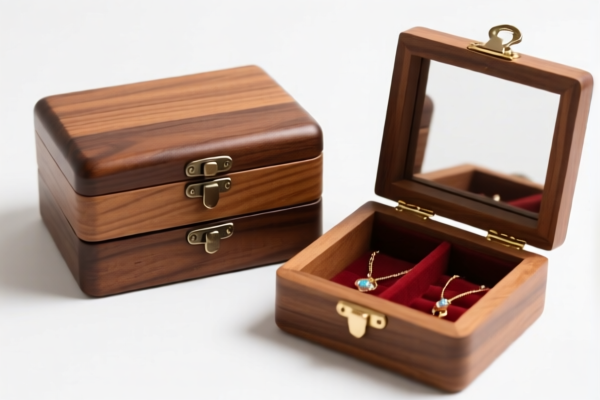
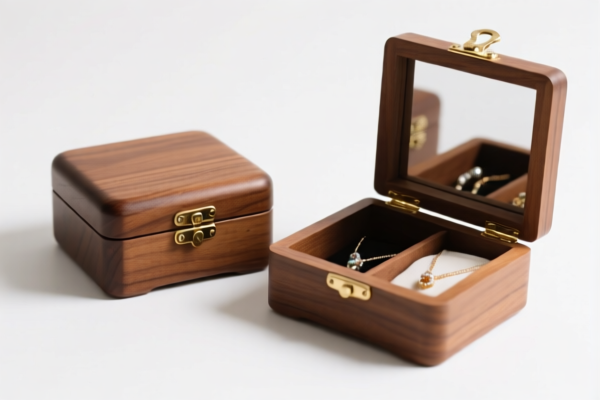
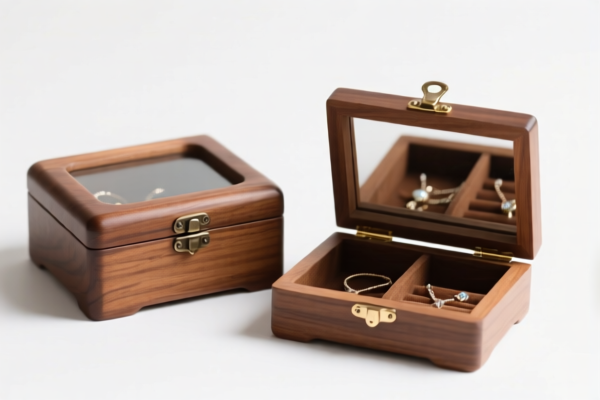
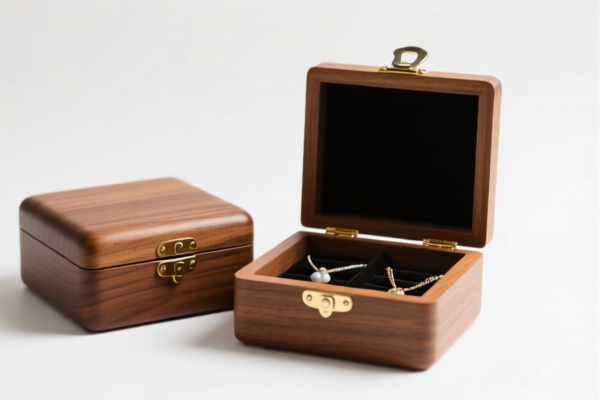
AI Analysis
🖇️ Jewelry Storage Tray (饰品盘)
🌐 HS Code Reference & Customs Clearance Guide | 2026 Latest Tariff Analysis | Professional Strategy
📌 1. Product Definition & Classification: What is a "Jewelry Tray"?
A Jewelry Storage Tray is a household or commercial item designed to hold, organize, and display jewelry items (rings, necklaces, earrings). In international trade, its classification hinges entirely on Material and Function:
- Metal Trays: Typically made of iron, copper, aluminum, or alloy. Classified as "Ornaments and parts thereof."
- Glass Trays: Typically clear or tinted glass. Classified as "Glassware."
⚠️ Critical Distinction:
- If made of metal → Look at Chapter 83 (Ornaments/Accessories).
- If made of glass → Look at Chapter 70 (Glassware).
- Do not mix materials! Misclassification leads to massive tariff discrepancies (from 10% to 87.7%).
📦 2. HS Code Classification Details (Based on Provided Data)
| HS Code | Product Description | Material Inference | Tax Rate (Total) |
|---|---|---|---|
8306.29.00.00 |
Other ornaments and parts thereof | Metal (Base metal inferred) | 10.0% |
7013.99.50.90 |
Other glass table/kitchen ware | Glass (Inferred for interior decor) | 40.0% |
7013.99.40.01 |
Other glassware (non-table/kitchen) | Glass (Inferred for decor) | 48.0% |
8306.30.00.00 |
Other metal ornaments & parts | Metal (Specifically Steel/Aluminum/Copper) | 87.7% |
💰 3. Detailed Tariff Analysis (US Import from China)
✅ Applicable Country: United States (US)
✅ Origin: China (CN)
✅ Context: Includes Base Tariff, Section 301 (Add-on), and Section 122 Tariff.
🎯 1. 8306.29.00.00 — Metal Ornaments (Standard)
Best for general alloy/iron jewelry trays.
| Item | Detail |
|---|---|
| Base Tariff | 0.0% |
| Section 301 Add-on | 0.0% |
| Section 122 Tariff | 10.0% |
| Total Tax Rate | 10.0% |
| Calculation | CIF Value × 10.0% |
📌 Explanation:
- This is the most cost-effective classification for metal trays if they fall under general "ornaments" rather than specific steel/aluminum/copper categories.
- Lowest Risk: No high Section 301 tariffs apply here in this specific data set.
🎯 2. 7013.99.50.90 — Glassware (Table/Kitchen/Ware)
Best for glass jewelry dishes used for home decor.
| Item | Detail |
|---|---|
| Base Tariff | 30.0% |
| Section 301 Add-on | 0.0% |
| Section 122 Tariff | 10.0% |
| Total Tax Rate | 40.0% |
| Calculation | CIF Value × 40.0% |
📌 Explanation:
- Even though it's a jewelry tray, if classified as "glass ware," it attracts a high base duty.
- No Section 301 add-on is listed in this specific entry, but the base rate is still high compared to metal ornaments.
🎯 3. 7013.99.40.01 — Glassware (Other)
Alternative glass classification, often for non-standard glass items.
| Item | Detail |
|---|---|
| Base Tariff | 38.0% |
| Section 301 Add-on | 0.0% |
| Section 122 Tariff | 10.0% |
| Total Tax Rate | 48.0% |
| Calculation | CIF Value × 48.0% |
📌 Explanation:
- Slightly higher base duty (38% vs 30%) than the previous glass code.
- Recommendation: Avoid this code if7013.99.50.90is applicable, as it increases costs.
🎯 4. 8306.30.00.00 — Specific Metal Ornaments (Steel/Alu/Cu)
High-risk classification for trays made of specific base metals.
| Item | Detail |
|---|---|
| Base Tariff | 2.7% |
| Section 301 Add-on | 25.0% |
| Section 122 Tariff | 10.0% |
| Steel/Alu/Cu Add-on | 50.0% |
| Total Tax Rate | 87.7% |
| Calculation | CIF Value × 87.7% |
📌 CRITICAL WARNING:
- This is the most expensive option.
- It triggers three layers of taxes: Base + 301 + 122 + Specific Metal Surcharge (50%).
- Only use this code if the product is explicitly identified as Steel, Aluminum, or Copper ornaments and cannot be classified under general ornaments (8306.29).
- Avoid if possible: Unless you have a specific technical reason, this rate will destroy profit margins.
🛠️ 4. Customs Clearance Practical Advice (Real-World Pitfalls)
✅ 1. Documentation Checklist
| Document | Requirement | Notes |
|---|---|---|
| Product Spec Sheet | ✔️ Mandatory | Must specify Material clearly (e.g., "Alloy," "Tempered Glass," "Stainless Steel"). |
| Photos | ✔️ Mandatory | Clear images showing the tray’s shape (disk/platter) and lack of electrical components. |
| Commercial Invoice | ✔️ Mandatory | Description must match HS Code logic (e.g., "Glass Jewelry Dish" vs. "Metal Ornament Tray"). |
| Origin Certificate | ✔️ Recommended | To prove China origin and apply correct Section 301/122 rates. |
✅ 2. Classification Strategy (The "Golden Rules")
🔥 Rule #1: Material is King.
- If it’s Metal: Try to classify under8306.29.00.00(10%) instead of8306.30.00.00(87.7%).
- Why?8306.29is for "Other ornaments," while8306.30often triggers the specific metal surcharges.
- Tip: Use terms like "Decorative Alloy Tray" rather than "Steel Plate" to support8306.29.🔥 Rule #2: Glass is Expensive.
- Glass jewelry trays are taxed heavily regardless of the specific HS code (40%–48%).
- Strategy: If cost is critical, consider switching material to Metal (8306.29) to save ~30-38% in duties.🔥 Rule #3: Avoid "Specific Metal" Traps.
- Do not let your supplier list the raw material as "Steel" or "Copper" if you can classify it as "Alloy" or "Base Metal Ornament."
- Risk: Listing "Steel" directly links to the 50% surcharge in8306.30.00.00.
✅ 3. Special Case Handling
| Scenario | Recommendation |
|---|---|
| Mixed Material | If the tray has a metal frame and glass bottom, classify based on essential character. Usually, the container aspect (metal) might dominate, but consult a broker. |
| Packaging | Declare trays loose in cartons. Do not include jewelry inside unless declared as a set (which changes classification). |
| OEM/White Label | Provide generic descriptions. Avoid brand-specific terms that might trigger unrelated regulatory checks. |
🌍 5. Quick Cost Comparison Summary
| HS Code | Material | Total Duty | Risk Level | Recommendation |
|---|---|---|---|---|
8306.29.00.00 |
Metal/Alloy | 10.0% | 🟢 Low | BEST OPTION for metal trays |
7013.99.50.90 |
Glass | 40.0% | 🟡 Medium | Acceptable for glass, but pricey |
7013.99.40.01 |
Glass | 48.0% | 🟡 High | Avoid if 7013.99.50.90 fits |
8306.30.00.00 |
Steel/Alu/Cu | 87.7% | 🔴 Critical | AVOID unless unavoidable |
📌 6. Common Mistakes & Pitfalls
❌ Mistake 1: Declaring a Steel tray as 8306.29.00.00 without justification.
👉 Consequence: Customs may reclassify to 8306.30.00.00 → 87.7% Duty.
✅ Fix: Ensure the material is described as "Alloy" or "Decorative Base Metal" and not explicitly "Steel Plate."
❌ Mistake 2: Using "Glass" for a metal tray to hide material.
👉 Consequence: Seizure, fines, and retroactive duties.
✅ Fix: Accurate material declaration is mandatory.
❌ Mistake 3: Ignoring Section 122 Tariff.
👉 Consequence: Underpayment by 10%.
✅ Fix: Remember, ALL these codes include a 10% Section 122 surcharge. It is not optional.
🎯 7. Conclusion: Save Money by Classifying Correctly
🎯 Key Takeaway:
For Jewelry Storage Trays, Material is the #1 Cost Driver.
- Metal (Alloy) = 10% (Safe & Cheap)
- Glass = 40-48% (Expensive)
- Specific Metal (Steel/Cu) = 87.7% (Prohibitively Expensive)
📌 Pro Tip:
If you are importing metal trays, work with your supplier to ensure the product is described as "Decorative Alloy Tray" or "Base Metal Ornament" to qualify for
8306.29.00.00(10%). Avoid specific mentions of "Steel," "Aluminum," or "Copper" unless you are prepared for the 87.7% hit.
✨ Professional Clearance Starts with Precise Classification!
💼 Don’t let an HS Code error cost you 77% of your profit!
Customer Reviews
About HS Code Classification
The Harmonized System (HS) is an internationally standardized nomenclature developed by the World Customs Organization (WCO) to classify traded products. Over 200 countries use the HS system as the basis for customs tariffs, trade statistics, and import/export regulations.
Each HS code follows a hierarchical structure:
- Chapter (2 digits) — Broad category of goods (e.g., Chapter 84: Machinery and Mechanical Appliances)
- Heading (4 digits) — More specific grouping within the chapter
- Subheading (6 digits) — Internationally standardized breakdown, used by all WCO member countries
- National subdivisions (8-10 digits) — Country-specific extensions for further classification, such as US HTSUS 10-digit codes
Correct HS code classification is essential for smooth customs clearance, accurate duty payment, and compliance with trade regulations. Misclassification can lead to customs delays, overpayment of duties, or penalties.
When importing from CN to US, the applicable tariff rates may include:
- Most-Favored-Nation (MFN) rate — The standard duty rate applied to WTO members
- General rate — Applied to countries without trade agreements
- Trade remedy duties — Additional tariffs such as Section 301 (anti-dumping), Section 232 (national security), or countervailing duties
The information provided on this page is for reference purposes only. For official classification, please consult with your local customs authority or a licensed customs broker.