Jiaodepu Pants Hem Accessories
CN → US| HS Code | Tariff Rate | Origin | Destination | Doc |
|---|---|---|---|---|
| 9605000000 | 18.1% | CN | US | Official Doc |
| 3926906530 | 14.2% | CN | US | Official Doc |
| 3926906510 | 14.2% | CN | US | Official Doc |
Product Images
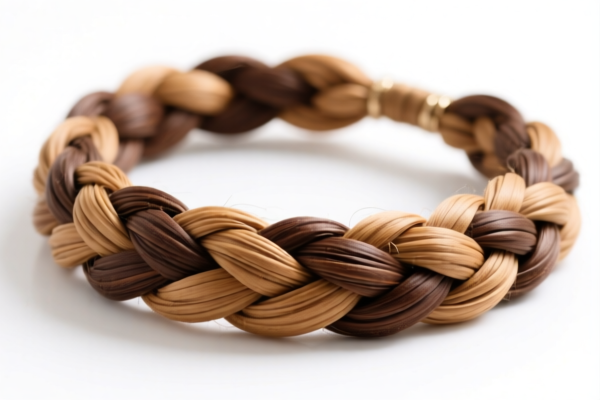
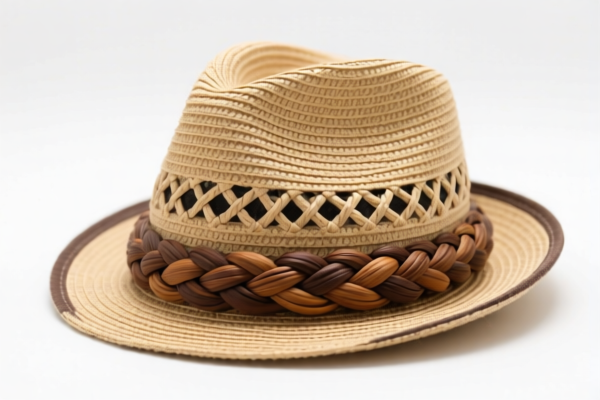

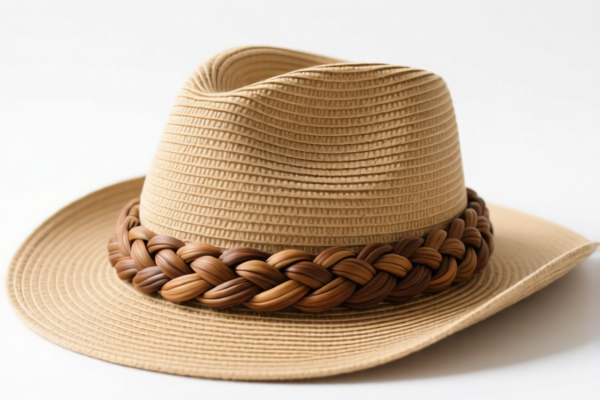
AI Analysis
🧵 Jiaodepu Pants Hem Accessories (焦德普裤脚配件)
🌐 HS Code Reference & Customs Clearance Guide | 2026 Latest Tariff Analysis | Professional Strategy for Textile Accessories
📌 I. Product Definition & Classification: What are "Pants Hem Accessories"?
Jiaodepu Pants Hem Accessories (often referred to as cuff adjusters, hem locks, or button covers) are small functional components used to modify, secure, or decorate the hem of trousers, jeans, or skirts. In international trade, the classification depends heavily on material composition, form, and function.
Because these accessories are versatile, customs authorities may classify them differently based on how they are perceived: 1. As Textile/Leather Accessories: If made of metal or plastic and used for garment maintenance/sewing, they may fall under Chapter 96. 2. As Plastic Articles: If primarily viewed as molded plastic components or clips, they may fall under Chapter 39. 3. As General Plastic Parts: If viewed as generic industrial plastic parts, they may fall under other subheadings of Chapter 39.
⚠️ Critical Distinction:
- Material Matters: Metal vs. Plastic determines if it's Ch. 96 or Ch. 39.
- Function Matters: Is it a "clip" (fastener) or a "part" of a larger tool?
- Context Matters: Are they sold as a standalone kit or as raw components?
📦 II. HS Code Classification Details (2026 Latest Tariff Reference)
Based on the provided data, there are three possible classification paths. The choice depends on the specific material and how the importer describes the product.
| HS Code | Product Description | Basis for Classification | Material/Form Inference |
|---|---|---|---|
9605.00.00.00 |
Travelling Sewing Kits & Similar Goods | Classified as accessories for shoe/clothing cleaning/sewing tools. Viewed as part of a "complete kit" or auxiliary sewing tool. | Plastic/Metal/Mixed (Tool-like) |
3926.90.65.30 |
Other Articles of Plastic | Classified based on "parts/components" rules. Interpreted as a plastic or synthetic fiber component/part. | Plastic / Synthetic Fiber |
3926.90.65.10 |
Other Articles of Plastic | Classified as "zero parts" (spare parts). Interpreted as plastic or metal fiber clips/accessories for clothing. | Plastic / Metal Fiber (Clip-like) |
🔍 Key Observation:
- All three codes result in the same total tax rate due to specific trade policies (see below).
- The difference lies in customs scrutiny and description accuracy.
-9605is often preferred if the item is sold in a set with needles/thread/etc.
-3926is preferred if sold in bulk as individual plastic/metal pieces.
💰 III. 2026 Latest Tariff Rate Breakdown (Including Surcharges)
✅ Applicable Country: United States (US)
✅ Origin: China (CN)
✅ Effective Date: Current 2026 Tariff Structure
All three HS Codes for Jiaodepu Pants Hem Accessories carry a Total Tax Rate of 18.1%. This is composed of a base duty plus a specific Section 301 (122 Clause) surcharge.
🎯 1. HS Code 9605.00.00.00 – Sewing Tools/Kits
| Item | Detail |
|---|---|
| Base Tariff | 8.1% (General Rate) |
| Section 301 / 122 Clause Surcharge | 10.0% |
| Other Surcharges | 0.0% |
| Total Tax Rate | 18.1% |
| Calculation | CIF Value × 18.1% |
| De Minimis Exemption? | ❌ No (Section 301 goods are generally excluded from $800 de minimis relief if not properly classified or if origin is restricted) |
📌 Explanation:
- The 10% surcharge is imposed under the "122 Clause" (referenced in the data), which aligns with US trade actions against Chinese goods.
-9605is often scrutinized to ensure it is truly a "traveling sewing kit" and not just loose parts.
🎯 2. HS Code 3926.90.65.30 – Plastic Articles (Components)
| Item | Detail |
|---|---|
| Base Tariff | 4.2% (General Rate) |
| Section 301 / 122 Clause Surcharge | 10.0% |
| Other Surcharges | 0.0% |
| Total Tax Rate | 18.1% |
| Calculation | CIF Value × 18.1% |
| De Minimis Exemption? | ❌ No |
📌 Explanation:
- While the base tariff is lower (4.2%), the 10% surcharge remains mandatory for Chinese-origin plastic articles.
- This code is suitable if the hem accessory is clearly defined as a plastic component.
🎯 3. HS Code 3926.90.65.10 – Plastic Articles (Clips/Accessories)
| Item | Detail |
|---|---|
| Base Tariff | 4.2% (General Rate) |
| Section 301 / 122 Clause Surcharge | 10.0% |
| Other Surcharges | 0.0% |
| Total Tax Rate | 18.1% |
| Calculation | CIF Value × 18.1% |
| De Minimis Exemption? | ❌ No |
📌 Explanation:
- Similar to3926.90.65.30, this code captures the item as a clip or accessory.
- The tax burden is identical. The choice between.30and.10depends on whether customs views the item as a "part" or a "clip."
🛠️ IV. Customs Clearance Practical Advice (Risk Mitigation)
✅ 1. Essential Documentation Checklist
| Document | Required? | Notes |
|---|---|---|
| Product Photos | ✅ Yes | Clear images showing the hem accessory, packaging, and scale. |
| Material Specification | ✅ Yes | Must specify if it is Plastic, Metal, or Mixed. |
| Commercial Invoice | ✅ Yes | Must describe item as "Pants Hem Adjuster/Cuff Clip" not just "Accessory." |
| Country of Origin Cert | ✅ Yes | Proof of Chinese origin triggers the 10% surcharge. |
| HS Code Pre-Ruling | ⭐ Recommended | Request a binding ruling from CBP if shipping high volumes. |
✅ 2. Declaration Strategy (Key Tips)
| Scenario | Recommended HS Code | Declaration Description | Risk |
|---|---|---|---|
| Sold in a Kit (with needle, thread, etc.) | 9605.00.00.00 |
"Travelling Sewing Kit containing Hem Accessories" | Low Risk if kit is complete |
| Bulk Plastic Parts | 3926.90.65.30 |
"Plastic Pants Hem Parts, Model JDP-001" | Medium Risk (Material must be >95% plastic) |
| Plastic Clips/Loops | 3926.90.65.10 |
"Plastic Clothing Clips / Hem Adjusters" | Medium Risk (Must not be metal) |
🔥 Golden Rule:
"Be specific about material!"
- If you declare3926but the item is 50% metal, customs may reclassify to9605or penalize you.
- If you declare9605but it's just loose plastic parts, customs may reject it as "not a kit."
✅ 3. Special Considerations
| Situation | Advice |
|---|---|
| De Minimis ($800) Shipment | ❌ Avoid: Section 301 goods (122 Clause items) are typically not eligible for de minimis exemption if the origin is China. Taxes will be assessed. |
| Mixed Containers | If shipping with other goods, ensure the hem accessories are separately invoiced to avoid misclassification of the entire shipment. |
| Metal Components | If the accessory has metal pins or screws, 3926 may be challenged. Use 9605 or check Chapter 73/83 for metal parts. |
🌍 V. Global Market Comparison (2026)
| Market | Recommended HS Code | Est. Total Tax Rate | Notes |
|---|---|---|---|
| 🇺🇸 USA | 9605 or 3926 |
18.1% | Includes 10% Section 301/122 Surcharge. No de minimis. |
| 🇨🇳 China | 9605 or 3926 |
5-10% | Standard import duties. No US surcharges. |
| 🇪🇺 EU | 9605 or 3926 |
12-16% | Standard EU duties. No Section 301. |
| 🇨🇦 Canada | 9605 or 3926 |
10-15% | Standard duties. No US surcharges. |
📌 Conclusion:
- The 18.1% rate is specific to US Imports from China.
- Other markets do not apply the 10% "122 Clause" surcharge.
- For US-bound shipments, tax planning is critical due to the non-negotiable 10% surcharge.
📌 VI. Common Mistakes & Pitfalls
❌ Mistake 1: Declaring as "Garment Accessories" under 6217 (Other made up clothing accessories).
👉 Consequence: Customs may reclassify to 9605 or 3926, leading to rate changes and delays.
❌ Mistake 2: Ignoring the "122 Clause" Surcharge.
👉 Consequence: Underpayment of 10% → Penalties + Interest upon audit.
❌ Mistake 3: Using De Minimis ($800) for large B2B shipments.
👉 Consequence: Shipments may be seized or returned if customs determines they are commercial goods subject to Section 301.
❌ Mistake 4: Ambiguous Material Description ("Plastic/Metal").
👉 Consequence: Customs will choose the highest-duty or most appropriate code, potentially resulting in higher taxes or rejection.
✅ Correct Practice:
"Plastic Pants Hem Adjuster Clips, Model JDP-100, 100% Polymer, Origin: China"
🎯 VII. Conclusion: Optimize Your Customs Strategy
🎯 Key Takeaways:
🔹 Tax Rate is Fixed at 18.1% for all three HS codes due to the 10% surcharge.
🔹 Material Accuracy is Critical: Ensure the HS code matches the actual material (Plastic vs. Kit).
🔹 No De Minimis: Do not rely on the $800 exemption for these goods from China.
🔹 Documentation: Clear photos and material specs prevent delays.
📌 Pro Tip:
If you are shipping small quantities for testing, consider consolidating with other non-Section 301 goods in a different origin country (e.g., Vietnam) to avoid the 10% surcharge, if supply chain allows.
📣 Immediate Action:
📞 Confirm Material Composition with your supplier.
📄 Prepare Detailed Invoice with HS Code9605.00.00.00OR3926.90.65.xx.
🚀 Budget for 18.1% Total Duty in your cost analysis.
✨ Precision in Classification Saves Dollars!
💼 Don't Let Customs Delays Hold You Back!
Customer Reviews
About HS Code Classification
The Harmonized System (HS) is an internationally standardized nomenclature developed by the World Customs Organization (WCO) to classify traded products. Over 200 countries use the HS system as the basis for customs tariffs, trade statistics, and import/export regulations.
Each HS code follows a hierarchical structure:
- Chapter (2 digits) — Broad category of goods (e.g., Chapter 84: Machinery and Mechanical Appliances)
- Heading (4 digits) — More specific grouping within the chapter
- Subheading (6 digits) — Internationally standardized breakdown, used by all WCO member countries
- National subdivisions (8-10 digits) — Country-specific extensions for further classification, such as US HTSUS 10-digit codes
Correct HS code classification is essential for smooth customs clearance, accurate duty payment, and compliance with trade regulations. Misclassification can lead to customs delays, overpayment of duties, or penalties.
When importing from CN to US, the applicable tariff rates may include:
- Most-Favored-Nation (MFN) rate — The standard duty rate applied to WTO members
- General rate — Applied to countries without trade agreements
- Trade remedy duties — Additional tariffs such as Section 301 (anti-dumping), Section 232 (national security), or countervailing duties
The information provided on this page is for reference purposes only. For official classification, please consult with your local customs authority or a licensed customs broker.