Juice Bag
CN → US| HS Code | Tariff Rate | Origin | Destination | Doc |
|---|---|---|---|---|
| 4819200020 | 35.0% | CN | US | Official Doc |
| 4819100020 | 35.0% | CN | US | Official Doc |
| 3923210030 | 38.0% | CN | US | Official Doc |
| 3923210011 | 38.0% | CN | US | Official Doc |
| 6911103510 | 43.5% | CN | US | Official Doc |
Product Images
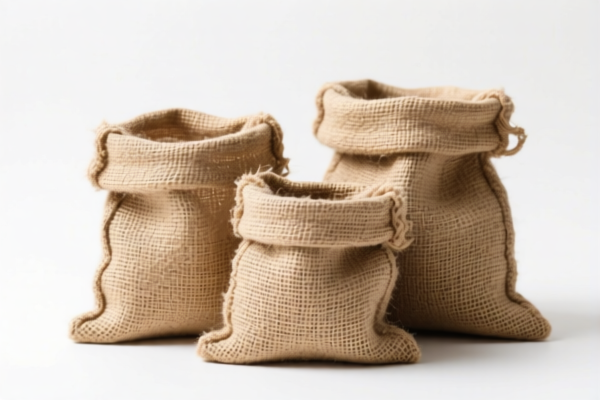
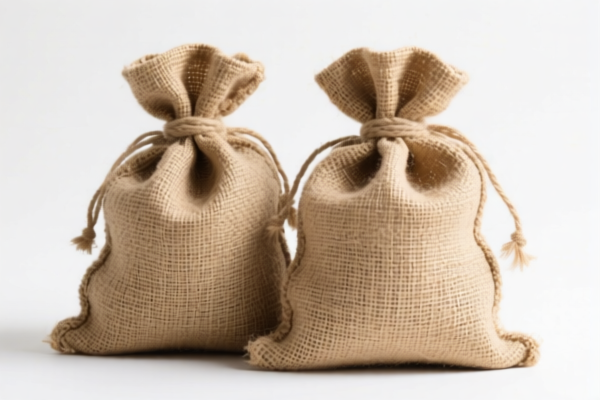
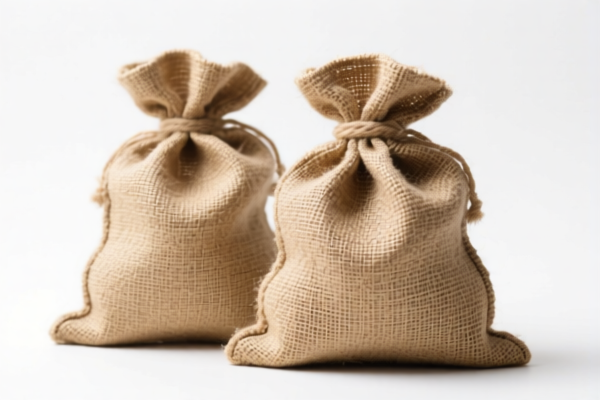
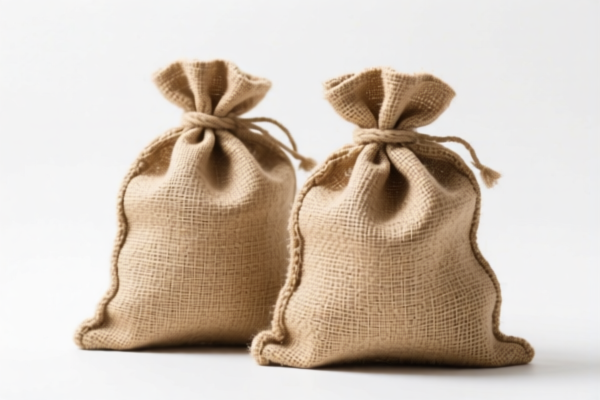
AI Analysis
🧃 Juice Bag (Juice Pouches)
🌐 HS Code Reference & Customs Clearance Guide | 2026 Latest Tariff Analysis | Professional Clearance Strategy
📌 Part 1: Product Definition & Classification: What Exactly is a "Juice Bag"?
In international trade, a "Juice Bag" is a generic term that masks two fundamentally different material compositions. The HS Code classification strictly depends on the material composition of the bag. Misclassification here leads to significant tariff discrepancies and customs delays.
There are two primary categories: 1. Plastic Juice Bags: Made primarily from polyethylene (plastic polymers). These are typically flexible, transparent or opaque, and sealable. 2. Paper/Composite Juice Bags: Made from paperboard, often with plastic or aluminum lining for hygiene and barrier properties. These are rigid or semi-rigid cartons (aseptic cartons) or soft paper pouches.
⚠️ Critical Distinction Point:
- If the bag is flexible, plastic-based, and shaped like a pouch/bag → It belongs to Chapter 39 (Plastics). - If the bag is paper-based or composite paper and used as a container → It belongs to Chapter 48 (Paper/Paperboard).
📦 Part 2: HS Code Classification Details (2026 Latest Tariff Authority Match)
Based on the provided data, here are the exact HS Codes applicable to "Juice Bags," categorized by material and form.
| HS Code | Product Description & Material Inference | Key Characteristics | Tax Rate (Total) |
|---|---|---|---|
3923.21.00.11 |
Plastic Juice Bag (Bag Shape) Material: Vinyl Polymer (Plastic) Use: Packaging |
Flexible bag shape, plastic material, used for packaging liquids. | 38.0% |
3923.21.00.30 |
Plastic Juice Bag (Pouch/Sac Shape) Material: Vinyl Polymer (Plastic) Use: Packaging |
Cavity-like or sac shape, plastic material, fits definition of plastic packaging articles. | 38.0% |
4819.20.00.20 |
Paper/Composite Juice Bag Material: Paper or Composite Paper Use: Beverage Container |
Non-corrugated box/category, paper-based, used for drinks. | 35.0% |
4819.10.00.20 |
Paper/Composite Juice Bag Material: Paper or Composite Paper Structure Use: Hygienic Container for Food/Drink |
Default paper/composite structure, strict hygiene standards for food contact. | 35.0% |
🔍 Important Note:
- Codes3923.21.00.xxare for Plastic bags. - Codes4819.xx.xxare for Paper/Composite bags. - The choice of HS Code determines the 3% vs. 0% Base Tariff, though both face significant additional duties.
💰 Part 3: 2026 Latest Tariff Rate Breakdown (Including Surtaxes)
✅ Applicable Region: United States (US)
✅ Origin: China (CN) (Implied by "Section 301" and "122 Section" surcharges)
✅ Effective Time: 2025–2026 Import Period
🎯 1. Plastic Juice Bags (3923.21.00.11 & 3923.21.00.30)
| Item | Content |
|---|---|
| Base Tariff | 3.0% (Standard MFN rate for plastic packaging) |
| Section 301 Surcharge | +25.0% (USITC Footnote related to Chinese goods) |
| Section 122 Surcharge | +10.0% (Specific provision for certain imports) |
| Total Tax Rate | 38.0% |
| Tax Calculation | CIF Value × 38.0% |
| De Minimis Eligibility | ❌ No (These items are generally excluded from de minimis thresholds due to high tariffs) |
📌 Explanation:
- Plastic juice bags are considered "packaging articles of plastics." - The 38% total tax is high. Importers must account for the 3% base plus 35% in surcharges. - Ensure the product description clearly states "Plastic" or "Polyethylene" to justify Chapter 39.
🎯 2. Paper/Composite Juice Bags (4819.20.00.20 & 4819.10.00.20)
| Item | Content |
|---|---|
| Base Tariff | 0.0% (Often duty-free for certain paper containers under specific subheadings) |
| Section 301 Surcharge | +25.0% (USITC Footnote related to Chinese goods) |
| Section 122 Surcharge | +10.0% (Specific provision for certain imports) |
| Total Tax Rate | 35.0% |
| Tax Calculation | CIF Value × 35.0% |
| De Minimis Eligibility | ❌ No (High surcharge usually negates de minimis benefits) |
📌 Explanation:
- Paper-based juice containers benefit from a 0% base rate, making them slightly cheaper than plastic bags before surcharges. - However, the 35% total tax is still significant due to the +25% + 10% surcharges. - Ensure the product description specifies "Paper" or "Composite Paper" to avoid being wrongly classified as plastic (which has a 3% base, making the total 38%).
🛠️ Part 4: Customs Clearance Practical Advice (Real-World Pitfall Guide)
✅ 1. Required Documentation Checklist (Mandatory)
| Document | Must Provide? | Notes |
|---|---|---|
| ✅ Product Specification Sheet | ✔️ | Must explicitly state Material Composition (e.g., "100% Polyethylene" vs. "Paper with PE lining"). |
| ✅ Product Photos | ✔️ | Clear images showing the bag's texture (plastic sheen vs. paper matte finish) and shape. |
| ✅ Commercial Invoice | ✔️ | Description must match HS Code: e.g., "Plastic Juice Pouch" or "Paper Juice Carton." |
| ✅ Packing List | ✔️ | Detail net weight/gross weight. |
| ✅ FDA Registration (If applicable) | ✔️ | Since it's a food contact material, FDA compliance is critical for US entry. |
| ✅ Certificate of Origin | ✔️ | To verify country of origin for surcharge assessment. |
✅ 2. Declaration Tips (Key Rules)
🔥 “Material Dictates Code, Shape Confirms Category, Name Must Be Precise!”
| Scenario | Correct Declaration | Common Mistake | Consequence |
|---|---|---|---|
| Plastic Pouch | HS: 3923.21.00.11Name: "Flexible Plastic Juice Bag" |
Calling it "Paper Bag" | Misclassification → Potential penalty + 3% base tax error |
| Paper Carton | HS: 4819.20.00.20Name: "Composite Paper Juice Container" |
Calling it "Plastic Bag" | Misclassification → 0% base tax missed → Underpayment risk |
| Mixed Package | Do NOT mix plastic and paper in one line item | One line: "Juice Bags" | Customs may seize and split, causing delay |
📌 Warning:
- Do not use vague terms like "Packaging Material." Use "Juice Bag" or "Liquid Food Pouch." - If the bag has multiple layers (e.g., Paper + Aluminum + Plastic), it is still classified under Chapter 48 (Paper) if paper provides the principal character, or Chapter 39 (Plastic) if plastic provides the principal character. Usually, aseptic cartons are 4819.
✅ 3. Special Circumstances Handling
| Situation | Handling Advice |
|---|---|
| OEM Private Label | Provide the brand name and model. Ensure the material description is consistent with the supplier’s declaration. |
| Biodegradable Plastic Bags | Still likely 3923.21.00.xx unless specifically certified as paper-composite. Confirm with lab test if disputed. |
| Aseptic Cartons (Pure-Pak style) | Definitely 4819.20.00.20 or 4819.10.00.20. These are rigid/semi-rigid paper structures. |
| Soft Squeeze Pouches | These are 3923.21.00.11 or 3923.21.00.30. They are plastic bags, not paper. |
🌍 Part 5: Global Market Comparison (2026 Context)
| Country/Region | Recommended HS Code | Estimated Tariff (China Origin) | Notes |
|---|---|---|---|
| 🇺🇸 USA | 3923.21.00.11 / 4819.20.00.20 |
35% - 38% | High surcharges (25% + 10%) apply. |
| 🇨🇳 China | 3923.21.00.11 / 4819.20.00.20 |
Lower | Import duties are generally lower without US-style surcharges. |
| 🇪🇺 EU | 3923.29 / 4819.10 |
Varies (0-6.5%) | No 25% Section 301 or 122 surcharges. Much more cost-effective. |
| 🇬🇧 UK | 3923.29 / 4819.10 |
Varies (0-6.5%) | Post-Brexit tariffs may vary, but no US-style penalties. |
📌 Conclusion:
- The US market is the most expensive for "Juice Bags" due to Section 301 and Section 122 surcharges. - Consider supply chain diversification (e.g., sourcing from Vietnam or Mexico) if targeting the US market, as goods from these origins may be exempt from the 25% + 10% surcharges, reducing the total tax to just the base rate (3% for plastic, 0% for paper).
📌 Part 6: Common Mistakes & Pitfall Guide (Lessons Learned)
❌ Mistake 1: Calling a Plastic Bag a "Container" without specifying material.
👉 Consequence: Customs may classify it under a generic packaging code with a higher base rate or require additional testing.
❌ Mistake 2: Assuming Paper Bags are duty-free overall.
👉 Consequence: The 0% base rate is offset by the 35% total tax. Do not underestimate the 25% + 10% surcharges.
❌ Mistake 3: Mixing Plastic and Paper bags in one shipment without clear line items.
👉 Consequence: Customs may reject the entry or audit the entire shipment, causing delays and storage fees.
✅ Correct Approach:
"Plastic Juice Bag, 500ml, Polyethylene, For Packaging Liquid Food, Model ABC"
OR
"Paper Juice Carton, 1L, Composite Paper, For Beverage, Model XYZ"
🎯 Part 7: Conclusion: Precision in Classification, Savings in Tariffs
🎯 Remember the Rules:
🔹 "Plastic = 3923 (38% Total)"
🔹 "Paper = 4819 (35% Total)"
🔹 "Surcharges Apply (25% + 10%)"
🔹 "Material is King, Name is Queen!"
📌 Pro Tip:
- If you are exporting to the US, calculate the total landed cost using 38% (plastic) or 35% (paper).
- If the volume is high, consider Advance Ruling (APA) from US Customs and Border Protection (CBP) to get a binding classification.
- For non-China origins, check eligibility for tariff exemptions to reduce the surcharge burden.
📣 Immediate Action:
📞 Contact a licensed customs broker with your product samples and material specifications.
🚀 Optimize your supply chain to mitigate the 35-38% tax burden in the US market.
✨ Professional Clearance Starts with Accurate Classification!
💼 Every Percentage Point of Tax Matters!
Customer Reviews
About HS Code Classification
The Harmonized System (HS) is an internationally standardized nomenclature developed by the World Customs Organization (WCO) to classify traded products. Over 200 countries use the HS system as the basis for customs tariffs, trade statistics, and import/export regulations.
Each HS code follows a hierarchical structure:
- Chapter (2 digits) — Broad category of goods (e.g., Chapter 84: Machinery and Mechanical Appliances)
- Heading (4 digits) — More specific grouping within the chapter
- Subheading (6 digits) — Internationally standardized breakdown, used by all WCO member countries
- National subdivisions (8-10 digits) — Country-specific extensions for further classification, such as US HTSUS 10-digit codes
Correct HS code classification is essential for smooth customs clearance, accurate duty payment, and compliance with trade regulations. Misclassification can lead to customs delays, overpayment of duties, or penalties.
When importing from CN to US, the applicable tariff rates may include:
- Most-Favored-Nation (MFN) rate — The standard duty rate applied to WTO members
- General rate — Applied to countries without trade agreements
- Trade remedy duties — Additional tariffs such as Section 301 (anti-dumping), Section 232 (national security), or countervailing duties
The information provided on this page is for reference purposes only. For official classification, please consult with your local customs authority or a licensed customs broker.