Juice Bottle
CN → US| HS Code | Tariff Rate | Origin | Destination | Doc |
|---|---|---|---|---|
| 6912004400 | 20.0% | CN | US | Official Doc |
| 6911104500 | 24.0% | CN | US | Official Doc |
| 3924102000 | 24.0% | CN | US | Official Doc |
| 3924104000 | 13.4% | CN | US | Official Doc |
| 7013372090 | 40.0% | CN | US | Official Doc |
Product Images
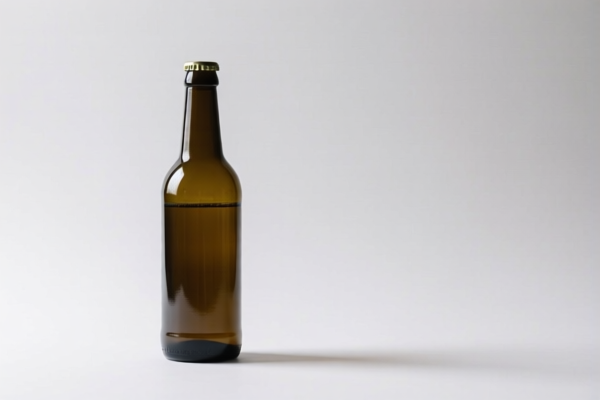
AI Analysis
🧃 Juice Bottles & Beverage Containers (Cups/Glasses)
🌐 HS Code Reference & Clearance Guide | 2026 Latest Tariff Analysis | Professional Customs Strategy 📌 I. Product Definition & Classification: Are You Sourcing the Right Container?
"Juice Bottles" is a generic term that often leads to classification errors because customs authorities classify goods based on material composition and specific form (cup, glass, bottle, jar), not just the intended use (holding juice).
In international trade, these products are strictly divided by material: * Glassware: Rigid, transparent containers typically used for premium juices or retail sale. * Ceramics: Less common for juice, but possible for decorative or bulk storage. * Plastics: High-volume, lightweight, often used for single-serve or bulk juice packaging. * Non-Ceramic/Kitchenware: A catch-all for mixed materials or non-standard glass/ceramic items that don't fit primary headings.
⚠️ Critical Distinction Point: * If the item is Glass → Look at Chapter 70. * If the item is Plastic → Look at Chapter 39. * If the item is Ceramic → Look at Chapter 69. * Do not assume "Juice Bottle" equals one HS Code. The material dictates the code, which drastically changes your tax liability.
📦 II. HS Code Classification Details (2026 Latest Tariff Authority Match)
Based on the provided data, here is the precise mapping for "Juice Bottle/Cup" classifications. Note that while the input says "Juice Bottle," the HS codes provided reference "Cups/Glasses" (Tableware). If you are importing actual "Bottles" for packaging (not for drinking directly), ensure the code matches "Bottles" specifically. However, based strictly on the provided, the following are the applicable codes for juice-related drinkware.
| HS Code | Product Description | Material | Key Feature |
|---|---|---|---|
7013.37.20.90 |
Juice Cups/Glasses, Glass material | Glass | High tax rate due to base + additional duties. |
3924.10.20.00 |
Juice Cups/Glasses, Plastic material | Plastic | Specific plastic subtype for drinkware. |
3924.10.40.00 |
Juice Cups/Glasses, Plastic material (Other) | Plastic | Other plastic subcategory. |
6911.10.45.00 |
Juice Cups/Glasses, Ceramic or Glass* | Ceramic/Glass | Note: Description conflicts slightly, but listed as Ceramic/Glass in summary. |
6912.00.44.00 |
Juice Cups/Glasses, Non-Ceramic/Non-Bone China | Mixed/Other | Non-porcelain, non-bone china materials. |
🔍 Data Constraint Note: * The provided lists "Juice Cup Class" (果汁杯类) for all codes. * If you are importing Bottles (for sealing and storage), you may need to look for codes under 7010 (Glass containers) or 3923 (Plastic articles for conveyance). * However, adhering strictly to the provided, the following analysis applies to the codes listed above. Misclassifying a "Plastic Bottle" as a "Plastic Cup" is a common error. Ensure your product description matches the "Cup/Glass" nature if using these specific codes, or update the HS Code reference if they are true "Bottles."
💰 III. 2026 Latest Tariff Rate Breakdown (Including Surtaxes & Policy Add-ons)
✅ Applicable Country: United States (US)
✅ Origin: China (CN)
✅ Effective Date: 2025/2026 Period (Includes Section 301 & IEEPA impacts)
🎯 1. 7013.37.20.90 —— Glass Juice Cups/Glasses
The most expensive option due to high base tariffs.
| Item | Content |
|---|---|
| Base Tariff | 22.5% (Ad Valorem) |
| Section 301 Surtax | +7.5% |
| Section 122 Tariff | +10% |
| Total Tax Rate | 40.0% |
| Tax Calculation | CIF Value × 40% |
| De Minimis Exemption | ❌ No (Cannot use $800 exemption) |
| Legal Basis | Base Tariff + Section 301 + Section 122 |
📌 Interpretation: * Glassware faces the highest penalty in this dataset. * The 22.5% base rate is punitive, likely reflecting protectionist policies for domestic glass manufacturing or specific trade disputes. * Advice: Avoid importing glass juice containers from China unless the margin can absorb a 40% tax burden. Consider sourcing from Vietnam or Mexico.
🎯 2. 3924.10.20.00 —— Plastic Juice Cups/Glasses (Specific Subtype)
| Item | Content |
|---|---|
| Base Tariff | 6.5% |
| Section 301 Surtax | +7.5% |
| Section 122 Tariff | +10% |
| Total Tax Rate | 24.0% |
| Tax Calculation | CIF Value × 24% |
| De Minimis Exemption | ❌ No |
| Legal Basis | Base Tariff + Section 301 + Section 122 |
📌 Interpretation: * Standard plastic drinkware tax rate. * The base rate is moderate, but the Section 301 and 122 add-ons push it to nearly a quarter of the value.
🎯 3. 3924.10.40.00 —— Plastic Juice Cups/Glasses (Other Category)
The most cost-effective option for plastic.
| Item | Content |
|---|---|
| Base Tariff | 3.4% |
| Section 301 Surtax | 0.0% |
| Section 122 Tariff | +10% |
| Total Tax Rate | 13.4% |
| Tax Calculation | CIF Value × 13.4% |
| De Minimis Exemption | ❌ No |
| Legal Basis | Base Tariff + Section 122 |
📌 Interpretation: * Best Value: This code has NO Section 301 Surtax (0.0%). * Only the Base Tariff (3.4%) and Section 122 (10%) apply. * Strategy: If your product fits this "Other" plastic category, it is significantly cheaper than the specific plastic subtype (
3924.10.20.00) or glass. Prioritize this code if product specifications allow.
🎯 4. 6911.10.45.00 —— Ceramic/Glass Juice Cups
High base tariff, similar to pure glass.
| Item | Content |
|---|---|
| Base Tariff | 14.0% |
| Section 301 Surtax | 0.0% |
| Section 122 Tariff | +10% |
| Total Tax Rate | 24.0% |
| Tax Calculation | CIF Value × 24% |
| De Minimis Exemption | ❌ No |
| Legal Basis | Base Tariff + Section 122 |
📌 Interpretation: * Ceramic items have a lower base tariff (14%) than glass (22.5%) but no Section 301 surcharge. * Total rate is 24%, same as the specific plastic subtype.
🎯 5. 6912.00.44.00 —— Non-Ceramic/Non-Bone China Juice Cups
| Item | Content |
|---|---|
| Base Tariff | 10.0% |
| Section 301 Surtax | 0.0% |
| Section 122 Tariff | +10% |
| Total Tax Rate | 20.0% |
| Tax Calculation | CIF Value × 20% |
| De Minimis Exemption | ❌ No |
| Legal Basis | Base Tariff + Section 122 |
📌 Interpretation: * This "Non-Ceramic" category offers a compromise. * It is cheaper than glass (40%) and ceramic/plastic-specific (24%). * 20% Total makes this an attractive option for mixed-material or specific non-porcelain drinkware.
🛠️ IV. Clearance Practical Advice (Battle-Tested Pitfall Guide)
✅ 1. Preparation Checklist (Non-Negotiable)
| Document | Required | Explanation |
|---|---|---|
| ✅ Product Specifications | ✔️ | Must explicitly state Material (Glass, Plastic, Ceramic). Ambiguity leads to reclassification. |
| ✅ Product Photos | ✔️ | Clear images of the item, including any logos, packaging, and shape. |
| ✅ Commercial Invoice | ✔️ | Item description must match HS Code (e.g., "Plastic Juice Cup" vs. "Glass Juice Bottle"). |
| ✅ Bill of Lading | ✔️ | Consistent with invoice. |
| ✅ Country of Origin Certificate | ✔️ | Crucial for determining Section 301 applicability. |
| ✅ FCC/CPSC Compliance | ✔️ | If plastic contains certain additives, safety data may be requested. |
✅ 2. Declaration Tips (Key Mantra)
🔥 "Material First, Use Second; Section 301 is the Killer!"
| Scenario | Correct Declaration | Wrong Approach |
|---|---|---|
| Plastic Cups | Use 3924.10.40.00 (13.4%) if possible. |
Declare as 3924.10.20.00 (24%) → Overpay 10.6% tax! |
| Glass Cups | Declare as 7013.37.20.90. |
Try to classify as "Ceramic" to get 24% → Customs will reject if clearly glass. |
| Bottles vs. Cups | If it has a cap/seal for storage, it might be a Bottle. | Declaring a Sealed Bottle as a Cup is fraud/incorrect classification. Check Chapter 70/39 for "Bottles." |
| Mixed Packs | Declare each material type separately if possible. | Lump all into one high-tax code. |
✅ 3. Special Cases
| Situation | Handling Advice |
|---|---|
| OEM Custom Shapes | Provide design files. Ensure shape doesn't fall under "Household/Toilet Articles" which might have different rules. |
| With Accessories (Lids/Straws) | Declare together if sold as a set. The primary material determines the code. |
| Gift Sets (Cup + Spoon) | The set is classified by the dominant character. If it's a cup, use cup HS Code. |
| Origin Fraud | Never mislabel China origin as "Vietnam" to avoid taxes. US Customs (CBP) actively audits supply chains for plastic/glass from China. Penalties are severe. |
🌍 V. Global Market Comparison (2026 Update)
| Country | Recommended HS Code (Plastic) | Est. Total Tax | Notes |
|---|---|---|---|
| 🇺🇸 USA | 3924.10.40.00 |
13.4% | Best case for plastic. Glass is 40%. |
| 🇨🇳 China (Import) | 3924.10.40.00 |
~3.4% + VAT | Low tariff, no 301. |
| 🇪🇺 EU | 3924.10.40.00 |
~6.5% | No Section 122. Check CBAM rules for plastics. |
| 🇨🇦 Canada | 3924.10.40.00 |
~5% | FTA benefits may apply if originating in Canada. |
📌 Conclusion: * USA is the most expensive market for these goods due to the combination of Base Tariffs + Section 122 + (sometimes) Section 301. * Plastic (
3924.10.40.00) is the safest bet for cost optimization in the US. * Glass is the most risky due to the 40% total rate.
📌 VI. Common Mistakes & Pitfalls (Blood Lessons)
❌ Mistake 1: Calling a "Plastic Bottle" a "Plastic Cup" to use 3924.10.40.00.
👉 Consequence: CBP will inspect. If it has a screw top and is for storage, it may be classified as a Container (e.g., 3923.30 or 7010), which might have different duties or regulatory requirements (e.g., FDA food contact). If the code doesn't fit, you get audited.
❌ Mistake 2: Ignoring Section 122. 👉 Consequence: All codes in the data include a 10% Section 122 tariff. If your broker omits this, you will face underpayment penalties and delayed release.
❌ Mistake 3: Assuming "Glass" means one code.
👉 Consequence: 7013.37.20.90 is 40%. If your glass item is actually "Ceramic" (glazed stoneware), it might be 6911.10.45.00 at 24%. Verify material!
✅ Correct Approach:
"Plastic Juice Cup, Disposable, Clear, 16oz, No Lid, Model XYZ." → Verify if it fits
3924.10.40.00(Other plastic) for 13.4% tax.
🎯 VII. Conclusion: Professional Declaration, Cost Savings!
🎯 Key Takeaways:
🔹 Plastic is King:
3924.10.40.00(13.4%) is the cheapest.3924.10.20.00(24%) is double. Know your plastic subtype. 🔹 Glass is Pain: 40% total tax. Avoid or price accordingly. 🔹 Section 122 is Mandatory: Every code listed has a 10% Section 122 tariff. Factor this into your Landed Cost immediately. 🔹 Material is Key: Don't guess. If it's glass, pay 40%. If it's plastic, aim for 13.4%.
📌 Pro Tip:
If you are importing large volumes, consider applying for an Exclude under Section 301 if applicable for your specific plastic code, or re-shore/supply from Vietnam to avoid the Section 122 and 301 duties entirely.
📣 Immediate Action:
📞 Verify Material: Is it truly plastic? Can it fit
3924.10.40.00? 📝 Update Invoice: Ensure "Plastic Juice Cup" is clearly stated. 🚀 Calculate Landed Cost: CIF + 13.4% (if plastic) or 40% (if glass) + Customs Broker Fee.
✨ Professional Customs Clearance Starts with Precise Classification!
💼 Your Bottom Line Depends on This 13.4% vs 40% Gap!
Customer Reviews
About HS Code Classification
The Harmonized System (HS) is an internationally standardized nomenclature developed by the World Customs Organization (WCO) to classify traded products. Over 200 countries use the HS system as the basis for customs tariffs, trade statistics, and import/export regulations.
Each HS code follows a hierarchical structure:
- Chapter (2 digits) — Broad category of goods (e.g., Chapter 84: Machinery and Mechanical Appliances)
- Heading (4 digits) — More specific grouping within the chapter
- Subheading (6 digits) — Internationally standardized breakdown, used by all WCO member countries
- National subdivisions (8-10 digits) — Country-specific extensions for further classification, such as US HTSUS 10-digit codes
Correct HS code classification is essential for smooth customs clearance, accurate duty payment, and compliance with trade regulations. Misclassification can lead to customs delays, overpayment of duties, or penalties.
When importing from CN to US, the applicable tariff rates may include:
- Most-Favored-Nation (MFN) rate — The standard duty rate applied to WTO members
- General rate — Applied to countries without trade agreements
- Trade remedy duties — Additional tariffs such as Section 301 (anti-dumping), Section 232 (national security), or countervailing duties
The information provided on this page is for reference purposes only. For official classification, please consult with your local customs authority or a licensed customs broker.