Jump Ball
CN → US| HS Code | Tariff Rate | Origin | Destination | Doc |
|---|---|---|---|---|
| 3926909989 | 22.8% | CN | US | Official Doc |
| 3926909905 | 22.8% | CN | US | Official Doc |
| 9503000013 | 10.0% | CN | US | Official Doc |
| 9503000011 | 10.0% | CN | US | Official Doc |
| 9506628060 | 22.3% | CN | US | Official Doc |
| 9506696020 | 22.4% | CN | US | Official Doc |
Product Images
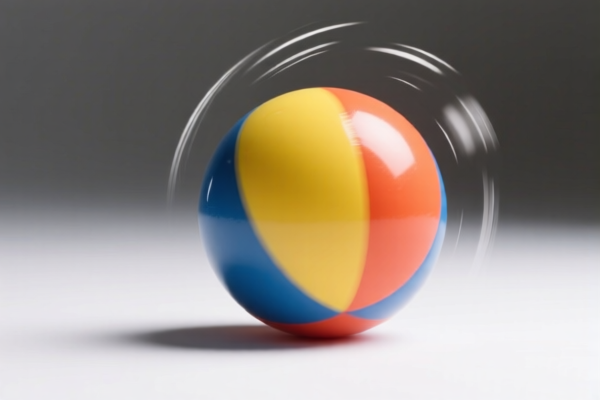
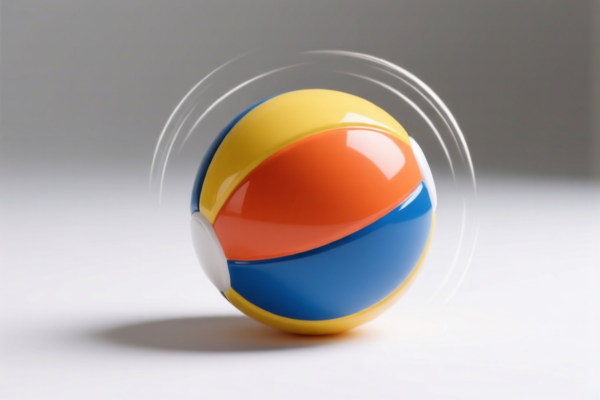
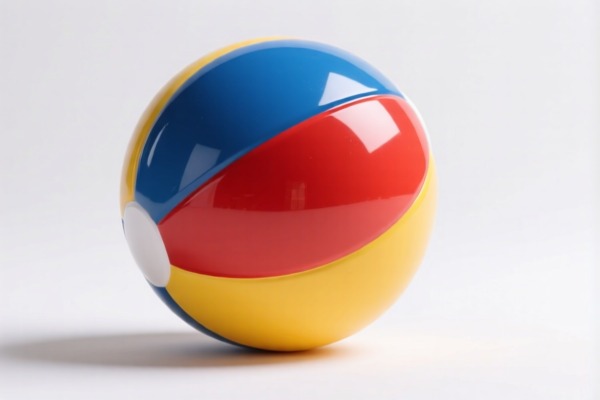
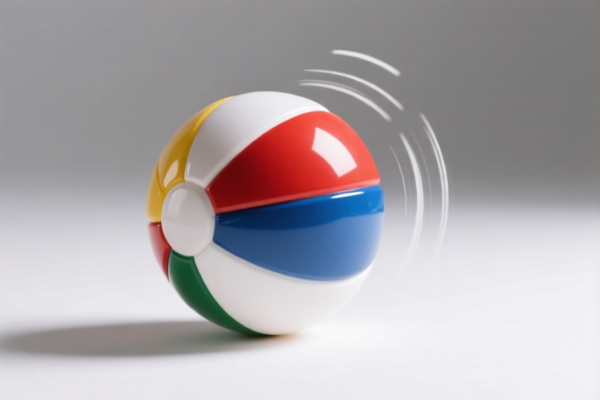
AI Analysis
🏀 Jump Ball (The Opening Tip-Off)
🌐 HS Code Reference & Customs Clearance Guide | 2026 Latest Tariff Analysis | Professional Clearance Strategy
📌 I. Product Definition & Classification: What is a "Jump Ball"?
In the context of international trade and customs classification, a "Jump Ball" typically refers to the physical inflatable basketball used at the start of a basketball game, or broadly, the basketball itself. It is a specialized sports article designed for dribbling, passing, and shooting.
Unlike general rubber balls, a jump ball/basketball has specific characteristics: * Material: Usually composite leather, rubber, or synthetic materials over an air bladder. * Function: Designed for high-impact bouncing and grip. * Category: It falls under "Articles and equipment for... other sports...; swimming pools and wading pools; parts and accessories thereof."
⚠️ Key Distinction:
- If it is a deflated or partially assembled ball intended for inflation, it may be classified under different headings (e.g., parts of air mattresses or general plastic articles).
- If it is a finished, inflated (or ready-to-inflate) sports ball, it falls under Heading 9506.
- Do not confuse it with "inflatable toy balls" for children under 3 (HS 9503), as basketballs are generally for persons 3 years and older or competitive sports.
📦 II. HS Code Classification Details (2026 Latest Tariff Authority对照)
Based on the provided data, the most accurate classification for a standard sports jump ball (basketball) is:
| HS Code | Product Description | Application Scenario | Tax Rate (China Origin to US) |
|---|---|---|---|
9506.62.80.60 |
Inflatable balls: Other Other (Specifically for Sports Balls like Basketball) | Standard basketballs used in games, practice, or recreational play. | 12.3% |
9506.69.60.20 |
Other balls: Other Other (Non-inflatable or specialized) | Solid rubber balls, non-inflatable training aids. | 12.4% |
9503.00.00.13 |
Children’s Products (3-12 years): Inflatable toy balls, balloons, punchballs, of rubber | Small toy balls labeled/determined for children aged 3-12. | 0.0% |
9503.00.00.11 |
Children’s Products (Under 3): Inflatable toy balls, balloons, punchballs, of rubber | Toy balls for infants/toddlers (safety-certified). | 0.0% |
🔍 Critical Analysis:
- A standard basketball used in a "jump ball" scenario is an inflatable sports ball. It falls under 9506.62.80.60.
- Do NOT misclassify a standard basketball as a "children's toy" (9503) if it is intended for general sports use by persons over 12 or for competitive play.
- Exception: If the product is explicitly a small, soft, inflatable toy ball labeled ONLY for children aged 3-12, it may qualify for 0% tax under9503.00.00.13. However, a regulation basketball (size 7, 29.5 inches) cannot be classified here.
💰 III. 2026 Latest Tariff Rate Breakdown (Including Surtaxes & Policy Additions)
✅ Applicable Country: United States (US)
✅ Country of Origin: China (CN)
✅ Effective Date: November 10, 2025 (and subsequent imports)
🎯 1. 9506.62.80.60 – Inflatable Sports Balls (e.g., Standard Basketball)
| Item | Content |
|---|---|
| Base Tariff | 4.8% (ad valorem) |
| USITC Surtax | +7.5% (Section 301 / China-specific) |
| Total Rate | 12.3% |
| Tax Calculation | CIF Value × 12.3% |
| De Minimis Exemption | ❌ Not Applicable (Valuation > $800 generally required for formal entry; below $800 may face different scrutiny but tax rate remains) |
| Legal Authority | USITC:9506.62.80.60 + Section 301 Surtax |
📌 Explanation:
- Base Tax (4.8%): Standard US duty for inflatable sports equipment.
- Surtax (7.5%): Additional tariff imposed on Chinese-origin goods under Section 301.
- Total (12.3%): This is the final landed duty cost for the ball itself.
- Warning: If declared as a "Toy" (9503) incorrectly, you risk penalties, back-taxes, and seizure.
🎯 2. 9503.00.00.13 – Children’s Inflatable Toy Balls (Age 3-12)
| Item | Content |
|---|---|
| Base Tariff | 0.0% |
| USITC Surtax | 0.0% |
| Total Rate | 0.0% |
| Tax Calculation | $0 |
| De Minimis Exemption | ✅ Not Applicable (But tax is already 0%) |
📌 Explanation:
- Only applies if the product is explicitly marketed and labeled for children aged 3-12.
- A standard basketball is not considered a "toy" for this category if used for sports.
- Risk: Misclassification can lead to severe customs penalties.
🛠️ IV. Customs Clearance Practical Advice (Battle-Tested Pitfall Guide)
✅ 1. Required Documentation Checklist (Non-Negotiable)
| Document | Required | Description |
|---|---|---|
| ✅ Product Specification Sheet | ✔️ | Dimensions (circumference, weight), material (rubber/synthetic leather), inflation pressure. |
| ✅ Commercial Invoice | ✔️ | Must clearly state "Sports Ball, Basketball, Inflatable" or "Toy Ball for Children 3-12". Do not use vague terms like "Rubber Item." |
| ✅ Labeling/Packaging Photos | ✔️ | Show age rating (e.g., "Ages 3-12" vs. "Official Size 7 Basketball"). This is critical for 0% vs. 12.3% classification. |
| ✅ Certificate of Origin (CO) | ✔️ | To prove China origin (triggering 7.5% surtax). |
| ✅ FCC/CE/RoHS Certs | ✔️ | If applicable for materials or electronic components (e.g., smart basketballs). |
✅ 2. Declaration Tips (Key Mantras)
🔥 "Material Matters, Age Defines Rate, Sport vs. Toy – Know Your Place!"
| Scenario | Correct HS Code | Error to Avoid |
|---|---|---|
| Standard Basketball (Size 7) | 9506.62.80.60 (12.3%) |
❌ Misdeclaring as "Toy" → Seizure & Penalty |
| Small Inflatable Beach Ball (Toy) | 9503.00.00.13 (0.0%) |
❌ Declaring as "Sports Equipment" → Overpaying tax |
| Solid Rubber Ball (No Air) | 9506.69.60.20 (12.4%) |
❌ Declaring as "Inflatable" → Customs Questioning |
| Basketball Pump (Accessory) | 9506.99 or 8413.91 |
❌ Bundling with ball without separate valuation |
✅ 3. Special Cases Handling
| Situation | Handling Advice |
|---|---|
| "Smart" Basketball (with chips) | May fall under 9031.80 or 8543.70 if electronic. Check for data transmission features. |
| OEM Custom Balls | Provide client design specs. Ensure labeling matches intended market (US vs. EU). |
| Bulk Shipments (Pallets) | Ensure all units have consistent labeling. Mixed ages/uses require split HS codes. |
| Gift Sets (Ball + Pump + Net) | Declare as Basketball Set. Primary purpose determines classification (usually the ball). |
🌍 V. Global Market Comparison (2026 Latest)
| Country/Region | Recommended HS Code | Duty Rate (China Origin) | Certification Required | Notes |
|---|---|---|---|---|
| 🇺🇸 USA | 9506.62.80.60 |
12.3% | No major certs for basic rubber ball | High surtax on China |
| 🇪🇺 EU | 9506.62 |
4.5% + VAT | CE Marking (if deemed toy) | Lower base duty, no Section 301 |
| 🇨🇦 Canada | 9506.62 |
0% (if CUSMA qualified) | Health Canada (if toy) | Check CUSMA rules of origin |
| 🇬🇧 UK | 9506.62 |
0% | UKCA Marking | Post-Brexit rules apply |
| 🇦🇺 Australia | 9506.62 |
5% | ACCC (if toy) | No major surtax |
📌 Conclusion:
- USA has the highest effective duty (12.3%) for sports balls due to surtaxes.
- EU and UK have lower base duties but stricter toy safety regulations (EN71, UKCA) if marketed to children.
- Canada offers potential 0% duty if the ball is produced under CUSMA rules (unlikely for Chinese-made balls).
📌 VI. Common Errors & Pitfall Guide (Blood & Tears Lessons)
❌ Error 1: Declaring a Size 7 Basketball as a "Children's Toy" to get 0% tax.
👉 Consequence: Customs flags the discrepancy (size/weight vs. "toy"). Penalty + Back Taxes + Potential Seizure.
❌ Error 2: Mixing Inflatable and Solid balls in one shipment without separate HS codes.
👉 Consequence: Delay in clearance, request for re-declaration, storage fees.
❌ Error 3: Ignoring Labeling Requirements.
👉 Consequence: If labeled "For Children Under 12" but is a regulation basketball, it violates FTC/CPSIA guidelines. Product Recall Risk.
❌ Error 4: Not declaring Section 301 Surtax correctly.
👉 Consequence: Underpayment of 7.5% surtax. Interest and penalties accrue immediately.
✅ Correct Approach:
"Inflatable Basketball, Rubber/Composite, Size 7, For General Sports Use, Model XYZ, 2026"
🎯 VII. Conclusion: Professional Declaration, Save Time, Save Money!
🎯 Remember the Mantra:
🔹 "Inflatable Sports Ball = 12.3%. Toy Ball = 0%. Misdeclare = Pain."
🔹 "Size 7 is not a Toy! Check the Label, Check the Tax!"
🔹 "HS Code Decides Destiny, 7.5% Surtax is Real, Declaration One Step, Back Tax Thousands!"
📌 Pro Tip:
If you are importing small inflatable balls (e.g., 6-inch diameter) labeled explicitly for children 3-12, you can use 9503.00.00.13 for 0% duty. But for a regulation jump ball/basketball, you must use 9506.62.80.60 and budget for 12.3%.
📣 Immediate Action:
📞 Contact a licensed customs broker + Provide Product Photos + Apply for Pre-Ruling (Binding Ruling) if high volume.
🚀 Let your Jump Balls clear smoothly, export efficiently, and maximize profit!
✨ Professional Clearance Starts with Accurate Classification!
💼 Every Cent of Cost is Worth Precisely Calculated!
Customer Reviews
About HS Code Classification
The Harmonized System (HS) is an internationally standardized nomenclature developed by the World Customs Organization (WCO) to classify traded products. Over 200 countries use the HS system as the basis for customs tariffs, trade statistics, and import/export regulations.
Each HS code follows a hierarchical structure:
- Chapter (2 digits) — Broad category of goods (e.g., Chapter 84: Machinery and Mechanical Appliances)
- Heading (4 digits) — More specific grouping within the chapter
- Subheading (6 digits) — Internationally standardized breakdown, used by all WCO member countries
- National subdivisions (8-10 digits) — Country-specific extensions for further classification, such as US HTSUS 10-digit codes
Correct HS code classification is essential for smooth customs clearance, accurate duty payment, and compliance with trade regulations. Misclassification can lead to customs delays, overpayment of duties, or penalties.
When importing from CN to US, the applicable tariff rates may include:
- Most-Favored-Nation (MFN) rate — The standard duty rate applied to WTO members
- General rate — Applied to countries without trade agreements
- Trade remedy duties — Additional tariffs such as Section 301 (anti-dumping), Section 232 (national security), or countervailing duties
The information provided on this page is for reference purposes only. For official classification, please consult with your local customs authority or a licensed customs broker.