Jumping Bag
CN → US| HS Code | Tariff Rate | Origin | Destination | Doc |
|---|---|---|---|---|
| 3923210080 | 38.0% | CN | US | Official Doc |
| 3923290000 | 38.0% | CN | US | Official Doc |
| 6305330040 | 25.9% | CN | US | Official Doc |
Product Images
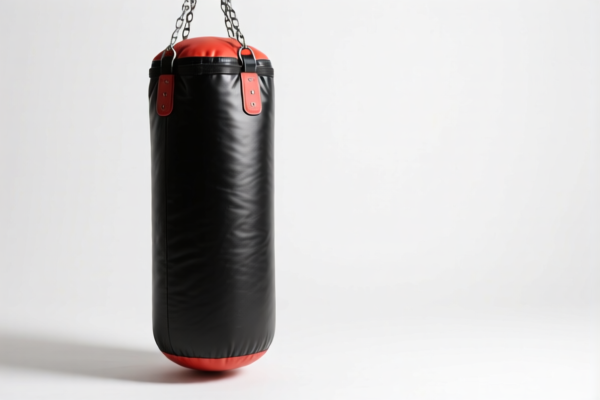
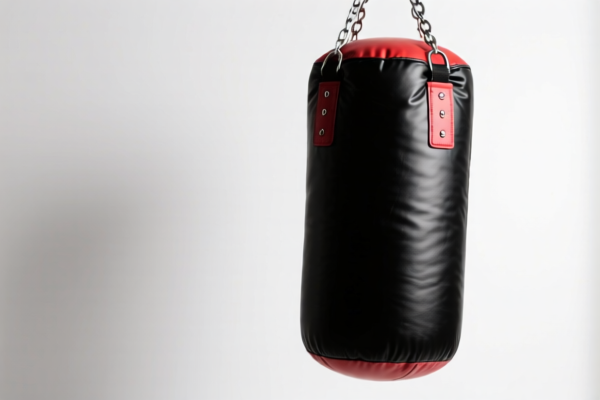
AI Analysis
🎈 Jumping Bag (Air Bags / Inflatable Play Structures)
🌐 HS Code Reference & Customs Clearance Guide | 2026 Latest Tariff Analysis | Professional Clearance Strategy
📌 1. Product Definition: What is a "Jumping Bag"?
In international trade, a "Jumping Bag" typically refers to inflatable structures made of plastic or synthetic materials, used for children's play, bouncing, or commercial amusement parks. These are distinct from rigid inflatable boats (IBDs) or industrial air bags.
The key to classification lies in Material and Form: * Material: Usually Polyvinyl Chloride (PVC), Nylon with Polyurethane coating, or other plastic polymers. * Form: A sealed, airtight bag designed to hold air pressure to maintain shape and bounce.
⚠️ Key Distinction:
- If it is a plastic-made bag/structure (including inflatable castles, bouncers, or simple air bags for toys) → It falls under Chapter 39 (Plastics) or Chapter 63 (Other made-up articles), depending on specific textile/plastic composition.
- If it is purely a textile bag (non-inflatable) → It falls under Chapter 63.
- Note: The provided data focuses on plastic-based and textile-based packaging/play bags. We must strictly adhere to the provided HS Codes.
📦 2. HS Code Classification Details (Based on Provided Data)
| HS Code | Product Description (Summary) | Material & Form |
|---|---|---|
3923.21.00.80 |
Inflatable toys or plastic packaging bags made of ethylene polymers (e.g., PE). | Plastic (Ethylene-based). Shape: Bag-like. Includes inflatable toys or plastic packaging bags. |
3923.29.00.00 |
Bag-like packaging made of other plastics (e.g., PVC, PU-coated nylon). Shape: Sacs, including cone-shaped bags. | Plastic (Other than ethylene polymers). Shape: Bag/Sac-like. |
6305.33.00.40 |
Packaging bags made of textile materials or plastic-coated textiles. | Textile/Composite. Shape: Bag. Inferred material from textile or plastic-fiber blend. |
🔍 Important Note:
- Inflatable Jumping Bags are typically made of PVC or TPU-coated nylon. These are generally classified under Chapter 39 (Plastics) because the structural integrity comes from the plastic film/lamina, not just textile weave. - If the jumping bag is primarily a plastic bag (even if used for play), it falls under3923. - If it is explicitly a textile bag (non-inflatable or coated textile used as a bag), it falls under6305.
💰 3. 2026 Tariff Rate Breakdown (US Market – China Origin)
✅ Applicable Country: United States (US)
✅ Origin: China (CN)
✅ Effective Date: 2025/2026 (Post-Trade War Tariffs Apply)
🎯 1. 3923.21.00.80 – Inflatable Toys/Plastic Bags (Ethylene Polymers)
| Item | Detail |
|---|---|
| Base Duty | 3.0% |
| Section 301 Duty (Additional) | 25.0% |
| Section 122 Duty (Additional) | 10.0% |
| Total Duty Rate | 38.0% |
| Calculation Basis | CIF Value × 38% |
| De Minimis Exemption | ❌ Not Eligible (Denied) |
| Legal Reference | USITC Tariff Schedule → Section 301 List → Section 122 Provisions |
📌 Explanation:
- 3.0% is the standard Most Favored Nation (MFN) rate for plastic bags. - 25.0% is the Section 301 additional duty on Chinese plastics/packaging. - 10.0% is the Section 122 additional duty on specific plastic products. - Total: 38%. This is a high-cost category. Importers must budget accordingly.
🎯 2. 3923.29.00.00 – Other Plastic Bags (Non-Ethylene, e.g., PVC/TPU)
| Item | Detail |
|---|---|
| Base Duty | 3.0% |
| Section 301 Duty (Additional) | 25.0% |
| Section 122 Duty (Additional) | 10.0% |
| Total Duty Rate | 38.0% |
| Calculation Basis | CIF Value × 38% |
| De Minimis Exemption | ❌ Not Eligible |
| Legal Reference | USITC Tariff Schedule → Section 301 List → Section 122 Provisions |
📌 Explanation:
- Most inflatable jumping castles are made of PVC or TPU, which are "other plastics." - Same tariff structure as above: 38% total. - Crucial: Do not misclassify PVC inflatables as textile to avoid lower duties; they are plastic-based.
🎯 3. 6305.33.00.40 – Textile/Plastic-Coated Packaging Bags
| Item | Detail |
|---|---|
| Base Duty | 8.4% |
| Section 301 Duty (Additional) | 7.5% |
| Section 122 Duty (Additional) | 10.0% |
| Total Duty Rate | 25.9% |
| Calculation Basis | CIF Value × 25.9% |
| De Minimis Exemption | ❌ Not Eligible |
| Legal Reference | USITC Tariff Schedule → Section 301 List → Section 122 Provisions |
📌 Explanation:
- If the jumping bag is classified as a textile bag (e.g., canvas with plastic lining), the base duty is higher (8.4%), but the Section 301 rate is lower (7.5%). - Total: 25.9%. This is significantly cheaper than the pure plastic classification (38%). - Risk: Customs may challenge this classification if the bag is primarily plastic. You must prove the textile component is dominant or the product fits the definition of "textile bags."
🛠️ 4. Customs Clearance Practical Advice
✅ 1. Documentation Checklist (Must-Have)
| Document | Required? | Notes |
|---|---|---|
| ✅ Commercial Invoice | ✔️ | Clearly state "Inflatable Jumping Bag" and material (e.g., PVC, PE). |
| ✅ Packing List | ✔️ | Include dimensions, weight, and number of units. |
| ✅ Product Photos | ✔️ | Show the bag inflated and deflated. Highlight material texture (plastic vs. fabric). |
| ✅ Material Declaration | ✔️ | Specify polymer type (e.g., "100% Polyethylene" or "PVC-coated Nylon"). |
| ✅ Test Reports | ✔️ | If marketed as children’s toys, provide ASTM F963 (US) or EN71 (EU) safety test results. |
| ✅ Labeling | ✔️ | Must include country of origin, care instructions, and safety warnings. |
✅ 2. Classification Strategy & Pitfalls
| Scenario | Recommended HS Code | Why? |
|---|---|---|
| Standard PVC Bouncy Castle | 3923.29.00.00 |
PVC is an "other plastic." Inflatable structures are plastic bags/sacs. |
| Polyethylene (PE) Air Bag | 3923.21.00.80 |
PE is an "ethylene polymer." |
| Canvas/Textile Bouncer | 6305.33.00.40 |
Only if primarily textile. Risk of reclassification if heavily plastic-coated. |
| Misclassification: Toys (9503) | ❌ Avoid | Inflatable structures are often excluded from Chapter 95 if they are primarily packaging or plastic sheets. Stick to 3923/6305 per provided data. |
🔥 Key Tip:
"Material is King!"
- If it’s PVC/TPU → Use3923.29.00.00(38% duty).
- If it’s PE → Use3923.21.00.80(38% duty).
- If it’s Textile → Use6305.33.00.40(25.9% duty).
- Do not guess. Provide material specs to avoid customs delays.
✅ 3. Special Considerations
| Issue | Advice |
|---|---|
| Children’s Safety | Even if classified as "packaging," if marketed for children, you may need CPSIA compliance. Customs may request test reports. |
| Section 122 Impact | All three HS Codes above have a 10% Section 122 duty. This is a new/additional layer on top of Section 301. Ensure your pricing models include this. |
| De Minimis (Section 321) | Not available. These goods exceed $800 or are restricted. Full formal entry is required. |
| Labeling | Ensure "Made in China" is clearly visible. Mislabeling can lead to seizure. |
🌍 5. Global Market Comparison (2026)
| Region | Recommended HS Code | Approx. Total Duty | Notes |
|---|---|---|---|
| 🇺🇸 USA | 3923.29.00.00 |
38.0% | High tariffs due to Sec 301 + 122. |
| 🇺🇸 USA | 6305.33.00.40 |
25.9% | Lower if textile-based, but high scrutiny. |
| 🇨🇳 China | 3923.29.00.00 |
~3-5% | Low import duty for raw material/plastic goods. |
| 🇪🇺 EU | 3923.29.00.00 |
~6.5% | No Section 301/122. Standard EU tariff. |
| 🇯🇵 Japan | 3923.29.00.00 |
~6-8% | Standard tariff. No additional trade war duties. |
📌 Conclusion:
- US Market is Most Expensive due to layered tariffs (Base + 301 + 122).
- EU/Japan are More Favorable with no additional political tariffs.
- Consider supply chain diversification if targeting the US market heavily.
📌 6. Common Mistakes & How to Avoid Them
❌ Mistake 1: Classifying as "Toy" (HS 9503) to avoid higher duties.
👉 Risk: Customs may reject this if the item is primarily a plastic bag/structure. Correct HS is 3923.
👉 Fix: Be honest about material. If it’s a plastic inflatable, it’s 3923.
❌ Mistake 2: Ignoring Section 122 Duty.
👉 Risk: Underpaying by 10%.
👉 Fix: Always add 10% to your duty cost calculation for these HS codes.
❌ Mistake 3: Misidentifying Material.
👉 Risk: If you declare "PVC" but it’s "PE," you might get 3923.21.00.80 (still 38%), but if it’s "Textile," you save 12.1%.
👉 Fix: Provide accurate material composition. Test reports are essential.
🎯 7. Conclusion: Smart Clearance for Jumping Bags
🎯 Key Takeaways:
1. Most Jumping Bags are Plastic: Expect 38% total duty in the US.
2. Textile Option Saves Money: If possible, use textile-based designs to aim for 25.9% duty.
3. Documentation is Critical: Material specs and safety tests are non-negotiable.
4. Budget for Section 122: The 10% additional duty is real and impacts margins.
💡 Pro Tip:
Work with your supplier to ensure clear material labeling (e.g., "100% PVC" or "PVC-coated Nylon"). This prevents customs from guessing and potentially assigning a higher or incorrect HS code.
📣 Immediate Action:
📄 Review Material Specs → 📝 Choose Correct HS Code → 📊 Calculate 38% (or 25.9%) Duty → ✅ Clear Customs Smoothly
✨ Precision in Classification, Profit in Clearance!
💼 Every Percent Matters in Global Trade!
Customer Reviews
About HS Code Classification
The Harmonized System (HS) is an internationally standardized nomenclature developed by the World Customs Organization (WCO) to classify traded products. Over 200 countries use the HS system as the basis for customs tariffs, trade statistics, and import/export regulations.
Each HS code follows a hierarchical structure:
- Chapter (2 digits) — Broad category of goods (e.g., Chapter 84: Machinery and Mechanical Appliances)
- Heading (4 digits) — More specific grouping within the chapter
- Subheading (6 digits) — Internationally standardized breakdown, used by all WCO member countries
- National subdivisions (8-10 digits) — Country-specific extensions for further classification, such as US HTSUS 10-digit codes
Correct HS code classification is essential for smooth customs clearance, accurate duty payment, and compliance with trade regulations. Misclassification can lead to customs delays, overpayment of duties, or penalties.
When importing from CN to US, the applicable tariff rates may include:
- Most-Favored-Nation (MFN) rate — The standard duty rate applied to WTO members
- General rate — Applied to countries without trade agreements
- Trade remedy duties — Additional tariffs such as Section 301 (anti-dumping), Section 232 (national security), or countervailing duties
The information provided on this page is for reference purposes only. For official classification, please consult with your local customs authority or a licensed customs broker.