Jute or other textile fiber mats and matting
CN → US| HS Code | Tariff Rate | Origin | Destination | Doc |
|---|---|---|---|---|
| 6305900000 | 23.7% | CN | US | Official Doc |
| 6305100000 | 17.5% | CN | US | Official Doc |
| 5607909000 | 41.3% | CN | US | Official Doc |
| 5607901500 | 35.0% | CN | US | Official Doc |
| 6305900000 | 23.7% | CN | US | Official Doc |
Product Images
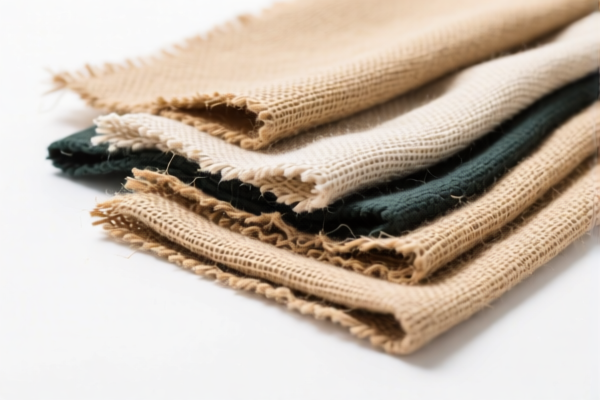
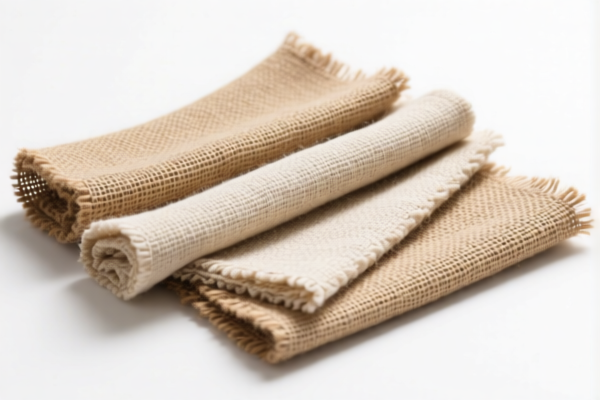
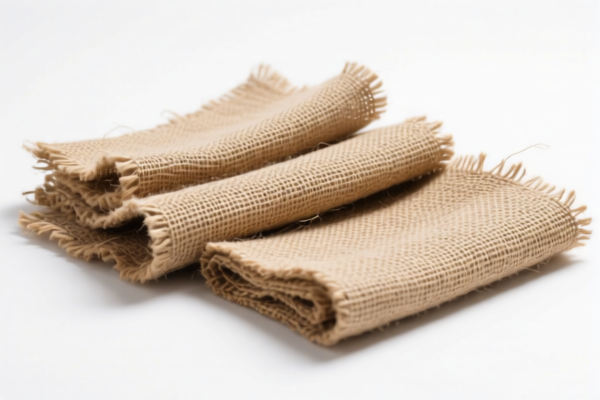
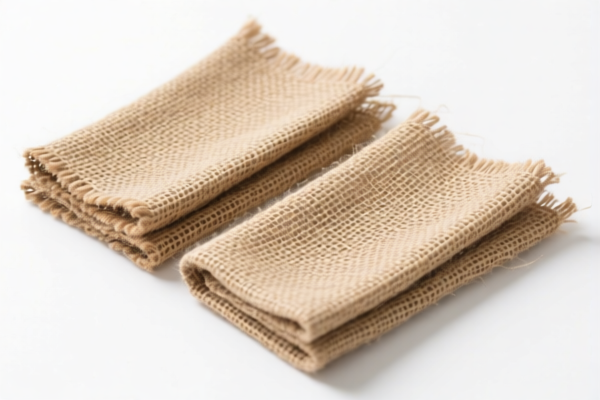
AI Analysis
🌿 Jute or Other Textile Fiber Mats & Matting
🌐 HS Code Reference & Customs Clearance Guide | 2026 Latest Tariff Analysis | Strategic Classification Strategy
📌 I. Product Definition & Classification: Do You Really Know "Jute Mats"?
Jute or other textile fiber mats and matting are versatile woven products used in agriculture, construction, landscaping, and packaging. In international trade, they are primarily classified based on material composition (jute vs. other fibers) and form/function (matting vs. sacks/bags).
Key Distinction:
- Woven Mats (6305.90 / 6305.10): Flexible, woven sheets used for erosion control, ground cover, or packing.
- Ropes/Cables (5607.90): Twisted or braided lines used for tying, lifting, or securing loads.
⚠️ Critical Classification Point:
- If the product is a flat, woven sheet made of jute or other textile fibers → Chapter 63 (6305)
- If the product is a cord/rope made of jute or other textile fibers → Chapter 56 (5607)
- Misclassification between "Matting" and "Ropes" can lead to significant tariff differences (e.g., 17.5% vs. 41.3%).
📦 II. HS Code Classification Details (2026 Latest Tariff Authority Reference)
| HS Code | Product Description | Material Category | Total Tax Rate |
|---|---|---|---|
6305.90.00.00 |
Jute or other textile fiber mats and matting; other textile materials; woven items | Non-jute textile fibers (e.g., sisal, coir, hemp) or mixed fibers | 23.7% |
6305.10.00.00 |
Jute or other textile fiber mats and matting; jute or other bast fibers | Pure Jute or Bast Fibers (e.g., kenaf, ramie) | 17.5% |
5607.90.90.00 |
Jute or other textile fiber ropes, cables, and plaited bands; other; other | Other textile fiber ropes/cables (non-jute specific) | 41.3% |
5607.90.15.00 |
Jute or other textile fiber ropes, cables, and plaited bands; jute or other bast fibers | Jute or Bast Fiber Ropes/Cables | 35.0% |
🔍 Key Reminder:
- 6305.10.00.00 offers the lowest tariff (17.5%) but only for products made from Jute or other Bast Fibers.
- 6305.90.00.00 applies to other textile fibers (e.g., synthetic blends, non-bast natural fibers) and carries a higher rate (23.7%).
- 5607 Series applies to ropes/cables, not flat mats. Misdeclaring a mat as a rope (or vice versa) is a common customs error.
💰 III. 2026 Latest Tariff Rate Breakdown (Including Additional Duties & Policy Surcharges)
✅ Applicable Country: United States (US)
✅ Origin: China (CN)
✅ Effective Date: 2025/2026 (Post-Section 301 & IEEPA rules)
🎯 1. 6305.10.00.00 — Jute or Other Bast Fiber Mats/Matting
| Item | Content |
|---|---|
| Base Tariff | 0.0% |
| Section 301 Additional Duty | +7.5% |
| Section 122 Duty | +10.0% |
| Total Tax Rate | 17.5% |
| Tax Calculation | CIF Value × 17.5% |
| De Minimis Exemption | ❌ Not Applicable (Deny De Minimis) |
| Legal Basis Path | IEEPA:9903.01.24 → USITC:6305.10.00.00 → FOOTNOTE:301 |
📌 Explanation:
- Base 0%: Jute/bast fiber mats benefit from a zero base rate under US harmonized tariff.
- Section 301 (7.5%): Applies to certain textile articles from China.
- Section 122 (10%): Specific surcharge on textile imports under certain trade relief provisions.
- Total 17.5%: This is the most favorable rate for jute mats, but only if the material is strictly Jute or Bast.
🎯 2. 6305.90.00.00 — Other Textile Fiber Mats/Matting
| Item | Content |
|---|---|
| Base Tariff | 6.2% |
| Section 301 Additional Duty | +7.5% |
| Section 122 Duty | +10.0% |
| Total Tax Rate | 23.7% |
| Tax Calculation | CIF Value × 23.7% |
| De Minimis Exemption | ❌ Not Applicable (Deny De Minimis) |
| Legal Basis Path | IEEPA:9903.01.25 → USITC:6305.90.00.00 → FOOTNOTE:301 |
📌 Explanation:
- Base 6.2%: Higher base rate for non-jute textile fibers (e.g., sisal, coir, synthetic blends).
- Section 301 & 122: Same additional duties as above.
- Total 23.7%: 6.2% higher than jute/bast mats. Proper material declaration is critical to avoid overpayment.
🎯 3. 5607.90.15.00 — Jute/Bast Fiber Ropes & Cables
| Item | Content |
|---|---|
| Base Tariff | 0.0% |
| Section 301 Additional Duty | +25.0% |
| Section 122 Duty | +10.0% |
| Total Tax Rate | 35.0% |
| Tax Calculation | CIF Value × 35.0% |
| De Minimis Exemption | ❌ Not Applicable (Deny De Minimis) |
| Legal Basis Path | IEEPA:9903.01.24 → USITC:5607.90.15.00 → FOOTNOTE:301 |
📌 Explanation:
- Base 0%: Jute ropes have a zero base rate.
- Section 301 (25%): Much higher than for mats (7.5%). Ropes are subject to heavier Section 301 tariffs.
- Total 35.0%: Significantly more expensive than mats. Ensure your product is not a rope if it’s a flat mat.
🎯 4. 5607.90.90.00 — Other Textile Fiber Ropes & Cables
| Item | Content |
|---|---|
| Base Tariff | 6.3% |
| Section 301 Additional Duty | +25.0% |
| Section 122 Duty | +10.0% |
| Total Tax Rate | 41.3% |
| Tax Calculation | CIF Value × 41.3% |
| De Minimis Exemption | ❌ Not Applicable (Deny De Minimis) |
| Legal Basis Path | IEEPA:9903.01.25 → USITC:5607.90.90.00 → FOOTNOTE:301 |
📌 Explanation:
- Base 6.3%: Higher base rate for non-jute ropes.
- Section 301 (25%): Same high surcharge as other ropes.
- Total 41.3%: Highest tariff in this list. Avoid this code unless your product is strictly a non-jute rope.
🛠️ IV. Customs Clearance Practical Advice (Real-World Pitfall Guide)
✅ 1. Required Documentation Checklist (Mandatory)
| Document | Must Provide | Notes |
|---|---|---|
| ✅ Product Specification Sheet | ✔️ | Must clearly state: "Woven Mat" vs. "Rope", Material (Jute/Sisal/Synthetic) |
| ✅ Material Composition Certificate | ✔️ | Crucial for distinguishing 6305.10 (0% base) vs. 6305.90 (6.2% base) |
| ✅ Product Photos (Clear) | ✔️ | Show cross-section, texture, and dimensions to prove it’s a mat, not a rope |
| ✅ Commercial Invoice | ✔️ | Description: "Jute Woven Mat, for Landscaping/Ground Cover" |
| ✅ Packing List | ✔️ | Ensure no mix-up with rope products in the same shipment |
| ✅ Certificate of Origin (CO) | ✔️ | If from non-China origin, may qualify for lower Section 301 duties |
✅ 2. Declaration Tips (Key Mnemonics)
🔥 "Mat is Flat, Rope is Round; Jute is Zero, Other is Higher!"
| Scenario | Correct HS Code | Incorrect Practice |
|---|---|---|
| Flat woven jute mat | 6305.10.00.00 |
Declaring as rope → 35% tax |
| Flat woven sisal mat | 6305.90.00.00 |
Declaring as jute → Audit risk & penalty |
| Twisted jute rope | 5607.90.15.00 |
Declaring as mat → 25% Section 301 underpaid |
| Mixed fiber rope | 5607.90.90.00 |
Declaring as mat → 41.3% vs 23.7% |
📌 Critical Warning:
- Do NOT declare a mat as a rope to avoid Section 301 (25% vs 7.5%). Customs will reject this and may penalize.
- Do NOT declare a non-jute mat as jute to avoid the 6.2% base rate. Material analysis may be required.
✅ 3. Special Cases
| Scenario | Handling Advice |
|---|---|
| Jute Bags for Packing | May fall under 6305.10/6305.90 if used as mats/packing. If strictly bags, check Chapter 63. |
| Erosion Control Mats (Coir/Sisal) | Classify under 6305.90.00.00 (23.7%). Ensure material is correctly declared. |
| Jute Twine for Binding | Classify under 5607.90.15.00 (35.0%). Do not misdeclare as mat. |
| OEM Custom Mats | Provide design specs to prove "mat" form factor, not rope. |
🌍 V. Global Market Customs Comparison (2026 Latest)
| Country/Region | Recommended HS Code | Tariff Rate | Certification Required | Notes |
|---|---|---|---|---|
| 🇺🇸 USA | 6305.10.00.00 |
17.5% (China) | None | Highest tariff is 5607.90.90 at 41.3% |
| 🇨🇳 China | 6305.10.00.00 |
~10% | None | Lower domestic tariffs |
| 🇪🇺 EU | 6305.10.00.00 |
0% (If GSP) | CE (if applicable) | No Section 301 equivalent |
| 🇬🇧 UK | 6305.10.00.00 |
0% (UK GDP) | None | Post-Brexit tariffs apply |
| 🇦🇺 Australia | 6305.10.00.00 |
5% | None | Lower than US |
📌 Conclusion:
- USA imposes the highest tariffs due to Section 301 and Section 122.
- Jute/Bast Fiber Mats (6305.10) are the most cost-effective at 17.5%.
- Ropes (5607) are significantly more expensive due to 25% Section 301 duties.
📌 VI. Common Errors & Pitfall Guide (Lessons Learned)
❌ Error 1: Declaring jute rope as jute mat
👉 Result: Underpaying Section 301 (7.5% vs 25%) → Customs audit, penalties, and back taxes.
❌ Error 2: Declaring sisal mat as jute mat
👉 Result: Underpaying Base Tariff (0% vs 6.2%) → Risk of classification dispute.
❌ Error 3: Not specifying material in the description
👉 Result: Customs may assign default higher rate (6305.90) or detain goods for inspection.
❌ Error 4: Mixing mats and ropes in one shipment without clear segregation
👉 Result: Complex classification, potential errors, and delayed clearance.
✅ Correct Practice:
"Jute Woven Mat, 1m x 50m, for Erosion Control, Pure Jute Fiber, HS 6305.10.00.00"
🎯 VII. Conclusion: Precise Classification Saves Money!
🎯 Remember the Mantra:
🔹 "Flat = Mat, Round = Rope; Jute = 17.5%, Others = 23.7% or 35%+!"
🔹 "Section 301 Hits Ropes Harder Than Mats; Don't Let Your Mat Become a Rope!"
📌 Pro Tip:
- If your product is Jute or Bast Fiber, always aim for 6305.10.00.00 (17.5%) for mats or 5607.90.15.00 (35%) for ropes.
- If non-jute, use 6305.90.00.00 (23.7%) for mats or 5607.90.90.00 (41.3%) for ropes.
- Always provide material certificates to justify the 0% base rate for jute/bast fibers.
📣 Act Now:
📞 Consult a licensed customs broker + Provide material specs + Apply for Advance Ruling if unsure.
🚀 Save up to 23.8% in tariffs by choosing the correct HS Code!
✨ Professional Customs Clearance Starts with Accurate Classification!
💼 Every Percent Counts in Global Trade!
Customer Reviews
About HS Code Classification
The Harmonized System (HS) is an internationally standardized nomenclature developed by the World Customs Organization (WCO) to classify traded products. Over 200 countries use the HS system as the basis for customs tariffs, trade statistics, and import/export regulations.
Each HS code follows a hierarchical structure:
- Chapter (2 digits) — Broad category of goods (e.g., Chapter 84: Machinery and Mechanical Appliances)
- Heading (4 digits) — More specific grouping within the chapter
- Subheading (6 digits) — Internationally standardized breakdown, used by all WCO member countries
- National subdivisions (8-10 digits) — Country-specific extensions for further classification, such as US HTSUS 10-digit codes
Correct HS code classification is essential for smooth customs clearance, accurate duty payment, and compliance with trade regulations. Misclassification can lead to customs delays, overpayment of duties, or penalties.
When importing from CN to US, the applicable tariff rates may include:
- Most-Favored-Nation (MFN) rate — The standard duty rate applied to WTO members
- General rate — Applied to countries without trade agreements
- Trade remedy duties — Additional tariffs such as Section 301 (anti-dumping), Section 232 (national security), or countervailing duties
The information provided on this page is for reference purposes only. For official classification, please consult with your local customs authority or a licensed customs broker.