Kangaroo Jumping Bag
CN → US| HS Code | Tariff Rate | Origin | Destination | Doc |
|---|---|---|---|---|
| 3923210080 | 38.0% | CN | US | Official Doc |
| 3923290000 | 38.0% | CN | US | Official Doc |
| 6305330040 | 25.9% | CN | US | Official Doc |
Product Images
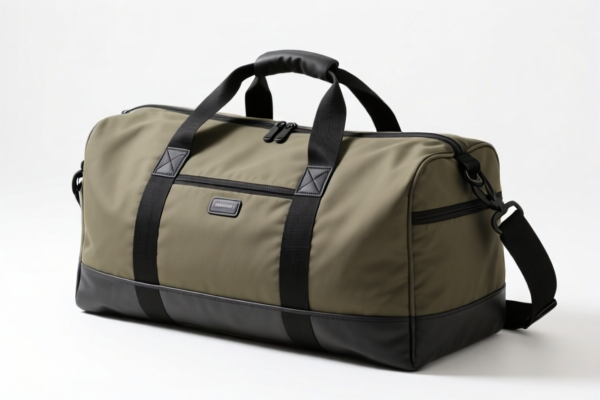
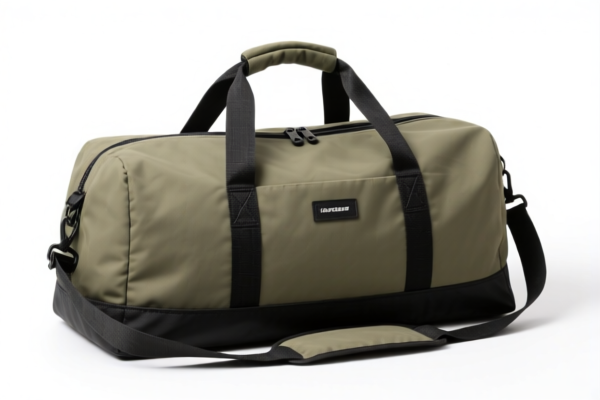
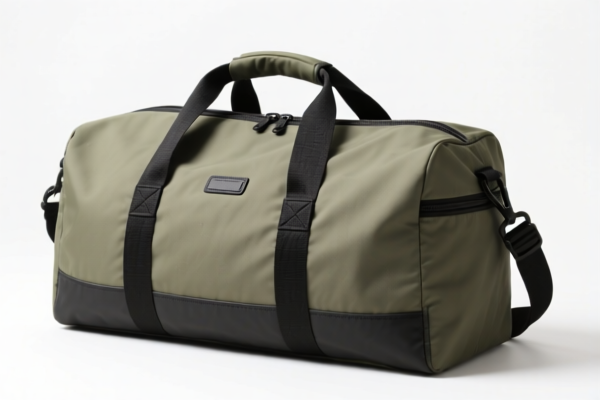

AI Analysis
🦘 Kangaroo Jumping Bag (Bungee Resistance Trainer)
🌐 HS Code Reference & Customs Clearance Guide | 2026 Latest Tariff Analysis | Professional Entry Strategy
📌 I. Product Definition & Classification: Do You Really Understand the "Kangaroo Jumping Bag"?
The Kangaroo Jumping Bag, also known as a Bungee Resistance Trainer or Anti-Gravity Trainer, is a fitness device that simulates the sensation of flying or running without impact on joints. It consists of a harness, elastic cords (bungees), and a mounting frame (or ceiling attachment).
In international trade, its classification depends heavily on material composition and form factor:
- Plastic Bags/Sacs: If the primary component is a plastic pouch or sac used to contain the user or equipment, it may fall under plastics chapters.
- Textile Bags: If the harness/attachment point is made primarily of textile materials (nylon, polyester) and functions as a bag/sling, it falls under textile chapters.
- Plastic Containers: If it’s purely a plastic vessel-like structure (less common for the wearable part, but possible for storage/components).
⚠️ Key Distinction:
- If the main material is Plastic (Polyethylene/Polypropylene) and shaped like a bag/sac → Chapter 39
- If the main material is Textile and shaped like a bag/sling/harness → Chapter 63
- Note: The frame or elastic cords themselves may have separate classifications, but the "bag" component is the focus here.
📦 II. HS Code Classification Details (2026 Latest Tariff Authority Comparison)
| HS Code | Product Description | Application Scenario | Material/Form |
|---|---|---|---|
3923.21.00.80 |
Sacks and bags, of polymers of ethylene | Plastic kangaroo bag components, storage for bungee parts | ✅ Plastic (Polyethylene) |
3923.29.00.00 |
Other sacks and bags, of plastics | Non-ethylene plastic bags/sacs for equipment or user containment | ✅ Plastic (Other) |
6305.33.00.40 |
Sacks and bags, of textile materials or of plastics | Textile harness bags, sling-like attachments, hybrid material bags | ✅ Textile/Plastic Mix |
🔍 Important Reminder:
- The Kangaroo Jumping Bag is often a composite product. If the textile harness is the essential character,6305.33.00.40is the most likely classification.
- If the product is a plastic shell or plastic sac (less common for the wearable part but possible for protective covers), use3923codes.
- Do not classify as "Fitness Equipment" (e.g.,9506) if the primary component being imported is the bag/harness itself, as the "bag" function dominates.
💰 III. 2026 Latest Tariff Rate Breakdown (Including Add-on Taxes, Policy Add-ons)
✅ Applicable Country: United States (US)
✅ Origin: China (CN)
✅ Effective Date: From November 10, 2025 (and subsequent imports)
🎯 1. 3923.21.00.80 —— Sacks and bags, of polymers of ethylene
| Item | Content |
|---|---|
| Base Tariff | 3.0% (ad valorem) |
| Section 301 Add-on | +25% (From USITC Footnote 9903.21.00) |
| IEEPA Add-on | +10% (For China/HK products, effective Nov 10, 2025) |
| Total Tariff | 38.0% |
| Tax Calculation | CIF Value × 38.0% |
| De Minimis Eligibility | ❌ No (deny_de_minimis) |
| Legal Basis Path | IEEPA:9903.01.25 → IEEPA:9903.01.24 → USITC:3923.21.00.80 → FOOTNOTE:9903.21.00 |
📌 Explanation:
- This code applies if the bag/sac is made of ethylene polymers (e.g., PE plastic).
- The 38% total rate includes the base duty, Section 301 tariff, and IEEPA surcharge.
- High tariff impact: Not eligible for de minimis (Section 321) exemption.
🎯 2. 3923.29.00.00 —— Other sacks and bags, of plastics
| Item | Content |
|---|---|
| Base Tariff | 3.0% |
| Section 301 Add-on | +25% |
| IEEPA Add-on | +10% |
| Total Tariff | 38.0% |
| Tax Calculation | CIF × 38.0% |
| De Minimis Eligibility | ❌ No |
| Legal Basis Path | IEEPA:9901.25 → IEEPA:9903.01.24 → USITC:3923.29.00.00 → FOOTNOTE:9903.29.00 |
📌 Note:
- Similar to above, applies to non-ethylene plastic bags.
- If your Kangaroo Jumping Bag uses PVC or other plastic sacks, this code applies.
- Same 38% rate: No advantage in tariff over ethylene bags.
🎯 3. 6305.33.00.40 —— Sacks and bags, of textile materials or of plastics
| Item | Content |
|---|---|
| Base Tariff | 8.4% |
| Section 301 Add-on | +7.5% |
| IEEPA Add-on | +10% |
| Total Tariff | 25.9% |
| Tax Calculation | CIF × 25.9% |
| De Minimis Eligibility | ❌ No |
| Legal Basis Path | IEEPA:9903.01.25 → IEEPA:9903.01.24 → USITC:6305.33.00.40 → FOOTNOTE:6305.33.00 |
📌 Critical Insight:
- This is the MOST LIKELY classification for the wearable harness/sling part of the Kangaroo Jumping Bag, as it is typically made of textile materials (nylon/polyester webbing) and functions as a "bag-like" attachment.
- Total rate: 25.9%, which is 12.1% lower than the plastic bag options.
- Why? Textile items often have lower base tariffs and different Section 301 add-on rates.
🛠️ IV. Customs Clearance Practical Advice (Battle-Tested Pitfall Guide)
✅ 1. Required Documentation Checklist (None Missing)
| Document | Required | Description |
|---|---|---|
| ✅ Product Specification Sheet | ✔️ | Material composition (Textile vs. Plastic), weight, dimensions |
| ✅ Material Breakdown | ✔️ | Detailed % of textile vs. plastic vs. elastic cords |
| ✅ Product Photos (Labeled) | ✔️ | Clear images of the harness, bag, and connections |
| ✅ Commercial Invoice | ✔️ | Must specify "Kangaroo Jumping Bag Harness/Enclosure" |
| ✅ Packing List | ✔️ | Separate parts if imported individually |
| ✅ Country of Origin Certificate | ✔️ | If non-China origin, claim preferential rates |
✅ 2. Declaration Tips (Key Mantra)
🔥 "Textile Harness Wins, Plastic Bags Lose, Be Precise or Pay the Price!"
| Scenario | Correct Declaration | Wrong Practice |
|---|---|---|
| Textile Harness/Bag | 6305.33.00.40 (25.9%) |
Misclassify as Plastic → 38% |
| Plastic Enclosure Bag | 3923.21.00.80 or 3923.29.00.00 (38%) |
Misclassify as Textile → Risk of audit |
| Complete Trainer (Frame + Bag) | Declare Frame (9506) and Bag (6305) separately |
Bundle all into one HS Code → Complex classification |
| Elastic Cords Only | 3916 (Plastic) or 5902 (Textile) |
Declare as "Bag" → Wrong chapter |
✅ 3. Special Cases Handling
| Situation | Handling Advice |
|---|---|
| OEM Custom Bags | Provide design specs to prove textile dominance |
| Hybrid Materials | If textile >50% by weight/value, use 6305.33.00.40 |
| Small B2C Shipment | No de minimis exemption for China-origin goods under IEEPA |
| Fitness Equipment Bundle | Declare components separately for accuracy |
🌍 V. Global Market Customs Comparison (2026 Latest)
| Country/Region | Recommended HS Code | Tariff | Certification Requirements | Notes |
|---|---|---|---|---|
| 🇺🇸 USA | 6305.33.00.40 |
25.9% (China) | None specific for bag | Highest tariff risk |
| 🇨🇳 China | 6305.33.00.40 |
5% | None | Low export tariff |
| 🇪🇺 EU | 6305.33.00.40 |
0-4% | CE (if for sports) | Lower tariffs |
| 🇬🇧 UK | 6305.33.00.40 |
0-4% | UKCA | Post-Brexit rules |
| 🇯🇵 Japan | 6305.33.00.40 |
0-3% | PSE (if electrical) | Low tariffs |
📌 Conclusion:
- The USA is the most expensive market for Kangaroo Jumping Bags due to IEEPA and Section 301 tariffs.
- Textile classification (6305) saves 12.1% compared to plastic classification.
- EU/UK/Japan offer much more favorable tariff structures.
📌 VI. Common Errors & Pitfall Guide (Lessons Learned)
❌ Error 1: Classifying textile harness as "Plastic Bag" (3923)
👉 Result: Pay 38% instead of 25.9% → Loss of 12.1% profit margin
❌ Error 2: Claiming de minimis exemption for China-origin Kangaroo Bags
👉 Result: Denied under IEEPA Section 321 exclusions → Full tariff + penalties
❌ Error 3: Vague description "Fitness Bag"
👉 Result: Customs audit → Delay, storage fees, possible re-classification
❌ Error 4: Ignoring material breakdown
👉 Result: Misclassification risk → Back taxes and interest
✅ Correct Practice:
"Kangaroo Jumping Bag Harness, 100% Nylon Webbing, Textile Material, HS Code 6305.33.00.40"
🎯 VII. Conclusion: Precision in Classification, Profit in Clearance!
🎯 Remember the Mantra:
🔹 "Textile Harness = 25.9%, Plastic Bag = 38%, Choose Wisely!"
🔹 "De Minimis is Dead for China, Declare Accurately!"
🔹 "Material Matters More Than Function!"
📌 Pro Tip:
If your Kangaroo Jumping Bag is originating from Vietnam, Malaysia, or Thailand, you may qualify for IEEPA exemptions or lower tariffs under FTAs.
Recommendation: Apply for an Advance Ruling (Ruling Letter) from CBP if the material composition is mixed.
📣 Immediate Action:
📞 Contact your customs broker + Provide material specs + Apply for HS Code pre-ruling
🚀 Ensure your Kangaroo Jumping Bags clear customs smoothly, minimize tariffs, and maximize profits!
✨ Professional clearance starts with accurate classification!
💼 Every percentage point counts in global trade!
Customer Reviews
About HS Code Classification
The Harmonized System (HS) is an internationally standardized nomenclature developed by the World Customs Organization (WCO) to classify traded products. Over 200 countries use the HS system as the basis for customs tariffs, trade statistics, and import/export regulations.
Each HS code follows a hierarchical structure:
- Chapter (2 digits) — Broad category of goods (e.g., Chapter 84: Machinery and Mechanical Appliances)
- Heading (4 digits) — More specific grouping within the chapter
- Subheading (6 digits) — Internationally standardized breakdown, used by all WCO member countries
- National subdivisions (8-10 digits) — Country-specific extensions for further classification, such as US HTSUS 10-digit codes
Correct HS code classification is essential for smooth customs clearance, accurate duty payment, and compliance with trade regulations. Misclassification can lead to customs delays, overpayment of duties, or penalties.
When importing from CN to US, the applicable tariff rates may include:
- Most-Favored-Nation (MFN) rate — The standard duty rate applied to WTO members
- General rate — Applied to countries without trade agreements
- Trade remedy duties — Additional tariffs such as Section 301 (anti-dumping), Section 232 (national security), or countervailing duties
The information provided on this page is for reference purposes only. For official classification, please consult with your local customs authority or a licensed customs broker.