Karakul Lamb Leather Shavings
CN → USProduct Images
AI Analysis
🐑 Karakul Lamb Leather Shavings (Leather Scraps & By-products)
🌐 HS Code Reference & Customs Clearance Guide | 2026 Latest Tariff Analysis | Professional Compliance Strategy
📌 I. Product Definition: What Are "Karakul Lamb Leather Shavings"?
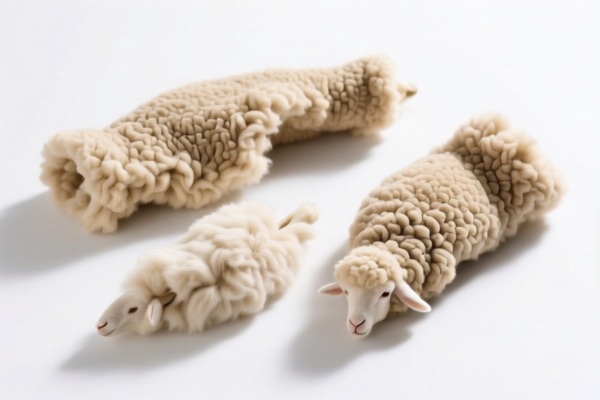
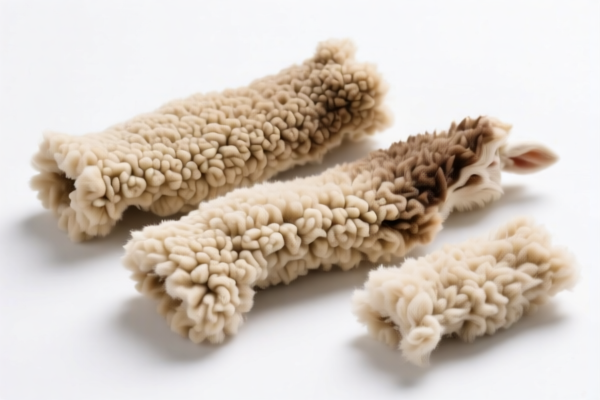
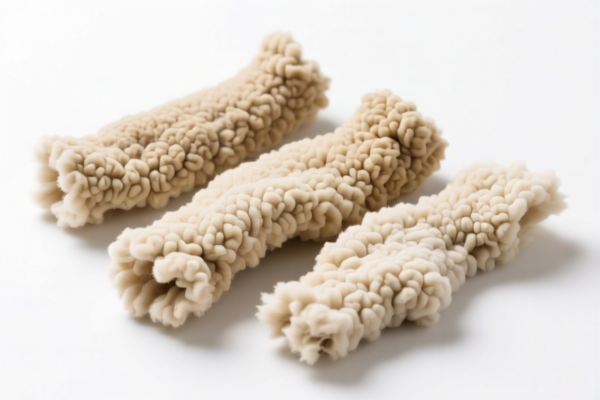
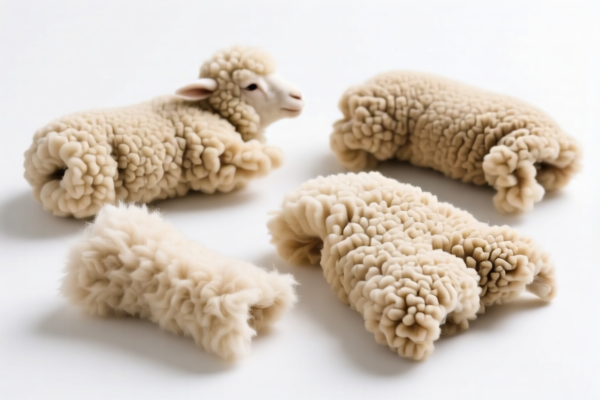
Karakul lamb leather shavings refer to the scrap materials, trimmings, dust, or granulated remnants resulting from the processing of Karakul lamb pelts (often used for prestigious fur garments, hats, and luxury accessories). These are not finished leather goods, but rather industrial by-products or raw material scraps.
⚠️ Critical Distinction:
- Shavings/Scraps: Pieces of leather that are cut, trimmed, or ground down; cannot be used as finished goods without reprocessing. → HS 4115
- Finished Garments/Accessories: Ready-to-wear items made from Karakul fur/leather. → HS 4303
- Raw Skins (Unprocessed): Fresh or salted pelts before tanning. → HS 4103🔍 Key Question for Classification:
Are the shavings still recognizable as leather and not further worked into new articles? If yes, they fall under Chapter 41 (Leather). If they are mixed with other materials or chemically processed into powder, they may fall under Chapter 48 or Chapter 39.
📦 II. HS Code Classification Details (2026 Latest Tariff Matrix)
| HS Code | Product Description | Applicable Scenario | Is It a Finished Good? |
|---|---|---|---|
4115.20.00.00 |
Shavings and waste of leather or of composition leather | Trimmings, dust, granulated leather scraps from Karakul processing | ❌ No (By-product) |
4115.10.00.00 |
Shavings and waste of hides or skins, other than leather | Un-tanned or partially tanned leather scraps | ❌ No (Raw by-product) |
4303.90.90.00 |
Other articles of fur skins and fur | Finished Karakul coats, hats, gloves | ✅ Yes (Finished Good) |
4103.20.00.00 |
Other hides and skins, wet-blue or wet-crusted | Semi-processed Karakul skins | ❌ No (Semi-finished) |
9606.22.00.00 |
Snap fasteners and press studs and parts thereof | Metal/plastic components used in Karakul garments | ✅ Yes (Accessory) |
🔍 Focus Point:
-4115.20.00.00is the primary classification for "Karakul Lamb Leather Shavings."
- These are considered waste/scrap material and are typically subject to lower tariffs than finished leather goods, but higher scrutiny for environmental and anti-dumping regulations.
💰 III. 2026 Latest Tariff Rate Breakdown (Including Surtaxes & Policy Add-ons)
✅ Applicable Country: United States (US)
✅ Country of Origin: China (CN)
✅ Effective Date: November 10, 2025 (for subsequent imports)
🎯 1. 4115.20.00.00 —— Shavings and Waste of Leather
| Item | Content |
|---|---|
| Base Tariff Rate | 4.8% (ad valorem) |
| USITC Surtax | +25% (from USITC Footnote 9903.88.01 for Chinese goods) |
| IEEPA Surtax | +10% (针对中国/香港产品,自2025年11月10日起) |
| Total Tariff Rate | 42.8% |
| Tax Calculation | CIF Value × 42.8% |
| De Minimis Eligibility | ❌ Not Eligible (deny_de_minimis) |
| Legal Basis Path | IEEPA:9903.01.25 → IEEPA:9903.01.24 → USITC:4115.20.00.00 → FOOTNOTE:9903.88.01 |
📌 Explanation:
- Although "shavings" are waste, the US treats leather waste from China as strategic material due to environmental and supply chain concerns.
- The 42.8% total rate is high, driven by Section 301 tariffs and IEEPA measures.
- No de minimis exemption applies, meaning even small shipments are fully taxed.
🛠️ IV. Customs Clearance Practical Advice (Battle-Tested Pitfall Guide)
✅ 1. Required Documentation Checklist (Non-negotiable)
| Document | Must Provide | Explanation |
|---|---|---|
| ✅ Product Specification Sheet | ✔️ | Detail the type of leather (Karakul), form (shavings/dust), size, and processing method. |
| ✅ Commercial Invoice | ✔️ | Clearly state "Karakul Lamb Leather Shavings (HS 4115.20.00.00)" – Do NOT use vague terms like "Leather Waste." |
| ✅ Packing List | ✔️ | Show net/gross weight, number of packages, and material composition. |
| ✅ Environmental Compliance Certificate | ✔️ | Some states/countries require proof that shavings are not hazardous waste (e.g., heavy metal content). |
| ✅ Certificate of Origin (CO) | ✔️ | Critical for proving Chinese origin to apply surtaxes correctly. |
| ✅ Photos of Goods | ✔️ | Show the granular/cut nature of the shavings to distinguish from finished goods. |
✅ 2. Declaration Tips (Key Mantra)
🔥 "Be Specific, Don't Vague, Declare Shavings, Not Skins!"
| Scenario | Correct Declaration | Wrong Practice |
|---|---|---|
| Leather scraps from Karakul processing | 4115.20.00.00 – "Shavings of Leather" |
Declaring as "Leather Garments" → 25%+ |
| Mixed with other textile waste | Split Declaration | Combining with cotton waste → Misclassification |
| Chemical-treated leather dust | 4115.20.00.00 with MSDS |
Omitting chemical info → Detention |
| Raw hide trimmings (un-tanned) | 4115.10.00.00 |
Using 4115.20 (Leather) → Error |
✅ 3. Special Case Handling
| Situation | Handling Advice |
|---|---|
| Small Samples | Even small samples of 4115.20 are not eligible for de minimis ($800). Must declare fully. |
| Mixed with Other Materials | If shavings are mixed with plastic or rubber, classify based on essential character or principal material. |
| Environmental Concerns | Ensure shavings do not contain chromium VI or other banned substances. Provide RoHS/REACH compliance if exporting to EU/US. |
| Anti-Dumping | Check if specific anti-dumping duties apply to leather waste from China. |
🌍 V. Global Market Comparison (2026 Latest)
| Country/Region | Recommended HS Code | Tariff | Certification | Notes |
|---|---|---|---|---|
| 🇺🇸 USA | 4115.20.00.00 |
42.8% | MSDS + CO | High surtaxes apply. |
| 🇨🇳 China | 4115.20.00.00 |
5% | None | No additional surtaxes. |
| 🇪🇺 EU | 4115.20 |
0-4% | REACH + RoHS | Strict environmental checks. |
| 🇦🇺 Australia | 4115.20 |
5% | None | Standard leather waste rate. |
| 🇯🇵 Japan | 4115.20 |
3.9% | None | No additional surtaxes. |
📌 Conclusion:
- USA is the most expensive market for Karakul leather shavings due to Section 301 + IEEPA.
- EU and Japan have lower tariffs but stricter environmental compliance (REACH, RoHS).
- China has low tariffs but is usually the export origin, so domestic trade is different.
📌 VI. Common Mistakes & Pitfall Guide (Blood-Lesson Edition)
❌ Mistake 1: Declaring "Karakul Fur Garments" when shipping shavings
👉 Consequence: Tariff drops from 42.8% to ~5-10%, but fraud penalty and detention.
❌ Mistake 2: Using "Leather Waste" without specifying "Shavings"
👉 Consequence: Customs may reclassify as "Scrap" with different environmental rules, causing delays.
❌ Mistake 3: Ignoring Chemical Content
👉 Consequence: If shavings contain banned substances (e.g., Chromium VI), shipment rejected or destroyed.
❌ Mistake 4: Assuming De Minimis Applies
👉 Consequence: Small shipments (<$800) are still taxed under 4115. No surprise tax refund.
✅ Correct Practice:
"Karakul Lamb Leather Shavings, Granular, Unbleached, HS 4115.20.00.00, Non-Hazardous, MSDS Attached, For Recycling/Reuse"
🎯 VII. Conclusion: Professional Declaration, Cost & Risk Control
🎯 Remember the Mantra:
🔹 "Shavings are Waste, But Tariffs are High!"
🔹 "4115.20 is Key, 42.8% is the Reality!"
🔹 "Chemicals Must be Clear, Or Shipment is Clear!"
📌 Pro Tip:
If your leather shavings are recycled into new products (e.g., reconstituted leather), ensure you have processing documentation to justify the classification. For re-export, consider bonded warehousing to defer tariffs.
📣 Immediate Action:
📞 Contact a licensed customs broker + Provide MSDS + Apply for HS Code Ruling if uncertain.
🚀 Ensure your Karakul leather shavings clear customs smoothly, avoid penalties, and maximize profit margins!
✨ Professional Clearance Starts with Accurate Classification!
💼 Every gram of shavings, every cent of tax, matters!
Customer Reviews
About HS Code Classification
The Harmonized System (HS) is an internationally standardized nomenclature developed by the World Customs Organization (WCO) to classify traded products. Over 200 countries use the HS system as the basis for customs tariffs, trade statistics, and import/export regulations.
Each HS code follows a hierarchical structure:
- Chapter (2 digits) — Broad category of goods (e.g., Chapter 84: Machinery and Mechanical Appliances)
- Heading (4 digits) — More specific grouping within the chapter
- Subheading (6 digits) — Internationally standardized breakdown, used by all WCO member countries
- National subdivisions (8-10 digits) — Country-specific extensions for further classification, such as US HTSUS 10-digit codes
Correct HS code classification is essential for smooth customs clearance, accurate duty payment, and compliance with trade regulations. Misclassification can lead to customs delays, overpayment of duties, or penalties.
When importing from CN to US, the applicable tariff rates may include:
- Most-Favored-Nation (MFN) rate — The standard duty rate applied to WTO members
- General rate — Applied to countries without trade agreements
- Trade remedy duties — Additional tariffs such as Section 301 (anti-dumping), Section 232 (national security), or countervailing duties
The information provided on this page is for reference purposes only. For official classification, please consult with your local customs authority or a licensed customs broker.