Karakul Lamb Skin
CN → US| HS Code | Tariff Rate | Origin | Destination | Doc |
|---|---|---|---|---|
| 4203102000 | 39.7% | CN | US | Official Doc |
| 6403999055 | 20.0% | CN | US | Official Doc |
| 6403919045 | 20.0% | CN | US | Official Doc |
| 4101903500 | 19.9% | CN | US | Official Doc |
Product Images
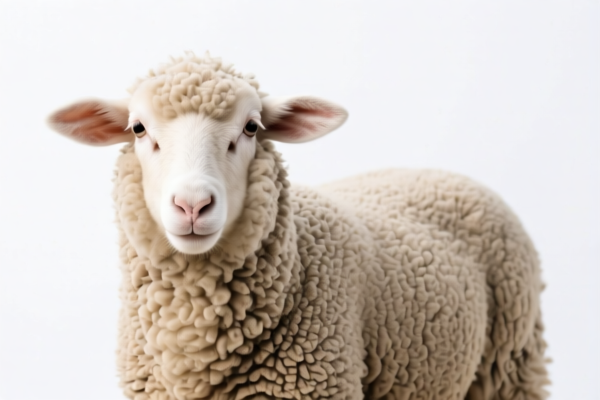
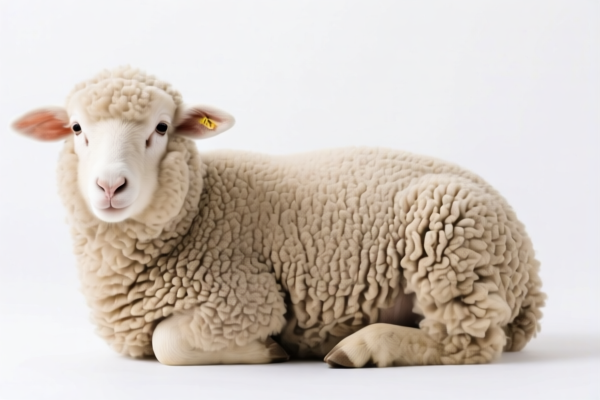
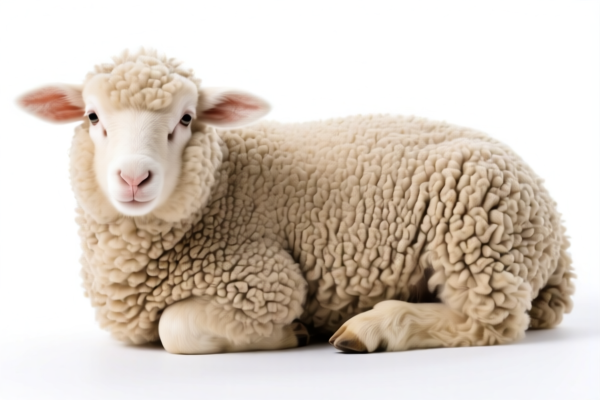
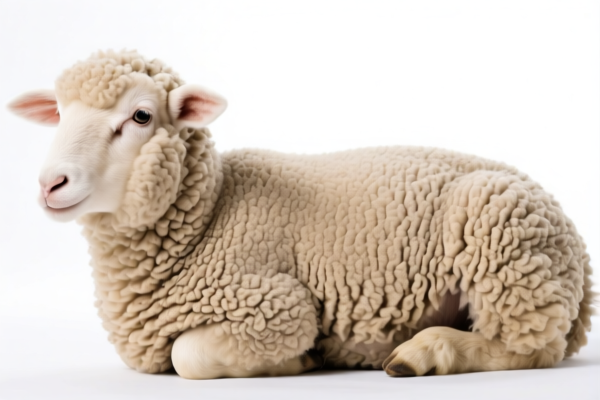
AI Analysis
🐑 Karakul Lamb Skin (Karakul Sheep Pelt)
🌐 HS Code Reference & Customs Clearance Guide | 2026 Latest Tariff Analysis | Professional Entry Strategies
📌 I. Product Definition & Classification: Do You Really Understand "Karakul Lamb Skin"?
Karakul lamb skin is a high-value raw material derived from the pelts of newborn Karakul lambs, known for their distinctive curled patterns. In international trade, it is primarily classified as a leather product or leather raw material. However, due to its versatility, it can be classified under different HS codes depending on its state (raw vs. processed) and intended use.
⚠️ Key Distinction:
- If the skin is raw, salted, or tanned but not made into finished goods → It is classified under Chapter 41 (Leather);
- If the skin is semi-processed or used as a raw material for shoes → It may fall under Chapter 64 (Footwear).
📦 II. HS Code Classification Details (2026 Latest Tariff Authority Comparison)
| HS Code | Product Description | Application Scenario | Tax Rate (China → US) |
|---|---|---|---|
4203.10.20.00 |
Articles of leather or composition leather: apparel and clothing accessories, of leather | Karakul lamb skin as a finished leather product or apparel component | 39.7% |
6403.99.90.55 |
Other footwear with outer soles of rubber, plastics, leather, or composition leather: other, with uppers of leather | Karakul lamb skin as a semi-finished material for shoe uppers | 20.0% |
6403.91.90.45 |
Other footwear with outer soles of leather: other, with uppers of leather | Karakul lamb skin as a leather material for footwear | 20.0% |
4101.90.35.00 |
Raw hides and skins of bovine (including buffalo) or equine animals: other, including wet-blue or wet-white | Karakul lamb skin as raw or primary leather material | 19.9% |
🔍 Key Note:
-4203.10.20.00is for finished leather products (e.g., jackets, gloves);
-6403.99.90.55and6403.91.90.45are for shoe-related leather materials;
-4101.90.35.00is for raw or primary leather materials.
💰 III. 2026 Latest Tariff Rate Breakdown (Including Surtaxes, Policy Surcharges)
✅ Applicable Country: United States (US)
✅ Origin: China (CN)
✅ Effective Date: Starting November 10, 2025 (including subsequent imports)
🎯 1. 4203.10.20.00 – Articles of Leather (Finished Products)
| Item | Details |
|---|---|
| Base Tariff | 4.7% |
| Section 301 Surtax | 25.0% |
| Section 122 Surtax | 10.0% |
| Total Tariff | 39.7% |
| Tax Calculation | CIF Value × 39.7% |
| De Minimis Exemption | ❌ Not Eligible |
| Legal Basis Path | Section 301: 4.7% → Section 301: 25.0% → Section 122: 10.0% → HS 4203.10.20.00 |
📌 Explanation:
- Base Tariff 4.7%: Standard US tariff for leather articles;
- Section 301 Surtax 25%: Applied to Chinese-origin goods under US Trade Act Section 301;
- Section 122 Surtax 10%: Additional surcharge under IEEPA for specific Chinese imports;
- Total 39.7%: Extremely high tariff, requiring advance planning!
🎯 2. 6403.99.90.55 – Other Footwear (Leather Upper)
| Item | Details |
|---|---|
| Base Tariff | 10.0% |
| Section 301 Surtax | 0.0% |
| Section 122 Surtax | 10.0% |
| Total Tariff | 20.0% |
| Tax Calculation | CIF Value × 20.0% |
| De Minimis Exemption | ❌ Not Eligible |
| Legal Basis Path | Base: 10.0% → Section 122: 10.0% → HS 6403.99.90.55 |
📌 Note:
- No Section 301 surtax applies to this footwear category;
- Suitable for semi-finished leather materials used in shoe production.
🎯 3. 6403.91.90.45 – Other Footwear (Leather Upper)
| Item | Details |
|---|---|
| Base Tariff | 10.0% |
| Section 301 Surtax | 0.0% |
| Section 122 Surtax | 10.0% |
| Total Tariff | 20.0% |
| Tax Calculation | CIF Value × 20.0% |
| De Minimis Exemption | ❌ Not Eligible |
| Legal Basis Path | Base: 10.0% → Section 122: 10.0% → HS 6403.91.90.45 |
📌 Note:
- Same as above, but for specific leather footwear materials;
- Applicable when the skin is used as a raw material for shoes.
🎯 4. 4101.90.35.00 – Raw Leather (Other Bovine/Equine)
| Item | Details |
|---|---|
| Base Tariff | 2.4% |
| Section 301 Surtax | 7.5% |
| Section 122 Surtax | 10.0% |
| Total Tariff | 19.9% |
| Tax Calculation | CIF Value × 19.9% |
| De Minimis Exemption | ❌ Not Eligible |
| Legal Basis Path | Base: 2.4% → Section 301: 7.5% → Section 122: 10.0% → HS 4101.90.35.00 |
📌 Note:
- Lowest total tariff among the four options;
- Applicable for raw or primary leather materials (not yet processed into finished goods).
🛠️ IV. Customs Clearance Practical Advice (Real-World Pitfall Avoidance Guide)
✅ 1. Document Preparation Checklist (All Required)
| Document | Required | Notes |
|---|---|---|
| ✅ Product Specification Sheet | ✔️ | Include material type, curl pattern, size, and processing stage |
| ✅ Photos (Including Label) | ✔️ | Show clear details of the skin’s texture and condition |
| ✅ Commercial Invoice | ✔️ | Must specify "Karakul Lamb Skin" and intended use |
| ✅ Packing List | ✔️ | Detail weight, quantity, and packaging method |
| ✅ Certificate of Origin (CO) | ✔️ | Required for tariff calculation |
| ✅ Third-Party Test Report | ✔️ | If applicable, include leather treatment certificates |
✅ 2. Declaration Tips (Key Principles)
🔥 "Raw or Processed? Use Matters Most!"
| Scenario | Correct Declaration | Wrong Approach |
|---|---|---|
| Raw, untreated skin | 4101.90.35.00 |
Misdeclare as finished leather → 39.7% |
| Semi-finished for shoes | 6403.99.90.55 or 6403.91.90.45 |
Misdeclare as raw material → 19.9% vs 20.0% |
| Finished leather goods | 4203.10.20.00 |
Misdeclare as raw material → 39.7% vs 19.9% |
| Mixed raw & finished | Split declaration | Combined declaration → Risk of penalty |
✅ 3. Special Handling Cases
| Scenario | Handling Advice |
|---|---|
| OEM Custom Skins | Provide design specs to avoid misclassification |
| Mixed Shipments (Raw + Finished) | Declare separately for accurate tariff application |
| Shoe Industry Use | Provide evidence of intended use (e.g., shoe manufacturer invoice) |
| High-Value Skins | Consider Advance Ruling to minimize risk |
🌍 V. Global Market Customs Comparison (2026 Latest)
| Country/Region | Recommended HS Code | Tariff | Certification | Notes |
|---|---|---|---|---|
| 🇺🇸 US | 4101.90.35.00 (Raw) |
19.9% | No special certs | 39.7% for finished goods |
| 🇨🇳 China | 4101.90.35.00 |
5% | No extra taxes | Preferential for raw materials |
| 🇪🇺 EU | 4101.90.35.00 |
0% (if CE) | CE + RoHS | No surtaxes |
| 🇦🇺 Australia | 4101.90.35.00 |
5% | RCM | No surtaxes |
| 🇯🇵 Japan | 4101.90.35.00 |
0% | PSE | No surtaxes |
📌 Conclusion:
- US imposes high surtaxes on Chinese-origin leather products;
- Raw materials (4101.90.35.00) have the lowest tariff (19.9%);
- Finished goods (4203.10.20.00) face highest tariffs (39.7%);
- Shoe materials (6403.99.90.55/6403.91.90.45) are mid-range (20.0%).
📌 VI. Common Mistakes & Pitfall Avoidance (Lessons Learned)
❌ Mistake 1: Declaring finished leather goods as raw materials
👉 Consequence: Under-declaration of tariff → Back taxes + fines!
❌ Mistake 2: Misclassifying shoe materials as finished goods
👉 Consequence: Overpayment of tariff (39.7% vs 20.0%) → Lost profit!
❌ Mistake 3: Not providing evidence of intended use
👉 Consequence: Customs reclassification → Delays + penalties
❌ Mistake 4: Using vague terms like "leather skin"
👉 Consequence: Ambiguous declaration → Customs inspection + delays
✅ Correct Practice:
"Karakul Lamb Skin, Raw, Salted, for Shoe Manufacturing, Model XYZ, Certified"
🎯 VII. Conclusion: Professional Declaration, Save Time & Money!
🎯 Remember the Mantra:
🔹 "Raw is cheap, finished is expensive, shoe materials are mid-range!"
🔹 "HS Code decides fate, tariff difference is huge, declare correctly to save thousands!"
📌 Pro Tip:
If your Karakul lamb skin is sourced from Vietnam, Mexico, Thailand, or Malaysia, you may qualify for IEEPA exemption, with tariffs as low as 0%~5%.
It is recommended to apply for an Advance Ruling to avoid clearance risks.
📣 Act Now:
📞 Contact professional customs brokers + Provide product photos + Apply for HS Code Advance Ruling
🚀 Ensure smooth clearance, efficient export, and doubled profits!
✨ Professional clearance starts with precise classification!
💼 Every cent of your cost deserves precise calculation!
Customer Reviews
About HS Code Classification
The Harmonized System (HS) is an internationally standardized nomenclature developed by the World Customs Organization (WCO) to classify traded products. Over 200 countries use the HS system as the basis for customs tariffs, trade statistics, and import/export regulations.
Each HS code follows a hierarchical structure:
- Chapter (2 digits) — Broad category of goods (e.g., Chapter 84: Machinery and Mechanical Appliances)
- Heading (4 digits) — More specific grouping within the chapter
- Subheading (6 digits) — Internationally standardized breakdown, used by all WCO member countries
- National subdivisions (8-10 digits) — Country-specific extensions for further classification, such as US HTSUS 10-digit codes
Correct HS code classification is essential for smooth customs clearance, accurate duty payment, and compliance with trade regulations. Misclassification can lead to customs delays, overpayment of duties, or penalties.
When importing from CN to US, the applicable tariff rates may include:
- Most-Favored-Nation (MFN) rate — The standard duty rate applied to WTO members
- General rate — Applied to countries without trade agreements
- Trade remedy duties — Additional tariffs such as Section 301 (anti-dumping), Section 232 (national security), or countervailing duties
The information provided on this page is for reference purposes only. For official classification, please consult with your local customs authority or a licensed customs broker.