Kayak Seat
CN → US| HS Code | Tariff Rate | Origin | Destination | Doc |
|---|---|---|---|---|
| 4016990500 | 20.9% | CN | US | Official Doc |
| 3926903000 | 39.2% | CN | US | Official Doc |
| 3926902100 | 21.7% | CN | US | Official Doc |
| 4016910000 | 37.7% | CN | US | Official Doc |
| 4016950000 | 21.7% | CN | US | Official Doc |
Product Images
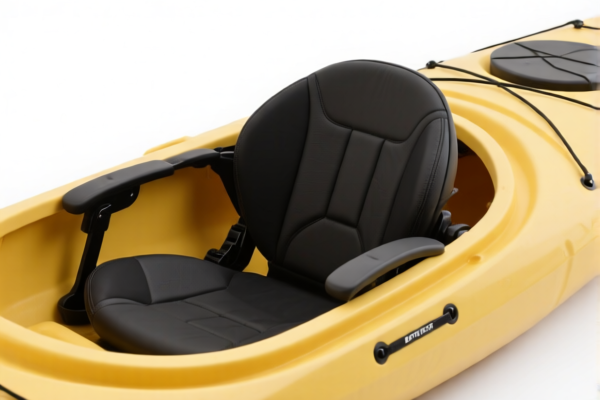
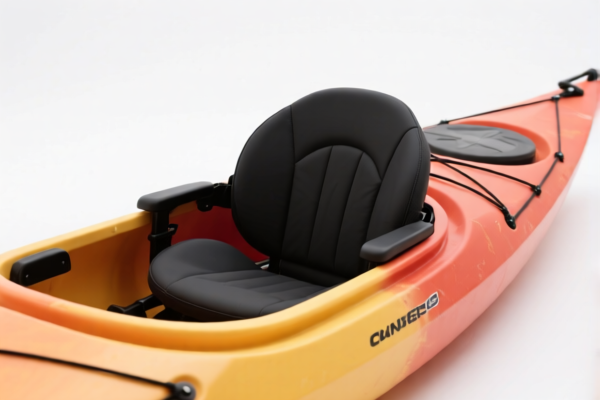
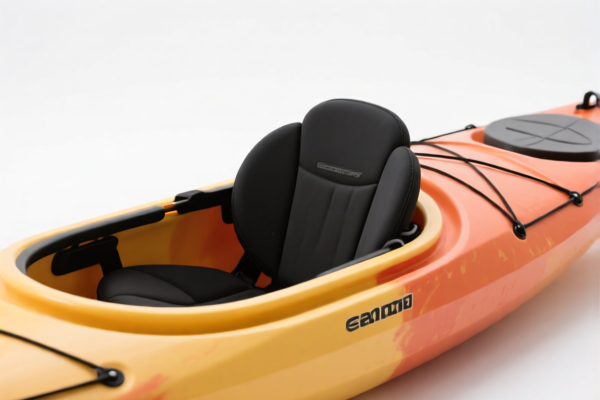
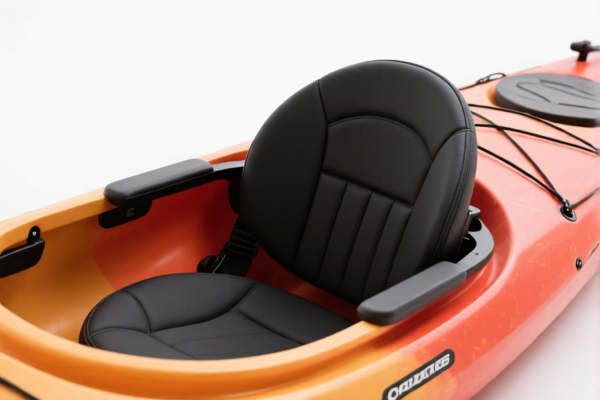
AI Analysis
🛶 Kayak Seat (Kayak Seats & Accessories)
🌐 HS Code Reference & Customs Clearance Guide | 2026 Latest Tariff Analysis | Professional Clearance Strategy
📌 I. Product Definition & Classification: What Exactly is a "Kayak Seat"?
A kayak seat is a critical component of recreational watercraft, designed to provide ergonomic support for the paddler. In international trade, these products are not classified as "watercraft" themselves but rather as accessories or upholstered articles. The classification depends heavily on the material composition and structural form (inflatable vs. rigid/foam-filled).
⚠️ Key Classification Distinction:
- If the seat is made of rubber/elastomers and functions as a cushion/mat → Chapter 40
- If the seat is made of plastic, synthetic fiber, or coated materials → Chapter 39
📦 II. HS Code Classification Details (2026 Latest Tariff Alignment)
Based on the provided data, here are the 5 potential HS Codes for Kayak Seats, ranging from rubber-based to plastic-based solutions:
| HS Code | Product Description & Material Inference | Applicable Scenario | Key Characteristic |
|---|---|---|---|
| 4016.99.05.00 | Other vulcanized rubber articles | Household/outdoor accessories, general rubber mats | Material: Vulcanized Rubber |
| 3926.90.30.00 | Other articles of plastics (canoe/kayak accessories) | Plastic, synthetic fiber, or coated materials | Material: Plastic/Composite |
| 3926.90.21.00 | Plastic care/support pads | Nursing/support pads, plastic cushion inserts | Material: Plastic/Synthetic |
| 4016.91.00.00 | Rubber flooring & mats (cushions) | Vulcanized rubber or similar elastomer pads | Material: Rubber/Elastomer |
| 4016.95.00.00 | Other inflatable rubber articles | Inflatable rubber seats or analog synthetic elastomers | Material: Inflatable Rubber |
🔍 Critical Reminder:
- Plastic/Coated Seats: Most modern ergonomic kayak seats with foam padding and fabric/plastic covers fall under Chapter 39 (specifically3926.90.30.00).
- Rubber/Mat Seats: Pure rubber seats or heavy-duty rubber mats used as seats fall under Chapter 40.
- Inflatable Seats: Specifically those made of rubber or analogous synthetic elastomers that are inflatable →4016.95.00.00.
💰 III. 2026 Latest Tariff Rate Breakdown (Including Surcharges & Policy Add-ons)
✅ Applicable Country: United States (US)
✅ Origin: China (CN)
✅ Effective Date: 2025/2026 (Includes Section 301 & IEEPA provisions)
🎯 1. 3926.90.30.00 —— Plastics Articles: Canoe/Kayak Accessories
(Most Common for Modern Composite/Fabric-Plastic Seats)
| Item | Details |
|---|---|
| Base Tariff | 4.2% (ad valorem) |
| Section 301 Surcharge | +25.0% (Added tariff for Chinese origin) |
| Section 122 Surcharge | +10.0% (Additional duty under specific US trade acts) |
| Total Effective Rate | 39.2% |
| Tax Calculation | CIF Value × 39.2% |
| De Minimis Exemption? | ❌ NO (Denied due to high combined rate) |
| Legal Basis Path | Base: 4.2% → Section 301: +25.0% → Section 122: +10.0% |
📌 Explanation:
- This is a high-tariff category for plastic-based accessories.
- The 25% Section 301 duty is the primary driver of cost.
- The 10% Section 122 adds further burden.
- Total: 39.2% significantly impacts profit margins.
🎯 2. 4016.99.05.00 —— Other Vulcanized Rubber Articles
(For Rubber-Based Cushions/Mats)
| Item | Details |
|---|---|
| Base Tariff | 3.4% |
| Section 301 Surcharge | +7.5% |
| Section 122 Surcharge | +10.0% |
| Total Effective Rate | 20.9% |
| Tax Calculation | CIF Value × 20.9% |
| De Minimis Exemption? | ❌ NO |
| Legal Basis Path | Base: 3.4% → Section 301: +7.5% → Section 122: +10.0% |
📌 Explanation:
- Lower than plastic counterparts due to a lower Section 301 rate (7.5% vs 25%).
- Suitable for heavy-duty, all-rubber kayak seats or floor mats repurposed as seats.
🎯 3. 3926.90.21.00 —— Plastic Care/Support Pads
(For Plastic Padding/Inserts)
| Item | Details |
|---|---|
| Base Tariff | 4.2% |
| Section 301 Surcharge | +7.5% |
| Section 122 Surcharge | +10.0% |
| Total Effective Rate | 21.7% |
| Tax Calculation | CIF Value × 21.7% |
| De Minimis Exemption? | ❌ NO |
| Legal Basis Path | Base: 4.2% → Section 301: +7.5% → Section 122: +10.0% |
📌 Explanation:
- Classified as "support pads" rather than general "accessories."
- Note: This classification may be contested if the item is clearly a "seat" rather than a "pad." However, if structured as a cushion insert, this rate applies.
🎯 4. 4016.91.00.00 —— Rubber Flooring & Mats (Cushions)
(For Rubber Mats Used as Seats)
| Item | Details |
|---|---|
| Base Tariff | 2.7% |
| Section 301 Surcharge | +25.0% |
| Section 122 Surcharge | +10.0% |
| Total Effective Rate | 37.7% |
| Tax Calculation | CIF Value × 37.7% |
| De Minimis Exemption? | ❌ NO |
| Legal Basis Path | Base: 2.7% → Section 301: +25.0% → Section 122: +10.0% |
📌 Explanation:
- High tariff due to the 25% Section 301 surcharge on rubber flooring/mats.
- Risky classification if the product is marketed primarily as a "seat" rather than a "floor mat."
🎯 5. 4016.95.00.00 —— Other Inflatable Rubber Articles
(For Inflatable Kayak Seats)
| Item | Details |
|---|---|
| Base Tariff | 4.2% |
| Section 301 Surcharge | +7.5% |
| Section 122 Surcharge | +10.0% |
| Total Effective Rate | 21.7% |
| Tax Calculation | CIF Value × 21.7% |
| De Minimis Exemption? | ❌ NO |
| Legal Basis Path | Base: 4.2% → Section 301: +7.5% → Section 122: +10.0% |
📌 Explanation:
- Specific to inflatable rubber seats.
- Moderate tariff rate, but requires strict adherence to "inflatable" and "rubber/elastomer" definition.
🛠️ IV. Customs Clearance Practical Advice (Pitfall Avoidance Guide)
✅ 1. Essential Documentation Checklist
| Document | Required? | Notes |
|---|---|---|
| ✅ Product Specification Sheet | ✔️ | Must detail material (Rubber vs. Plastic), dimensions, and weight. |
| ✅ Product Photos (Including Labels) | ✔️ | Show structure: Is it inflatable? Is it foam-filled? |
| ✅ Commercial Invoice | ✔️ | Clearly state "Kayak Seat" and material composition (e.g., "Vulcanized Rubber Seat"). |
| ✅ Packing List | ✔️ | Ensure quantities match invoice. |
| ✅ Origin Certificate (CO) | ✔️ | Crucial for verifying China origin and applying correct surcharges. |
| ✅ Third-Party Test Reports | ✔️ | If claiming specific safety standards (e.g., for marine use). |
✅ 2. Declaration Tips (Crucial Mnemonics)
🔥 “Material Dictates Code, Description Must Align!”
| Scenario | Correct Declaration | Risk of Error |
|---|---|---|
| Plastic/Fabric Seat | 3926.90.30.00 (Plastic Accessories) |
Misclassifying as rubber → 39.2% vs 20.9% difference! |
| Rubber Mat/Seat | 4016.99.05.00 (Rubber Article) |
Misclassifying as plastic → Lower tax, but customs may reject if material is clearly rubber. |
| Inflatable Rubber Seat | 4016.95.00.00 (Inflatable Rubber) |
If not truly inflatable, this code will be rejected. |
| Foam + Fabric Seat | Likely 3926.90.30.00 or 9404 (if exempt, but data not provided) |
Data suggests plastic/rubber focus; avoid 9404 unless explicitly supported. |
📌 Warning:
- Do not declare as "Part of Watercraft" (Chapter 89) – Kayak seats are accessories, not integral hull parts.
- Do not use vague terms like "Cushion" without specifying material. Customs will reclassify, causing delays.
✅ 3. Special Cases
| Situation | Handling Advice |
|---|---|
| Hybrid Materials (e.g., Plastic frame + Fabric cover) | Declare based on essential character. If plastic frame dominates → 3926.90.30.00. |
| OEM Custom Seats | Provide client order + design specs to prove it’s a "seat accessory" and not a general "mat." |
| Sample Shipments | Even samples are subject to these tariffs if shipped via standard freight. De Minimis does NOT apply due to high rates. |
🌍 V. Global Market Comparison (2026 Update)
| Country/Region | Recommended HS Code | Tariff Rate (China Origin) | Key Requirement |
|---|---|---|---|
| 🇺🇸 USA | 3926.90.30.00 |
39.2% | Section 301 + Section 122 |
| 🇺🇸 USA | 4016.99.05.00 |
20.9% | Lower Section 301 rate |
| 🇨🇳 China | 3926.90.30.00 |
~5-10% | Standard Import Tariff |
| 🇪🇺 EU | 3926.90.97 |
0-6.5% | CE Marking may be required |
| 🇬🇧 UK | 3926.90.97 |
0-6.5% | UKCA Marking |
📌 Conclusion:
- USA is the highest-cost market due to aggressive trade policies.
- Plastic-based seats (3926.90.30.00) are taxed heavier (39.2%) than Rubber-based ones (4016.99.05.00at 20.9%).
- Strategy: If possible, design with rubber/elastomer components to benefit from the lower 7.5% Section 301 rate instead of 25%.
📌 VI. Common Errors & Pitfalls (Lessons Learned)
❌ Error 1: Declaring a plastic kayak seat as "Rubber Mat"
👉 Consequence: Customs inspection reveals plastic → Penalty + Back Taxes + Possible Fraud Allegation.
❌ Error 2: Using "De Minimis" (Section 321) for B2B Shipments
👉 Consequence: Denied. These items exceed de minimis thresholds and face high duties.
❌ Error 3: Ignoring "Section 122"
👉 Consequence: Underpaying taxes by 10%. Customs will audit and demand payment + interest.
✅ Best Practice:
“Be Specific: ‘Kayak Seat, Made of Vulcanized Rubber’ or ‘Kayak Seat, Plastic Frame, Fabric Cover’. Match HS Code exactly.”
🎯 VII. Conclusion: Precision in Classification Saves Money
🎯 Remember the Golden Rule:
🔹 “Plastic = 39.2% | Rubber = 20.9% | Choice is Yours!”
🔹 “Don’t guess the HS Code. Test the material. Declare correctly.”
📌 Pro Tip:
If you are importing into the US, calculate landed cost early. A 18.3% difference (39.2% vs 20.9%) can make or break your profit margin. Consider material redesign (e.g., using more rubber components) to optimize tariff rates.
📣 Immediate Action:
📞 Consult a licensed customs broker.
📸 Provide material samples for classification ruling.
🚀 Avoid costly delays and unexpected tariffs!
✨ Professional Clearance, Precise Classification, Maximized Profit!
💼 Your Sea Kayak Success Starts with the Right HS Code!
Customer Reviews
About HS Code Classification
The Harmonized System (HS) is an internationally standardized nomenclature developed by the World Customs Organization (WCO) to classify traded products. Over 200 countries use the HS system as the basis for customs tariffs, trade statistics, and import/export regulations.
Each HS code follows a hierarchical structure:
- Chapter (2 digits) — Broad category of goods (e.g., Chapter 84: Machinery and Mechanical Appliances)
- Heading (4 digits) — More specific grouping within the chapter
- Subheading (6 digits) — Internationally standardized breakdown, used by all WCO member countries
- National subdivisions (8-10 digits) — Country-specific extensions for further classification, such as US HTSUS 10-digit codes
Correct HS code classification is essential for smooth customs clearance, accurate duty payment, and compliance with trade regulations. Misclassification can lead to customs delays, overpayment of duties, or penalties.
When importing from CN to US, the applicable tariff rates may include:
- Most-Favored-Nation (MFN) rate — The standard duty rate applied to WTO members
- General rate — Applied to countries without trade agreements
- Trade remedy duties — Additional tariffs such as Section 301 (anti-dumping), Section 232 (national security), or countervailing duties
The information provided on this page is for reference purposes only. For official classification, please consult with your local customs authority or a licensed customs broker.