Key Bag
CN → US| HS Code | Tariff Rate | Origin | Destination | Doc |
|---|---|---|---|---|
| 7326908688 | 87.9% | CN | US | Official Doc |
| 7326903500 | 92.8% | CN | US | Official Doc |
| 8301500000 | 20.6% | CN | US | Official Doc |
Product Images
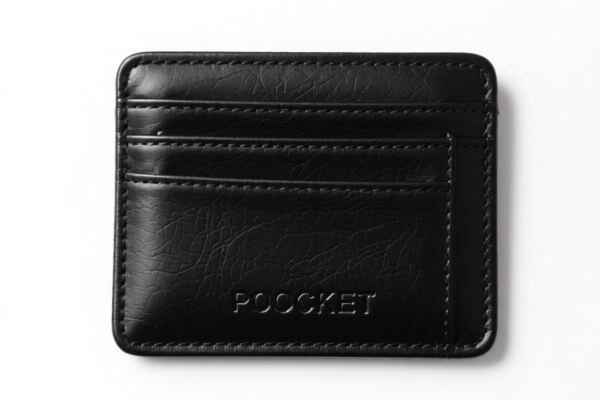
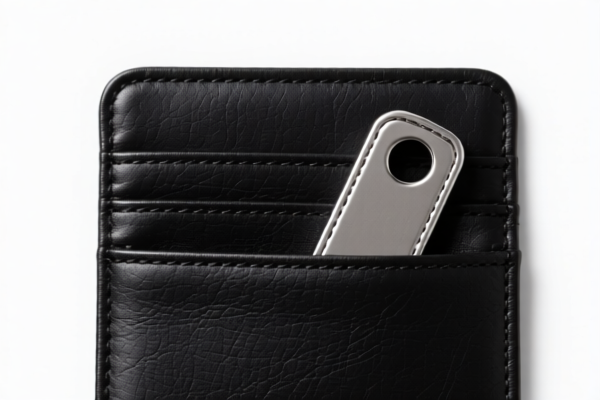
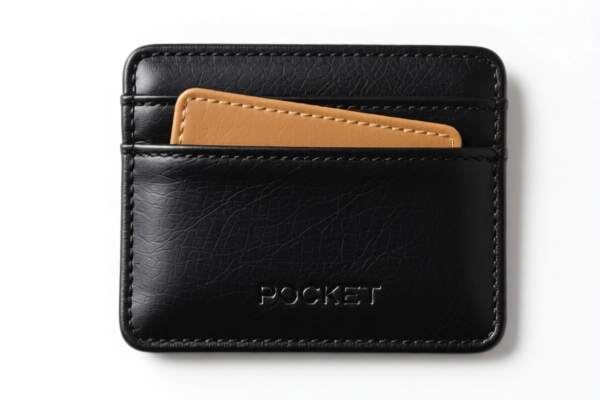

AI Analysis
🔑 Key Bags & Keychains (Metal Key Holders)
🌐 HS Code Reference & Customs Clearance Guide | 2026 Latest Tariff Full Analysis | Professional Clearance Strategy
📌 I. Product Definition & Classification: Do You Really Know "Key Bags"?
Key bags (often referred to as keychains or key holders) are small accessories used for carrying keys. In international trade, they are primarily classified under Chapter 73 (Articles of Iron or Steel) or Chapter 83 (Miscellaneous Articles of Base Metal). The classification depends heavily on the material and functional design:
Iron/Steel Key Holders: Most common, made of stamped or cast iron/steel.
Base Metal Key Holders (Non-Iron/Steel): Made of zinc alloy, brass, or other base metals, often categorized under Chapter 83.
⚠️ Key Distinction Point:
- If made of Iron or Steel and is a simple holder/clasp → Usually falls under HS 7326 (Other articles of iron or steel).
- If made of Other Base Metals (e.g., Zinc Alloy) or is a complex clasp/frame → Usually falls under HS 8301 (Locks, clasps, frames with locks, keys, etc.).
- Material matters: Misclassifying Steel as "Zinc Alloy" or vice versa can lead to massive tariff discrepancies due to Section 301 and Section 232 tariffs.
📦 II. HS Code Classification Details (2026 Latest Tariff Authority Comparison)
Based on the provided data, here are the three possible classifications for "Key Bags" containing Iron/Steel or Base Metal components:
| HS Code | Product Description | Applicability | Material |
|---|---|---|---|
7326.90.86.88 |
Other articles of iron or steel (e.g., Key fobs, small metal holders) | General metal key chains, stamped steel parts | ✅ Iron/Steel |
7326.90.35.00 |
Metal small containers or hangings (e.g., Metal key rings, small containers) | Key holders with small container-like structures or specific hanging features | ✅ Iron/Steel |
8301.50.00.00 |
Locks, clasps, frames with locks, keys, etc. (Base metal) | Key bags/clasps made of non-iron/steel base metals (e.g., Zinc Alloy, Brass) | ✅ Base Metal (Non-Steel) |
🔍 Critical Reminder:
- HS 7326 applies specifically to Iron or Steel items. If your key bag is made of Zinc Alloy or Brass, it must go to Chapter 83 (HS 8301), not Chapter 73.
- HS 8301 is for "Locks, Clasps, Keys." Simple keychains without locking mechanisms may still fall here if considered "clasps" or if made of specific base metals, but typically simple keychains go to 7326 if steel. However, the data suggests 8301.50.00.00 is an option for "Base Metal," implying a classification nuance for "clasps/frames."
- Do not mix materials: Ensure your bill of lading and commercial invoice clearly state the material (e.g., "Iron Alloy" vs. "Zinc Alloy").
💰 III. 2026 Latest Tariff Rate Breakdown (Including Surcharges, Policy Surcharges)
✅ Applicable Country: United States (US)
✅ Origin: China (CN)
✅ Effective Time: 2025/2026 (Current Trade War Context)
🎯 1. 7326.90.86.88 — Other Articles of Iron or Steel
This is the most common classification for standard steel keychains.
| Item | Content |
|---|---|
| Base Duty Rate | 2.9% |
| Section 301 Surcharge | +25.0% (Additional tariff on Chinese goods) |
| Section 232 Surcharge | +50.0% (Tariff on Steel, Aluminum, Copper Products) |
| Total Tax Rate | 77.9% (2.9 + 25 + 50) |
| Tax Calculation | CIF Value × 77.9% |
| De Minimis Exemption | ❌ Not Eligible (Deny de minimis) |
| Legal Basis Path | USITC:7326.90.86.88 → FOOTNOTE:232 (Steel) + USITC:9903.01.24 (Section 301) |
📌 Explanation:
- "Section 232 Tariff +50%": This is the critical cost driver for steel products. Any product primarily made of iron or steel is subject to this additional tariff under Section 232 of the Trade Expansion Act.
- "Section 301 +25%": Standard additional tariff on most Chinese imports.
- Total: 77.9%. This is an extremely high tariff for low-value items. Profit margins will be severely impacted.
🎯 2. 7326.90.35.00 — Metal Small Containers/Hangings (Iron/Steel)
Similar to the above, but potentially categorized under a different subheading for specific shapes (e.g., small metal boxes for keys).
| Item | Content |
|---|---|
| Base Duty Rate | 7.8% |
| Section 301 Surcharge | +25.0% |
| Section 232 Surcharge | +50.0% (Steel, Aluminum, Copper Products) |
| Total Tax Rate | 82.8% (7.8 + 25 + 50) |
| Tax Calculation | CIF Value × 82.8% |
| De Minimis Exemption | ❌ Not Eligible (Deny de minimis) |
| Legal Basis Path | USITC:7326.90.35.00 → FOOTNOTE:232 + USITC:9903.01.24 |
📌 Note:
- Even with a higher base duty (7.8% vs 2.9%), the Section 232 (50%) and Section 301 (25%) remain.
- Total: 82.8%. This is the highest tax burden among the options. Avoid this HS code if possible.
🎯 3. 8301.50.00.00 — Locks, Clasps, Frames (Base Metal)
This applies if the key bag is made of non-steel base metals (e.g., Zinc Alloy, Brass) or is classified as a "clasp/frame."
| Item | Content |
|---|---|
| Base Duty Rate | 3.1% |
| Section 301 Surcharge | +7.5% (Note: Data shows 7.5%, not 25% or 50%) |
| Section 232 Surcharge | $0 (Not applicable, as it is not Steel/Iron/Aluminum/Copper under Section 232) |
| Section 122 Tariff | +10% (As noted in data: "122条款关税10%") |
| Total Tax Rate | 20.6% (3.1 + 7.5 + 10) |
| Tax Calculation | CIF Value × 20.6% |
| De Minimis Exemption | ❌ Not Eligible (Deny de minimis) |
| Legal Basis Path | USITC:8301.50.00.00 → USITC:9903.01.24 (Section 301) + Section 122 |
📌 Explanation:
- Why is it so low?:
1. No Section 232: If classified as "Base Metal" under Chapter 83 (non-steel), it avoids the 50% steel tariff.
2. Lower Section 301: The data indicates a 7.5% surcharge instead of 25%. This may be due to specific HTSUS exclusions or a different interpretation of "Key Bags" as "Clasps" rather than general goods.
3. Section 122: A historical tariff provision (often reinstated or referenced in specific contexts) adding 10%.
- Total: 20.6%. This is the most cost-effective classification IF the product qualifies.
🛠️ IV. Customs Clearance Practical Advice (Battle-Tested Pitfall Guide)
✅ 1. Preparation Checklist (Essential Documents)
| Document | Required | Explanation |
|---|---|---|
| ✅ Product Material Spec | ✔️ Critical | Must clearly state: "Zinc Alloy" or "Brass" to support HS 8301. If it says "Steel," you are stuck with 77-82% tax. |
| ✅ Product Photos | ✔️ | Show the key ring, clasp, and any locking mechanism. |
| ✅ Commercial Invoice | ✔️ | Description: "Key Chain, Zinc Alloy, Non-Steel, For Holding Keys." Do NOT use "Steel" if claiming HS 8301. |
| ✅ Bill of Lading | ✔️ | Ensure weight and value match the invoice. |
| ✅ Certificate of Origin | ✔️ | To prove origin as China (CN) and apply correct tariffs. |
✅ 2. Declaration Tips (Key Mantras)
🔥 “Material is King, Chapter 83 Saves Money, Steel is Dead!”
| Scenario | Correct Declaration | Wrong Declaration |
|---|---|---|
| Key bag made of Zinc Alloy | HS 8301.50.00.00 (20.6%) |
Declare as "Steel Key Ring" → HS 7326 (77.9%+) |
| Key bag made of Iron | HS 7326.90.86.88 (77.9%) |
Try to declare as "Plastic" → Fraud/Seizure |
| Key bag with Locking Mechanism | HS 8301.50.00.00 (20.6%) |
Declare as simple "Ornament" → Misclassification risk |
| Mixed Material (Steel Ring, Zinc Head) | Major Material Rule | Split shipment → Complex clearance |
✅ 3. Special Circumstances Handling
| Situation | Handling Advice |
|---|---|
| Zinc Alloy vs. Steel | Zinc Alloy is often marketed as "Metal" but is chemically different. Provide a Material Test Report to prove it is not Steel. |
| Section 301 Exclusions | Check if HS 8301.50.00.00 has any current exclusions from Section 301. The data shows 7.5%, which is lower than the standard 25%, so it may already be optimized. |
| De Minimis ($800) | ❌ Warning: Key bags are NOT eligible for De Minimis clearance from China to the US due to trade war tariffs. Always file a formal entry. |
| Customs Audits | CBP may challenge HS 8301 if they suspect it's actually steel. Have the Material Safety Data Sheet (MSDS) or third-party lab report ready. |
🌍 V. Global Market Clearance Comparison (2026 Latest)
| Country/Region | Recommended HS Code | Tariff | Certification | Note |
|---|---|---|---|---|
| 🇺🇸 USA | 8301.50.00.00 (if Zinc) |
20.6% | No specific | Avoid Steel (77.9%) |
| 🇺🇸 USA | 7326.90.86.88 (if Steel) |
77.9% | None | High cost |
| 🇨🇳 China | 8301.50.00.00 |
~5-10% | None | Import tariff |
| 🇪🇺 EU | 7326.90 or 8301 |
~2-5% | CE/RoHS | No Section 232 equivalent |
| 🇬🇧 UK | 7326.90 or 8301 |
~2-5% | UKCA | Post-Brexit rules apply |
📌 Conclusion:
- USA is the most expensive market due to Section 232 (Steel) and Section 301 tariffs.
- Strategy: If your key bags are made of Zinc Alloy or Brass, aggressively classify them under HS 8301.50.00.00 to save 57%+ in tariffs compared to steel.
- Warning: Do not misdeclare steel as zinc. CBP is vigilant about "origin shopping" and material misclassification.
📌 VI. Common Errors & Pitfall Guide (Blood & Tears Lessons)
❌ Error 1: Declaring Steel Key Chains as 8301.50.00.00
👉 Consequence: CBP reclassifies to 7326 + penalties + back duties of $50,000+.
❌ Error 2: Ignoring Section 232 for Steel Items
👉 Consequence: Underestimating costs by 50%. Your profit margin disappears.
❌ Error 3: Using "Key Chain" without Material Specification
👉 Consequence: CBP assumes worst-case scenario (Steel) or delays shipment for inspection.
❌ Error 4: Assuming De Minimis Applies
👉 Consequence: Package seized or held at border because China-origin goods over $800 are not exempt.
✅ Correct Approach:
“Key Chain, Zinc Alloy, Non-Steel, 2 inch, Brand XYZ, HS 8301.50.00.00”
🎯 VII. Conclusion: Professional Declaration, Save Costs!
🎯 Remember the Mantra:
🔹 “Zinc Alloy is Golden (20%), Steel is Pain (78%)!”
🔹 “Check Material, Choose Chapter 83, Avoid Chapter 73 Steel!”
🔹 “No De Minimis for China, File Formal Entry!”
📌 Pro Tip:
If your key bags are made of Stainless Steel, they are still Steel and fall under HS 7326 with 77.9% tax. There is no exemption for stainless steel under Section 232. Consider Zinc Alloy, Brass, or Plastic (if applicable, though plastic may have different tariffs) to optimize costs.
📣 Immediate Action:
📞 Contact your supplier for Material Certification.
🚀 If Zinc Alloy, declare under HS 8301.50.00.00.
💼 If Steel, budget for 77.9% tariff or explore alternative markets.
✨ Professional Clearance Starts with Precise Classification!
💼 Your Cost per Unit is Calculated in Pennies, Saved in Cents!
Customer Reviews
About HS Code Classification
The Harmonized System (HS) is an internationally standardized nomenclature developed by the World Customs Organization (WCO) to classify traded products. Over 200 countries use the HS system as the basis for customs tariffs, trade statistics, and import/export regulations.
Each HS code follows a hierarchical structure:
- Chapter (2 digits) — Broad category of goods (e.g., Chapter 84: Machinery and Mechanical Appliances)
- Heading (4 digits) — More specific grouping within the chapter
- Subheading (6 digits) — Internationally standardized breakdown, used by all WCO member countries
- National subdivisions (8-10 digits) — Country-specific extensions for further classification, such as US HTSUS 10-digit codes
Correct HS code classification is essential for smooth customs clearance, accurate duty payment, and compliance with trade regulations. Misclassification can lead to customs delays, overpayment of duties, or penalties.
When importing from CN to US, the applicable tariff rates may include:
- Most-Favored-Nation (MFN) rate — The standard duty rate applied to WTO members
- General rate — Applied to countries without trade agreements
- Trade remedy duties — Additional tariffs such as Section 301 (anti-dumping), Section 232 (national security), or countervailing duties
The information provided on this page is for reference purposes only. For official classification, please consult with your local customs authority or a licensed customs broker.