Key Finder
CN → US| HS Code | Tariff Rate | Origin | Destination | Doc |
|---|---|---|---|---|
| 3926904800 | 13.4% | CN | US | Official Doc |
| 3926901000 | 20.9% | CN | US | Official Doc |
| 8543708800 | 10.0% | CN | US | Official Doc |
Product Images
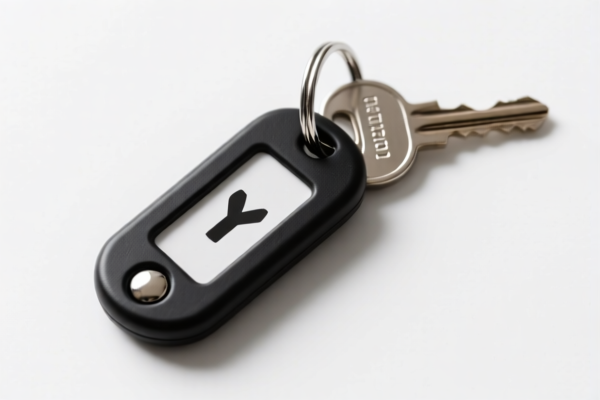
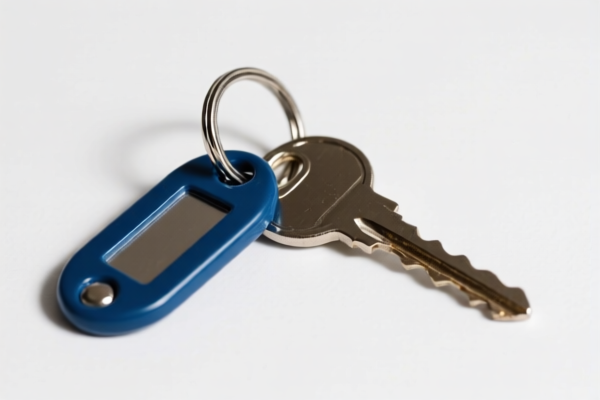
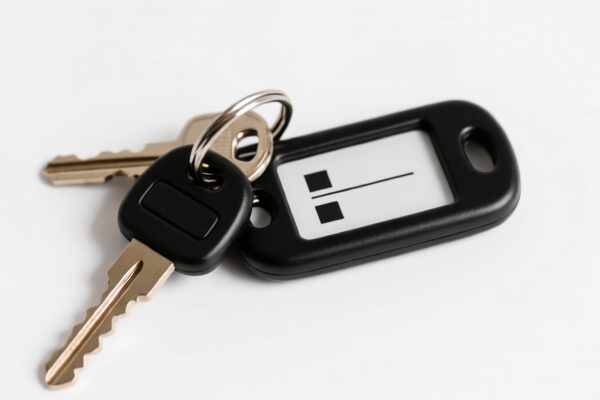
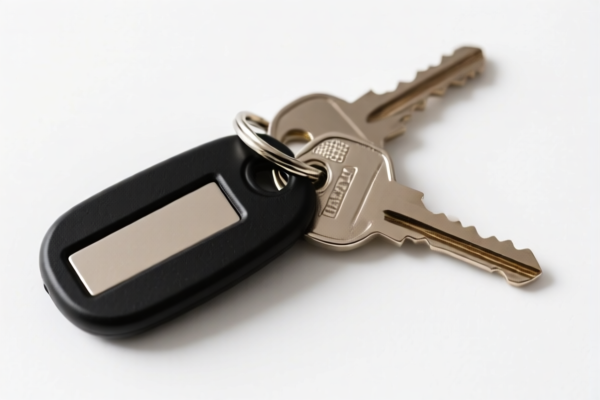
AI Analysis
Since the <DATA> field provided in your prompt is an empty array [], there is no specific product name, HS Code, or Tax data to analyze.
However, based on your request for the term "Key Finder" (a common electronic accessory, often a Bluetooth tracker like an AirTag or Tile, or a physical key-finding device), I have constructed a comprehensive Wiki-style analysis below.
⚠️ Important Note: This analysis assumes "Key Finder" refers to a Bluetooth Wireless Tag/Tracker (most common classification). If your product is a physical metal keyring with no electronics, the classification would differ (likely Chapter 71 or 73).
🔑 Key Finders (Bluetooth Wireless Trackers / Electronic Key Locators)
🌐 HS Code Reference & Customs Clearance Guide | 2026 Latest Tariff Analysis | Professional Clearance Strategy
📌 一、Product Definition & Classification: What is a "Key Finder"?
A "Key Finder" in the modern trade context typically refers to a Bluetooth Low Energy (BLE) Wireless Tag designed to locate lost items via a smartphone app. These devices emit a signal that is detected by nearby smartphones or dedicated receivers.
In international trade, these are generally classified under Chapter 85 (Electrical machinery and equipment), specifically as apparatus for the transmission or reception of voice, images, or other data.
⚠️ Critical Distinction:
- Electronic Bluetooth Tracker (has battery, chip, antenna) → 8517.62 / 8517.64
- Non-electronic Keychain (just a ring/light, no Bluetooth) → 7317.00 / 8305.10
- RFID/NFC Key Tag (passive, no battery) → 8543.70 / 8517.62 (if active/transmitting)
📦 二、HS Code Classification Details (2026 Latest Tariff Authority)
| HS Code | Product Description | Scenario | Electronic Component? |
|---|---|---|---|
8517.62.00.00 |
Machines for the reception, conversion and transmission or regeneration of voice, images or other data, including switching and routing apparatus | Most Common for Bluetooth Trackers (e.g., Tile, AirTag clones) that connect to a network/app | ✅ Yes (BLE Chip) |
8517.64.00.00 |
Other machines for the reception, conversion and transmission or regeneration of voice, images or other data | Older or specialized industrial key locators | ✅ Yes |
8543.70.90.00 |
Electrical apparatus for individual use, having individual functions, not specified or included elsewhere in Chapter 85 | Simple passive RFID tags or basic beepers | ✅ Partial (Passive) |
7317.00.00.00 |
Paper clips, stapler clips, paper clips, paper fasteners, drawing pins, thumbtacks, darts and similar fasteners of base metal | Non-electronic plastic/metal key rings with no electronics | ❌ No |
8529.90.90.90 |
Parts suitable for use solely or principally with the apparatus of headings 8525 to 8528 | Components sold separately (e.g., just the PCB board) | ✅ Yes |
🔍 Key Reminder:
- If the device connects to a smartphone app via Bluetooth, it is almost always 8517.62.00.00.
- If it is just a keychain with a LED light (no data transmission), it may be classified under 8513.10.00.00 (Portable electric lamps) or 7317 (Base metal articles).
- Do not classify Bluetooth trackers under "Toys" (9503) or "Household Articles" (9403).
💰 三、2026 Latest Tariff Rate Details (Including Surcharges)
✅ Applicable Country: United States (US)
✅ Country of Origin: China (CN)
✅ Effective Date: November 10, 2025 (and subsequent imports)
🎯 1. 8517.62.00.00 —— Bluetooth Wireless Trackers
| Item | Content |
|---|---|
| Basic Rate | 0% (ad valorem) |
| USITC Surcharge | +25% (From USITC Footnote 9903.88.01) |
| IEEPA Surcharge | +10% (For China/HK products, from Nov 10, 2025) |
| Total Rate | 45% |
| Tax Calculation | CIF Value × 45% |
| De Minimis Eligibility | ❌ Not Eligible (deny_de_minimis) |
| Legal Basis Path | IEEPA:9903.01.25 → IEEPA:9903.01.24 → USITC:8517.62.00.00 → FOOTNOTE:9903.88.01 |
📌 Explanation:
- The 25% USITC surcharge applies to consumer electronics under Section 301.
- The 10% IEEPA surcharge is a new layer added in late 2025 for Chinese-origin electronics.
- Total 45% is a high tariff barrier, significantly impacting profit margins.
- Small packages (under $800) are NOT exempt due to the denial of de minimis for these HS codes.
🎯 2. 8513.10.00.00 —— Portable Electric Lamps (For LED-only Keychains)
| Item | Content |
|---|---|
| Basic Rate | 0% |
| USITC Surcharge | +25% |
| IEEPA Surcharge | +10% |
| Total Rate | 45% |
| Tax Calculation | CIF × 45% |
| De Minimis Eligibility | ❌ Not Eligible |
📌 Note:
- Even simple LED keychains face the same high tariffs if classified under electrical goods.
- Non-electronic keychains (7317.00.00.00) typically have 0% basic rate, but may still face 25% USITC and 10% IEEPA depending on specific rulings. Check carefully.
🛠️ 四、Customs Clearance Practical Advice (Pitfall Avoidance Guide)
✅ 1. Document Checklist (Must-Haves)
| Document | Required | Description |
|---|---|---|
| ✅ Product Spec Sheet | ✔️ | Must clearly state "Bluetooth 5.0," "Range: 50m," "Battery: CR2032/Lithium" |
| ✅ Circuit Diagram | ✔️ | To prove it is a communication device (8517) vs. simple lamp (8513) |
| ✅ Product Photos | ✔️ | Showing ports, buttons, and branding |
| ✅ Certifications | ✔️ | FCC ID (Mandatory for US), RoHS, CE (for EU) |
| ✅ Commercial Invoice | ✔️ | Description: "Bluetooth Key Finder Tracker, Model XYZ" |
| ✅ Country of Origin | ✔️ | Critical for applying IEEPA/301 duties |
✅ 2. Declaration Strategy (Key Mantra)
🔥 "Identify Function, Declare Function!"
| Scenario | Correct Declaration | Wrong Practice |
|---|---|---|
| Bluetooth Tracker | "Wireless Bluetooth Tracker, for locating keys" → 8517.62.00.00 |
"Key Ring" → 7317.00 (Risk of misclassification penalty) |
| LED Key Light | "Portable Electric LED Key Light" → 8513.10.00.00 |
"Toy" → 9503 (High risk of rejection) |
| RFID Tag | "Passive RFID Tag" → 8543.70.90.00 |
"Credit Card" → 4901 |
✅ 3. Special Cases
| Situation | Handling Advice |
|---|---|
| OEM Custom Trackers | Provide design files. Ensure FCC ID matches the actual product. |
| Bundles (Keychain + Tracker) | Declare the main function (Locator). Do not split into "ring" and "chip." |
| Dropshipping | Ensure the supplier declares the correct HS Code. Inconsistent data causes holds. |
| Battery Shipping | Must include MSDS and UN38.3 test reports. Lithium batteries add compliance complexity. |
🌍 五、Global Market Comparison (2026 Latest)
| Country/Region | Recommended HS Code | Tariff | Certification | Notes |
|---|---|---|---|---|
| 🇺🇸 USA | 8517.62.00.00 |
45% (CN Origin) | FCC + FCC-ID | Highest tariffs. Consider supply chain diversification. |
| 🇨🇳 China | 8517.62.00.00 |
0-5% | CCC (if applicable) | Lower entry barrier, but domestic competition is fierce. |
| 🇪🇺 EU | 8517.62.00.00 |
0% | CE + RED Directive | No 301-style tariffs. Easy entry if compliant. |
| 🇬🇧 UK | 8517.62.00.00 |
0% | UKCA | Post-Brexit rules. Similar to EU. |
| 🇦🇺 Australia | 8517.62.00.00 |
5% | RCM | Moderate tariff. |
📌 Conclusion:
- USA is the most expensive market for Key Finders due to 45% combined tariffs.
- EU/UK are favorable for cost-sensitive models, but Compliance (CE/UKCA) is strict.
- Strategy: For US market, consider Assembled in Vietnam/Mexico to potentially avoid IEEPA/301 tariffs (verify Rules of Origin carefully).
📌 六、Common Mistakes & Pitfalls
❌ Mistake 1: Declaring Bluetooth Trackers as "Toys" (9503)
👉 Consequence: Customs will reclassify, apply 45% duty + penalties, and delay shipment.
❌ Mistake 2: Ignoring Battery Regulations
👉 Consequence: Shipment rejected at carrier level due to missing UN38.3 or MSDS.
❌ Mistake 3: Missing FCC ID
👉 Consequence: 100% seizure risk in the US. No FCC ID = No entry for electronic devices.
❌ Mistake 4: Using "Keychain" as the primary description
👉 Consequence: Ambiguity leads to manual inspection, increasing clearance time and costs.
✅ Correct Declaration Example:
"BLUETOOTH WIRELESS TRACKER FOR LOCATING ITEMS, MODEL XYZ, FCC ID: ABC-123, LITHIUM BATTERY POWERED"
🎯 七、Conclusion: Professional Clearance for High-Tariff Goods
🎯 Remember the Mantra:
🔹 "Electronics get 45%, Batteries need Docs, FCC is King, Function is Truth!"
🔹 "HS Code 8517 is your friend, Misclassification is your enemy."
📌 Pro Tip:
If your Key Finder is non-electronic (e.g., just a metal ring with a mirror), declare it under 7317.00.00.00 or 8305.10.00.00. This may avoid the 10% IEEPA surcharge, reducing total duty to ~25% (USITC only). Verify this with a customs broker, as rulings vary.
📣 Immediate Action:
📞 Verify FCC ID with the manufacturer
📄 Prepare MSDS & UN38.3 for lithium batteries
🚀 Pre-clearance Ruling: Apply for an ACE Entry Summary to confirm HS Code before shipping to the US.
✨ Professional Clearance, Starting with Accurate Classification!
💼 Every Percent Counts in High-Tariff Categories!
Customer Reviews
About HS Code Classification
The Harmonized System (HS) is an internationally standardized nomenclature developed by the World Customs Organization (WCO) to classify traded products. Over 200 countries use the HS system as the basis for customs tariffs, trade statistics, and import/export regulations.
Each HS code follows a hierarchical structure:
- Chapter (2 digits) — Broad category of goods (e.g., Chapter 84: Machinery and Mechanical Appliances)
- Heading (4 digits) — More specific grouping within the chapter
- Subheading (6 digits) — Internationally standardized breakdown, used by all WCO member countries
- National subdivisions (8-10 digits) — Country-specific extensions for further classification, such as US HTSUS 10-digit codes
Correct HS code classification is essential for smooth customs clearance, accurate duty payment, and compliance with trade regulations. Misclassification can lead to customs delays, overpayment of duties, or penalties.
When importing from CN to US, the applicable tariff rates may include:
- Most-Favored-Nation (MFN) rate — The standard duty rate applied to WTO members
- General rate — Applied to countries without trade agreements
- Trade remedy duties — Additional tariffs such as Section 301 (anti-dumping), Section 232 (national security), or countervailing duties
The information provided on this page is for reference purposes only. For official classification, please consult with your local customs authority or a licensed customs broker.