Key Protective Case
CN → US| HS Code | Tariff Rate | Origin | Destination | Doc |
|---|---|---|---|---|
| 8517790000 | 67.5% | CN | US | Official Doc |
| 4202929700 | 52.6% | CN | US | Official Doc |
| 8517130000 | 10.0% | CN | US | Official Doc |
| 4202929400 | 52.6% | CN | US | Official Doc |
| 6307909891 | 24.5% | CN | US | Official Doc |
Product Images
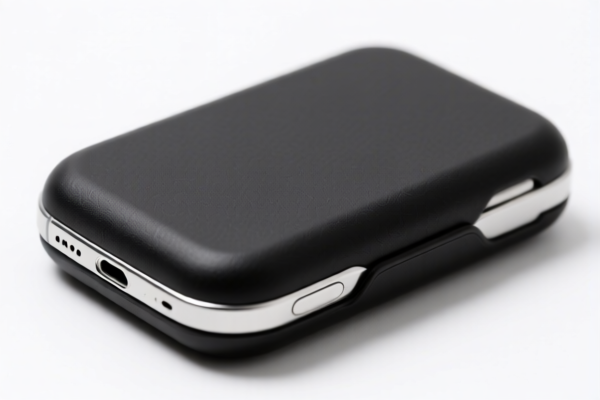
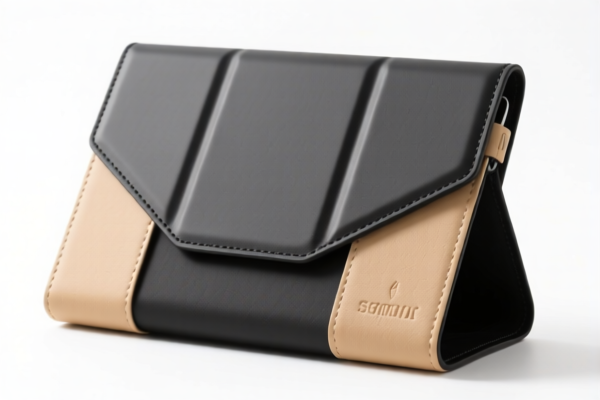
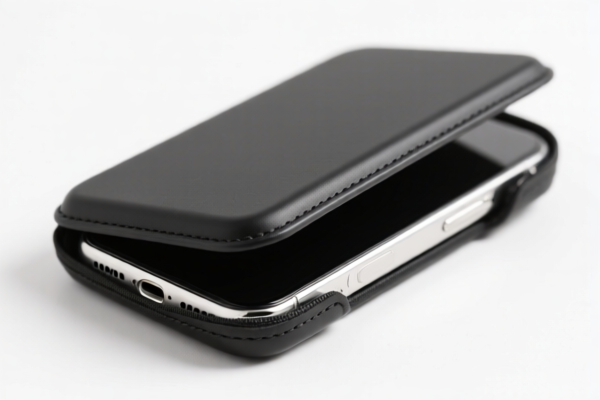
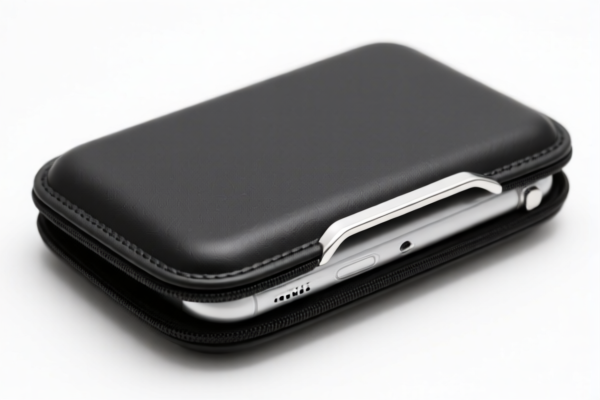
AI Analysis
🛡️ Key Protective Case (Shielding & Storage Solutions)
🌐 HS Code Reference & Customs Clearance Guide | 2026 Latest Tariff Analysis | Professional Level Strategy
📌 I. Product Definition: What is a "Key Protective Case"?
A Key Protective Case is a broad term encompassing various accessories designed to store, protect, or shield keys. In international trade, the classification depends heavily on the material and the specific function (e.g., signal blocking vs. simple storage).
1. Communication Equipment Parts:
- Cases that double as phone accessories or are marketed specifically as "phone cases" or "communication device shells."
- Material: Typically plastic, silicone, or rubber.
2. Luggage/Goods Containers:
- Cases designed to hold keys as general accessories, similar to pouches or small boxes.
- Material: Plastic, textile, or leather-like materials.
3. RF Shielding Cases:
- Specialized cases made of conductive fabrics or metal-coated materials designed to block RFID/Bluetooth signals (privacy protection).
- Material: Composite fabrics with metal layers.
⚠️ Key Distinction Point:
- If it’s a standard phone case or plastic shell → 8517.79.00.00 (Parts)
- If it’s a general pouch/box for keys → 4202.92.97.00 or 4202.92.94.00 (Containers)
- If it’s an RFID-blocking case → 6307.90.98.91 (Other Made-up Articles)
📦 II. HS Code Classification Details (2026 Latest Tariff Authoritative Comparison)
| HS Code | Product Description | Application Scenario | Material Inference |
|---|---|---|---|
8517.79.00.00 |
Parts and accessories of apparatus for line or frame telephony/telegraphy | Phone cases, communication device shells | Plastic or Silicone |
4202.92.97.00 |
Articles of apparel and accessories, not elsewhere specified (Plastic sheeting/Textile) | General key pouches, plastic cases | Plastic or Textile |
8517.13.00.00 |
Telephone sets, including smartphones | Smartphone accessories marketed as "phone cases" | Plastic or Silicone |
4202.92.94.00 |
Other containers for the temporary storage of goods (Plastic sheeting) | Hard plastic key boxes, protective shells | Plastic |
6307.90.98.91 |
Other made-up articles (Textile/Composite) | RFID-shielding key fobs, signal-blocking cases | Metal-coated fabric/Composite |
🔍 Key Reminder:
- Phone Cases: Always归类 under 8517 series if they are specific to phones. Do NOT classify them as general bags.
- Shielding Cases: Must be declared with material composition (e.g., "Polyester with aluminum coating") to fall under 6307.
- General Pouches: If it’s just a soft bag for keys, it falls under 4202. Misclassification here leads to massive tariff hikes.
💰 III. 2026 Latest Tariff Rate Breakdown (Including Surtaxes & Policy Add-ons)
✅ Applicable Country: United States (US)
✅ Origin: China (CN)
✅ Effective Time: From November 10, 2025 (including subsequent imports)
🎯 1. 8517.79.00.00 —— Parts of Telecommunications Equipment (Phone Cases)
| Item | Details |
|---|---|
| Base Tariff | 0.0% (ad valorem) |
| Section 301 Surcharge | +7.5% (Under USITC Footnote 9903.88.01) |
| Section 122 Surcharge | +10.0% (Specific to Steel/Aluminum/Copper products or specific trade actions) |
| Total Tariff | 17.5% |
| Tax Calculation | CIF Value × 17.5% |
| De Minimis Eligibility | ❌ No (deny_de_minimis) |
| Legal Basis Path | USITC:8517.79.00.00 → Section 301: 7.5% → Section 122: 10% |
📌 Explanation:
- Although the base tariff is 0%, the Section 301 (7.5%) and Section 122 (10%) surcharges make this category expensive.
- Total 17.5% is applied to phone cases and similar telecom accessories.
🎯 2. 4202.92.97.00 & 4202.92.94.00 —— Other Containers (Plastic/Textile Cases)
| Item | Details |
|---|---|
| Base Tariff | 17.6% (ad valorem) |
| Section 301 Surcharge | +25.0% (Under USITC Footnote 9903.88.01) |
| Section 122 Surcharge | +10.0% |
| Total Tariff | 52.6% |
| Tax Calculation | CIF Value × 52.6% |
| De Minimis Eligibility | ❌ No (deny_de_minimis) |
| Legal Basis Path | USITC:4202.92.xxxx.00 → Section 301: 25% → Section 122: 10% |
📌 Warning:
- These cases suffer from a high base tariff (17.6%) PLUS the 25% Section 301 tariff.
- This is the highest risk category for general plastic/textile key pouches.
- Total 52.6% significantly impacts profit margins. Do NOT use these codes for phone cases.
🎯 3. 6307.90.98.91 —— RF Shielding/Conductive Fabric Cases
| Item | Details |
|---|---|
| Base Tariff | 7.0% (ad valorem) |
| Section 301 Surcharge | +7.5% |
| Section 122 Surcharge | +10.0% |
| Total Tariff | 24.5% |
| Tax Calculation | CIF Value × 24.5% |
| De Minimis Eligibility | ❌ No (deny_de_minimis) |
| Legal Basis Path | USITC:6307.90.98.91 → Section 301: 7.5% → Section 122: 10% |
📌 Advantage:
- If your case is RFID-shielding, declare it correctly under 6307.
- The total rate is 24.5%, which is much lower than the 52.6% for general plastic containers.
- Key: Must provide material specs showing conductive/metallic properties.
🎯 4. 8517.13.00.00 —— Smartphone Accessories (Specific Phone Cases)
| Item | Details |
|---|---|
| Base Tariff | 0.0% |
| Section 301 Surcharge | 0.0% |
| Section 122 Surcharge | +10.0% |
| Total Tariff | 10.0% |
| Tax Calculation | CIF Value × 10.0% |
| De Minimis Eligibility | ❌ No (deny_de_minimis) |
| Legal Basis Path | USITC:8517.13.00.00 → Section 122: 10% |
📌 Strategy:
- If the item is strictly a phone case, declaring it under 8517.13.00.00 might attract only the Section 122 (10%) tariff, avoiding the 25% Section 301.
- Note: This depends on specific customs rulings. Ensure the product is exclusively for telecommunications equipment.
🛠️ IV. Customs Clearance Practical Advice (Real-world Pitfall Guide)
✅ 1. Document Checklist (Essential for Smooth Clearance)
| Document | Required | Explanation |
|---|---|---|
| ✅ Product Specification Sheet | ✔️ | Must detail material (e.g., "TPU", "Aluminum-coated Polyester"). |
| ✅ Product Photos (Clear) | ✔️ | Show the case on a device or as a standalone item. Highlight any shielding labels. |
| ✅ Commercial Invoice | ✔️ | Describe accurately: e.g., "Silicone Phone Case for iPhone 15" or "RFID Blocking Key Holder". |
| ✅ Certificate of Origin (CO) | ✔️ | To prove Chinese origin (subject to surcharges). |
| ✅ Packing List | ✔️ | Detail quantities and weights. |
✅ 2. Declaration Tips (Key Mantra)
🔥 "Material Matters, Function Defines, Code Saves Dollars!"
| Scenario | Correct Declaration | Wrong Action | Consequence |
|---|---|---|---|
| Silicone Phone Case | 8517.79.00.00 or 8517.13.00.00 |
Declare as "Plastic Bag" (4202) |
Tax jump from 17.5% to 52.6%! |
| RFID Key Holder | 6307.90.98.91 |
Declare as "Textile Bag" (4202) |
Tax jump from 24.5% to 52.6%! |
| Hard Plastic Key Case | 4202.92.94.00 |
Declare as "Phone Case" | Potential rejection if not for phone. |
| Generic Soft Key Pouch | 4202.92.97.00 |
No issues, but high tax | Accept 52.6% tax. |
✅ 3. Special Handling
| Situation | Handling Advice |
|---|---|
| Multi-function Case (Phone + Key Holder) | Declare as Phone Case (8517) if primary function is phone protection. Avoid 4202 classification to reduce risk of 25% surcharge. |
| Metallic Coating on Case | Must declare under 6307 (Shielding) if it blocks signals. Provide lab test results for RF blocking. |
| OEM/Custom Design | Provide design blueprints to prove it’s a specialized accessory, not a generic good. |
🌍 V. Global Market Clearance Comparison (2026 Latest)
| Country/Region | Recommended HS Code | Tariff (China Origin) | Certification | Notes |
|---|---|---|---|---|
| 🇺🇸 USA | 8517.79.00.00 (Phone) / 6307 (Shield) |
10%~17.5% (Phone) / 24.5% (Shield) | FCC (if electronic) | High Section 301 & 122 surcharges. |
| 🇨🇳 China | 8517.79.00.00 |
0% - 7% | CCC (if electronic) | Lower tariffs for exports back to China. |
| 🇪🇺 EU | 8517.79.00.00 |
0% (if under 150 EUR) | CE | No Section 301/122. |
| 🇬🇧 UK | 8517.79.00.00 |
0% - 5% | UKCA | Post-Brexit rules apply. |
| 🇦🇺 Australia | 8517.79.00.00 |
5% | RCM | Moderate tariffs. |
📌 Conclusion:
- The US market is the most challenging due to layered surcharges (Section 301 + 122).
- Correct classification is critical: A simple misclassification from "Phone Case" to "Plastic Container" can increase taxes by 35 percentage points.
📌 VI. Common Mistakes & Pitfall Guide (Lessons Learned)
❌ Mistake 1: Declaring a Phone Case as a "Plastic Pouch" (4202)
👉 Consequence: Tax increases from 17.5% to 52.6% → Loss of 35% margin!
❌ Mistake 2: Declaring an RFID Shielding Case as a "Textile Bag" (4202)
👉 Consequence: Tax increases from 24.5% to 52.6% → Unnecessary cost.
❌ Mistake 3: Ignoring Material Composition
👉 Consequence: Customs may reclassify based on physical inspection, leading to delays and penalties.
❌ Mistake 4: Using vague descriptions like "Case" or "Holder"
👉 Consequence: Customs officers may guess the code, leading to the highest possible tariff.
✅ Correct Action:
"Silicone Phone Case for iPhone 14, Model XYZ, No Electronic Components"
or
"RFID Shielding Key Fob, Polyester/Aluminum Composite, Blocks 13.56 MHz"
🎯 VII. Conclusion: Professional Declaration, Cost Savings, Efficient Clearance!
🎯 Remember the Mantra:
🔹 "Phone Case? Go 8517. Shielding? Go 6307. Generic? Pay 52.6%. Choose Wisely!"
🔹 "HS Code Determines Cost, Tariff Difference is Huge, One Mistake Costs Thousands!"
📌 Pro Tip:
- For Phone Cases, verify if 8517.13.00.00 applies to your specific product type, as it may only incur 10% Section 122 instead of 25% Section 301.
- For RFID Cases, ensure you have material test reports to justify the 6307 classification.
- Apply for an Advance Ruling if you have large volumes to ensure your classification is legally secure.
📣 Take Action Now:
📞 Consult with a professional customs broker.
📸 Provide clear product photos and material specs.
🚀 Ensure smooth customs clearance, maximize profits, and ship with confidence!
✨ Professional Customs Clearance Starts with Accurate Classification!
💼 Every cent of cost deserves precise calculation!
Customer Reviews
About HS Code Classification
The Harmonized System (HS) is an internationally standardized nomenclature developed by the World Customs Organization (WCO) to classify traded products. Over 200 countries use the HS system as the basis for customs tariffs, trade statistics, and import/export regulations.
Each HS code follows a hierarchical structure:
- Chapter (2 digits) — Broad category of goods (e.g., Chapter 84: Machinery and Mechanical Appliances)
- Heading (4 digits) — More specific grouping within the chapter
- Subheading (6 digits) — Internationally standardized breakdown, used by all WCO member countries
- National subdivisions (8-10 digits) — Country-specific extensions for further classification, such as US HTSUS 10-digit codes
Correct HS code classification is essential for smooth customs clearance, accurate duty payment, and compliance with trade regulations. Misclassification can lead to customs delays, overpayment of duties, or penalties.
When importing from CN to US, the applicable tariff rates may include:
- Most-Favored-Nation (MFN) rate — The standard duty rate applied to WTO members
- General rate — Applied to countries without trade agreements
- Trade remedy duties — Additional tariffs such as Section 301 (anti-dumping), Section 232 (national security), or countervailing duties
The information provided on this page is for reference purposes only. For official classification, please consult with your local customs authority or a licensed customs broker.