Keychain Pendant
CN → US| HS Code | Tariff Rate | Origin | Destination | Doc |
|---|---|---|---|---|
| 7326908688 | 87.9% | CN | US | Official Doc |
| 7326903500 | 92.8% | CN | US | Official Doc |
| 8301500000 | 20.6% | CN | US | Official Doc |
| 7113195095 | 23.0% | CN | US | Official Doc |
| 7113195091 | 23.0% | CN | US | Official Doc |
| 7116200500 | 13.3% | CN | US | Official Doc |
Product Images
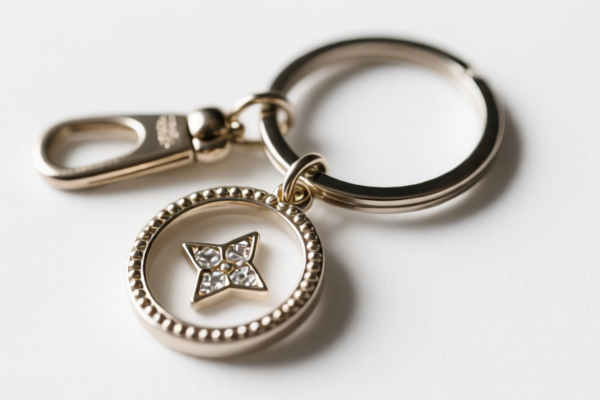
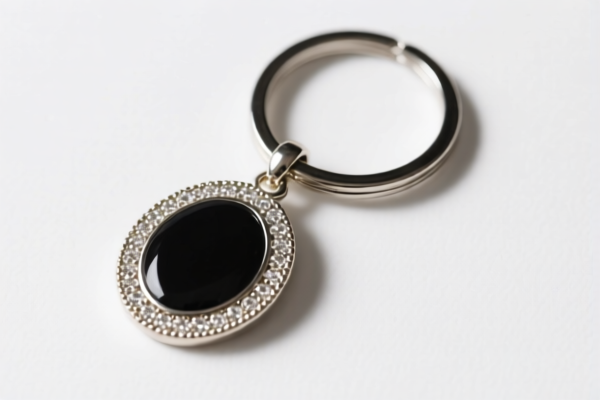
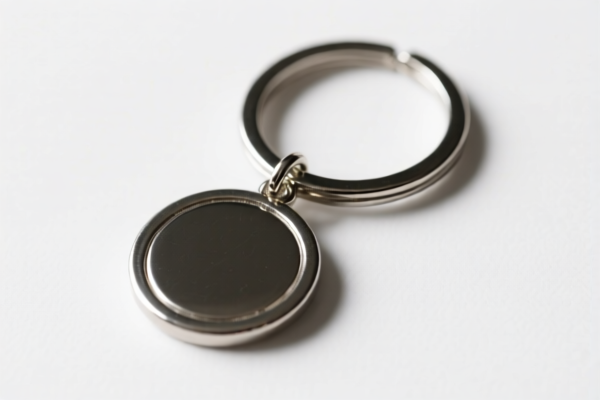

AI Analysis
🗝️ Keychain & Pendant (钥匙扣/吊坠)
🌐 HS Code Reference & Clearance Guide | 2026 Latest Tariff Analysis | Professional Clearance Strategy
📌 1. Product Definition and Classification: Do You Really Understand "Keychains" and "Pendants"?
Keychains and pendants are small accessories widely used in daily life, fashion, and industrial identification. In international trade, they are classified based on material composition and functional intent:
Keychains (Keys, Rings, Attachments):
Usually made of base metals (iron, steel), plastic, or leather. They serve a functional purpose (holding keys) or decorative purpose but are not primarily jewelry.
Pendants (Jewelry Accessories):
Often made of precious metals (gold, silver), base metals plated with precious metals, or gemstones/half-gemstones. They are worn as ornaments, not primarily for holding keys.
⚠️ Critical Distinction Point:
- If the item is primarily a functional metal holder/ring for keys, even if decorative, it may be classified under Chapter 73 (Articles of Iron/Steel) or Chapter 83 (Base Metal Miscellaneous Articles).
- If the item is primarily jewelry (ornamental pendant), it falls under Chapter 71 (Jewelry and Precious Stones).
- Material Matters: Iron/Steel vs. Precious Base Metal significantly impacts tariff rates.
📦 2. HS Code Classification Details (2026 Latest Tariff Authority Comparison)
| HS Code | Product Description | Applicable Scenario | Material/Feature |
|---|---|---|---|
7326.90.86.88 |
Keychain, inferred as iron or steel, classified as other articles of iron or steel | Standard metal keychains, industrial key rings, steel accessories | ✅ Iron/Steel |
7326.90.35.00 |
Keychain, classified as small metal containers/fittings, material is iron or steel | Decorative metal keychains, small metal hangings | ✅ Iron/Steel |
8301.50.00.00 |
Keychain, classified as fittings/frames, material is base metal | Base metal keyrings, functional metal attachments, non-iron/steel base metals | ✅ Base Metal (Non-Iron/Steel) |
7113.19.50.95 |
Pendant, classified as jewelry, inferred material is precious metal or base metal clad with precious metal | Gold/silver plated pendants, precious metal ornaments | ✅ Precious/Clad Metal |
7113.19.50.91 |
Pendant, classified as jewelry, inferred as metal material, non-chain or necklace form | Metal pendants (not part of a chain), ornamental metal drops | ✅ Base/Mixed Metal (Jewelry) |
7116.20.05.00 |
Pendant, classified as jewelry article, inferred material is gemstone or half-gemstone | Gemstone pendants, semi-precious stone hangings | ✅ Gemstone/Half-Gemstone |
🔍 Key Reminder:
- Iron/Steel Keychains (7326.xx) are subject to higher additional tariffs due to Section 301 and Section 232 implications on steel/aluminum.
- Jewelry Pendants (7113.xx,7116.xx) generally have lower additional tariffs (no Section 232 steel/aluminum surcharge), but still face IEEPA surcharges.
- Misclassification Risk: Declaring a steel keychain as "jewelry" to avoid steel tariffs is high-risk and can lead to penalties.
💰 3. 2026 Latest Tariff Rate Details (Including Surcharges, Policy Add-ons)
✅ Applicable Country: United States (US)
✅ Origin: China (CN)
✅ Effective Date: 2025 November 10 onwards (including subsequent imports)
🎯 1. 7326.90.86.88 —— Keychain (Iron/Steel, Other Articles)
| Item | Content |
|---|---|
| Base Tariff | 2.9% (ad valorem) |
| Section 301 Surcharge | +25.0% |
| Section 232 Surcharge | +50.0% (Specifically for steel/aluminum products under Section 232) |
| IEEPA Surcharge | +10.0% (For China/HK products) |
| Total Tariff | 87.9% |
| Tax Calculation | CIF Value × 87.9% |
| De Minimis Eligibility | ❌ No (deny_de_minimis) |
| Legal Basis Path | IEEPA:9903.01.25 → USITC:7326.90.86.88 → FOOTNOTE:232 |
📌 Explanation:
- 87.9% is an extremely high tariff. This is due to the combination of Base (2.9%) + Section 301 (25%) + Section 232 (50% for steel) + IEEPA (10%).
- Section 232 applies because the product is inferred to be made of steel.
- Must anticipate this cost! Consider alternative materials or origin if possible.
🎯 2. 7326.90.35.00 —— Keychain (Metal Fittings/Containers)
| Item | Content |
|---|---|
| Base Tariff | 7.8% (ad valorem) |
| Section 301 Surcharge | +25.0% |
| Section 232 Surcharge | +50.0% (Specifically for steel/aluminum products under Section 232) |
| IEEPA Surcharge | +10.0% (For China/HK products) |
| Total Tariff | 92.8% |
| Tax Calculation | CIF Value × 92.8% |
| De Minimis Eligibility | ❌ No (deny_de_minimis) |
| Legal Basis Path | IEEPA:9903.01.25 → USITC:7326.90.35.00 → FOOTNOTE:232 |
📌 Note:
- Even higher than the previous code due to a higher base rate (7.8% vs 2.9%).
- Still subject to the brutal 50% Section 232 steel surcharge.
- Total 92.8% is nearly double the product value in taxes.
🎯 3. 8301.50.00.00 —— Keychain (Base Metal Fittings)
| Item | Content |
|---|---|
| Base Tariff | 3.1% (ad valorem) |
| Section 301 Surcharge | +7.5% |
| IEEPA Surcharge | +10.0% (For China/HK products) |
| Section 232 Surcharge | None (Not classified as steel/aluminum under Section 232) |
| Total Tariff | 20.6% |
| Tax Calculation | CIF Value × 20.6% |
| De Minimis Eligibility | ❌ No (deny_de_minimis) |
| Legal Basis Path | IEEPA:9901.25 → USITC:8301.50.00.00 |
📌 Advantage:
- Significantly lower than Iron/Steel codes (7326.xx).
- Applies if the keychain is made of base metal that is NOT iron/steel (e.g., brass, zinc alloy not classified as steel) or is classified as a "fitting" rather than "article of iron/steel."
- Total 20.6% is much more manageable. Verify material composition carefully!
🎯 4. 7113.19.50.95 —— Pendant (Precious Metal/Clad)
| Item | Content |
|---|---|
| Base Tariff | 5.5% (ad valorem) |
| Section 301 Surcharge | +7.5% |
| IEEPA Surcharge | +10.0% (For China/HK products) |
| Section 232 Surcharge | None (Jewelry category) |
| Total Tariff | 23.0% |
| Tax Calculation | CIF Value × 23.0% |
| De Minimis Eligibility | ❌ No (deny_de_minimis) |
| Legal Basis Path | IEEPA:9903.01.24 → USITC:7113.19.50.95 |
📌 Note:
- Lower than steel keychains because it is classified as jewelry, not industrial metal goods.
- No Section 232 surcharge applies to jewelry.
- Total 23.0% is moderate.
🎯 5. 7113.19.50.91 —— Pendant (Metal, Non-Chain)
| Item | Content |
|---|---|
| Base Tariff | 5.5% (ad valorem) |
| Section 301 Surcharge | +7.5% |
| IEEPA Surcharge | +10.0% (For China/HK products) |
| Section 232 Surcharge | None (Jewelry category) |
| Total Tariff | 23.0% |
| Tax Calculation | CIF Value × 23.0% |
| De Minimis Eligibility | ❌ No (deny_de_minimis) |
| Legal Basis Path | IEEPA:9903.01.24 → USITC:7113.19.50.91 |
📌 Note:
- Same rate as7113.19.50.95.
- Applies to metal pendants that are not part of a necklace chain.
- Total 23.0%.
🎯 6. 7116.20.05.00 —— Pendant (Gemstone/Half-Gemstone)
| Item | Content |
|---|---|
| Base Tariff | 3.3% (ad valorem) |
| Section 301 Surcharge | 0.0% (Jewelry/gemstone category may have different 301 application) |
| IEEPA Surcharge | +10.0% (For China/HK products) |
| Section 232 Surcharge | None (Jewelry category) |
| Total Tariff | 13.3% |
| Tax Calculation | CIF Value × 13.3% |
| De Minimis Eligibility | ❌ No (deny_de_minimis) |
| Legal Basis Path | IEEPA:9903.01.24 → USITC:7116.20.05.00 |
📌 Best Rate:
- Lowest tariff in the dataset at 13.3%.
- Applies if the pendant is primarily made of gemstone or half-gemstone.
- Verify material composition! If it's a metal pendant with a small stone, it may still be classified under7113.xx(23.0%).
🛠️ 4. Clearance Practical Advice (Combat Pitfall Guide)
✅ 1. Preparation Checklist (Essential Documents)
| Document | Mandatory | Description |
|---|---|---|
| ✅ Product Specification Sheet | ✔️ | Material composition (Iron, Steel, Brass, Gemstone, etc.), dimensions, weight |
| ✅ Material Certificate | ✔️ | Proof of material (e.g., mill certificate for steel, gemological report for stones) |
| ✅ Product Photos (Clear) | ✔️ | Front, back, close-up of material, hallmark marks (if any) |
| ✅ Commercial Invoice | ✔️ | Accurate description: "Steel Keychain" vs. "Gold Plated Pendant" |
| ✅ Packing List | ✔️ | Quantity, net/gross weight |
| ✅ HS Code Pre-Ruling (Optional but Recommended) | ✔️ | Apply for Advance Ruling to confirm correct HS Code |
📌 Critical Tip:
- Material Declaration must be accurate.
- Declaring a steel keychain as "Jewelry Pendant" to get a 13-23% rate instead of 88-93% is customs fraud.
- Provide material test reports if the material is ambiguous (e.g., alloy vs. pure metal).
✅ 2. Declaration Tips (Key Mantras)
🔥 "Material is King, Function is Queen, Declare Accurately, Save Taxes!"
| Scenario | Correct Declaration | Wrong Declaration |
|---|---|---|
| Steel Keychain | 7326.90.86.88 / 7326.90.35.00 |
"Jewelry" → Risk of penalty, back taxes, and seizure |
| Brass/Zinc Keychain | 8301.50.00.00 |
"Iron/Steel" → Higher tariff than necessary |
| Gold-Plated Pendant | 7113.19.50.95 |
"Base Metal Keychain" → Under-declared value/material |
| Gemstone Pendant | 7116.20.05.00 |
"Metal Pendant" → Higher tariff (23% vs 13.3%) |
✅ 3. Special Cases Handling
| Scenario | Handling Advice |
|---|---|
| OEM Custom Keychains | Provide design files and material specs. Avoid vague terms like "Metal Accessory." |
| Mixed Materials (e.g., Leather + Metal) | Classify based on the essential character. If metal is dominant, use metal HS code. |
| Pendant with Chain | If sold together, classify as a set. Usually, the jewelry component (7113) dominates. |
| Promotional Keychains (Low Value) | Still subject to tariffs; de minimis does not apply for China-origin goods under current rules. |
🌍 5. Global Market Clearance Comparison (2026 Latest)
| Country/Region | Recommended HS Code | Tariff (China Origin) | Certification Requirements | Notes |
|---|---|---|---|---|
| 🇺🇸 USA | 7326.90.86.88 (Steel) |
87.9% | None specific | Avoid steel keychains if possible due to high tariffs. |
| 🇺🇸 USA | 8301.50.00.00 (Base Metal) |
20.6% | None specific | Best option for metal keychains if material allows. |
| 🇺🇸 USA | 7116.20.05.00 (Gemstone) |
13.3% | None specific | Lowest tariff for jewelry. |
| 🇪🇺 EU | Various | 0% - 4% | CE, REACH | No Section 301/232 equivalents. Lower tariffs overall. |
| 🇨🇳 China | Various | 0% - 5% | CCC (if applicable) | Export from China, so export tariffs may apply, but import to China is low. |
📌 Conclusion:
- US Market is the most challenging due to Section 301 and 232 tariffs.
- Steel-based keychains are extremely expensive to import to the US.
- Switching to Base Metal (8301) or Gemstone/Jewelry (71xx) can save up to 70% in tariffs.
📌 6. Common Errors & Pitfall Guide (Lessons Learned)
❌ Error 1: Declaring a Steel Keychain as "Jewelry Pendant"
👉 Consequence: Customs will reclassify, apply 87.9% tariff + penalties.
✅ Correct: Declare as "Steel Keychain" (7326.xx) and accept the high tariff, or switch to Brass/Zinc and declare as "Base Metal Keychain" (8301.xx) for 20.6%.
❌ Error 2: Declaring a Gemstone Pendant as "Metal Keychain"
👉 Consequence: Pay 20.6% or 87.9% instead of 13.3%. Overpaid taxes.
✅ Correct: Declare as "Gemstone Pendant" (7116.xx) to save on tariffs.
❌ Error 3: Vague Description "Metal Accessory"
👉 Consequence: Customs delays, requests for more info, potential misclassification.
✅ Correct: Specific description: "Iron Steel Keychain, Model XYZ, Matte Black Finish".
🎯 7. Conclusion: Professional Declaration, Save Costs!
🎯 Remember the Mantra:
🔹 "Steel Keys? 88%! Base Metal? 21%! Gemstone? 13%! Jewelry? 23%!"
🔹 "HS Code Determines Fate, Material Determines Tariff, Accuracy Saves Thousands!"
📌 Pro Tip:
If your product is made of Steel, consider switching to Zinc Alloy or Brass and reclassifying under 8301.50.00.00 to reduce tariffs from ~88% to ~21%.
For Jewelry, ensure material is accurately described as Precious Metal or Gemstone to leverage lower tariffs.
📣 Immediate Action:
📞 Contact a professional customs broker + Provide material test reports + Apply for HS Code Pre-Ruling
🚀 Let your Keychain/Pendant clear smoothly, reduce costs, and maximize profits!
✨ Professional Clearance Starts with Accurate Classification!
💼 Every cent of cost deserves precise calculation!
Customer Reviews
About HS Code Classification
The Harmonized System (HS) is an internationally standardized nomenclature developed by the World Customs Organization (WCO) to classify traded products. Over 200 countries use the HS system as the basis for customs tariffs, trade statistics, and import/export regulations.
Each HS code follows a hierarchical structure:
- Chapter (2 digits) — Broad category of goods (e.g., Chapter 84: Machinery and Mechanical Appliances)
- Heading (4 digits) — More specific grouping within the chapter
- Subheading (6 digits) — Internationally standardized breakdown, used by all WCO member countries
- National subdivisions (8-10 digits) — Country-specific extensions for further classification, such as US HTSUS 10-digit codes
Correct HS code classification is essential for smooth customs clearance, accurate duty payment, and compliance with trade regulations. Misclassification can lead to customs delays, overpayment of duties, or penalties.
When importing from CN to US, the applicable tariff rates may include:
- Most-Favored-Nation (MFN) rate — The standard duty rate applied to WTO members
- General rate — Applied to countries without trade agreements
- Trade remedy duties — Additional tariffs such as Section 301 (anti-dumping), Section 232 (national security), or countervailing duties
The information provided on this page is for reference purposes only. For official classification, please consult with your local customs authority or a licensed customs broker.