Keypad
CN → US| HS Code | Tariff Rate | Origin | Destination | Doc |
|---|---|---|---|---|
| 8473309100 | 35.0% | CN | US | Official Doc |
| 8473305100 | 85.0% | CN | US | Official Doc |
| 8471602000 | 10.0% | CN | US | Official Doc |
| 8471601050 | 35.0% | CN | US | Official Doc |
| 8471602000 | 10.0% | CN | US | Official Doc |
Product Images
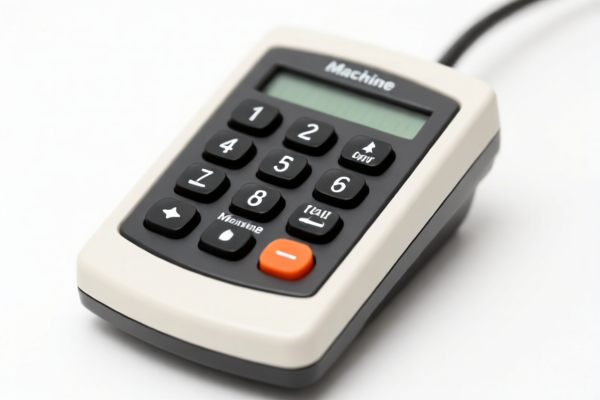

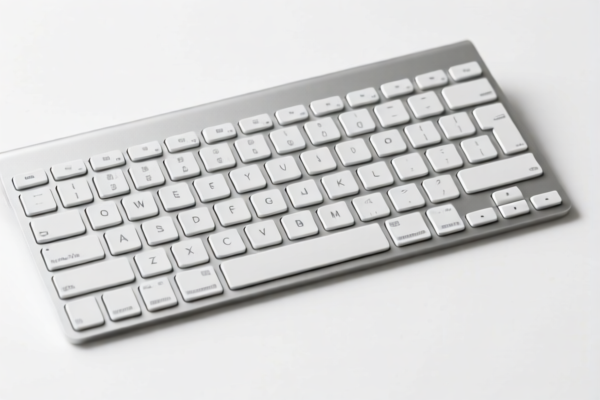
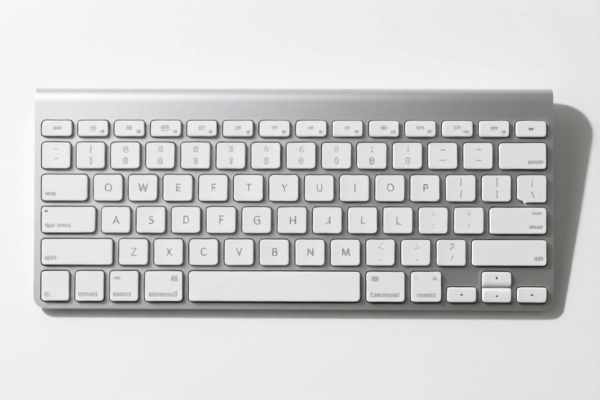
AI Analysis
⌨️ Keypad (Keyboard / Key Panel for ADP Machines)
🌐 HS Code Reference & Customs Clearance Guide | 2026 Latest Tariff Analysis | Professional Entry Strategy
📌 I. Product Definition & Classification: Do You Really Know "Keypads"?
In the realm of Automatic Data Processing (ADP) equipment, a Keypad serves as the primary input interface. It is not merely a set of buttons; it is a functional input unit designed to feed data into computers, servers, or specialized terminals.
Internationally, keypads are categorized based on their integration level: * Standalone Input Units: Keyboards or keypads designed for connection via USB, Bluetooth, or wired interfaces to a host machine. * Integrated Components: Keypads built directly into a machine as a permanent part of the ADP system.
⚠️ Critical Distinction Point: * If the item is a complete keyboard (with keys, case, and interface) designed for ADP machines → It falls under 8471.60 (Input Units). * If the item is a specific keyboard part/attachment not fully classified as a standalone unit → It falls under 8473.30 (Parts/Attachments). * Material Conflict: Special tariffs may apply if the keypad contains specific amounts of Steel, Aluminum, or Copper.
📦 II. HS Code Classification Details (2026 Latest Tariff Authority)
Based on the latest trade data, here are the precise classifications for Keyboards/KeyPads:
| HS Code | Product Description | Applicable Scenario | Input Unit? |
|---|---|---|---|
| 8471.60.20.00 | Keyboard (Input Unit) | Standard keyboards, Mechanical Keyboards, ADP Input Units. Fully matches "Keyboard" definition. | ✅ Yes |
| 8471.60.10.50 | Input/Output Unit | Combination input/output units; keyboards functioning as integrated input devices for ADP. | ✅ Yes |
| 8473.30.91.00 | Keyboard (Parts/Attachments) | Keyboards treated as "parts and accessories" for machines under heading 8471. No material conflict. | ⚠️ Part/Accessory |
| 8473.30.51.00 | Keyboard (Steel/Al/Cu Parts) | Keyboards containing significant Steel, Aluminum, or Copper components; fits "catch-all" category. | ⚠️ Part/Accessory |
🔍 Key Insight: * 8471.60.20.00 is the most common and favorable classification for standard mechanical or computer keyboards. * 8473.30 classifications apply when the keypad is viewed strictly as a component of a larger machine or when material-specific tariffs (Steel/Al/Cu) trigger higher rates.
💰 III. 2026 Latest Tariff Rate Breakdown (Detailed Policy Analysis)
✅ Applicable Country: USA (US)
✅ Origin: China (CN)
✅ Effective Date: 2025/2026 (Including Section 301 & 122 Measures)
🎯 1. 8471.60.20.00 — Standard Keyboard (Lowest Tax Rate)
Best for: Standard Mechanical Keyboards, Computer Keyboards.
| Item | Detail |
|---|---|
| Base Tariff | 0.0% (ad valorem) |
| Section 301 (Add-on) | 0.0% (Exempted for this specific code) |
| Section 122 Tariff | +10.0% (Specific China-related measure) |
| Total Tax Rate | 10.0% |
| Calculation | CIF Value × 10% |
| Legal Path | HTSUS: 8471.60.20.00 + Section 122: 10% |
📌 Explanation: This is the most cost-effective classification. It treats the keyboard as a complete Input Unit for ADP machines. The "Section 301" additional 25% tariff does not apply here, leaving only the 10% Section 122 duty.
🎯 2. 8471.60.10.50 — Input/Output Unit (Medium Tax Rate)
Best for: Integrated Input/Output systems.
| Item | Detail |
|---|---|
| Base Tariff | 0.0% |
| Section 301 (Add-on) | +25.0% (US Section 301 Tariff) |
| Section 122 Tariff | +10.0% |
| Total Tax Rate | 35.0% |
| Calculation | CIF Value × 35% |
| Legal Path | HTSUS: 8471.60.10.50 + 301: 25% + 122: 10% |
📌 Explanation: While still an Input Unit, this sub-category triggers the Section 301 25% surcharge. This is significantly higher than the 10.0% rate for
8471.60.20.00.
🎯 3. 8473.30.91.00 — Keyboard (Parts/Accessories)
Best for: Keyboards classified strictly as parts.
| Item | Detail |
|---|---|
| Base Tariff | 0.0% |
| Section 301 (Add-on) | +25.0% |
| Section 122 Tariff | +10.0% |
| Total Tax Rate | 35.0% |
| Calculation | CIF Value × 35% |
| Legal Path | HTSUS: 8473.30.91.00 + 301: 25% + 122: 10% |
📌 Explanation: If the customs authority deems the keyboard a "part/attachment" rather than a standalone machine, it attracts the Section 301 25% tariff. No material penalty applies here.
🎯 4. 8473.30.51.00 — Keyboard (Steel/Al/Cu Specific)
Highest Risk: Triggers Material-Specific Tariffs.
| Item | Detail |
|---|---|
| Base Tariff | 0.0% |
| Section 301 (Add-on) | +25.0% |
| Section 122 Tariff | +10.0% |
| Material Surcharge | +50.0% (Specific to Steel, Aluminum, Copper products) |
| Total Tax Rate | 85.0% ⚠️ |
| Calculation | CIF Value × 85% |
| Legal Path | HTSUS: 8473.30.51.00 + 301: 25% + 122: 10% + Material: 50% |
📌 Critical Warning: If the keypad contains specific Steel, Aluminum, or Copper components that trigger the "Material Surcharge," the tax rate skyrockets to 85.0%. This is the most expensive scenario and must be avoided by reclassifying to 8471.60.20.00 if possible.
🛠️ IV. Customs Clearance Practical Advice (Expert Tips)
✅ 1. Preparation Checklist (Must-Haves)
| Document | Required? | Purpose |
|---|---|---|
| ✅ Technical Specification Sheet | ✔️ | Must explicitly state: "Input Unit for ADP Machine" |
| ✅ Product Photos (Real Life) | ✔️ | Show full keyboard with keys, case, and interface (Proves it's not a "part") |
| ✅ Circuit Diagram / Structure | ✔️ | Proves it is a standalone unit, not just a component of a larger machine |
| ✅ Commercial Invoice | ✔️ | Description must match HS Code (e.g., "Computer Keyboard" not "Keypad Part") |
| ✅ Packing List | ✔️ | Ensure no "loose parts" are declared separately that might trigger 8473.30 |
| ✅ Certificate of Origin | ✔️ | To verify country of origin for Section 122/301 applicability |
✅ 2. Declaration Strategy (Golden Rules)
🔥 "Full Unit First, Part Second; Avoid Metals!"
| Scenario | CORRECT Declaration | WRONG Declaration | Result |
|---|---|---|---|
| Standard Mechanical Keyboard | 8471.60.20.00 (10%) | 8473.30.91.00 (35%) | Save 25% Tax |
| Keyboard with Steel/Al Parts | 8471.60.20.00 (10%) | 8473.30.51.00 (85%) | Save 75% Tax! |
| Kit + Standalone Case | 8471.60.20.00 (10%) | Split into "Part" + "Accessory" | Avoid high rates |
✅ 3. Special Handling for High-Risk Codes
| Risk Scenario | Action Plan |
|---|---|
| "Keypad" vs. "Keyboard" | Use "Keyboard" or "Input Unit for ADP" in the description. Avoid vague terms like "Keypad" which might imply a part. |
| Material Composition | Ensure the product does not rely on "Steel/Aluminum" as a primary structural justification for the 8473.30.51.00 code. If possible, argue it's a plastic-based keyboard under 8471.60.20.00. |
| Integrated Systems | If the keyboard is permanently mounted (OEM), it may still qualify for 8471.60.20.00 if it functions as a standalone input unit. |
🌍 V. Global Market Comparison (2026)
| Region | Recommended HS Code | Base Tariff | US Surcharge | Total Est. Rate |
|---|---|---|---|---|
| 🇺🇸 USA | 8471.60.20.00 | 0% | 10% (Sec 122) | 10.0% ✅ |
| 🇺🇸 USA (Part Code) | 8473.30.91.00 | 0% | 35% (301+122) | 35.0% ⚠️ |
| 🇺🇸 USA (Metal Code) | 8473.30.51.00 | 0% | 85% (301+122+Mat) | 85.0% 🔴 |
| 🇪🇺 EU | 8471.60.20.00 | ~0-4% | None | ~4% |
| 🇨🇳 China | 8471.60.20.00 | ~0% | None | 0% |
📌 Conclusion: * USA is the only market with these specific "Section 122" and "Section 301" complexities. * Correct Classification (8471.60.20.00) saves you 75% of the potential tax compared to the "Metal/Part" code.
📌 VI. Common Mistakes & Pitfalls
❌ Mistake 1: Calling it a "Keypad" instead of "Keyboard" 👉 Result: Customs may assume it's a "part" (8473.30) → 35% Tax. ✅ Fix: Use "Computer Keyboard" or "ADP Input Unit".
❌ Mistake 2: Ignoring Material Composition 👉 Result: If Steel/Al/Cu is high, Customs applies 8473.30.51.00 → 85% Tax. ✅ Fix: Highlight plastic housing and electronic circuitry as primary material.
❌ Mistake 3: Splitting the product 👉 Result: Declaring keys, case, and cables separately → Multiple High Tariffs. ✅ Fix: Declare as a single Input Unit.
🎯 VII. Conclusion: Expert Strategy for Success
🎯 Remember the Mantra:
🔹 "8471.60.20.00 is the Golden Ticket (10%)" 🔹 "Avoid 8473.30.51.00 (85% Tax!)" 🔹 "Use 'Keyboard' not 'Keypad' to avoid 'Part' classification"
📌 Final Tip: If your product contains significant Steel or Aluminum, but you wish to avoid the 50% Material Surcharge, ensure you can prove the product functions as a standalone Input Unit under 8471.60.20.00, where material restrictions often do not apply in the same way.
📣 Immediate Action:
📞 Contact a Customs Broker today to verify the Material Composition of your Keyboards. 🚀 Re-evaluate your HS Code: Are you paying 35% or 85% when you could be paying 10%?
✨ Professional Classification = Cost Savings
💼 Don't let a single letter cost you 75% of your margin!
Customer Reviews
About HS Code Classification
The Harmonized System (HS) is an internationally standardized nomenclature developed by the World Customs Organization (WCO) to classify traded products. Over 200 countries use the HS system as the basis for customs tariffs, trade statistics, and import/export regulations.
Each HS code follows a hierarchical structure:
- Chapter (2 digits) — Broad category of goods (e.g., Chapter 84: Machinery and Mechanical Appliances)
- Heading (4 digits) — More specific grouping within the chapter
- Subheading (6 digits) — Internationally standardized breakdown, used by all WCO member countries
- National subdivisions (8-10 digits) — Country-specific extensions for further classification, such as US HTSUS 10-digit codes
Correct HS code classification is essential for smooth customs clearance, accurate duty payment, and compliance with trade regulations. Misclassification can lead to customs delays, overpayment of duties, or penalties.
When importing from CN to US, the applicable tariff rates may include:
- Most-Favored-Nation (MFN) rate — The standard duty rate applied to WTO members
- General rate — Applied to countries without trade agreements
- Trade remedy duties — Additional tariffs such as Section 301 (anti-dumping), Section 232 (national security), or countervailing duties
The information provided on this page is for reference purposes only. For official classification, please consult with your local customs authority or a licensed customs broker.