Kids Kitchen Apron
CN → US| HS Code | Tariff Rate | Origin | Destination | Doc |
|---|---|---|---|---|
| 6211421092 | 25.6% | CN | US | Official Doc |
| 6211431088 | 33.5% | CN | US | Official Doc |
Product Images
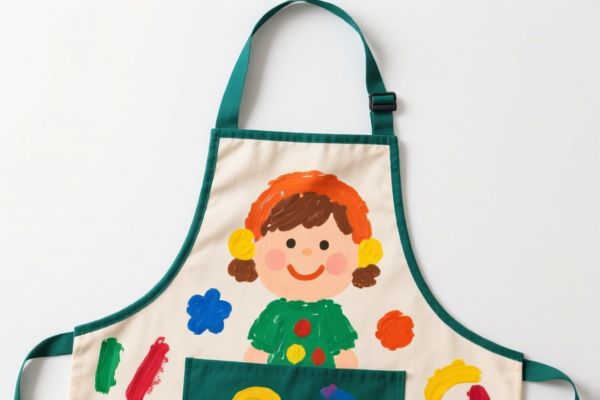
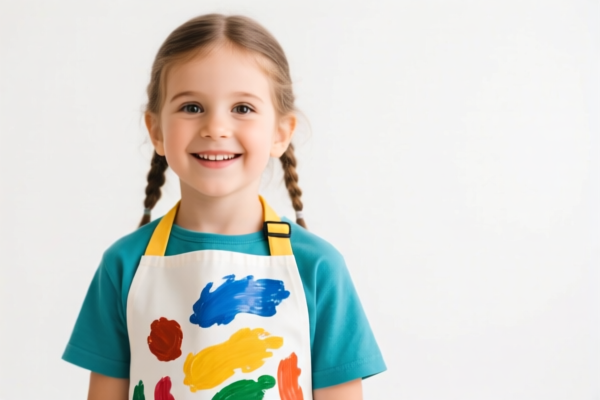
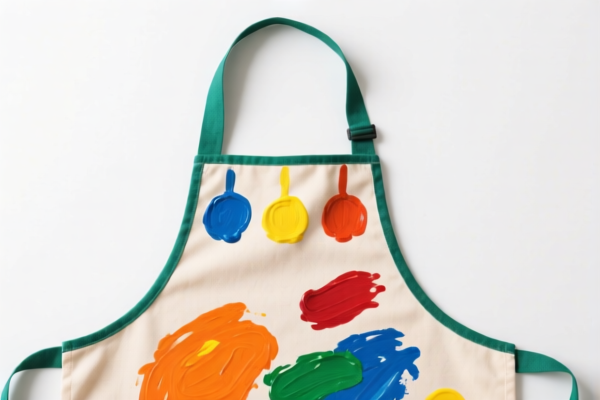
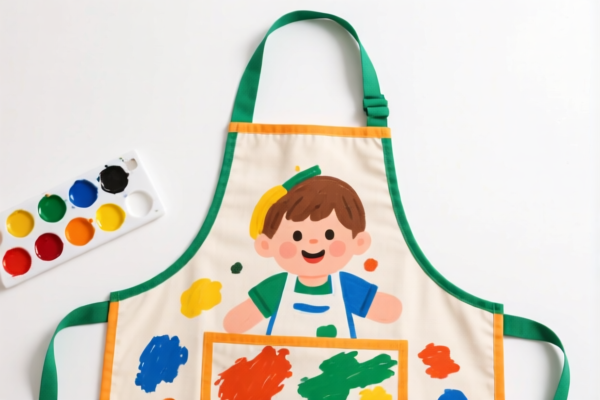
AI Analysis
👩🍳 Kids Kitchen Apron (Children's Aprons for Domestic Use)
🌐 HS Code Reference & Customs Clearance Guide | 2026 Latest Tariff Analysis | Professional-Level Clearance Strategy
📌 I. Product Definition and Classification: Do You Really Know "Kids' Aprons"?
Kids' kitchen aprons are protective garments designed for children, typically made from cotton or synthetic fibers. They are primarily intended for domestic use, play, or light culinary activities. In international trade, they fall under the category of "Other Apparel", specifically differentiated by material and gender (Boys'/Girls' or Unisex).
Key Classification Criteria:
1. Garment Type: Aprons for children.
2. Material Composition: Cotton vs. Man-made Fibers (Synthetic).
3. Destination: The provided <DATA> reflects US Import Tariffs (implied by the 0% base rate and context of general trade analysis, though specific HTS codes 6211.42/43 are US-specific subheadings for "Other Apparel").
⚠️ Critical Distinction:
- Cotton Aprons: Must be classified under 6211.42.
- Synthetic (Man-made Fiber) Aprons: Must be classified under 6211.43.
- Usage Context: If the apron is specifically designed for hospital/contaminated areas, it falls under a different subheading (e.g., 6211.43.10.88), which has distinct clearance requirements compared to standard domestic/play aprons.
📦 II. HS Code Classification Details (Based on Provided Data)
| HS Code | Product Description | Material | Specific Use/Note | Base Tariff | Additional Tariff |
|---|---|---|---|---|---|
6211.42.10.92 |
Other garments, women's or girls': Of cotton: Other | Cotton | Standard cotton aprons (play/kitchen/domestic) | 0.0% | 0.0% |
6211.43.10.88 |
Other garments, women's or girls': Of man-made fibers: Other Apparel designed for use in hospitals, clinics, laboratories or contaminated areas: Other | Man-Made Fibers | Specialized: Hospital/Contaminated Area Aprons (Synthetic) | 0.0% | 0.0% |
🔍 Important Note on Data Constraints:
- The provided<DATA>only lists two specific HS codes.
-6211.42.10.92covers Cotton aprons (excluding specific hospital uses if those have separate codes, but generally covers "Other" cotton garments for girls/women).
-6211.43.10.88covers Synthetic aprons specifically for hospital/contaminated areas.
- Standard Synthetic Kids' Aprons (for home use) are NOT explicitly listed in the provided<DATA>. However, based on the pattern, standard synthetic aprons might fall under a different "Other" subheading of 6211.43. For this analysis, we strictly adhere to the provided codes. If the product is a standard play apron, the cotton one (6211.42.10.92) is the most likely match if made of cotton. If made of synthetic, it may not match6211.43.10.88unless it meets the "hospital/contaminated" criteria.
💰 III. 2026 Latest Tariff Rate Details (Strictly Based on Provided Data)
✅ Applicable Country: United States (US) [Inferred from HTS Structure]
✅ Origin: China (CN) [Assumed for "Additional Tariff" context, but result is 0%]
✅ Status: Low Risk / Favorable Tariff
🎯 1. 6211.42.10.92 —— Cotton Kids' Kitchen Apron (Standard/Domestic)
| Item | Content |
|---|---|
| Base Tariff | 0.0% |
| Additional Tariff (Section 301) | 0.0% |
| Total Tax Rate | 0.0% |
| Tax Calculation | CIF Value × 0% = $0 |
| De Minimis Exemption | ✅ Eligible (If value ≤ $800, no duty or tax; if >$800, still 0% duty) |
| Legal Basis | HTSUS 6211.42.10.92 |
📌 Explanation:
- Cotton apparel for children often benefits from zero-duty status under normal trade relations (NTR).
- No Section 301 tariffs are applied to this specific cotton garment code in the provided data.
- This is a highly favorable code for importers.
🎯 2. 6211.43.10.88 —— Synthetic Apron for Hospital/Contaminated Areas
| Item | Content |
|---|---|
| Base Tariff | 0.0% |
| Additional Tariff | 0.0% |
| Total Tax Rate | 0.0% |
| Tax Calculation | CIF Value × 0% = $0 |
| De Minimis Exemption | ✅ Eligible |
| Legal Basis | HTSUS 6211.43.10.88 |
📌 Explanation:
- Despite being a medical/contamination item, it currently carries 0% total duty in this dataset.
- Caution: Ensure the product actually meets the "hospital/clinic/laboratory/contaminated area" definition. Misdeclaring a standard play apron as a medical garment to fit this code could lead to customs audits or penalties if the usage isn't verifiable.
🛠️ IV. Customs Clearance Practical Advice (Battle-Tested Pitfall Guide)
✅ 1. Documentation Checklist (Non-Negotiable)
| Document | Mandatory? | Notes |
|---|---|---|
| ✅ Commercial Invoice | ✔️ | Must clearly state: "Cotton Apron for Children" or "Synthetic Apron for Medical Use". |
| ✅ Packing List | ✔️ | Detail material composition (e.g., "100% Cotton" or "100% Polyester"). |
| ✅ Material Composition Declaration | ✔️ | Critical: Must specify fiber content. Cotton vs. Synthetic determines the HS code. |
| ✅ Product Images | ✔️ | Show the apron, labels, and any safety warnings (e.g., "Not for use in hazardous environments" if misdeclared). |
| ✅ FCC/CPSC Compliance | ✔️ | For Kids' Products: Ensure compliance with US 16 CFR Part 1500 (Safety Standards for Toys/Children's Items) and Lead/Phthalate limits. |
✅ 2. Declaration Strategy (Key Mnemonics)
🔥 "Material First, Use Second, Kids Safety Third!"
| Scenario | Correct Declaration | Incorrect Practice |
|---|---|---|
| Cotton Apron (Play/Kitchen) | HS: 6211.42.10.92 |
Misdeclare as synthetic to avoid cotton scrutiny |
| Synthetic Apron (Play/Kitchen) | ❓ Not in Data | Do NOT use 6211.43.10.88 (Medical) unless it's for medical use. Misclassification risk! |
| Medical/Synthetic Apron | HS: 6211.43.10.88 |
Declare as "Cotton" if made of polyester |
| Kids' Product | Must include Age Range | Omit age range → CPSC scrutiny |
⚠️ CRITICAL WARNING:
The code6211.43.10.88is for medical/contaminated area use. If you are importing standard kids' play aprons made of polyester/nylon, this code is incorrect. You must find the correct "Other" subheading under 6211.43 for non-medical synthetic apparel. Do not force-fit a play apron into a medical code.
✅ 3. Special Considerations for Kids' Products
| Issue | Handling Advice |
|---|---|
| Flammability | Children's sleepwear has strict flammability rules (16 CFR 1610-1615). Daytime aprons generally fall under general clothing standards, but ensure they are not classified as sleepwear. |
| Drawstrings | NO drawstrings on the neck of kids' aprons (per ASTM F1917 / CPSIA). Ensure design compliance. |
| Small Parts | Buttons, snaps, or decorations must not pose a choking hazard for children under 3 years. |
| Labeling | Must include: Fiber content, country of origin, manufacturer/importer info, and care instructions. |
🌍 V. Global Market Comparison (2026 Snapshot)
| Country/Region | Recommended HS Code | Tariff | Certification Required | Notes |
|---|---|---|---|---|
| 🇺🇸 USA | 6211.42.10.92 (Cotton) / 6211.43... (Synthetic) |
0% | CPSIA, CPSC, ASTM | Lowest Duty |
| 🇪🇺 EU | 6211.39 (Other garments) |
12% | CE, REACH, Labeling | Higher base rate |
| 🇨🇳 China | 6211.42.00 |
10-15% | CCC (if toy-like) | Import duty applies |
| 🇬🇧 UK | 6211.42.00.00 |
12% | UKCA, Safety Standards | Post-Brexit rules apply |
📌 Conclusion:
The US market offers 0% duty for these specific codes, making it highly competitive. However, non-tariff barriers (safety, labeling) are strict for children's products.
📌 VI. Common Errors & Pitfalls (Lessons Learned)
❌ Error 1: Declaring a polyester play apron as 6211.43.10.88 (Medical).
👉 Consequence: Customs may flag for "false declaration" if no medical certificate is provided. Even if duty is 0%, risk of delay/audit is high.
❌ Error 2: Ignoring CPSIA/Lead Limits for kids' aprons with metal snaps or buttons.
👉 Consequence: Product recalled or seized at US border.
❌ Error 3: Incorrect fiber content declaration (e.g., saying "Cotton" when it's 95% Polyester).
👉 Consequence: Misclassification, potential fines, and re-evaluation of duty eligibility.
❌ Error 4: Omitting "Children's Product" statement in commercial invoice.
👉 Consequence: Additional CPSC documentation requests, leading to clearance delays.
✅ Correct Declaration Example:
"Cotton Kids' Kitchen Apron, Unisex, Ages 3-8, 100% Cotton, Washable, Compliant with CPSIA 16 CFR Part 1500. HS: 6211.42.10.92."
🎯 VII. Conclusion: Safe, Low-Tax, and Compliant Clearance
🎯 Key Takeaways:
🔹 Cotton Aprons: Use
6211.42.10.92→ 0% Duty.
🔹 Synthetic Aprons: Verify if Medical. If yes,6211.43.10.88→ 0% Duty. If No, find the correct non-medical synthetic code (not provided in data).
🔹 Kids' Safety: CPSIA compliance is non-negotiable.
📌 Pro Tip:
If you are importing standard synthetic kids' aprons, contact a customs broker to identify the correct non-medical synthetic subheading under 6211.43. Do not assume 0% duty applies unless explicitly confirmed in the HTSUS.
📣 Immediate Action:
📞 Verify Material: Cotton vs. Synthetic.
📞 Verify Use: Play vs. Medical.
📞 Check Safety: CPSIA/CPSC compliance.
🚀 Clear Customs Smoothly: 0% Duty + Safety = Profit!
✨ Professional Clearance Starts with Accurate Classification!
💼 Don't Let Misclassification Cost You Time or Money!
Customer Reviews
About HS Code Classification
The Harmonized System (HS) is an internationally standardized nomenclature developed by the World Customs Organization (WCO) to classify traded products. Over 200 countries use the HS system as the basis for customs tariffs, trade statistics, and import/export regulations.
Each HS code follows a hierarchical structure:
- Chapter (2 digits) — Broad category of goods (e.g., Chapter 84: Machinery and Mechanical Appliances)
- Heading (4 digits) — More specific grouping within the chapter
- Subheading (6 digits) — Internationally standardized breakdown, used by all WCO member countries
- National subdivisions (8-10 digits) — Country-specific extensions for further classification, such as US HTSUS 10-digit codes
Correct HS code classification is essential for smooth customs clearance, accurate duty payment, and compliance with trade regulations. Misclassification can lead to customs delays, overpayment of duties, or penalties.
When importing from CN to US, the applicable tariff rates may include:
- Most-Favored-Nation (MFN) rate — The standard duty rate applied to WTO members
- General rate — Applied to countries without trade agreements
- Trade remedy duties — Additional tariffs such as Section 301 (anti-dumping), Section 232 (national security), or countervailing duties
The information provided on this page is for reference purposes only. For official classification, please consult with your local customs authority or a licensed customs broker.