Kip Metallized Leather
CN → US| HS Code | Tariff Rate | Origin | Destination | Doc |
|---|---|---|---|---|
| 4202110090 | 43.0% | CN | US | Official Doc |
| 4202219000 | 44.0% | CN | US | Official Doc |
| 4202216000 | 45.0% | CN | US | Official Doc |
| 4114207000 | 36.6% | CN | US | Official Doc |
| 4114204000 | 38.6% | CN | US | Official Doc |
Product Images
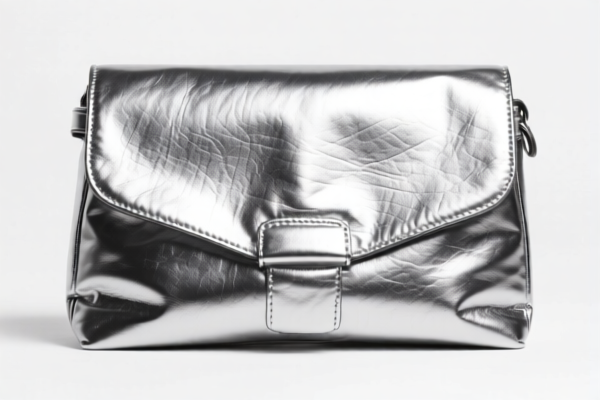
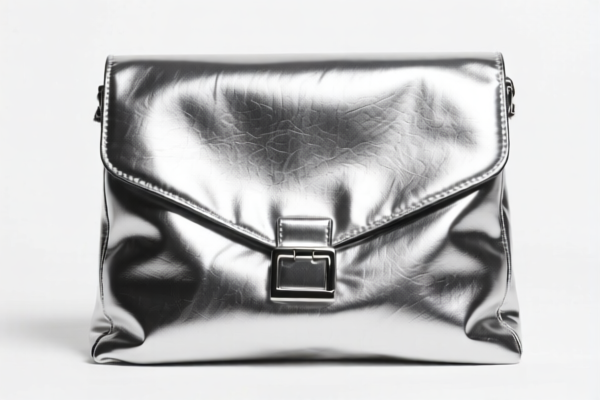
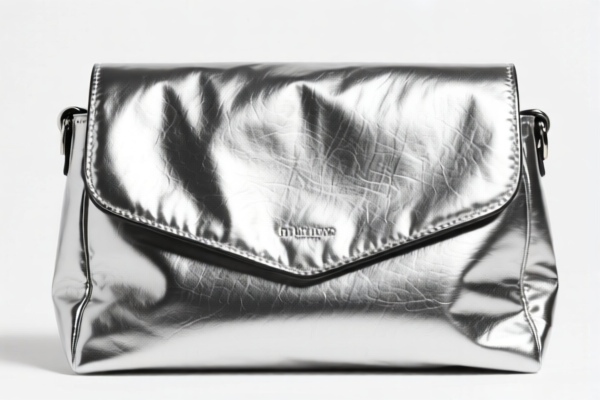
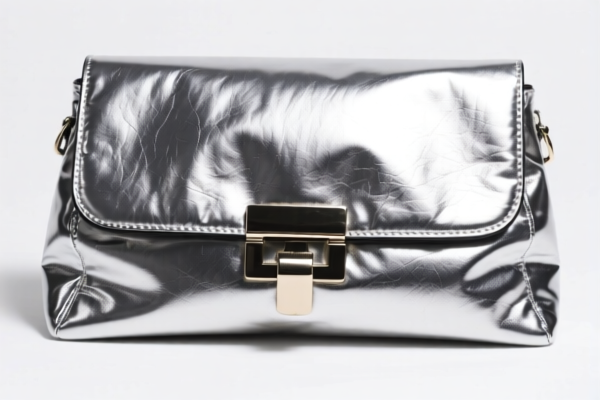
AI Analysis
👜 Kip Metallized Leather – The Shiny Showstopper
🌐 HS Code Reference & Customs Clearance Guide | 2026 Latest Tariff Analysis | Professional Clearance Strategy
📌 I. Product Definition & Classification: What is "Kip Metallized Leather" Really?
Kip Metallized Leather is a specialized material derived from kipskin (young cattle hide, finer than full-grain but coarser than kidskin), processed through a metalization technique. This involves depositing a thin layer of metal (often aluminum or gold/silver alloys) onto the leather surface, creating a reflective, mirror-like, or iridescent finish.
In international trade, this material is classified based on its state of processing and final product form. The core distinction lies in whether it is: 1. Raw Material (Leather Only): Sold as skins/leather sheets for manufacturing. 2. Finished Goods (Bags/Accessories): Sold as手提包 (Handbags), wallets, or other articles.
⚠️ Critical Classification Point:
- If the item is bare metalized leather (not yet sewn into a bag) → It may fall under Chapter 41 (Leather) or Chapter 42 (Articles of Leather) depending on specific HS subheading nuances regarding "metalized" status.
- If the item is a finished handbag made of metalized leather → It falls strictly under Chapter 42, but the specific subheading depends on the exact composition and design of the bag.
📦 II. HS Code Classification Details (Based on Provided Data)
The following HS Codes are extracted directly from the provided dataset. Each code represents a different interpretation or sub-classification of "Kip Metallized Leather" products.
| HS Code | Product Description (Summary) | Key Material/Shape Attribute | Total Tax Rate |
|---|---|---|---|
4202.11.00.90 |
Embossed Metallized Leather | Outer surface is leather (with metalized effect). Fits general leather articles category. | 43.0% |
4202.21.90.00 |
Metallized Leather Handbag | Shape: Handbag. Material: Metallized leather. Fits "outer surface is leather or synthetic leather" requirement. | 44.0% |
4202.21.60.00 |
Metallized Leather Handbag | Shape: Handbag. Material: Metallized leather. Fits "outer surface is leather or synthetic leather" requirement. | 45.0% |
4114.20.70.00 |
Metallized Leather Handbag | Core material: Metallized leather. Classified under metalized leather attributes in Chapter 41. | 36.6% |
4114.20.40.00 |
Metallized Leather Handbag | Material fully meets metallized leather requirements; belongs to leather goods category. | 38.6% |
🔍 Analysis of Variance:
- Codes4202.21.90.00and4202.21.60.00both describe "Handbags" but have different tax rates (44% vs 45%). This suggests a subtle distinction in sub-classification (e.g., specific lining, handle type, or exact leather origin not detailed in the summary).
- Codes4114.20.70.00and4114.20.40.00place the product under Chapter 41 (Leather) rather than Chapter 42 (Articles). This implies they may be classified as semi-finished leather goods or specific types of metalized leather articles that retain a Chapter 41 identity due to their primary material attribute.
- Lowest Tax:4114.20.70.00at 36.6% is the most cost-effective classification in this dataset.
💰 III. 2026 Latest Tariff Rate Breakdown (Including Surcharges)
✅ Applicable Country: United States (US)
✅ Origin: China (CN)
✅ Effective Date: Post-2025 (Based on dataset context of 122 Clauses and Section 301)
🎯 1. 4202.11.00.90 – Embossed Metallized Leather (General Category)
| Item | Details |
|---|---|
| Base Tariff | 8.0% |
| Section 301 Surcharge | 25.0% |
| Section 122 Tariff | 10.0% |
| Total Tax Rate | 43.0% |
| Calculation | CIF Value × 43% |
| De Minimis Exemption | ❌ Not Applicable (De minimis values do not apply to Section 301/122 goods) |
📌 Explanation:
- The 25% Section 301 tariff applies to most leather articles from China.
- The 10% Section 122 tariff is an additional surcharge for certain imports from China.
- Base 8% is the standard Most Favored Nation (MFN) rate for "Articles of leather... with outer surface of leather or leather covering."
🎯 2. 4202.21.90.00 – Metallized Leather Handbag (Standard)
| Item | Details |
|---|---|
| Base Tariff | 9.0% |
| Section 301 Surcharge | 25.0% |
| Section 122 Tariff | 10.0% |
| Total Tax Rate | 44.0% |
| Calculation | CIF Value × 44% |
📌 Note:
- Slightly higher base rate (9% vs 8%) compared to4202.11.00.90due to the specific subheading for "handbags."
- Surcharges remain identical.
🎯 3. 4202.21.60.00 – Metallized Leather Handbag (Alternative)
| Item | Details |
|---|---|
| Base Tariff | 10.0% |
| Section 301 Surcharge | 25.0% |
| Section 122 Tariff | 10.0% |
| Total Tax Rate | 45.0% |
| Calculation | CIF Value × 45% |
📌 Note:
- This is the highest tax rate in the provided data.
- Likely applies to specific types of handbags (e.g., those with specific linings, non-synthetic exteriors, or other detailed attributes).
- Recommendation: Avoid this code unless your product strictly matches the subheading criteria.
🎯 4. 4114.20.70.00 – Metallized Leather (Lowest Tax Option)
| Item | Details |
|---|---|
| Base Tariff | 1.6% |
| Section 301 Surcharge | 25.0% |
| Section 122 Tariff | 10.0% |
| Total Tax Rate | 36.6% |
| Calculation | CIF Value × 36.6% |
📌 Explanation:
- This code falls under Chapter 41 (Leather), which has a much lower base tariff (1.6%) compared to Chapter 42 (8-10%).
- This classification is crucial if the product can be deemed "metallized leather" as a material rather than a "handbag" as an article.
- Savings: Up to 8.4% less than the highest rate (4202.21.60.00).
🎯 5. 4114.20.40.00 – Metallized Leather (Alternative Low Base)
| Item | Details |
|---|---|
| Base Tariff | 3.6% |
| Section 301 Surcharge | 25.0% |
| > Section 122 Tariff | 10.0% |
| Total Tax Rate | 38.6% |
| Calculation | CIF Value × 38.6% |
📌 Note:
- A middle-ground option between the two Chapter 41 codes.
- Still significantly cheaper than Chapter 42 options.
🛠️ IV. Customs Clearance Practical Advice (Pro Tips)
✅ 1. Documentation Checklist (Must-Have)
| Document | Required | Purpose |
|---|---|---|
| Product Specifications | ✔️ | Detail the type of leather (Kipskin), metalization process (e.g., vapor deposition), and finish. |
| Composition Certificate | ✔️ | Confirm 100% leather outer surface vs. synthetic lining. |
| Photos (Inside/Outside) | ✔️ | Show the metalized effect clearly. Distinguish between "finished bag" and "leather sheet." |
| Commercial Invoice | ✔️ | Must accurately describe the item (e.g., "Metallized Kipskin Leather, Not Yet Assembled" vs. "Metallized Kipskin Handbag"). |
| Packing List | ✔️ | Ensure weight and dimensions match the declared HS Code. |
✅ 2. Strategic Classification Advice
🔥 "Chapter 41 vs. Chapter 42: The 8.4% Difference!"
| Scenario | Recommended HS Code | Why? |
|---|---|---|
| Selling as Raw Material | 4114.20.70.00 or 4114.20.40.00 |
Lower base tariff (1.6%-3.6%). If the product is sold as "metalized leather" for manufacturers, argue for Chapter 41. |
| Selling as Finished Handbags | 4202.11.00.90 |
Best balance of description and tax (43%). Avoid 4202.21.60.00 (45%) unless specifically required. |
| Ambiguous Product | Apply for Ruling | If your bag is "semi-finished" or has unique features, request a Binding Tariff Information (BTI) or Advance Ruling from US Customs (CBP). |
✅ 3. Common Pitfalls to Avoid
❌ Mistake 1: Calling a "Handbag" a "Leather Sheet" to get 4114 rates.
👉 Risk: CBP will inspect the goods, see the handles and lining, and reclassify it to 4202.
👉 Consequence: Back duties + penalties.
❌ Mistake 2: Ignoring the Section 122 10% Surcharge.
👉 Risk: Many importers forget this. It applies to almost all Chinese leather goods.
👉 Consequence: Unexpected cost increase.
❌ Mistake 3: Assuming "Metallized" means "Synthetic."
👉 Risk: If you declare it as synthetic (4202.29...), CBP may reject it if the outer surface is genuine leather.
👉 Consequence: Customs hold, testing delays.
🌍 V. Global Market Comparison (2026 Context)
| Market | Recommended HS Code | Est. Total Duty (China Origin) | Key Requirement |
|---|---|---|---|
| 🇺🇸 USA | 4114.20.70.00 (if eligible) |
36.6% | Section 301 + 122 apply. Prove material authenticity. |
| 🇺🇸 USA | 4202.11.00.90 (Handbag) |
43.0% | Standard for finished leather bags. |
| 🇪🇺 EU | 4114.20 / 4202.11 |
Varies | Generally lower base duties, no Section 301. CE/FSC not required for leather, but REACH applies to dyes/metals. |
| 🇬🇧 UK | 4114.20 / 4202.11 |
Varies | Post-Brexit rules. Check UK Tariff for specific leather articles. |
📌 Conclusion:
- The US market is the most expensive due to additional tariffs.
- Optimizing HS Code (choosing4114over4202if legally justifiable) can save ~8% in duties.
📌 VI. Summary & Final Recommendation
🎯 Key Takeaway:
- "Kip Metallized Leather" is not a single HS Code. It depends on form (raw vs. finished) and specific attributes.
- Lowest Tax:
4114.20.70.00(36.6%) – Ideal if you can classify as "metalized leather" rather than a "handbag."- Safest for Handbags:
4202.11.00.90(43.0%) – Standard for leather handbags.- Avoid:
4202.21.60.00(45.0%) unless necessary.
✅ Action Plan:
1. Audit Your Product: Is it a bag or just leather?
2. Consult Customs Broker: If it's a bag, can it fit 4202.11.00.90? If it's leather, can it fit 4114.20.70.00?
3. Calculate Landed Cost: Include CIF + 36.6% to 45% duty.
4. Prepare Documentation: Ensure "Metallized" is clearly described but not misleading.
📣 Pro Tip:
"Don't guess the HS Code. Test it. A 1% difference in base rate = 1% more profit."
💼 Precision in classification is the key to maximizing your margin in the US market.
✨ Clear Classification, Smooth Clearance, Higher Profits!
💼 Your Metalized Leather, Optimized for Global Trade!
Customer Reviews
About HS Code Classification
The Harmonized System (HS) is an internationally standardized nomenclature developed by the World Customs Organization (WCO) to classify traded products. Over 200 countries use the HS system as the basis for customs tariffs, trade statistics, and import/export regulations.
Each HS code follows a hierarchical structure:
- Chapter (2 digits) — Broad category of goods (e.g., Chapter 84: Machinery and Mechanical Appliances)
- Heading (4 digits) — More specific grouping within the chapter
- Subheading (6 digits) — Internationally standardized breakdown, used by all WCO member countries
- National subdivisions (8-10 digits) — Country-specific extensions for further classification, such as US HTSUS 10-digit codes
Correct HS code classification is essential for smooth customs clearance, accurate duty payment, and compliance with trade regulations. Misclassification can lead to customs delays, overpayment of duties, or penalties.
When importing from CN to US, the applicable tariff rates may include:
- Most-Favored-Nation (MFN) rate — The standard duty rate applied to WTO members
- General rate — Applied to countries without trade agreements
- Trade remedy duties — Additional tariffs such as Section 301 (anti-dumping), Section 232 (national security), or countervailing duties
The information provided on this page is for reference purposes only. For official classification, please consult with your local customs authority or a licensed customs broker.