Kitchen Equipment
CN → US| HS Code | Tariff Rate | Origin | Destination | Doc |
|---|---|---|---|---|
| 8419815040 | 17.5% | CN | US | Official Doc |
| 8419819040 | 17.5% | CN | US | Official Doc |
| 3924101000 | 13.4% | CN | US | Official Doc |
| 3924104000 | 13.4% | CN | US | Official Doc |
| 7323930035 | 62.0% | CN | US | Official Doc |
| 7323940021 | 70.2% | CN | US | Official Doc |
Product Images
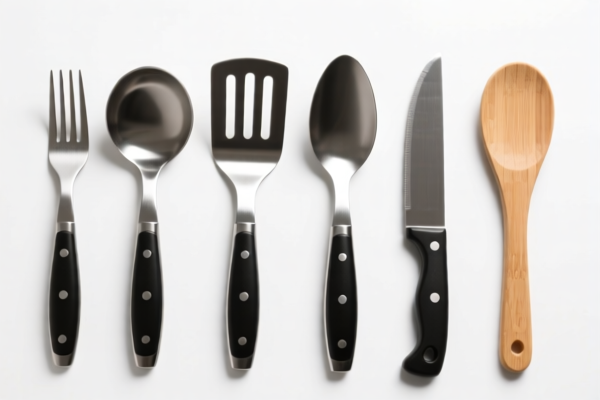
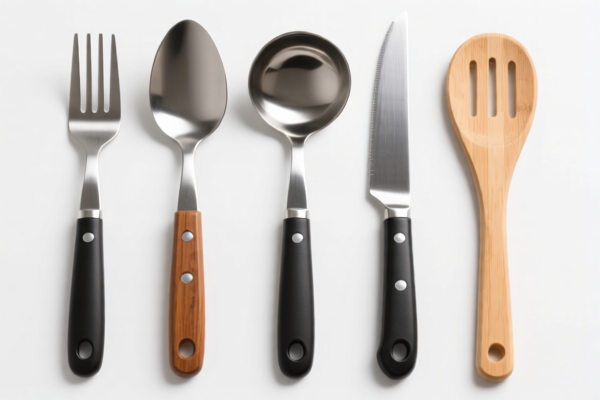
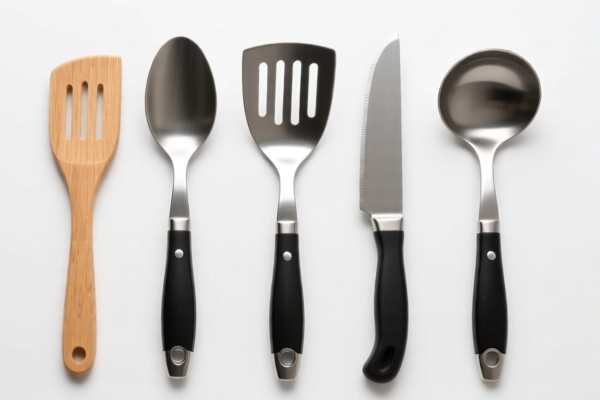
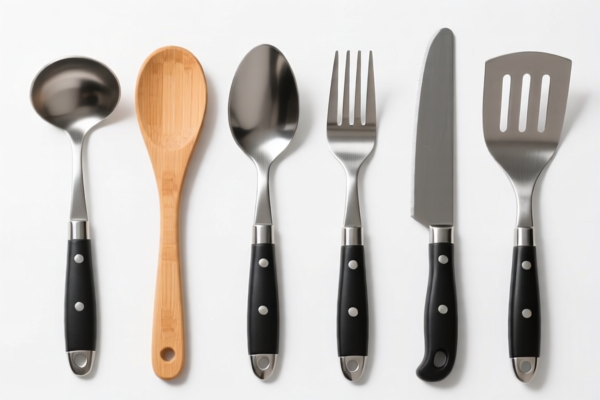
AI Analysis
🍽️ Kitchen & Household Equipment: The Ultimate Classification & Tariff Guide
🌐 HS Code Reference & Customs Clearance Guide | 2026 Latest Tariff Analysis | Professional Clearance Strategy
📌 I. Product Definition & Classification: Are You Clear on "Kitchen Equipment"?
"Kitchen Equipment" is a broad category that spans from simple plastic utensils to heavy-duty industrial cooking machinery. In international trade, precise classification is critical because the tariff rates vary wildly—from 0% for some plastics to 52% for stainless steel bakeware or 7.5% for industrial ovens.
This guide breaks down the specific HS Codes provided in the data, explaining exactly why they apply and what the tax implications are.
⚠️ Key Distinction:
- Plastic Items (Salt/Pepper shakers, general kitchenware) generally have low base tariffs but are subject to specific sub-codes.
- Steel/Iron Items (Especially Stainless Steel) face significant "Section 301" or similar additional tariffs (50% on top of base), leading to high total duties.
- Machinery (Ovens, Cookers) is classified separately from static tableware and has its own duty structure.
📦 II. HS Code Classification Details (Based on Provided Data)
The following table maps the product descriptions to their specific HS Codes and tax structures found in the <DATA> section.
| HS Code | Product Description | Material/Type | Key Characteristics |
|---|---|---|---|
| 3924.10.10.00 | Dispensers | Plastic | Salt, pepper, mustard, ketchup dispensers and similar devices. |
| 3924.10.40.00 | Other Tableware/Kitchenware | Plastic | General plastic tableware and kitchenware not elsewhere specified. |
| 7323.93.00.35 | Bakeware (Stainless Steel) | Stainless Steel | Cooking ware, specifically bakeware (not suitable for stove-top use). |
| 7323.94.00.21 | Bakeware (Enamelled Steel) | Iron/Steel (Enamelled) | Cooking ware, specifically bakeware (not suitable for stove-top use). |
| 8419.81.50.40 | Civil Aircraft Ovens/Stoves | Machinery | For making hot drinks/cooking; specifically for use in civil aircraft. |
| 8419.81.90.40 | Commercial Restaurant Equipment | Machinery | For making hot drinks/cooking; Of a type used in restaurants, hotels, etc. |
💰 III. 2026 Latest Tariff Rate Breakdown
✅ Applicable Context: Based on the provided
<DATA>, these rates reflect specific base tariffs and "additional" tariffs (likely Section 301 or similar trade remedies against specific materials).
🎯 1. Plastic Tableware & Dispensers
HS Codes: 3924.10.10.00 & 3924.10.40.00
| Item | Content |
|---|---|
| Base Tariff | 3.4% |
| Additional Tariff | 0.0% |
| Total Tax Rate | 3.4% |
| Calculation | CIF Value × 3.4% |
| Notes | These items are considered low-risk and low-duty plastic household goods. No "Steel/Aluminum/Copper" additional tax applies. |
📌 Explanation:
- Plastic kitchenware is generally subject to the standard Most Favored Nation (MFN) rate of 3.4%.
- There are no additional punitive tariffs listed for these specific plastic HS codes in the provided data.
🎯 2. Stainless Steel Bakeware
HS Code: 7323.93.00.35
| Item | Content |
|---|---|
| Base Tariff | 2.0% |
| Additional Tariff (Steel/Aluminum/Copper) | 50% |
| Total Tax Rate | 52.0% |
| Calculation | CIF Value × 52% |
| Notes | Applies to Stainless Steel cooking ware that is bakeware (oven-only, not stove-top). |
📌 Explanation:
- The base rate for stainless steel tableware is low (2.0%).
- However, a significant 50% additional tariff is applied under the category "Steel, Aluminum, Copper Products" (likely referencing specific trade remedy footnotes).
- Crucial: This only applies if the item is Stainless Steel and defined as Bakeware. If it were stainless steel pots/pans for stove-top use, it might fall under a different sub-code with different rates.
🎯 3. Enamelled Steel Bakeware
HS Code: 7323.94.00.21
| Item | Content |
|---|---|
| Base Tariff | 0.0% |
| Additional Tariff (Steel/Aluminum/Copper) | 50% |
| Total Tax Rate | 50.0% |
| Calculation | CIF Value × 50% |
| Notes | Applies to Enamelled Steel (not stainless) cooking ware, specifically bakeware. |
📌 Explanation:
- Base duty is waived (0%) for enameled iron/steel tableware.
- The 50% additional tariff still applies due to the material classification.
- Total effective duty is 50%.
🎯 4. Industrial/Aircraft Cooking Machinery
HS Codes: 8419.81.50.40 & 8419.81.90.40
| Item | Content |
|---|---|
| Base Tariff | 0.0% |
| Additional Tariff | 7.5% |
| Total Tax Rate | 7.5% |
| Calculation | CIF Value × 7.5% |
| Sub-Code Distinction | ...50.40: For Civil Aircraft...90.40: For Restaurants/Hotels |
📌 Explanation:
- These are machinery items, not static tableware.
- Base tariff is 0%, but a 7.5% additional tariff applies.
- The specific HS Code depends on the end-use:
- Aircraft Galleys: Must use8419.81.50.40.
- Commercial Food Service: Must use8419.81.90.40.
- Misdeclaring commercial equipment as aircraft equipment (or vice versa) can lead to customs penalties.
🛠️ IV. Customs Clearance Practical Advice
✅ 1. Critical Documentation Checklist
| Document | Requirement | Why It Matters |
|---|---|---|
| Product Specification Sheet | Must specify Material (Plastic, SS, Enameled Steel) and Type (Bakeware vs. Stove-top) | Determines if the 50% additional tariff applies. |
| Detailed Description | "Stainless Steel Bakeware" vs. "Stainless Steel Saucepan" | 7323.93.00.35 is for bakeware only. If it works on a stove, it may be misclassified, leading to audits. |
| Intended Use Declaration | For Machinery: "For Civil Aircraft" or "For Restaurant Use" | Required to distinguish between 8419.81.50.40 and 8419.81.90.40. |
| Commercial Invoice | Must clearly state "Plastic Dispenser," "Steel Bakeware," etc. | Generic terms like "Kitchen Tools" may trigger customs inspections and delays. |
| Photos | Clear images showing no stove-top suitability for "Bakeware" | Evidence that the item is not suitable for direct heat source use (critical for 7323.9x codes). |
✅ 2. Classification Pitfalls to Avoid
| Mistake | Consequence | Correct Action |
|---|---|---|
| Misclassifying Bakeware as Pot/Pan | Using a general steel tableware code instead of 7323.93.00.35 |
Ensure description explicitly says "Not suitable for stove-top use" or "Oven Only". |
| Overlooking the 50% Additional Tax | Underestimating cost by $50,000 on a $100k shipment | Always check for "Additional Tariffs" on steel/aluminum/copper items. The total duty is Base + Additional. |
| Confusing Plastic Dispensers with General Plastic | Using 3924.10.40.00 for a ketchup dispenser |
Use 3924.10.10.00 for specific dispensers (salt/pepper/mustard/ketchup). While the rate is the same (3.4%), accuracy is required for compliance. |
| Incorrect Machinery End-Use | Declaring restaurant ovens as aircraft equipment | Customs will verify the end-use. Misdeclaration can lead to fraud penalties. |
✅ 3. Strategic Recommendations
-
For Stainless Steel Products:
- If you are exporting stainless steel kitchenware, assume a 52% total tariff (2% base + 50% additional) unless proven otherwise.
- Consider sourcing from countries with favorable trade agreements if possible, though the provided data suggests the 50% additional tax is material-based.
-
For Plastic Products:
- The 3.4% rate is favorable. Ensure proper documentation to avoid being classified under higher-duty generic plastic categories.
-
For Machinery:
- Clearly distinguish between Domestic/Commercial and Aircraft use.
- The 7.5% rate is moderate. Ensure the equipment is not "electrically heated" in a way that pushes it to Heading 8514 (ovens of a kind used for domestic purposes), which might have different rules.
🌍 V. Summary of Tariff Exposure
| Product Category | HS Code(s) | Base Duty | Additional Duty | Total Effective Duty |
|---|---|---|---|---|
| Plastic Dispensers | 3924.10.10.00 |
3.4% | 0% | 3.4% |
| Other Plastic Kitchenware | 3924.10.40.00 |
3.4% | 0% | 3.4% |
| Stainless Steel Bakeware | 7323.93.00.35 |
2.0% | 50% | 52.0% |
| Enameled Steel Bakeware | 7323.94.00.21 |
0.0% | 50% | 50.0% |
| Machinery (Aircraft) | 8419.81.50.40 |
0.0% | 7.5% | 7.5% |
| Machinery (Restaurant) | 8419.81.90.40 |
0.0% | 7.5% | 7.5% |
📌 VI. Common Errors & Blood-Tears Lessons
❌ Error 1: Calling a stainless steel baking sheet "Cookware" and misclassifying it to avoid the 50% tax.
👉 Consequence: Customs will inspect, find it is stainless steel, and assess the 52% duty + penalties.
✅ Fix: Be explicit: "Stainless Steel Bakeware, Not for Stove Top."
❌ Error 2: Grouping all kitchen machinery under one HS Code.
👉 Consequence: If you import restaurant ovens but declare them as aircraft equipment, you risk fraud allegations.
✅ Fix: Use 8419.81.90.40 for restaurant/hotel use.
❌ Error 3: Ignoring the "Enamelled" distinction for steel bakeware.
👉 Consequence: Enamelled steel (7323.94) and Stainless Steel (7323.93) have different base rates (0% vs 2%), though both hit the 50% add-on.
✅ Fix: Verify material composition precisely.
🎯 VII. Conclusion: Precision Saves Money!
🎯 Remember the Golden Rule of Kitchen Goods Classification:
🔹 "Plastic is cheap (3.4%). Steel is expensive (50% add-on). Machinery is specific (7.5%). Bakeware is different from Pots!"
- Plastic: Safe haven for low duties.
- Steel/Aluminum: High penalty zone. Check for the 50% surcharge.
- Bakeware: Must be clearly distinguished from stove-top cookware.
📌 Pro Tip:
Always request a Product Data Sheet from your supplier that explicitly states:
1. Material Composition (e.g., "304 Stainless Steel" vs. "Enameled Carbon Steel").
2. Intended Use (e.g., "Oven Only" vs. "Stovetop Compatible").
3. End-Use (for machinery: "Aircraft" vs. "Commercial Kitchen").
🚀 Clear Classification = Lower Duties = Higher Profit Margins!
✨ Professional Clearance Starts with Accurate Data!
💼 Every percentage point saved is pure profit!
Customer Reviews
About HS Code Classification
The Harmonized System (HS) is an internationally standardized nomenclature developed by the World Customs Organization (WCO) to classify traded products. Over 200 countries use the HS system as the basis for customs tariffs, trade statistics, and import/export regulations.
Each HS code follows a hierarchical structure:
- Chapter (2 digits) — Broad category of goods (e.g., Chapter 84: Machinery and Mechanical Appliances)
- Heading (4 digits) — More specific grouping within the chapter
- Subheading (6 digits) — Internationally standardized breakdown, used by all WCO member countries
- National subdivisions (8-10 digits) — Country-specific extensions for further classification, such as US HTSUS 10-digit codes
Correct HS code classification is essential for smooth customs clearance, accurate duty payment, and compliance with trade regulations. Misclassification can lead to customs delays, overpayment of duties, or penalties.
When importing from CN to US, the applicable tariff rates may include:
- Most-Favored-Nation (MFN) rate — The standard duty rate applied to WTO members
- General rate — Applied to countries without trade agreements
- Trade remedy duties — Additional tariffs such as Section 301 (anti-dumping), Section 232 (national security), or countervailing duties
The information provided on this page is for reference purposes only. For official classification, please consult with your local customs authority or a licensed customs broker.