Kitchen Knives
CN → US| HS Code | Tariff Rate | Origin | Destination | Doc |
|---|---|---|---|---|
| 8211929060 | 0.0% | CN | US | Official Doc |
| 8214903000 | 0.0% | CN | US | Official Doc |
| 8214906000 | 0.0% | CN | US | Official Doc |
| 8214909000 | 0.0% | CN | US | Official Doc |
| 8211918060 | 0.0% | CN | US | Official Doc |
| 8215995000 | 15.3% | CN | US | Official Doc |
Product Images
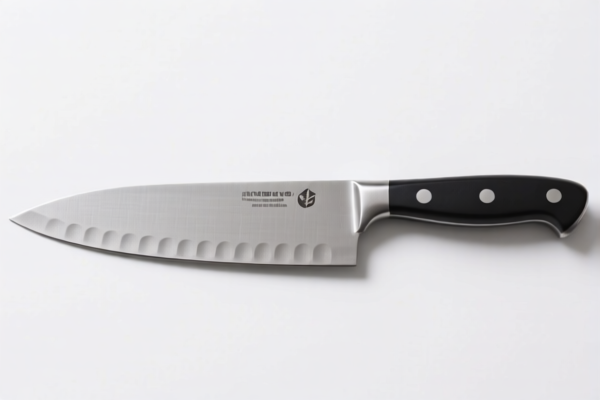
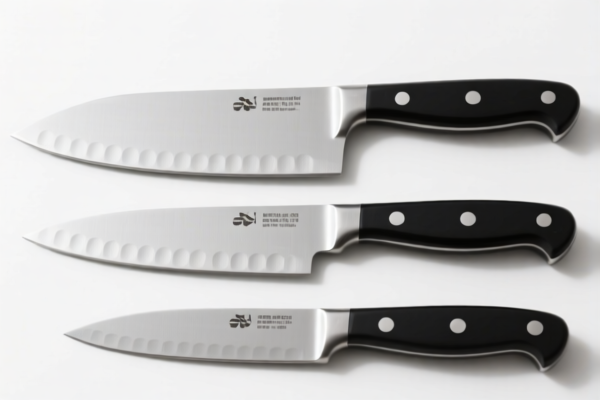
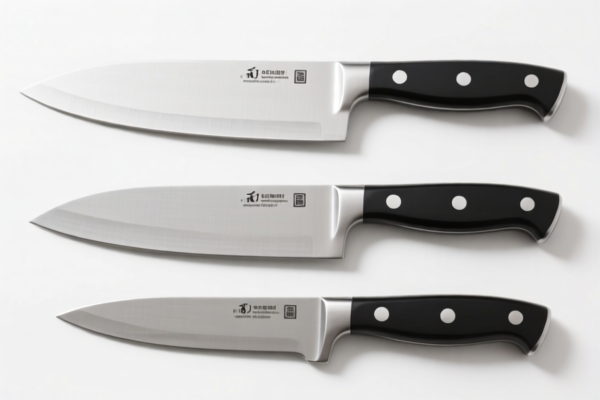
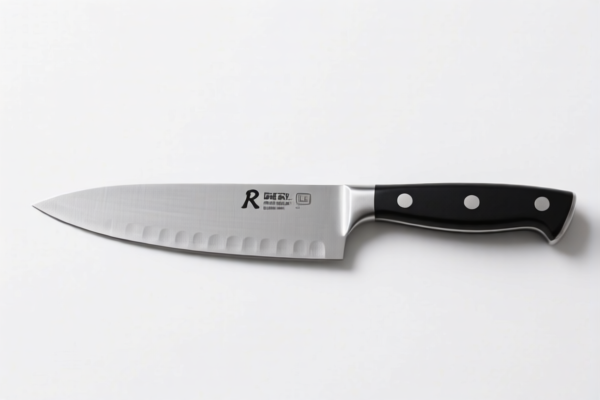
AI Analysis
🔪 Kitchen Knives: HS Code Classification & US Customs Clearance Strategy
🌐 HS Code Reference & Clearance Guide | 2026 Latest Tariff Analysis | Professional Entry Strategies
📌 I. Product Definition & Classification: Do You Really Know "Kitchen Knives"?
Kitchen knives are essential tools in culinary arts, classified under Chapter 82 (Tools, Implements, Spoons and Forks of Base Metal). In international trade, they are primarily categorized by material (Base Metal) and function (Cutting/Chopping).
Based on the provided data, the product "Kitchen Knives" can fall into several HS Codes depending on specific structural details (handle material, blade shape, intended use). Below is the detailed breakdown.
⚠️ Key Distinction:
- General Purpose Cutting Tools: If the knife is primarily for chopping/cutting food and has a handle, it often falls under 8214 or 8211.
- Cutlery/Tableware: If the knife is specifically designed for table use (e.g., fish knives, butter knives) and marketed as cutlery, it may fall under 8215.
- Material Assumption: Unless specified otherwise, most kitchen knives are assumed to be made of Base Metal (stainless steel, carbon steel) for tariff calculation purposes in this context.
📦 II. HS Code Classification Details (2026 Latest Tariff Authority Cross-Reference)
| HS Code | Product Description | Applicable Scenario | Key Matching Logic |
|---|---|---|---|
8211.92.90.60 |
Knives with cutting blades, other than knives of heading 8208 | General kitchen knives, cleavers, slicers | Matches "knives with cutting blades"; inferred as base metal. |
8214.90.30.00 |
Axes, axe blades, hatchets, mattocks, pickaxes, hoe heads, shovels, spades, picks, billhooks, and similar hand tools; scrapers and pullers of kind used for dressing wood; chisels and wood carving tools; cutters for cutting glass; choppers and similar products | Heavy-duty knives, cleavers, or knives resembling choppers | Matches "choppers and similar products" based on form/function inference. |
8214.90.60.00 |
Other articles of cutlery, kitchenware, and parts thereof; other choppers and similar products | Other general purpose kitchen knives | "Other choppers" logic; no material conflict. |
8214.90.90.00 |
Other articles of cutlery, kitchenware, and parts thereof; other (Catch-all category) | Miscellaneous kitchen knives not fitting specific subheadings | "Catch-all" for knife products; default to base metal. |
8211.91.80.60 |
Knives with cutting blades, other than knives of heading 8208; other | General kitchen knives with specific blade types | Matches "knives with cutting blades"; inferred base metal. |
8215.99.50.00 |
Spoons, forks, and other table, kitchen, or toilet ware; other | Tableware knives (e.g., fish knives, butter knives, dessert knives) | Matches "tableware/kitchenware" definition; no material conflict. |
🔍 Key Reminder:
- 8211 vs 8214 vs 8215:
- 8211: Typically for knives with cutting blades (general purpose).
- 8214: Often includes "choppers" and hand tools; broader category for cutting implements.
- 8215: Specifically for tableware/cutlery. If your knife is sold as part of a dinner set or for direct table use (not prep/chopping), this is the correct chapter.
- Material: All entries assume Base Metal unless wood/plastic handles make it a composite good (which would shift it to Chapter 39 or 44, but data assumes metal).
💰 III. 2026 Latest Tariff Rate Breakdown (Including Additional Duties & Policy Surcharges)
✅ Applicable Country: United States (US)
✅ Origin: China (CN)
✅ Effective Date: 2025/2026 (Current Trade Policy)
🎯 1. 8211.92.90.60 —— Kitchen Knives (General Cutting Blades)
| Item | Content |
|---|---|
| Base Duty | 0.4¢ each + 6.1% |
| Section 301 Duty | +7.5% |
| Section 122 Duty | +10% |
| Total Effective Rate | ~23.6% + $0.004/unit |
| Calculation | (CIF Value × 6.1%) + (CIF Value × 7.5%) + (CIF Value × 10%) + (0.4¢ × Quantity) |
| De Minimis Eligibility | ❌ No (High tariff items usually excluded from Section 321 de minimis) |
| Legal Basis | Section 301 (Trade Act of 1974) + Section 122 (Import Relief) |
📌 Explanation:
- This is a high-cost classification due to the combination of base duty and multiple surcharges.
- The "per unit" fee applies to small items, but the percentage-based duties dominate for high-value sets.
🎯 2. 8214.90.30.00 —— Choppers & Similar Products
| Item | Content |
|---|---|
| Base Duty | 1¢ each + 4.9% |
| Section 301 Duty | +7.5% |
| Section 122 Duty | +10% |
| Total Effective Rate | ~22.4% + $0.01/unit |
| Calculation | (CIF Value × 4.9%) + (CIF Value × 7.5%) + (CIF Value × 10%) + (1¢ × Quantity) |
| De Minimis Eligibility | ❌ No |
| Legal Basis | Section 301 + Section 122 |
📌 Note:
- Slightly lower base percentage (4.9% vs 6.1%) but higher per-unit fee (1¢ vs 0.4¢).
- Suitable for heavier, chopping-style knives.
🎯 3. 8214.90.60.00 —— Other Choppers & Similar Products
| Item | Content |
|---|---|
| Base Duty | 0.2¢ each + 3.1% |
| Section 301 Duty | 0.0% |
| Section 122 Duty | +10% |
| Total Effective Rate | ~13.1% + $0.002/unit |
| Calculation | (CIF Value × 3.1%) + (CIF Value × 10%) + (0.2¢ × Quantity) |
| De Minimis Eligibility | ❌ No |
| Legal Basis | Section 122 only |
📌 Advantage:
- Lower total tariff (~13.1%) compared to 8211/8214.30.
- Ideal for generic kitchen knives where "chopper" definition fits broadly.
🎯 4. 8214.90.90.00 —— Other Cutlery/Kitchenware (Catch-All)
| Item | Content |
|---|---|
| Base Duty | 1.4¢ each + 3.2% |
| Section 301 Duty | 0.0% |
| Section 122 Duty | +10% |
| Total Effective Rate | ~13.2% + $0.014/unit |
| Calculation | (CIF Value × 3.2%) + (CIF Value × 10%) + (1.4¢ × Quantity) |
| De Minimis Eligibility | ❌ No |
| Legal Basis | Section 122 only |
📌 Note:
- Very similar cost to8214.90.60.00.
- Use when the knife doesn’t fit specific "chopper" or "blade" definitions precisely.
🎯 5. 8211.91.80.60 —— Other Knives with Cutting Blades
| Item | Content |
|---|---|
| Base Duty | 0.3¢ each + 4.9% |
| Section 301 Duty | +7.5% |
| Section 122 Duty | +10% |
| Total Effective Rate | ~22.4% + $0.003/unit |
| Calculation | (CIF Value × 4.9%) + (CIF Value × 7.5%) + (CIF Value × 10%) + (0.3¢ × Quantity) |
| De Minimis Eligibility | ❌ No |
| Legal Basis | Section 301 + Section 122 |
📌 Note:
- Similar to8211.92.90.60but slightly different blade classification.
- High tariff burden due to 301 & 122 layers.
🎯 6. 8215.99.50.00 —— Tableware Knives (Cutlery)
| Item | Content |
|---|---|
| Base Duty | 5.3% |
| Section 301 Duty | 0.0% |
| Section 122 Duty | +10% |
| Total Effective Rate | 15.3% |
| Calculation | (CIF Value × 5.3%) + (CIF Value × 10%) |
| De Minimis Eligibility | ❌ No |
| Legal Basis | Section 122 only |
📌 Advantage:
- No Section 301 duty (0% additional).
- Total rate is 15.3%, which is lower than most 8211/8214 chopper classifications.
- Best for table knives (fish, butter, steak knives) marketed as cutlery.
🛠️ IV. Customs Clearance Practical Advice (Real-World Pitfall Avoidance)
✅ 1. Required Documentation Checklist
| Document | Mandatory | Notes |
|---|---|---|
| ✅ Product Specification | ✔️ | Must specify material (e.g., Stainless Steel 420), handle material, blade length. |
| ✅ Product Photos | ✔️ | Clear shots of blade, handle, and packaging. Distinguish between "prep knife" and "table knife". |
| ✅ Commercial Invoice | ✔️ | Must accurately describe the item (e.g., "Stainless Steel Kitchen Knife" vs "Table Cutlery"). |
| ✅ Packing List | ✔️ | Quantity per unit. Crucial for "per unit" duty calculations. |
| ✅ FCC/CE Certifications | ✔️ | If electronic (e.g., electric knife), additional certs may be needed. |
| ✅ Origin Certificate | ✔️ | Proves Chinese origin for Section 301/122 assessment. |
✅ 2. Classification Strategy (Key Tips)
🔥 "Tableware vs. Tool: Choose Wisely!"
| Scenario | Recommended HS Code | Reason |
|---|---|---|
| Steak Knife, Fish Knife, Butter Knife | 8215.99.50.00 |
Classified as Tableware/Cutlery. Lower tariff (15.3%). |
| Chef’s Knife, Cleaver, Paring Knife | 8214.90.60.00 or 8214.90.30.00 |
Classified as Cutting Tools/Choppers. Higher tariff (~22%). |
| Electric Kitchen Knife | Check Chapter 85 | If it has a motor, it may fall under electrical appliances, not Chapter 82. |
📌 Critical Warning:
- Do not misclassify a Chef’s Knife as Tableware. Customs may flag it, leading to audits and penalties.
- Do not misclassify a Table Knife as a Tool. You may overpay tariffs unnecessarily.
✅ 3. Special Case Handling
| Case | Handling Advice |
|---|---|
| Knife Sets | If a set contains both table knives and prep knives, split the classification. Do not lump all into one HS Code. |
| Wooden Handles | If the handle is wood, ensure the primary value is in the metal blade. Otherwise, it might shift to Chapter 44. |
| Gift Sets | If packaged as a gift, the essential character rule applies. If the knife is the main item, classify as knife. |
| De Minimis (Section 321) | Most knives are EXCLUDED from $800 de minimis entry if subject to Section 301 or 122 duties. Verify eligibility carefully. |
🌍 V. Global Market Comparison (2026 Latest)
| Country/Region | Recommended HS Code | Tariff Rate | Certification | Notes |
|---|---|---|---|---|
| 🇺🇸 USA | 8215.99.50.00 (Table) / 8214.90.60.00 (Tool) |
15.3% (Table) / ~13-22% (Tool) | None specific | High Section 301/122 impact. |
| 🇨🇳 China | 8211.92.90.60 / 8215.99.50.00 |
5-9% | CCC (if applicable) | No Section 301/122. |
| 🇪🇺 EU | 8211.92.90 / 8215.99.50 |
2.5-6.5% | REACH (Steel) | No anti-dumping on standard knives. |
| 🇬🇧 UK | 8211.92.90 / 8215.99.50 |
2.5-6.5% | UKCA | Post-Brexit rules apply. |
📌 Conclusion:
- USA has the highest tariff burden due to Section 301 and 122.
- Tableware classification (8215) offers the lowest tariff (15.3%) in the US.
- Tool classification (8211/8214) can exceed 22%.
📌 VI. Common Errors & Pitfalls (Lessons Learned)
❌ Error 1: Classifying all knives as 8215.99.50.00 (Tableware)
👉 Consequence: Customs may reclassify as 8211 or 8214, resulting in higher duties + penalties.
❌ Error 2: Ignoring Section 301 & 122 Duties
👉 Consequence: Underpayment of 17.5% additional taxes.
❌ Error 3: Failing to declare "Per Unit" Duty accurately
👉 Consequence: Discrepancy in final clearance fees, especially for high-volume small items.
❌ Error 4: Misidentifying "Electric Knives"
👉 Consequence: Wrong chapter (85 vs 82), leading to complete misclassification.
✅ Correct Approach:
"Stainless Steel Chef’s Knife, 8-inch, with Plastic Handle, for Kitchen Prep" →
8214.90.60.00
"Stainless Steel Steak Knife, with Wooden Handle, for Dining Table" →8215.99.50.00
🎯 VII. Conclusion: Professional Classification, Cost Optimization
🎯 Key Takeaways:
🔹 "Table Knives = Lower Tariff (15.3%)"
🔹 "Prep Knives = Higher Tariff (22%+)"
🔹 "Section 301 & 122 = Non-Negotiable for China Origin"
📌 Pro Tip:
If you are exporting tableware knives from China to the US, ensure your marketing materials describe them as 'Cutlery' or 'Table Knives' to support the
8215.99.50.00classification. This can save you 7-10% in total tariffs compared to tool classifications.
📣 Immediate Action:
📞 Consult a Customs Broker: Confirm the exact classification with a licensed broker.
📄 Provide Product Specs: Include blade shape, handle material, and intended use.
🚀 Optimize Costs: Choose the right HS Code from day one to avoid clearance delays and surcharges.
✨ Accurate Classification, Smooth Customs, Maximized Profit!
💼 Every Cent Saved is a Cent Earned!
Customer Reviews
About HS Code Classification
The Harmonized System (HS) is an internationally standardized nomenclature developed by the World Customs Organization (WCO) to classify traded products. Over 200 countries use the HS system as the basis for customs tariffs, trade statistics, and import/export regulations.
Each HS code follows a hierarchical structure:
- Chapter (2 digits) — Broad category of goods (e.g., Chapter 84: Machinery and Mechanical Appliances)
- Heading (4 digits) — More specific grouping within the chapter
- Subheading (6 digits) — Internationally standardized breakdown, used by all WCO member countries
- National subdivisions (8-10 digits) — Country-specific extensions for further classification, such as US HTSUS 10-digit codes
Correct HS code classification is essential for smooth customs clearance, accurate duty payment, and compliance with trade regulations. Misclassification can lead to customs delays, overpayment of duties, or penalties.
When importing from CN to US, the applicable tariff rates may include:
- Most-Favored-Nation (MFN) rate — The standard duty rate applied to WTO members
- General rate — Applied to countries without trade agreements
- Trade remedy duties — Additional tariffs such as Section 301 (anti-dumping), Section 232 (national security), or countervailing duties
The information provided on this page is for reference purposes only. For official classification, please consult with your local customs authority or a licensed customs broker.