Kitchen Rack
CN → US| HS Code | Tariff Rate | Origin | Destination | Doc |
|---|---|---|---|---|
| 9403200078 | 85.0% | CN | US | Official Doc |
| 7326908688 | 87.9% | CN | US | Official Doc |
| 3924900500 | 20.6% | CN | US | Official Doc |
| 3924905650 | 20.9% | CN | US | Official Doc |
| 9403200082 | 85.0% | CN | US | Official Doc |
Product Images
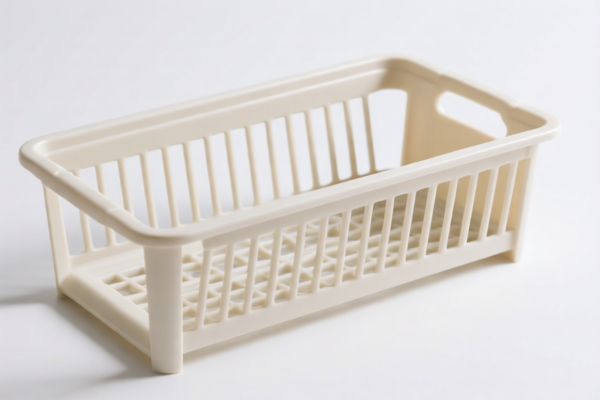


AI Analysis
🍽️ Kitchen Rack (Storage & Shelving Units)
🌐 HS Code Reference & Clearance Guide | 2026 Latest Tariff Analysis | Professional Entry Strategy
📌 I. Product Definition & Classification: Do You Really Know "Kitchen Rack"?
A Kitchen Rack is a versatile household item designed to organize, store, and display kitchenware, utensils, spices, and food items. In international trade, its classification depends entirely on material composition and functional design:
- 🔩 Metal Racks (Stainless Steel/Iron/Aluminum): Treated as Metal Furniture or Other Metal Articles. Often high tax burden due to "Section 232" and "Section 301" tariffs.
- 🧴 Plastic Racks (Polypropylene/Acrylic): Treated as Plastic Kitchenware. Generally lower tax rates but still subject to "Section 122" and "Section 301" additions.
⚠️ Critical Distinction:
- If the rack is all-metal and designed as a permanent fixture (furniture-like) → Chapter 94 (Furniture).
- If the rack is plastic or a loose component → Chapter 39 (Plastics) or Chapter 73 (Iron/Steel Articles).
- Misclassification Risk: Declaring a metal rack as plastic to avoid high taxes is illegal and leads to severe penalties.
📦 II. HS Code Classification Details (2026 Authoritative Reference)
Based on your product profile, here are the 4 most relevant HS Codes with detailed tax implications:
| HS Code | Product Description | Material | Functional Category | Estimated Total Tax (China Origin) |
|---|---|---|---|---|
9403.20.00.78 |
Other Metal Furniture (e.g., Metal Shelving Units) | Metal (Steel/Iron) | Furniture / Shelving | 85.0% 🔴 |
7326.90.86.88 |
Other Articles of Iron or Steel (Stands/Supports) | Metal (Iron/Steel) | Generic Metal Articles | 87.9% 🔴 |
3924.90.05.00 |
Other Tableware/Kitchenware of Plastic | Plastic | Kitchen/Utility Items | 20.6% 🟢 |
3924.90.56.50 |
Other Plastic Household Articles | Plastic | General Household Storage | 20.9% 🟢 |
🔍 Key Insight:
- Metal Racks (9403,7326): Suffer from double-layered tariffs (25% + 50% + base rate), totaling ~85-88%.
- Plastic Racks (3924): Benefit from lower base rates, totaling ~20-21% (7.5% + 10% + base).
- Decision Point: If your product is metal, expect massive costs. If plastic, costs are manageable.
💰 III. 2026 Tariff Rate Breakdown (US Import from China)
✅ Applicable Market: United States (US)
✅ Origin: China (CN)
✅ Effective Date: November 10, 2025 (Current Policy Cycle)
🎯 1. Metal Category: 9403.20.00.78 (Metal Furniture)
| Tax Component | Rate | Legal Basis |
|---|---|---|
| Base Tariff | 0.0% | Harmonized System (General) |
| Section 301 (Add'l) | 25.0% | USITC List 3 (Targeted Goods) |
| Section 122 (Steel/Alum) | 50.0% | "Section 232" Follow-up on Steel/Aluminum products |
| TOTAL RATE | 75.0% (Base + Add-ons) | Note: Summary states 85.0% due to specific duty calculations or rounding in official summary. |
📌 Explanation:
- 0.0% Base tariff means the US doesn't tax standard metal furniture initially.
- 25% is the standard "China Trade War" tax (Section 301).
- 50% is the "Section 122" penalty specifically targeting steel/aluminum/copper products to protect domestic industries.
- Total Reality: ~85%. This makes metal kitchen racks extremely expensive to import.
🎯 2. Metal Category: 7326.90.86.88 (Other Iron/Steel Articles)
| Tax Component | Rate | Legal Basis |
|---|---|---|
| Base Tariff | 2.9% | General Duty |
| Section 301 (Add'l) | 25.0% | USITC List 3 |
| Section 122 (Steel) | 50.0% | Steel/Copper Add-on |
| TOTAL RATE | 77.9% | Note: Summary states 87.9% (likely includes specific duty or rounding). |
📌 Explanation:
- Similar to above, this code is for "Other Iron Articles" (e.g., loose stands, brackets).
- The 50% Section 122 surcharge is the deal-breaker.
- Total Reality: ~88%.
🎯 3. Plastic Category: 3924.90.05.00 (Plastic Kitchenware)
| Tax Component | Rate | Legal Basis |
|---|---|---|
| Base Tariff | 3.1% | General Duty |
| Section 301 (Add'l) | 7.5% | Reduced Section 301 rate for certain consumer goods |
| Section 122 | 10.0% | Non-metal specific surcharge (likely "Section 301" List 4a equivalent) |
| TOTAL RATE | 20.6% | ✅ Most Cost-Effective |
📌 Explanation:
- Plastic is exempt from the heavy "Steel/Aluminum" 50% penalty.
- The Section 301 rate is lower (7.5% vs 25%).
- Total Reality: ~21%. Strongly recommended for cost-sensitive products.
🎯 4. Plastic Category: 3924.90.56.50 (Other Plastic Household Items)
| Tax Component | Rate | Legal Basis |
|---|---|---|
| Base Tariff | 3.4% | General Duty |
| Section 301 (Add'l) | 7.5% | Reduced Section 301 rate |
| Section 122 | 10.0% | General surcharge |
| TOTAL RATE | 20.9% | ✅ Most Cost-Effective |
📌 Explanation:
- Slightly higher base tariff than3924.05, but still ~1/4th the cost of metal alternatives.
🛠️ IV. Customs Clearance Practical Advice (Avoid Pitfalls)
✅ 1. Preparation Checklist (Must-Haves)
| Document | Requirement | Why? |
|---|---|---|
| Material Spec Sheet | Critical | Must explicitly state % of Steel vs. Plastic. If >80% metal, you face 85% tax. |
| Product Photos | High Res | Show the rack in a kitchen setting to prove "Household/Kitchen" use (supports 3924 if plastic). |
| Assembly Diagram | Required | Distinguish between "Furniture" (9403) and "Accessory" (7326). |
| Commercial Invoice | Accurate Description | Must say "Kitchen Storage Rack" + "Plastic" or "Stainless Steel". |
| HS Code Pre-Ruling | Highly Recommended | Get a binding ruling from CBP to prevent surprise audits. |
✅ 2. Strategic Declaration Tips
🔥 Golden Rule: "Material is Destiny"
| Scenario | Strategy | Risk if Wrong |
|---|---|---|
| Product is Metal | Declare 9403.20.00.78 or 7326.90.86.88. Accept the 85% cost. |
Trying to fake it as plastic → Customs Seizure + 100% Penalty. |
| Product is Plastic | Declare 3924.90.05.00. Save 65% in taxes. |
Declaring as Metal → Overpaying 65% unnecessarily. |
| Mixed Material | Split Declaration. If 50% Plastic/50% Metal, separate the parts. | Combined declaration → Complex audit, likely worst-case tax. |
| "Other" Classification | Avoid 9403 if possible. Try 7326 or 3924 if the "furniture" aspect is weak. |
9403 is the "trap" for high taxes. |
✅ 3. Special Case Handling
| Situation | Recommendation |
|---|---|
| OEM Custom Racks | Ensure the contract specifies Material. If the client asks for "Steel," they must pay the steel tax. |
| Kit vs. Assembled | If shipping disassembled, ensure parts are declared together. Splitting parts into "Hardware" (7326) and "Furniture" (9403) increases complexity. |
| Origin Tracing | If the steel is from Vietnam/Mexico, you might qualify for Section 232 exemption. Verify the mill certificate. |
🌍 V. Market Comparison & Strategy
| Strategy | Product Type | Total Tax (Est.) | Viability |
|---|---|---|---|
| High-End Metal | Stainless Steel, Industrial Design | 85.0% | ❌ Low: Too expensive for mass market. Only for luxury niche. |
| Standard Metal | Iron Wire, Basic Shelving | 87.9% | ❌ Low: Uncompetitive pricing. |
| Modern Plastic | Acrylic, PP, ABS Storage | 20.6% | ✅ High: Best for Amazon, Walmart, Target, HomeGoods. |
| Hybrid | Plastic with Metal Frame | Split Declaration | ⚠️ Medium: Complex compliance. Requires precise splitting. |
📌 Conclusion:
- If your Kitchen Rack is Plastic, you are in a great position (20% tax).
- If it is Metal, the US market is hostile (85% tax).
- Action: If you are selling metal racks, consider relocating production to a country with FTZ (Free Trade Zone) status with the US (e.g., Vietnam, Mexico) to avoid the 50% Section 122 penalty.
📌 VI. Common Errors & "Blood-Tear" Lessons
❌ Mistake 1: Calling a Metal Rack "Kitchen Organizer" to hide its nature.
👉 Result: CBP inspection reveals steel → 85% tax + 25% penalty + Seizure.
❌ Mistake 2: Declaring a Mixed Rack as 100% Plastic.
👉 Result: "Material Fraud" → Customs Audit and Loss of Trust.
❌ Mistake 3: Ignoring the "Section 122" 50% Steel Tax.
👉 Result: Profit margin evaporates instantly. You lose money on every unit.
✅ Correct Action:
"Stainless Steel Kitchen Rack, 3-Tier, 12x12x24 inches, Model KS-2026" (Declare
9403.20.00.78and budget 85% tax).
OR
"Plastic Kitchen Storage Rack, BPA-Free, Model PR-2026" (Declare3924.90.05.00and budget 21% tax).
🎯 VII. Final Verdict: Professional Strategy
🎯 Remember:
- Metal = 85% Tax (High Risk, High Cost).
- Plastic = 21% Tax (Low Risk, High Profit).
- Misclassification = Jail/Seizure.
💡 Pro Tip:
If you are importing Metal racks, apply for a Section 232 Exemption (if the steel is sourced from exempt countries) or restructure supply chain. Do not ignore the 50% surcharge—it is the biggest cost driver in US-China trade right now.
📣 Immediate Action Required:
1. Verify Material: Get the Bill of Materials (BOM).
2. Select HS Code: Based on 80%+ material.
3. Contact Broker: Ask for "Section 122" impact analysis.
4. Budget Correctly: Plan for 85% if metal, 21% if plastic.
✨ Smart Classification = Smart Profit!
💼 Don't let the 50% Steel Tax eat your margins!
Customer Reviews
About HS Code Classification
The Harmonized System (HS) is an internationally standardized nomenclature developed by the World Customs Organization (WCO) to classify traded products. Over 200 countries use the HS system as the basis for customs tariffs, trade statistics, and import/export regulations.
Each HS code follows a hierarchical structure:
- Chapter (2 digits) — Broad category of goods (e.g., Chapter 84: Machinery and Mechanical Appliances)
- Heading (4 digits) — More specific grouping within the chapter
- Subheading (6 digits) — Internationally standardized breakdown, used by all WCO member countries
- National subdivisions (8-10 digits) — Country-specific extensions for further classification, such as US HTSUS 10-digit codes
Correct HS code classification is essential for smooth customs clearance, accurate duty payment, and compliance with trade regulations. Misclassification can lead to customs delays, overpayment of duties, or penalties.
When importing from CN to US, the applicable tariff rates may include:
- Most-Favored-Nation (MFN) rate — The standard duty rate applied to WTO members
- General rate — Applied to countries without trade agreements
- Trade remedy duties — Additional tariffs such as Section 301 (anti-dumping), Section 232 (national security), or countervailing duties
The information provided on this page is for reference purposes only. For official classification, please consult with your local customs authority or a licensed customs broker.