Kitchen Set
CN → US| HS Code | Tariff Rate | Origin | Destination | Doc |
|---|---|---|---|---|
| 7323930060 | 62.0% | CN | US | Official Doc |
| 7323999030 | 88.4% | CN | US | Official Doc |
| 6911108010 | 38.3% | CN | US | Official Doc |
| 6911108090 | 38.3% | CN | US | Official Doc |
| 3924104000 | 13.4% | CN | US | Official Doc |
| 3924102000 | 24.0% | CN | US | Official Doc |
Product Images
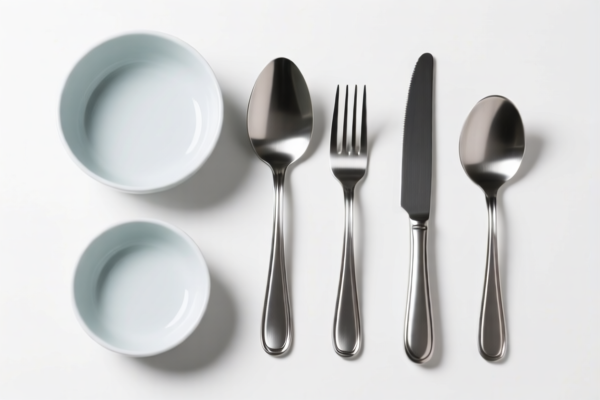
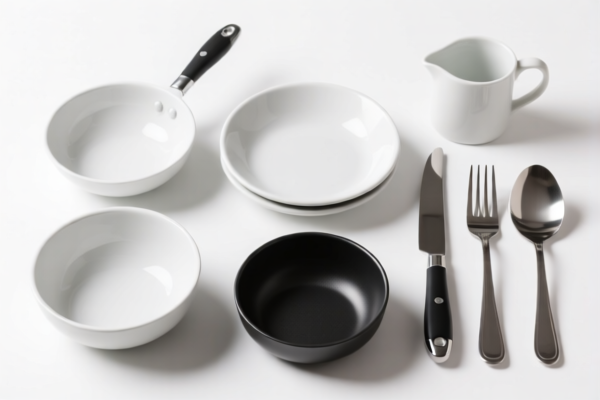
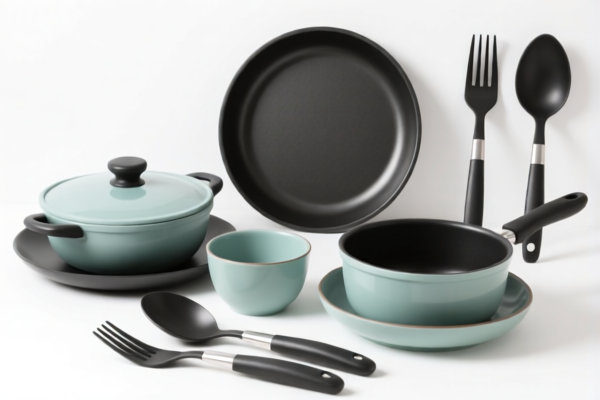
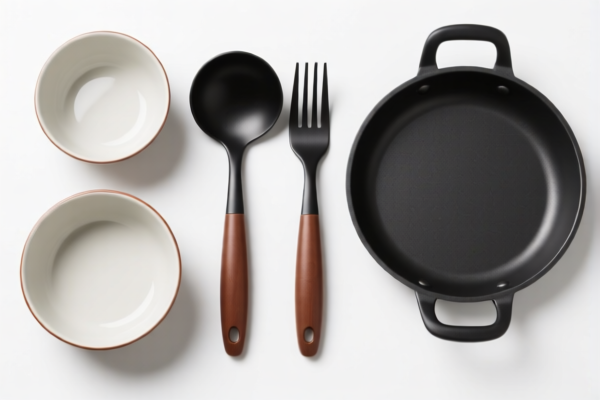
AI Analysis
🍽️ Kitchen Sets & Housewares: The Ultimate Classification Guide for Iron/Steel, Plastic, and Porcelain | 2026 Customs Clearance Strategy
🌐 HS Code Reference & Clearance Guide | 2026 Latest Tariff Analysis | Professional Entry Strategies
📌 Part 1: Product Definition & Classification – Do You Know Your "Kitchen Set"?
In international trade, the term "Kitchen Set" is ambiguous and dangerous. It can refer to stainless steel cookware, plastic utensils, or ceramic dinnerware. Misclassification leads to massive duty shocks.
The provided covers three distinct material categories: 1. Iron/Steel Articles (Ch. 73): Stainless steel pots, pans, scouring pads. 2. Plastic Articles (Ch. 39): Plastic bowls, plates, kitchen tools. 3. Porcelain/China Articles (Ch. 69): Ceramic plates, cups, bowls suitable for food contact.
⚠️ CRITICAL DISTINCTION: * Is it metal? → Look at HS 7323 * Is it plastic? → Look at HS 3924 * Is it ceramic? → Look at HS 6911
📦 Part 2: Detailed HS Code Breakdown (Based on Provided Data)
Below is the precise classification for "Kitchen Sets" based on the specific material and usage described in your input data.
A. 🥘 Iron, Steel, and Parts (Stainless Steel Focus)
| HS Code | Product Description | Key Characteristics | Tax Rate |
|---|---|---|---|
| 7323.93.00.60 | Other Table/Kitchen articles of stainless steel | • Stainless steel cooking/kitchen ware • Not coated/plated with precious metal • Includes pots, pans, trays |
52.0% |
| 7323.99.90.30 | Other Iron/Steel articles suitable for food/drink contact | • Other steel (non-stainless or unspecified) • Kitchen/tableware for food contact • Not coated/plated with precious metal |
78.4% |
B. 🥗 Plastic Tableware & Kitchenware
| HS Code | Product Description | Key Characteristics | Tax Rate |
|---|---|---|---|
| 3924.10.40.00 | Plastic Tableware & Kitchenware (Other) | • General plastic kitchen items (not plates/cups) • E.g., plastic cutting boards, containers, utensils |
3.4% |
| 3924.10.20.00 | Plastic Plates, Cups, Saucers, Bowls, etc. | • Specific items: Plates, cups, saucers, soup bowls, cereal bowls, sugar bowls, creamers, gravy boats, platters | 14.0% |
C. 🏺 Porcelain/China Tableware (Food Contact)
| HS Code | Product Description | Key Characteristics | Tax Rate |
|---|---|---|---|
| 6911.10.80.10 | Porcelain/China Tableware (Other) - Food Contact | • Suitable for food or drink contact • Other porcelain/kitchen ware not specified elsewhere |
28.3% |
| 6911.10.80.90 | Porcelain/China Tableware (Other) - General | • Other porcelain items (not specifically food contact or other unspecified) | 28.3% |
💰 Part 3: Tariff Rate Deep Dive & Legal Basis
✅ Scope: Based strictly on the provided
<DATA>tax details. ✅ Note: These rates reflect Base Duty + Additional Taxes (including potential Section 301 or specific country surcharges mentioned in the data).
🔴 HIGH RISK: Steel & Iron Products
- HS 7323.93.00.60 (Stainless Steel):
- Base Duty: 2.0%
- Additional Tax: The data notes "Steel, Aluminum, Copper Products Additional Tax: 50%".
- Calculation: The provided
total_taxis 52.0%. This suggests a cumulative or specific statutory calculation where the 50% surcharge applies significantly. - ⚠️ Warning: Stainless steel kitchenware is heavily impacted by trade remedies.
- HS 7323.99.90.30 (Other Steel):
- Base Duty: 3.4%
- Additional Tax: "Steel, Aluminum, Copper Products Additional Tax: 50%" AND "Additional Tax: 25.0%".
- Total Tax: 78.4%.
- ⚠️ Warning: This is the highest duty tier in the dataset. Do not ship non-stainless steel kitchenware without verifying if a substitute material (like plastic or ceramic) is more cost-effective.
🟡 MEDIUM RISK: Plastic Products
- HS 3924.10.20.00 (Plastic Plates/Cups):
- Base Duty: 6.5%
- Additional Tax: 7.5%
- Total Tax: 14.0%.
- Insight: Moderate duty. Ensure the description clearly lists "Plates, Cups, Saucers" to avoid being misclassified as "Other" (3.4%) which might trigger an audit if the physical goods don't match.
- HS 3924.10.40.00 (Plastic Other):
- Base Duty: 3.4%
- Additional Tax: 0.0%
- Total Tax: 3.4%.
- Insight: Lowest duty for plastics. Good for items like spatulas, chopping boards, or non-cup/bowl containers.
🟢 LOW-MEDIUM RISK: Porcelain/China
- HS 6911.10.80.10 / 90:
- Base Duty: 20.8%
- Additional Tax: 7.5%
- Total Tax: 28.3%.
- Insight: Consistent duty regardless of specific sub-category (food contact vs. other). High base duty but stable.
🛠️ Part 4: Customs Clearance Advice & Pitfalls
✅ 1. Documentation Checklist (Essential for Clearance)
| Document | Requirement | Why? |
|---|---|---|
| Commercial Invoice | Must specify Material (e.g., "Stainless Steel," "Porcelain," "Polypropylene Plastic") | Determines the Chapter (73 vs 39 vs 69). Vague terms like "Kitchen Set" will cause delays. |
| Product Photos | Clear images of the item, including markings/logos | Customs officers need to verify if it is "Stainless Steel" or "Coated Iron" (affects 7323.93 vs 7323.99). |
| Usage Declaration | "For Food Contact" or "Household Use" | Essential for HS 6911.10.80.10 (Food Contact) vs other uses. |
| Composition Statement | % of Stainless Steel vs. other alloys (if applicable) | Helps distinguish between HS 7323.93 (Stainless) and 7323.99 (Other). |
✅ 2. Classification Strategy: How to Avoid Mistakes
Scenario A: You are shipping a Stainless Steel Pot Set
* Correct HS: 7323.93.00.60
* Declare As: "Stainless Steel Cooking Pot, Household Use"
* Avoid: Do not declare as "Cookware" generally. You must specify "Stainless Steel" to hit the correct subheading.
* Duty: 52.0%
Scenario B: You are shipping a Plastic Tupperware Set
* If it includes bowls/plates/cups: Use 3924.10.20.00 (14.0%)
* If it includes only containers/lids/utensils: Use 3924.10.40.00 (3.4%)
* Strategy: If the set is mixed, declare each item separately. Do not lump a $5 plastic cup into a "kitchen set" invoice if you can separate them.
Scenario C: You are shipping a Ceramic Dinnerware Set
* Correct HS: 6911.10.80.10 (if food contact is clear)
* Declare As: "Porcelain Tableware, Food Safe"
* Duty: 28.3%
✅ 3. Critical Pitfalls & "Blood & Tears" Lessons
❌ Mistake 1: Calling everything "Iron and Steel Articles"
* Risk: You might use 7323.93.00.60 for stainless steel, but if the item is coated with tin or non-stick coating, Customs may argue it is "Plated" or "Coated," potentially shifting it to a different subheading or triggering higher scrutiny.
* Solution: Be precise. "Stainless Steel" vs "Coated Steel."
❌ Mistake 2: Ignoring the "Steel, Aluminum, Copper" Additional Tax * Risk: The data explicitly mentions a 50% additional tax for steel products. * Consequence: If you calculate duty based only on the Base Rate (2% or 3.4%), you will underpay by ~50%, leading to penalties, back-duties, and seizure. * Rule: Always apply the 50% surcharge for Steel/Aluminum/Copper items unless an exemption applies.
❌ Mistake 3: Misclassifying Plastic Items * Risk: Declaring a plastic bowl as "Other Plastic Articles" (3.4%) when it is clearly a "Plate/Cup" (14.0%). * Consequence: Customs will reclassify it, charge the difference (10.6% + penalties). * Rule: If it is a plate, cup, saucer, or bowl, use 3924.10.20.00.
🌍 Part 5: Summary Table for Quick Reference
| Material Type | Specific Item | HS Code | Total Tax Rate | Key Constraint |
|---|---|---|---|---|
| Steel (Stainless) | Cookware/Kitchen Ware | 7323.93.00.60 |
52.0% | Must be Stainless Steel. High additional tax (50%) applies. |
| Steel (Other) | Kitchenware (Food Contact) | 7323.99.90.30 |
78.4% | Highest tax. Avoid if possible. |
| Plastic | Plates, Cups, Bowls, Saucers | 3924.10.20.00 |
14.0% | Specific shapes listed (plate/cup/saucer). |
| Plastic | Other Kitchen Items | 3924.10.40.00 |
3.4% | Lower duty. For non-plate/cup items. |
| Porcelain | Tableware (Food Contact) | 6911.10.80.10 |
28.3% | Must be suitable for food/drink. |
| Porcelain | Other Tableware | 6911.10.80.90 |
28.3% | Same duty, different sub-desc. |
🎯 Conclusion: Professional Clearance Tip
🔥 Golden Rule: "Material is King, Shape is Queen."
- Identify Material First: Steel (73), Plastic (39), Porcelain (69).
- Check for Surcharges: Steel items face a 50% additional tax in this dataset. This is a deal-breaker for cost analysis.
- Be Specific: Do not write "Kitchen Set." Write "Stainless Steel Cooking Pot" or "Plastic Dinner Plate Set."
🚀 Action Plan: * If your product is Stainless Steel, budget for 52% duty. * If your product is Plastic Plates, budget for 14% duty. * If your product is Ceramic, budget for 28.3% duty.
Contact your broker immediately with the exact material composition and itemized list to avoid the 78.4% "Other Steel" trap!
Customer Reviews
About HS Code Classification
The Harmonized System (HS) is an internationally standardized nomenclature developed by the World Customs Organization (WCO) to classify traded products. Over 200 countries use the HS system as the basis for customs tariffs, trade statistics, and import/export regulations.
Each HS code follows a hierarchical structure:
- Chapter (2 digits) — Broad category of goods (e.g., Chapter 84: Machinery and Mechanical Appliances)
- Heading (4 digits) — More specific grouping within the chapter
- Subheading (6 digits) — Internationally standardized breakdown, used by all WCO member countries
- National subdivisions (8-10 digits) — Country-specific extensions for further classification, such as US HTSUS 10-digit codes
Correct HS code classification is essential for smooth customs clearance, accurate duty payment, and compliance with trade regulations. Misclassification can lead to customs delays, overpayment of duties, or penalties.
When importing from CN to US, the applicable tariff rates may include:
- Most-Favored-Nation (MFN) rate — The standard duty rate applied to WTO members
- General rate — Applied to countries without trade agreements
- Trade remedy duties — Additional tariffs such as Section 301 (anti-dumping), Section 232 (national security), or countervailing duties
The information provided on this page is for reference purposes only. For official classification, please consult with your local customs authority or a licensed customs broker.