Kitchen Shelf
CN → US| HS Code | Tariff Rate | Origin | Destination | Doc |
|---|---|---|---|---|
| 7323999080 | 88.4% | CN | US | Official Doc |
| 4420110010 | 13.2% | CN | US | Official Doc |
| 3924905650 | 20.9% | CN | US | Official Doc |
| 7323999030 | 88.4% | CN | US | Official Doc |
| 4420110030 | 13.2% | CN | US | Official Doc |
Product Images
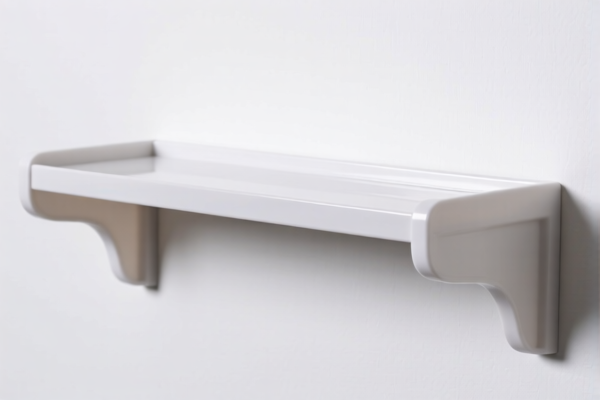
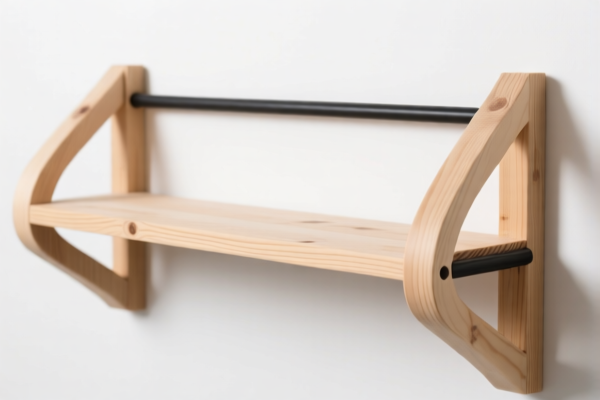
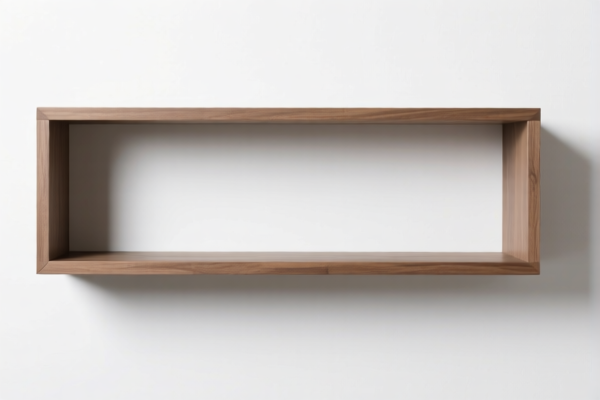
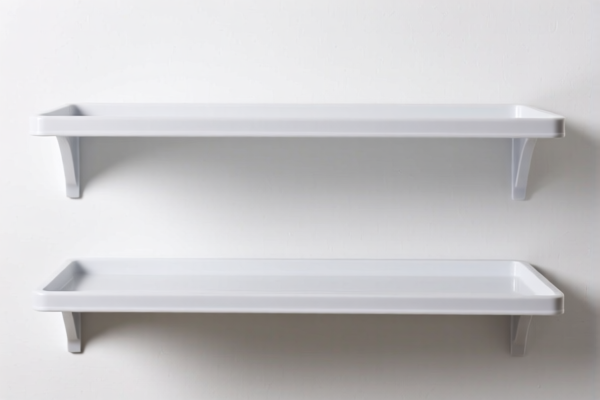
AI Analysis
🏠 Kitchen Shelf (Kitchen Storage & Organizers)
🌐 HS Code Reference & Customs Clearance Guide | 2024/2026 Latest Tariff Analysis | Professional Classification Strategy
📌 I. Product Definition & Classification: Do You Really Understand “Kitchen Shelves”?
A "Kitchen Shelf" is a broad term in international trade. It does not refer to a single specific commodity but rather a category of storage units used in domestic environments. The correct HS Code classification depends entirely on two critical factors: 1. Material: Is it made of metal (iron/steel), wood/bamboo, or plastic? 2. Specific Use/Design: Is it a general storage rack, a food-contact utensil holder, or a structural bracket?
Misclassification is highly risky because the tariff rates vary drastically (from 13.2% to 88.4%) depending on the material.
⚠️ Key Distinction Points:
- If the primary material is Iron or Steel →归入 Chapter 73 (Articles of Iron or Steel).
- If the primary material is Wood or Bamboo → 归入 Chapter 44 (Wood and Articles of Wood).
- If the primary material is Plastic → 归入 Chapter 39 (Articles of Plastic).
📦 II. HS Code Classification Details (Based on Provided Data)
The following classifications are derived strictly from the provided dataset, covering the three main material categories for kitchen shelves/racks.
| HS Code | Material Focus | Classification Summary | Total Tax Rate | Key Tax Components |
|---|---|---|---|---|
7323.99.90.80 |
Iron/Steel | Based on kitchen use & iron/steel material inference | 88.4% | Base: 3.4%, Sec. 301: 25%, 232 Tariff: 50% |
7323.99.90.30 |
Iron/Steel | Based on food contact use & metal material | 88.4% | Base: 3.4%, Sec. 301: 25%, 232 Tariff: 50% |
4420.11.00.10 |
Wood/Bamboo | Based on kitchen use & wooden/bamboo bracket form | 13.2% | Base: 3.2%, Sec. 301: 0%, Other: 10% |
4420.11.00.30 |
Wood/Bamboo | Based on tableware accessory use & wooden/bamboo material | 13.2% | Base: 3.2%, Sec. 301: 0%, Other: 10% |
3924.90.56.50 |
Plastic | Based on kitchen utility & plastic "catch-all" nature | 20.9% | Base: 3.4%, Sec. 301: 7.5%, Other: 10% |
🔍 Critical Note:
- Metal Shelves (7323...) attract the highest tariffs due to the combination of Base Tariff, Section 301 Tariffs (25%), and Section 232 Tariffs (50% for steel/aluminum/copper products).
- Wooden/Bamboo Shelves (4420...) are the most tax-efficient option, avoiding Section 301 tariffs.
- Plastic Shelves (3924...) fall into an intermediate category with moderate Section 301 exposure.
💰 III. 2024/2026 Latest Tariff Rate Breakdown (Detailed Explanation)
✅ Applicable Country: United States (US)
✅ Origin: China (CN)
✅ Effective Date: Current applicable rates as per provided data
🎯 1. 7323.99.90.80 & 7323.99.90.30 — Iron/Steel Kitchen Shelving (High Risk)
| Item | Detail |
|---|---|
| Basic Tariff | 3.4% |
| Section 301 Tariff | +25.0% (Trade Remedy Tariffs) |
| Section 232 Tariff | +50.0% (Steel, Aluminum, Copper Products) |
| Total Tariff Rate | 88.4% |
| Calculation Basis | CIF Value × 88.4% |
| Legal Basis Path | HTSUS 7323.99.90 → IEEPA Footnotes (Sec. 301) + USITC Sec. 232 Decisions |
📌 Explanation:
- This is the most expensive classification.
- The 50% Section 232 Tariff applies specifically to steel and aluminum products, which significantly impacts kitchenware made of iron or steel.
- Combined with the 25% Section 301 tariff, the total burden is nearly doubling the product cost.
🎯 2. 4420.11.00.10 & 4420.11.00.30 — Wood/Bamboo Shelving (Cost-Efficient)
| Item | Detail |
|---|---|
| Basic Tariff | 3.2% |
| Section 301 Tariff | 0.0% (Exempt or Not Applied in this specific subheading context) |
| Other Add-ons | +10.0% (General trade or specific policy add-on) |
| Total Tariff Rate | 13.2% |
| Calculation Basis | CIF Value × 13.2% |
| Legal Basis Path | HTSUS 4420.11 → General Customs Duties |
📌 Explanation:
- Wooden and bamboo kitchen accessories often benefit from lower geopolitical tariff pressures.
- The absence of the 25% Section 301 tariff makes this a highly competitive classification for importers.
🎯 3. 3924.90.56.50 — Plastic Kitchen Shelving (Moderate)
| Item | Detail |
|---|---|
| Basic Tariff | 3.4% |
| Section 301 Tariff | +7.5% |
| Other Add-ons | +10.0% |
| Total Tariff Rate | 20.9% |
| Calculation Basis | CIF Value × 20.9% |
| Legal Basis Path | HTSUS 3924.90 → IEEPA Footnotes (Sec. 301 partial application) |
📌 Explanation:
- Plastic goods are generally subject to Section 301 tariffs, but the rate here is lower (7.5%) compared to steel (25%).
- This makes plastic shelves a mid-range cost option.
🛠️ IV. Customs Clearance Practical Advice (Pitfall Avoidance Guide)
✅ 1. Material Verification is Critical
| Scenario | Correct Classification | Risk if Incorrect |
|---|---|---|
| Metal Rack (Iron/Steel) | 7323.99.90.80 or .30 |
Under-declaration penalty + Back taxes (~88.4%) |
| Wooden Rack | 4420.11.00.10 |
If misclassified as metal, tax jumps to 88.4% |
| Plastic Rack | 3924.90.56.50 |
If misclassified as wood, tax drops to 13.2% (Underpayment Risk) |
| Mixed Material | Main Material Rule | Must declare the component giving the "essential character" |
💡 Pro Tip:
- If a shelf has a wooden frame with metal brackets, determine which material provides the essential character. Usually, the structural frame (wood) dictates the classification unless the metal parts are significant in cost/visibility. - If a shelf has metal racks with plastic baskets, the classification depends on the primary structure.
✅ 2. Documentation Requirements
| Document | Requirement | Notes |
|---|---|---|
| Commercial Invoice | Must state "Kitchen Shelf" + Material | Do not use vague terms like "Storage Unit" |
| Product Photos | Clear view of material texture | To prove it is wood, metal, or plastic |
| Material Declaration | Explicitly state % of materials | e.g., "Frame: Bamboo, Hooks: Stainless Steel" |
| Bill of Lading | Match invoice description | Consistency is key for CBP audits |
✅ 3. Special Considerations for "Food Contact" Items
- If the shelf is used to hold food directly (e.g., a spice rack or plate dryer), customs may scrutinize it under food contact regulations (FDA compliance in the US).
- While HS Code
7323.99.90.30mentions "food contact use," the tariff rate remains 88.4%. Ensure you have FDA registration or compliance certificates to avoid detention at the border.
🌍 V. Global Market Comparison (General Insight)
| Market | Likely HS Code | Est. Tariff | Note |
|---|---|---|---|
| USA | 7323 / 4420 / 3924 |
13.2% - 88.4% | High Section 301/232 impact |
| EU | Varies by Material | 0% - 6.5% | No Section 301; stricter REACH/FDA |
| China | Varies by Material | 0% - 10% | Import duties on finished goods |
📌 Conclusion:
- The US market is the most challenging due to the layered tariffs on steel (Section 232 + 301).
- For exporters targeting the US, Wood/Bamboo (4420) or Plastic (3924) shelves offer significantly better profit margins than Steel (7323).
📌 VI. Common Mistakes & Pitfalls (Lessons Learned)
❌ Mistake 1: Declaring a Steel Shelf as "Wood" to avoid 88.4% tax
👉 Consequence: Customs inspection reveals steel texture → Confiscation + Heavy Fines.
❌ Mistake 2: Ignoring the "Essential Character" of mixed-material shelves
👉 Consequence: If you declare a bamboo shelf with steel hooks as 4420, but the steel is the main value driver, CBP may reclassify it to 7323 → Back Taxes + Interest.
❌ Mistake 3: Using generic terms like "Shelf" without material specification
👉 Consequence: CBP may apply the highest dutiable rate by default or hold the cargo for classification review → Delays.
✅ Correct Approach:
"Wooden Kitchen Shelf with Metal Hooks, Bamboo Frame, Plastic Baskets, Model XYZ, Designed for Dish Storage"
🎯 VII. Conclusion: Professional Declaration, Cost Optimization
🎯 Remember the Golden Rules:
🔹 "Material Determines Code, Code Determines Cost!"
🔹 "Steel is Expensive (88.4%), Wood is Smart (13.2%), Plastic is Balanced (20.9%)."
🔹 "Declare Accurately to Avoid Seizures and Back Taxes!"
📌 Small Tip:
If you are manufacturing Metal Shelves, consider shifting production to countries not subject to Section 232 or 301 tariffs, or re-engineering the product to use Bamboo/Wood as the primary structural material to reduce duties from 88.4% to 13.2%.
📣 Immediate Action:
📞 Consult a Licensed Customs Broker before shipping.
📦 Provide Material Breakdown in your commercial invoice.
🚀 Optimize Your Supply Chain to align with the most favorable HS Code for your product.
✨ Professional Clearance Starts with Accurate Classification!
💼 Every Percentage Point of Tariff Impacts Your Bottom Line!
Customer Reviews
About HS Code Classification
The Harmonized System (HS) is an internationally standardized nomenclature developed by the World Customs Organization (WCO) to classify traded products. Over 200 countries use the HS system as the basis for customs tariffs, trade statistics, and import/export regulations.
Each HS code follows a hierarchical structure:
- Chapter (2 digits) — Broad category of goods (e.g., Chapter 84: Machinery and Mechanical Appliances)
- Heading (4 digits) — More specific grouping within the chapter
- Subheading (6 digits) — Internationally standardized breakdown, used by all WCO member countries
- National subdivisions (8-10 digits) — Country-specific extensions for further classification, such as US HTSUS 10-digit codes
Correct HS code classification is essential for smooth customs clearance, accurate duty payment, and compliance with trade regulations. Misclassification can lead to customs delays, overpayment of duties, or penalties.
When importing from CN to US, the applicable tariff rates may include:
- Most-Favored-Nation (MFN) rate — The standard duty rate applied to WTO members
- General rate — Applied to countries without trade agreements
- Trade remedy duties — Additional tariffs such as Section 301 (anti-dumping), Section 232 (national security), or countervailing duties
The information provided on this page is for reference purposes only. For official classification, please consult with your local customs authority or a licensed customs broker.