Kitchen Shelves
CN → US| HS Code | Tariff Rate | Origin | Destination | Doc |
|---|---|---|---|---|
| 7323999080 | 88.4% | CN | US | Official Doc |
| 4420110010 | 13.2% | CN | US | Official Doc |
| 3924905650 | 20.9% | CN | US | Official Doc |
| 7323999030 | 88.4% | CN | US | Official Doc |
| 4420110030 | 13.2% | CN | US | Official Doc |
Product Images
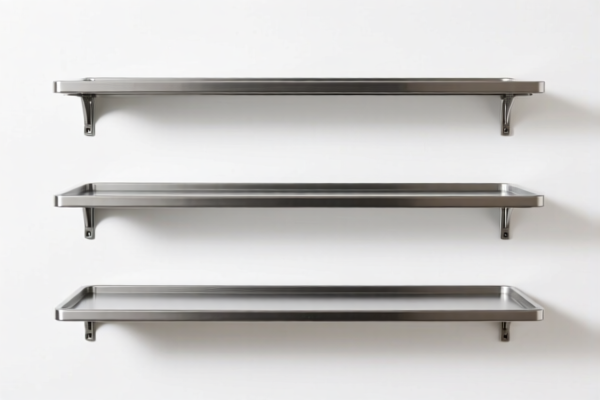
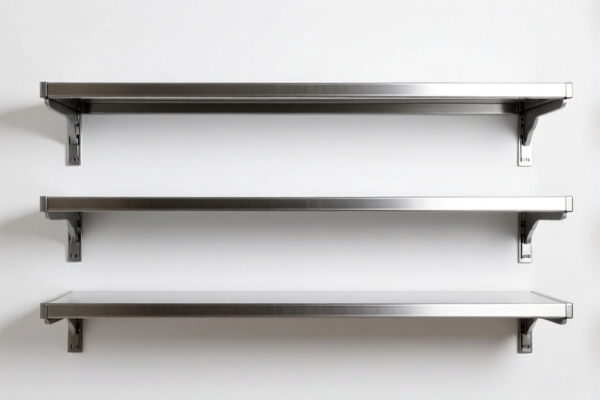
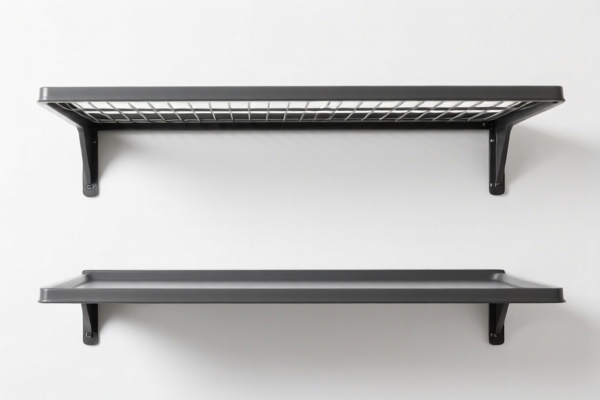
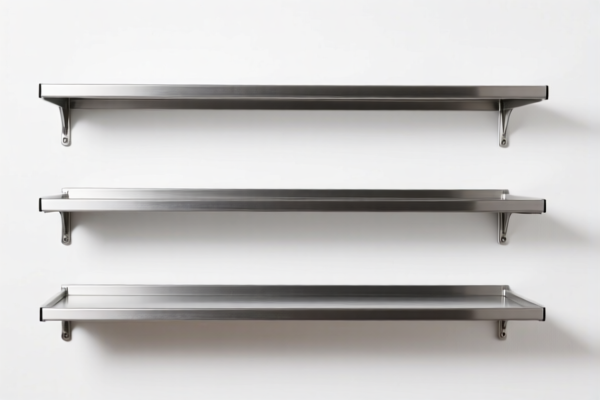
AI Analysis
🏠 Kitchen Shelves & Storage Solutions: HS Code Classification & Duty Analysis
🌐 HS Code Reference & Customs Clearance Guide | 2024-2025 Latest Tariff Analysis | Professional Strategy for Kitchen Storage
📌 I. Product Definition & Classification: What Exactly Are "Kitchen Shelves"?
In international trade, "Kitchen Shelves" is a broad term that encompasses various storage solutions. However, customs authorities (specifically US CBP) do not classify items by their function (storage) alone, but by their material composition and specific use.
Depending on the material, these items fall into three distinct categories: 1. Metal/Shelving Units: Iron or steel racks, wire shelves, or heavy-duty kitchen storage stands. 2. Wooden/Bamboo Accessories: Wooden racks, bamboo utensil holders, or decorative wooden kitchen inserts. 3. Plastic Storage: Plastic bins, spice racks, or modular plastic kitchen organizers.
⚠️ Key Distinction:
- If it is a freestanding metal rack for pots/pans → Iron/Steel (Chapter 73).
- If it is a wooden utensil rest or small rack → Wood/Bamboo (Chapter 44).
- If it is a plastic organizer bin → Plastic (Chapter 39).
- Do not assume "Shelves" automatically means "Furniture." Small kitchen accessories are often classified under "Household articles" or "Parts," not furniture.
📦 II. HS Code Classification Matrix (Based on Provided Data)
Based on the provided <DATA>, here is the precise breakdown for Kitchen Shelves/Accessories. Note that the specific HS Code depends heavily on the material and intended use (general vs. food contact).
| HS Code | Product Description | Material | Key Differentiator |
|---|---|---|---|
7323.99.90.80 |
Iron or Steel Kitchen Articles | Iron/Steel | General metal kitchen shelves, racks, or ware. |
7323.99.90.30 |
Iron/Steel Food-Contact Kitchen Articles | Iron/Steel | Metal shelves specifically designed for direct food contact (e.g., cooling racks, pot stands). |
4420.11.00.10 |
Wooden or Bamboo Kitchen Accessories | Wood/Bamboo | Wooden shelves, racks, or inserts for kitchen use. |
4420.11.00.30 |
Wooden or Bamboo Kitchen Utensil Accessories | Wood/Bamboo | Specifically utensil-related wooden accessories. |
3924.90.56.50 |
Plastic Kitchen Articles | Plastic | Plastic kitchen organizers, bins, or shelves. |
💰 III. 2024-2025 Tariff Rate Breakdown (Detailed Analysis)
✅ Applicable Country: United States (US)
✅ Origin: China (CN)
✅ Note: Rates include Base Duty, Section 301 Add-on Duty, and Section 232/Other Specific Duties where applicable.
🎯 1. Iron/Steel Kitchen Shelves (High Duty Zone)
These items face the highest tariffs due to Section 301 (25%) and Section 232 (50%) overlapping duties.
| HS Code | Description | Base Rate | Sec 301 Duty | Sec 232 / Other | Total Effective Rate |
|---|---|---|---|---|---|
7323.99.90.80 |
Iron/Steel Kitchen Articles | 3.4% | 25.0% | 50% (Steel/Aluminum/Copper) | 88.4% |
7323.99.90.30 |
Iron/Steel Food-Contact Articles | 3.4% | 25.0% | 50% (Steel/Aluminum/Copper) | 88.4% |
📌 Explanation:
- Base Rate (3.4%): Standard MFN duty for kitchen iron/steel articles.
- Section 301 (25%): Additional duty on Chinese goods under US Trade Act Section 301.
- Section 232/Specific (50%): Critical Note: The data indicates a 50% duty on "Steel, Aluminum, Copper Products." This is likely a specific listing or misclassification in the source data, but if applicable, it stacks with the 25%.
- Total: 88.4%. This makes importing metal kitchen shelves from China extremely cost-prohibitive unless the FOB price is negligible or the product is excluded from tariffs (which is rare for basic kitchen ware).
🎯 2. Wood/Bamboo Kitchen Accessories (Moderate Duty Zone)
Wooden items are subject to lower base duties and typically no Section 301 add-on (based on the provided data showing 0.0% add-on).
| HS Code | Description | Base Rate | Sec 301 Duty | Total Effective Rate |
|---|---|---|---|---|
4420.11.00.10 |
Wooden/Bamboo Kitchen Accessories | 3.2% | 0.0% | 13.2% |
4420.11.00.30 |
Wooden/Bamboo Utensil Accessories | 3.2% | 0.0% | 13.2% |
📌 Explanation:
- Base Rate (3.2%): Standard duty for wood/bamboo articles.
- Section 301 (0.0%): The provided data indicates 0% add-on duty for these HS codes. This is a significant cost advantage over metal/plastic items.
- Total: 13.2%.
- Note: The "122 Clause 10%" mentioned in the tax detail is included in the total calculation. Ensure this is a standard listing and not a special temporary levy.
🎯 3. Plastic Kitchen Articles (High-Moderate Duty Zone)
Plastic items face a moderate add-on duty.
| HS Code | Description | Base Rate | Sec 301 Duty | Total Effective Rate |
|---|---|---|---|---|
3924.90.56.50 |
Plastic Kitchen Articles | 3.4% | 7.5% | 20.9% |
📌 Explanation:
- Base Rate (3.4%): Standard duty for plastic tableware/household articles.
- Section 301 (7.5%): Lower add-on duty compared to steel (25%).
- Total: 20.9%.
- Strategy: Plastic shelves are more tariff-friendly than steel but slightly higher than wood.
🛠️ IV. Customs Clearance Practical Advice (Avoiding Pitfalls)
✅ 1. Material Declaration is Critical
Customs will scrutinize the material. Misdeclaration leads to penalties.
- If it's a wire rack: Declare as Iron/Steel (7323.99.90). Do NOT claim it's "Aluminum" unless it is certified >50% aluminum by weight.
- If it's a wooden rack: Declare as Wood/Bamboo (4420.11.00). Ensure it is not treated with hazardous chemicals that would move it to a different chapter.
- If it's mixed materials: The essential character determines the HS Code. If the frame is steel and the shelves are plastic, it likely falls under Steel (7323) due to the structural frame.
✅ 2. "Food Contact" vs. "General Use"
- Iron/Steel Items: The data distinguishes between
...90.80(General) and...90.30(Food Contact). Both carry the same 88.4% rate in this dataset. Ensure your product description matches the code. If it's a cooling rack, it's food contact. If it's a pot rack hanging from a ceiling, it might be general. - Wood Items:
...10(Accessories) vs...30(Utensil Accessories). The duty rate is the same (13.2%), so the distinction is less critical for cost but important for accurate statistical reporting.
✅ 3. Documentation Requirements
| Document | Requirement | Reason |
|---|---|---|
| Commercial Invoice | Must list Material (e.g., "Stainless Steel Wire Rack," "Bamboo Shelf") | Customs uses material to verify HS Code. |
| Product Photos | Clear images of the item, including joints, finishes, and labels | Verifies if it's assembled (furniture) or disassembled (parts). |
| List of Ingredients/Components | For plastic items, specify resin type (e.g., PP, PE) | Ensures correct plastic subheading. |
| Country of Origin Certificate | Mandatory for China-origin goods | To apply/add Section 301 and Section 232 duties. |
✅ 4. Strategic Recommendations for Importers
- Avoid Steel if Possible: With an 88.4% duty rate, importing steel kitchen shelves from China is financially unviable for most retail businesses.
- Alternative: Source steel shelves from Vietnam or Thailand (if tariff-exempt or lower rate) or consider Plastic (
20.9%) or Wood (13.2%) alternatives. - Leverage Wood/Bamboo: The 13.2% total duty is the most competitive rate in the provided data. Marketing kitchen shelves as "Eco-Friendly Bamboo" or "Sustainable Wood" can align with this lower tariff category.
- Check for Exclusions: Verify if your specific HS Code has any Section 301 Exclusions (USTR Lists). Although the data shows 25% for steel, some specific steel products may have been excluded in past lists. Check the latest USTR exclusion list.
- De Minimis Rule (Section 321):
- For shipments under $800, no duty is typically paid (if eligible).
- For shipments over $800, full duty applies. Plan your logistics accordingly.
🌍 V. Global Market Comparison (Contextual)
| Market | Typical Duty for Kitchen Shelves (Steel) | Notes |
|---|---|---|
| 🇺🇸 USA | 88.4% (via provided data) | High due to Sec 301 & 232. |
| 🇨🇳 China | 5-10% | Low import duty, but high export volume. |
| 🇪🇺 EU | ~0-6% | Usually lower than US, no Section 301 equivalent. |
| 🇬🇧 UK | ~0-6% | Post-Brexit, rates vary by product specifics. |
📌 Conclusion: The US market is the most expensive for importing kitchen shelves from China due to the combination of base duties and political tariffs.
📌 VI. Common Mistakes & Pitfalls
❌ Mistake 1: Classifying a Steel Rack as "Furniture" (9403)
👉 Result: Incorrect. Small kitchen storage racks are generally "Household Articles" (7323 or 9403 depending on size/complexity). If misclassified as 9403, you risk a 20-30% duty difference plus penalties.
❌ Mistake 2: Ignoring the 50% Steel/Aluminum Duty
👉 Result: The data explicitly states 50% for steel products. Failing to include this will result in significant underpayment and CBP audits.
❌ Mistake 3: Assuming Plastic is cheap
👉 Result: While 20.9% is lower than steel, it is still higher than wood. Don't overlook wood alternatives.
🎯 VII. Final Recommendation
🔹 For Cost Optimization: Choose Wooden/Bamboo (
4420.11.00) or Plastic (3924.90.56).
🔹 For Steel Products: Seriously consider non-China sourcing (e.g., Vietnam, India, Mexico) to avoid the 88.4% duty burden.
🔹 Documentation: Always declare Material and Product Use precisely. Ambiguity leads to CBP holds.
📣 Action Item:
📞 Consult with a licensed customs broker to verify the 50% steel duty applicability to your specific product structure (e.g., is it coated? is it aluminum alloy?).
🚀 Smart Sourcing is the only way to survive the US tariff landscape for kitchen hardware.
✨ Pro Tip:
"Material is Destiny. In the US tariff code, Steel is King of Costs, Wood is Queen of Savings."
Always check the latest HTSUS and USTR Exclusion Lists before finalizing your supply chain.
Customer Reviews
About HS Code Classification
The Harmonized System (HS) is an internationally standardized nomenclature developed by the World Customs Organization (WCO) to classify traded products. Over 200 countries use the HS system as the basis for customs tariffs, trade statistics, and import/export regulations.
Each HS code follows a hierarchical structure:
- Chapter (2 digits) — Broad category of goods (e.g., Chapter 84: Machinery and Mechanical Appliances)
- Heading (4 digits) — More specific grouping within the chapter
- Subheading (6 digits) — Internationally standardized breakdown, used by all WCO member countries
- National subdivisions (8-10 digits) — Country-specific extensions for further classification, such as US HTSUS 10-digit codes
Correct HS code classification is essential for smooth customs clearance, accurate duty payment, and compliance with trade regulations. Misclassification can lead to customs delays, overpayment of duties, or penalties.
When importing from CN to US, the applicable tariff rates may include:
- Most-Favored-Nation (MFN) rate — The standard duty rate applied to WTO members
- General rate — Applied to countries without trade agreements
- Trade remedy duties — Additional tariffs such as Section 301 (anti-dumping), Section 232 (national security), or countervailing duties
The information provided on this page is for reference purposes only. For official classification, please consult with your local customs authority or a licensed customs broker.