Kitchen Sink
CN → US| HS Code | Tariff Rate | Origin | Destination | Doc |
|---|---|---|---|---|
| 3922900000 | 41.3% | CN | US | Official Doc |
| 6910100030 | 15.8% | CN | US | Official Doc |
| 6910900000 | 23.2% | CN | US | Official Doc |
| 3922100000 | 23.8% | CN | US | Official Doc |
| 7324100050 | 88.4% | CN | US | Official Doc |
| 7324100010 | 88.4% | CN | US | Official Doc |
Product Images
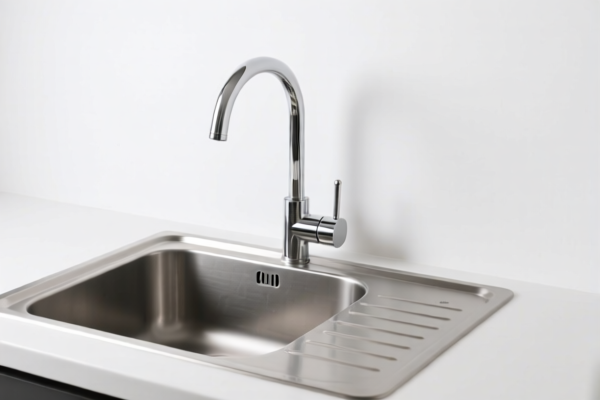
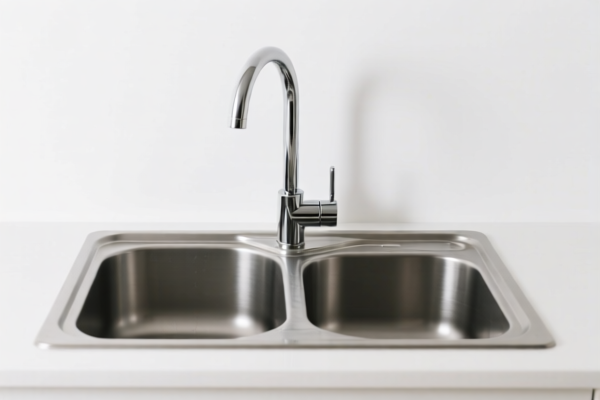
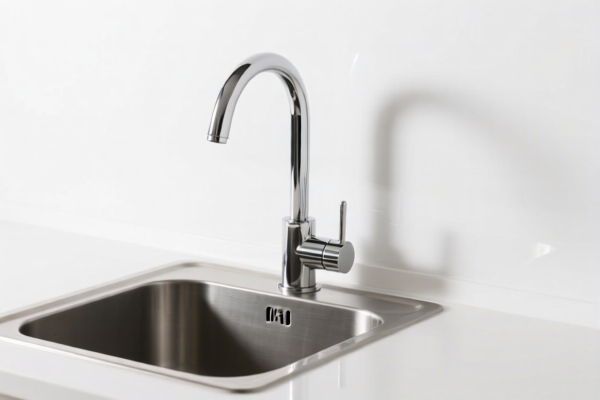
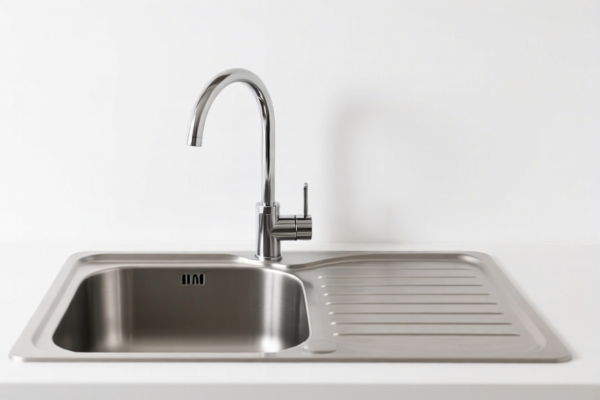
AI Analysis
🚿 Kitchen Sink (Basins & Sinks for Kitchens)
🌐 HS Code Reference & Customs Clearance Guide | 2026 Latest Tariff Analysis | Professional Clearance Strategy
📌 I. Product Definition & Classification: Do You Know Your "Kitchen Sink"?
A Kitchen Sink is a fundamental plumbing fixture used for washing dishes, food preparation, and general household cleaning. In international trade, its classification depends primarily on material composition and manufacturing form:
- Ceramic Sinks: Made from clay or porcelain products.
- Plastic Sinks: Made from synthetic polymers (e.g., PP, ABS).
- Metal/Steel Sinks: Made from stainless steel or other metal alloys.
⚠️ Critical Classification Point:
- Material dictates the HS Code: Ceramic falls under Chapter 69, Plastic under Chapter 39, and Metal under Chapter 73.
- Function is secondary: All are classified based on their material and use as "sinks" or "washing basins."
📦 II. Detailed HS Code Breakdown (2026 Tariff Reference)
Based on the provided data, here is the authoritative classification for Kitchen Sinks:
| HS Code | Material Type | Product Description & Logic | Tax Detail (Total) |
|---|---|---|---|
| 6910.90.00.00 | Ceramic | Ceramic Kitchen Sink. Matches usage as a sink; fits the "other" category fallback principle. | 23.2% Base: 5.7% + Add'l: 7.5% + Sec 122: 10% |
| 3922.10.00.00 | Plastic | Plastic Kitchen Sink. Matches usage and form; fits the specific classification description. | 23.8% Base: 6.3% + Add'l: 7.5% + Sec 122: 10% |
| 7324.10.00.50 | Stainless Steel | Stainless Steel Kitchen Sink. Matches form and usage; fits the "sink" classification. | 88.4% Base: 3.4% + Add'l: 25% + Sec 122: 10% + Steel/Al/Cu Surcharge: 50% |
| 7324.10.00.10 | Metal (General) | Metal Kitchen Sink. Matches usage (sink/washing basin) and product form. | 88.4% Base: 3.4% + Add'l: 25% + Sec 122: 10% + Steel/Al/Cu Surcharge: 50% |
| 3922.90.00.00 | Plastic | Plastic Kitchen Sink. Usage matches; material fits logical inference (non-standard plastic). | 41.3% Base: 6.3% + Add'l: 25% + Sec 122: 10% |
| 6910.10.00.30 | Ceramic | Ceramic/Similar Material Sink. Usage matches; no classification conflict. | 15.8% Base: 5.8% + Add'l: 0% + Sec 122: 10% |
🔍 Key Insight:
- Ceramic Sinks generally enjoy lower tariffs (15.8% - 23.2%), with one variant (6910.10.00.30) having 0% additional tax on top of the base.
- Plastic Sinks vary significantly: Standard plastic (3922.10.00.00) is taxed at 23.8%, while "other" plastics (3922.90.00.00) jump to 41.3% due to higher additional duties.
- Metal/Steel Sinks face the highest burden at 88.4%. This is due to the combination of Base Tariff + 25% Additional Tariff + 10% Section 122 Tariff + a staggering 50% surcharge on steel/aluminum/copper products.
💰 III. 2026 Tariff Rate Deep Dive (Including附加 Taxes)
✅ Origin: China (CN)
✅ Target Market: United States (US)
✅ Effective Date: Current 2025-2026 Trade Policies (Section 301 & 122)
🎯 1. Ceramic Sinks (6910.90.00.00 & 6910.10.00.30)
- The "Best Case" Scenario:
- Total Tax: 15.8% - 23.2%
- Breakdown: Base Tariff (5.7%-5.8%) + Section 122 (10%) + Optional Add'l (0% or 7.5%).
- Why: Ceramic is often categorized under "Sanitary Ware" with relatively favorable base rates compared to metals.
- 💡 Pro Tip: Try to classify under
6910.10.00.30if possible to eliminate the 7.5% "Additional Tariff," saving 7.5% on the total cost.
🎯 2. Plastic Sinks (3922.10.00.00 & 3922.90.00.00)
- The "Variable Cost" Scenario:
- Standard Plastic (
3922.10.00.00): 23.8% (Base 6.3% + Add'l 7.5% + Sec 122 10%). - "Other" Plastic (
3922.90.00.00): 41.3% (Base 6.3% + Add'l 25% + Sec 122 10%). - Why: The 25% additional tariff on "other" plastics significantly increases costs. Ensure your product description matches
3922.10.00.00(specific plastic basins) rather than the generic3922.90.00.00.
- Standard Plastic (
🎯 3. Metal/Steel Sinks (7324.10.00.50 & 7324.10.00.10)
- The "High Risk" Scenario:
- Total Tax: 88.4%
- Breakdown:
- Base Tariff: 3.4%
- Additional Tariff: 25.0% (Section 301)
- Section 122 Tariff: 10.0%
- Steel/Al/Cu Surcharge: 50.0% (Critical Penalty)
- Why: This is the most punitive category. The 50% surcharge on steel, aluminum, and copper products is the primary driver of the 88.4% rate.
- 💡 Pro Tip: This is nearly an import ban on pure steel sinks from China due to the 88.4% rate. Consider sourcing finished sinks from non-China origins (e.g., Vietnam, Mexico) to avoid the 50% surcharge if the steel was sourced from China but finished elsewhere.
🛠️ IV. Customs Clearance Action Plan (Avoid Pitfalls)
✅ 1. Preparation Checklist (Essential Documents)
| Document | Requirement | Purpose |
|---|---|---|
| Material Declaration | ✅ Mandatory | Crucial: Must explicitly state "100% Ceramic," "Stainless Steel 304," or "PP Plastic." Ambiguity leads to misclassification. |
| Technical Spec Sheet | ✅ Mandatory | Shows form (undermount, drop-in), dimensions, and mounting type to match "Sink" definition. |
| Product Photos | ✅ Mandatory | Clear images of the sink, especially the rim, drain, and material texture. |
| Bill of Materials (BOM) | ✅ Recommended | To prove the primary material composition (e.g., if a steel sink has a plastic coating, declare the base material). |
| Commercial Invoice | ✅ Mandatory | Must clearly state "Kitchen Sink" and not generic terms like "Plumbing Fixture." |
✅ 2. Declaration Strategy (The "Golden Rules")
🔥 Rule #1: "Material First, Form Second!"
Do not declare a "Stainless Steel Sink" as "Metal Wash Basin" if it doesn't fit the specific steel category. Be precise.
| Scenario | Correct HS Code | Incorrect HS Code | Consequence |
|---|---|---|---|
| Stainless Steel Sink | 7324.10.00.50 |
7324.10.00.10 (if 50 is specific) OR 7324.10.00.10 (if 50 is not) |
Risk of 50% Surcharge application if not specific. |
| Ceramic Sink | 6910.10.00.30 |
6910.90.00.00 |
Pay 7.5% extra tax unnecessarily. |
| Plastic Sink (Standard) | 3922.10.00.00 |
3922.90.00.00 |
Pay 17.5% extra tax (25% vs 7.5% add'l). |
| Composite Sink | Case-by-Case | Assume "Metal" | Customs may classify as the dominant material, likely triggering the 88.4% rate. |
✅ 3. Special Handling for Metal Sinks
- The 50% Surcharge Trap: If the sink is stainless steel, aluminum, or copper, the 50% additional tariff applies.
- Mitigation Strategy:
- Origin Change: If the sink is finished in a country with a Free Trade Agreement (FTA) or non-China origin, the surcharge may be avoided.
- Material Composition: If the sink is "coated" but the core is not steel, verify the classification with a ruling. However, "Stainless Steel" is clear-cut.
🌍 V. Market Comparison & Strategy
| Material | Avg. Total Tax | Strategy |
|---|---|---|
| Ceramic | ~15.8% - 23.2% | Best Choice. Low risk, high margin potential. Prioritize 6910.10.00.30. |
| Plastic | 23.8% - 41.3% | Moderate Risk. Ensure specific HS Code 3922.10.00.00 is used. |
| Steel/Metal | 88.4% | High Risk / Prohibitively Expensive. Only viable if the product price is high or if sourced from non-China. |
📌 Conclusion:
Metal sinks from China are effectively non-viable for direct export to the US under current 2026 tariffs due to the 88.4% total tax.
Ceramic and Plastic sinks remain competitive, provided the correct sub-heading is used to avoid the higher "additional" tariffs.
📌 VI. Common Mistakes & Avoidance Guide
❌ Mistake 1: Calling it "Basin" instead of "Sink"
👉 Result: Customs may flag it as a generic "washing basin" under a different code, leading to delays.
✅ Fix: Always use "Kitchen Sink" in the commercial description.
❌ Mistake 2: Ignoring the "50% Steel Surcharge"
👉 Result: You budget for 15% tax but get hit with 88% → Cash flow crisis.
✅ Fix: Always verify if the product contains steel, aluminum, or copper before quoting.
❌ Mistake 3: Misclassifying Plastic Type
👉 Result: Using 3922.90.00.00 (Other) instead of 3922.10.00.00 (Standard) adds 17.5% to your cost.
✅ Fix: Check the specific plastic type; if it's a standard basin, use the specific code.
🎯 VII. Final Verdict: Strategic Recommendations
- Prioritize Ceramic: If you have flexibility in product design, switch to Ceramic Sinks (
6910.10.00.30). The tax burden is the lowest (15.8%) and the market demand is stable. - Audit Plastic Inventory: Ensure all plastic sinks are declared under
3922.10.00.00. Do not let them fall into the "Other" category. - Re-evaluate Steel Imports: If you import stainless steel sinks, halt direct imports from China immediately. Consider:
- Third-Party Assembly: Finish the sinks in Vietnam or Mexico (avoiding the 50% surcharge).
- Price Adjustment: Pass the 88.4% tax to the consumer (not recommended for mass market).
- Alternative Materials: Switch to "Stainless Steel Coated" or "Composite" materials if they fall under a different classification (consult a specialist).
📣 Immediate Action Item:
📞 Contact your Freight Forwarder to confirm the exact material composition of your stock.
🚀 Request a Binding Ruling if you have composite sinks (Steel + Plastic + Ceramic) to avoid the 88.4% penalty.
✨ Smart Trade, Smart Tariffs!
💼 Don't let a 70% tax gap erase your profit margin!
Customer Reviews
About HS Code Classification
The Harmonized System (HS) is an internationally standardized nomenclature developed by the World Customs Organization (WCO) to classify traded products. Over 200 countries use the HS system as the basis for customs tariffs, trade statistics, and import/export regulations.
Each HS code follows a hierarchical structure:
- Chapter (2 digits) — Broad category of goods (e.g., Chapter 84: Machinery and Mechanical Appliances)
- Heading (4 digits) — More specific grouping within the chapter
- Subheading (6 digits) — Internationally standardized breakdown, used by all WCO member countries
- National subdivisions (8-10 digits) — Country-specific extensions for further classification, such as US HTSUS 10-digit codes
Correct HS code classification is essential for smooth customs clearance, accurate duty payment, and compliance with trade regulations. Misclassification can lead to customs delays, overpayment of duties, or penalties.
When importing from CN to US, the applicable tariff rates may include:
- Most-Favored-Nation (MFN) rate — The standard duty rate applied to WTO members
- General rate — Applied to countries without trade agreements
- Trade remedy duties — Additional tariffs such as Section 301 (anti-dumping), Section 232 (national security), or countervailing duties
The information provided on this page is for reference purposes only. For official classification, please consult with your local customs authority or a licensed customs broker.