Kitchen Sink Faucet
CN → US| HS Code | Tariff Rate | Origin | Destination | Doc |
|---|---|---|---|---|
| 8481801030 | 39.0% | CN | US | Official Doc |
| 8481805060 | 38.0% | CN | US | Official Doc |
| 6910900000 | 23.2% | CN | US | Official Doc |
| 3922100000 | 23.8% | CN | US | Official Doc |
| 7324100050 | 88.4% | CN | US | Official Doc |
Product Images
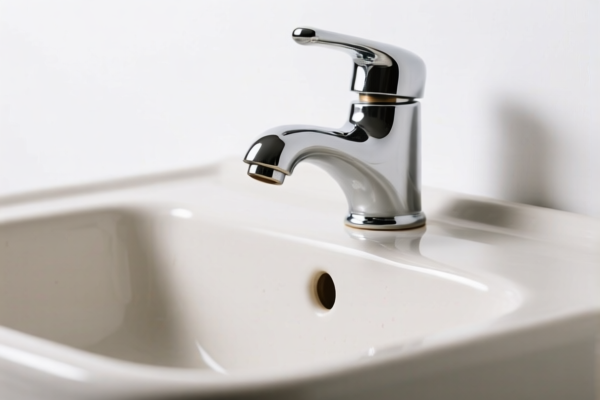
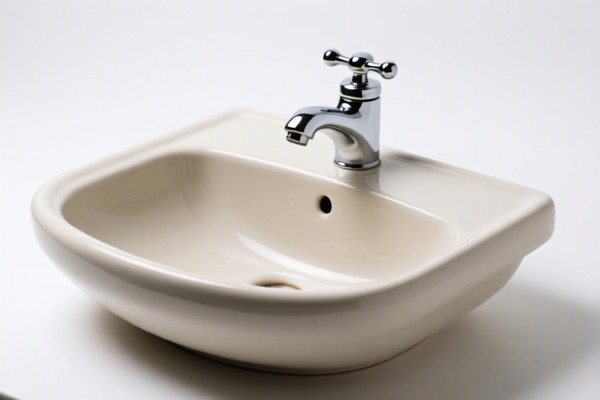
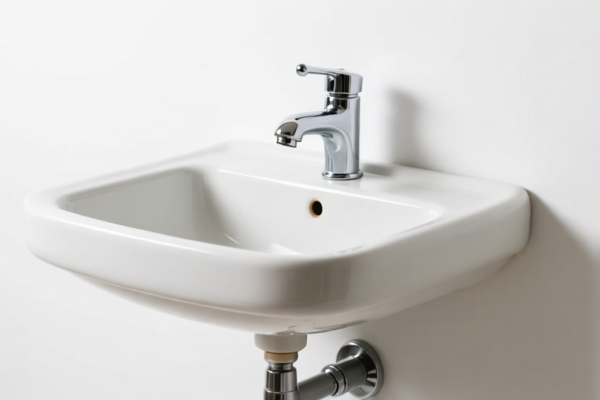
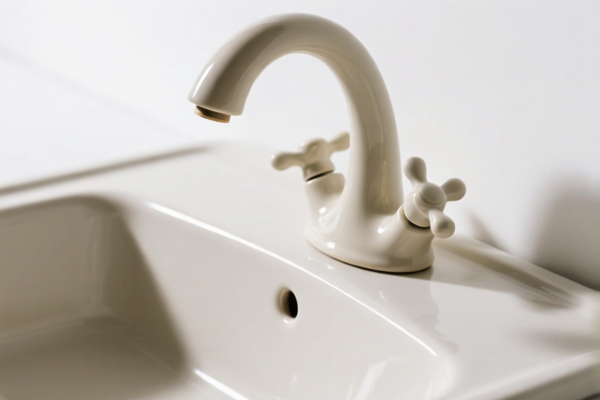
AI Analysis
🚰 Kitchen Sink Faucet (厨房水槽龙头)
🌐 HS Code Reference & Customs Clearance Guide | 2026 Latest Tariff Analysis | Professional-Level Strategy
📌 I. Product Definition & Classification: Do You Really Understand the "Kitchen Sink Faucet"?
A kitchen sink faucet is a critical plumbing fixture used to control the flow of water in a kitchen setting. In international trade, it is primarily categorized as a valve or plumbing accessory. However, the exact HS Code depends heavily on: 1. Material Composition: Metal (Stainless Steel, Brass), Plastic, or Ceramic. 2. Product Form: Is it just the faucet (valve) or the entire sink assembly? 3. Function: Purely for water flow control (Valve) vs. Structural storage (Sink).
⚠️ Key Distinction Points:
- Faucet Only (Metal/Plastic): Classified under Chapter 84 (Machinery/Valves) if metallic/plastic components dominate.
- Entire Sink (Ceramic/Plastic/Steel): Classified under Chapter 69 (Ceramics), 39 (Plastics), or 73 (Steel) depending on material.
- Mixed Assemblies: If sold together (Faucet + Sink), customs often require separate declaration for optimal duty optimization, though some may classify the whole unit based on the "essential character" (often the sink).
📦 II. HS Code Classification Details (2026 Latest Tariff Authority Comparison)
Based on the provided data, here are the specific classifications for Kitchen Sink Faucets and related sink components, with their corresponding tax structures.
| HS Code | Product Description | Material/Form | Application Scenario | Total Tax Rate* |
|---|---|---|---|---|
8481.80.10.30 |
Kitchen Sink Faucet | Metal inferred | Standard kitchen faucet, classified as a valve apparatus. | 39.0% |
8481.80.50.60 |
Kitchen Sink Faucet | Metal or Plastic | Valve/faucet accessories, device components. | 38.0% |
6910.90.00.00 |
Kitchen Sink | Ceramic | Ceramic sink, fallback category for non-metal/plastic sinks. | 23.2% |
3922.10.00.00 |
Kitchen Sink | Plastic | Plastic sink, form matches household containers. | 23.8% |
7324.10.00.50 |
Kitchen Sink | Stainless Steel | Stainless steel sink, no conflict in form/use. | 88.4% |
🔍 Critical Insight:
- Faucets vs. Sinks: Note that8481.80.xxxxrefers to Faucets (Valves), while6910,3922, and7324refer to the Sink Bowl itself.
- Material Dictates Duty: A stainless steel sink (7324) faces a much higher total tax (88.4%) compared to ceramic (23.2%) or plastic (23.8%) sinks.
- Faucet Tax Stability: Faucets fall under Chapter 84 with relatively stable high duties (38-39%) regardless of minor material variations (Metal vs. Plastic+Metal).
💰 III. 2026 Latest Tariff Rate Breakdown (Including Surtaxes & Policy Add-ons)
✅ Applicable Country: United States (US)
✅ Origin: China (CN)
✅ Effective Time: 2025/2026 Current Regulations
🎯 1. 8481.80.10.30 —— Kitchen Sink Faucet (Metal/Valve)
| Item | Detail |
|---|---|
| Base Tariff | 4.0% (Ad Valorem) |
| Additional Tariff (301) | +25.0% |
| Section 122 Tariff | +10.0% |
| Total Tax Rate | 39.0% |
| Tax Calculation | CIF Value × 39.0% |
| De Minimis Exemption | ❌ Not Available (Deemed subject to surcharges) |
| Legal Basis Path | HTSUS:8481.80.10.30 → USITC Footnote 301 → Section 122 Add-on |
📌 Explanation:
- This code is for standard metallic faucets.
- The 39% rate is significant. Importers must budget for this high duty.
- Section 122 applies specifically to certain consumer goods, adding an extra layer of cost.
🎯 2. 8481.80.50.60 —— Kitchen Sink Faucet (Valve/Accessory)
| Item | Detail |
|---|---|
| Base Tariff | 3.0% |
| Additional Tariff (301) | +25.0% |
| Section 122 Tariff | +10.0% |
| Total Tax Rate | 38.0% |
| Tax Calculation | CIF Value × 38.0% |
| De Minimis Exemption | ❌ Not Available |
| Legal Basis Path | HTSUS:8481.80.50.60 → USITC Footnote 301 → Section 122 Add-on |
📌 Note:
- Slightly lower total tax (38%) due to a lower base rate (3% vs 4%).
- Suitable for faucets with significant plastic components or classified as "parts/accessories" rather than complete valves.
🎯 3. 6910.90.00.00 —— Kitchen Sink (Ceramic)
| Item | Detail |
|---|---|
| Base Tariff | 5.7% |
| Additional Tariff (301) | +7.5% |
| Section 122 Tariff | +10.0% |
| Total Tax Rate | 23.2% |
| Tax Calculation | CIF Value × 23.2% |
| De Minimis Exemption | ❌ Not Available |
| Legal Basis Path | HTSUS:6910.90.00.00 → USITC Footnote 301 → Section 122 Add-on |
📌 Explanation:
- Ceramic sinks are significantly cheaper to import than metal ones regarding duties.
- Lower base tariff (5.7%) and lower 301 surcharge (7.5%) make this the most cost-effective option for bulk sink imports.
🎯 4. 3922.10.00.00 —— Kitchen Sink (Plastic)
| Item | Detail |
|---|---|
| Base Tariff | 6.3% |
| Additional Tariff (301) | +7.5% |
| Section 122 Tariff | +10.0% |
| Total Tax Rate | 23.8% |
| Tax Calculation | CIF Value × 23.8% |
| De Minimis Exemption | ❌ Not Available |
| Legal Basis Path | HTSUS:3922.10.00.00 → USITC Footnote 301 → Section 122 Add-on |
📌 Note:
- Plastic sinks are also low-duty (23.8%).
- Ensure the product is truly >50% plastic by weight/value to qualify for Chapter 39.
🎯 5. 7324.10.00.50 —— Kitchen Sink (Stainless Steel)
| Item | Detail |
|---|---|
| Base Tariff | 3.4% |
| Additional Tariff (301) | +25.0% |
| Section 122 Tariff | +10.0% |
| Steel/Aluminum/Copper Surtax | +50.0% |
| Total Tax Rate | 88.4% |
| Tax Calculation | CIF Value × 88.4% |
| De Minimis Exemption | ❌ Not Available |
| Legal Basis Path | HTSUS:7324.10.00.50 → USITC Footnote 301 → Section 122 → Section 232 Steel Surtax |
📌 CRITICAL WARNING:
- 88.4% is extremely high! This is due to the 50% Section 232 Surcharge on steel products.
- Avoid this code if possible unless there is no other option.
- Strategy: If selling stainless steel sinks, consider whether importing as parts or accessories (if eligible) or if the product can be classified differently. However,7324is the standard for stainless steel sinks.
🛠️ IV. Customs Clearance Operational Advice (Practical Pitfall Avoidance)
✅ 1. Documentation Checklist (Essential)
| Document | Required | Description |
|---|---|---|
| ✅ Product Specification Sheet | ✔️ | Must specify material (e.g., "304 Stainless Steel," "PP Plastic," "Vitreous China"). |
| ✅ Material Declaration | ✔️ | Explicitly state the dominant material for classification. |
| ✅ Product Photos | ✔️ | Clear images of the faucet/sink, including any brand labels and model numbers. |
| ✅ Commercial Invoice | ✔️ | Clearly state "Kitchen Sink Faucet" or "Kitchen Sink," NOT just "Household Item." |
| ✅ Packing List | ✔️ | Separate line items for Faucet and Sink if shipped together. |
| ✅ Origin Certificate (CO) | ✔️ | To prove Chinese origin for accurate surtax application. |
✅ 2. Declaration Strategy (Key Mantra)
🔥 "Material is King, Separate is Better!"
| Scenario | Correct Declaration | Wrong Action |
|---|---|---|
| Metal Faucet Only | 8481.80.10.30 or .50.60 |
Misclassify as Sink → Risk of penalty |
| Ceramic Sink | 6910.90.00.00 |
Misclassify as Steel Sink → Huge Tax Difference |
| Stainless Steel Sink | 7324.10.00.50 |
Avoid if possible due to 88.4% tax. Check for alternative classifications or material blends. |
| Faucet + Sink Kit | Declare Separately | Declare as one unit → May force high-tax classification on the faucet part |
✅ 3. Special Handling for Stainless Steel
| Situation | Recommendation |
|---|---|
| High Duty on Steel Sinks (88.4%) | Evaluate if the product can be classified as "parts" of a sink (if applicable) or if plastic/composite alternatives exist. |
| Faucet Material | Ensure faucets are declared as 8481 (Valves), not 7324 (Steel Articles). Faucets are machines/valves, not simple steel goods. |
| Plastic Components in Faucets | If a faucet is mostly plastic, ensure it falls under 8481.80.50.60 (38%) rather than a steel code, even if it has metal knobs. |
🌍 V. Global Market Comparison (2026 Update)
| Country/Region | Recommended HS Code | Est. Total Duty | Certification | Note |
|---|---|---|---|---|
| 🇺🇸 USA | 8481.80.xxxx (Faucet)6910/3922/7324 (Sink) |
38-39% (Faucet) 23-88% (Sink) |
Lead-Free Certification, NSF/ANSI 61 | Highest Risk: Steel sinks face 88.4%. Faucets face 39%. |
| 🇨🇳 China | 8481.80.xxxx |
~3-5% | China RoHS | Low duty, no US-style surtaxes. |
| 🇪🇺 EU | 8481.80 |
~2-4% | CE, Lead-Free | No Section 301 or 122 surtaxes. |
| 🇨🇦 Canada | 8481.80 |
~5-10% | CFIA (if applicable) | Moderate duties, no US-style penalties. |
📌 Conclusion:
- The US market is the most expensive due to Section 301, Section 122, and Section 232 taxes.
- Stainless Steel Sinks are particularly punitive (88.4%).
- Faucets are consistently high (~39%).
- Ceramic/Plastic Sinks are the most tariff-friendly options for sinks (~23%).
📌 VI. Common Errors & Pitfalls (Lessons Learned)
❌ Error 1: Declaring a Stainless Steel Sink as "Plastic" or "Ceramic"
👉 Consequence: Customs audit → Penalty + Back Taxes + Seizure.
✅ Fix: Be honest about material. Consider design changes to reduce steel content if possible.
❌ Error 2: Mixing Faucet and Sink in one HS Code
👉 Consequence: Misclassification risk. If the sink is steel (88.4%), declaring the faucet under that code is wrong.
✅ Fix: Declare Faucet (8481.80.xxxx) and Sink (6910/3922/7324) separately.
❌ Error 3: Ignoring Lead-Free Certification for Faucets in the US
👉 Consequence: Product banned or detained by FDA/CBP.
✅ Fix: Ensure all metal faucets have NSF/ANSI 61 certification.
❌ Error 4: Assuming Section 122 doesn't apply
👉 Consequence: Underpayment of 10%.
✅ Fix: Check current Section 122 lists. It currently applies to many consumer goods from China.
🎯 VII. Conclusion: Professional Declaration, Cost Control!
🎯 Remember the Mantra:
🔹 "Faucet is Valve (8481), Sink is Material (69/39/73)!"
🔹 "Steel Sink = 88.4% Nightmare, Ceramic/Plastic = 23% Savior!"
🔹 "Section 301 + 122 = High Duty, Declare Accurately to Avoid Penalties!"
📌 Pro Tip:
- For Stainless Steel Sinks, explore if any part of the product can be sourced from non-China origins to mitigate tariffs.
- For Faucets, ensure the declaration emphasizes the valve function to stay in 8481 rather than drifting into general steel goods.
- Always request NSF/ANSI 61 certification for faucets to ensure smooth US entry.
📣 Immediate Action:
📞 Contact your customs broker with the exact material composition (e.g., "304 SS Sink," "PP Plastic Sink," "Brass Faucet").
🚀 Optimize your HS Code strategy to save thousands in duties!
✨ Professional Customs Clearance Starts with Accurate Classification!
💼 Every Percentage Point of Duty Counts!
Customer Reviews
About HS Code Classification
The Harmonized System (HS) is an internationally standardized nomenclature developed by the World Customs Organization (WCO) to classify traded products. Over 200 countries use the HS system as the basis for customs tariffs, trade statistics, and import/export regulations.
Each HS code follows a hierarchical structure:
- Chapter (2 digits) — Broad category of goods (e.g., Chapter 84: Machinery and Mechanical Appliances)
- Heading (4 digits) — More specific grouping within the chapter
- Subheading (6 digits) — Internationally standardized breakdown, used by all WCO member countries
- National subdivisions (8-10 digits) — Country-specific extensions for further classification, such as US HTSUS 10-digit codes
Correct HS code classification is essential for smooth customs clearance, accurate duty payment, and compliance with trade regulations. Misclassification can lead to customs delays, overpayment of duties, or penalties.
When importing from CN to US, the applicable tariff rates may include:
- Most-Favored-Nation (MFN) rate — The standard duty rate applied to WTO members
- General rate — Applied to countries without trade agreements
- Trade remedy duties — Additional tariffs such as Section 301 (anti-dumping), Section 232 (national security), or countervailing duties
The information provided on this page is for reference purposes only. For official classification, please consult with your local customs authority or a licensed customs broker.