Kitchen Storage Box
CN → US| HS Code | Tariff Rate | Origin | Destination | Doc |
|---|---|---|---|---|
| 4420908000 | 38.2% | CN | US | Official Doc |
| 4202929315 | 52.6% | CN | US | Official Doc |
| 3926901000 | 20.9% | CN | US | Official Doc |
| 4202926010 | 41.3% | CN | US | Official Doc |
| 3926909989 | 22.8% | CN | US | Official Doc |
Product Images
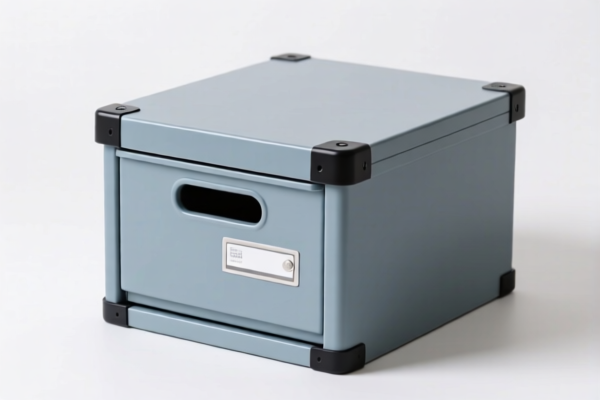
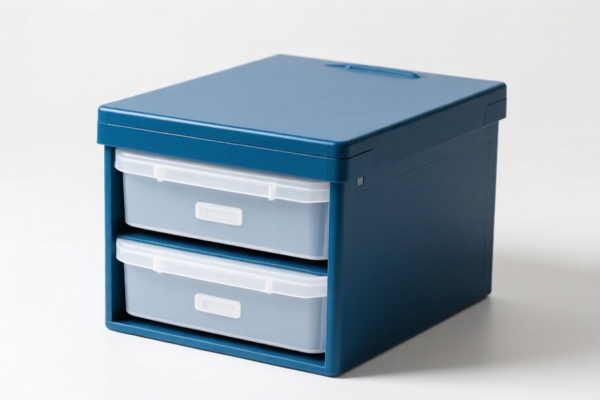
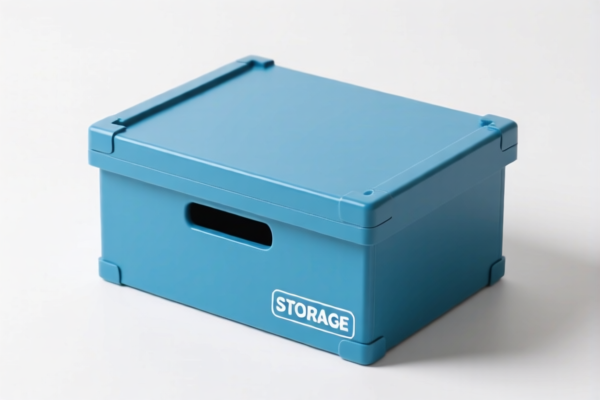
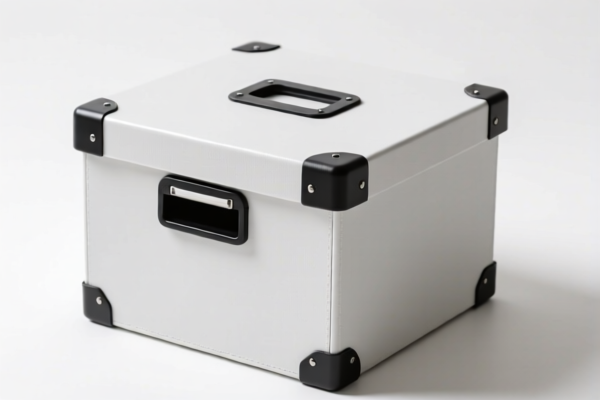
AI Analysis
🍽️ Kitchen Storage Box (Kitchen Storage Container)
🌐 HS Code Reference & Customs Clearance Guide | 2024-2026 Latest Tariff Analysis | Professional-Level Clearance Strategy
📌 Part I: Product Definition & Classification: Do You Really Understand "Kitchen Storage Boxes"?
A "Kitchen Storage Box" is a broad term in international trade, covering various containers used for food preservation, organization, or display. In customs classification, the material and specific form determine the HS Code. There is no single "universal" code; instead, it splits into three main categories:
1. Wooden Containers (Wooden Boxes/Trays): Made primarily of wood, often used for cheese boards, spice racks, or bulk storage.
2. Plastic Containers: Made of polyethylene, polypropylene, etc., used for food preservation, lunch boxes, or general household storage.
3. Containers with Textile/Other Materials (e.g., Jewelry/Watch Boxes): If the "storage box" is designed specifically for jewelry, watches, or cutlery, and has an outer surface of textile or other specific materials, it may fall under Chapter 42.
⚠️ Key Distinction Point:
- If it is a plain plastic food container → Chapter 39 (Plastics).
- If it is a wooden organizer or box → Chapter 44 (Wood).
- If it is a jewelry/cosmetic case with textile/plastic outer → Chapter 42 (Articles of leather/plastics/textiles).
📦 Part II: HS Code Classification Details (Latest Tariff Data)
| HS Code | Product Description | Material Inference | Tax Burden |
|---|---|---|---|
4420.90.80.00 |
Wooden boxes, cases, crates, drums, and similar packings; wooden figures and other articles of wood | Wood-based storage boxes (Inferred: Wooden material, matches wooden container morphology) |
38.2% |
4202.92.93.15 |
Articles of apparel and clothing accessories, not knit or crocheted; other containers | Textile-covered containers (Inferred: Container type, outer surface likely involves textile materials) |
52.6% |
3926.90.10.00 |
Other articles of plastics and articles of other materials of headings 3901 to 3914 | Plastic storage containers (Inferred: Plastic material, belongs to other plastic articles/containers) |
20.9% |
4202.92.60.10 |
Other containers for jewelry, watches, spoons, forks, and similar household or toilet articles | Jewelry/Cosmetic Boxes (Inferred: Jewelry box or similar container morphology, material may be plastic or textile) |
41.3% |
3926.90.99.89 |
Other articles of plastics | General Plastic Articles (Inferred: Plastic material, matches characteristics of other plastic articles) |
22.8% |
🔍 Key Reminder:
- "Plastic" is NOT always 3.4%: While the base tariff for plastics might be low, the Total Tax varies significantly (20.9% vs. 22.8%) depending on whether it’s a specific "container" form (3926.90.10) or a general "other article" (3926.90.99).
- "Wooden" incurs higher tariffs: Wooden storage boxes (4420.90.80.00) face a significantly higher total tax (38.2%) due to trade measures.
- "Jewelry/Display" boxes are expensive: If your "kitchen storage" is actually a small box for spices/knives that resembles a jewelry box, it might be classified under4202, leading to a 52.6% tax.
💰 Part III: 2024-2026 Latest Tariff Rate Details (Including Surcharges & Policy Add-ons)
✅ Applicable Country: United States (US)
✅ Country of Origin: China (CN)
✅ Effective Date: Including imports from November 10, 2025, onwards (subject to latest trade policy updates)
🎯 1. 4420.90.80.00 —— Wooden Storage Box
| Item | Content |
|---|---|
| Base Tariff | 3.2% (ad valorem) |
| Section 301 Surcharge | +25.0% |
| Section 122 Tariff | +10.0% |
| Total Tax Rate | 38.2% |
| Tax Calculation | CIF Value × 38.2% |
| De Minimis Eligibility | ❌ No (High risk of seizure/rejection under current policies) |
| Legal Basis Path | Section 301: 9903.88.01 → Section 122: IEEPA → USITC: 4420.90.80.00 |
📌 Explanation:
- The 25% Section 301 tariff is the primary driver for high costs on Chinese wood products.
- The 10% Section 122 tariff (National Security Tariff) applies to additional goods, including certain wooden articles.
- Total 38.2% is extremely high for a simple storage box. Consider shifting to plastic or textile alternatives if possible.
🎯 2. 4202.92.93.15 —— Textile-Covered Container (e.g., Jewelry/Watch Box)
| Item | Content |
|---|---|
| Base Tariff | 17.6% |
| Section 301 Surcharge | +25.0% |
| Section 122 Tariff | +10.0% |
| Total Tax Rate | 52.6% |
| Tax Calculation | CIF Value × 52.6% |
| De Minimis Eligibility | ❌ No |
| Legal Basis Path | Section 301: 9903.88.01 → Section 122: IEEPA → USITC: 4202.92.93.15 |
📌 Warning:
- This is the highest tax bracket in the dataset.
- Even if the box is "small," if it is classified as a container for jewelry/watches with a textile outer surface, it triggers this rate.
- Do not use this classification for general kitchen storage unless it is explicitly a jewelry box.
🎯 3. 3926.90.10.00 —— Plastic Storage Container (Specific Form)
| Item | Content |
|---|---|
| Base Tariff | 3.4% |
| Section 301 Surcharge | +7.5% |
| Section 122 Tariff | +10.0% |
| Total Tax Rate | 20.9% |
| Tax Calculation | CIF Value × 20.9% |
| De Minimis Eligibility | ❌ No (Current restrictions apply) |
| Legal Basis Path | Section 301: 9903.01.24 → Section 122: IEEPA → USITC: 3926.90.10.00 |
📌 Advantage:
- This is the most cost-effective option for plastic containers.
- The Section 301 rate is only 7.5%, not 25%.
- Ideal for food storage containers, lunch boxes, and general plastic organizers.
🎯 4. 4202.92.60.10 —— Jewelry Box (Plastic/Textile Outer)
| Item | Content |
|---|---|
| Base Tariff | 6.3% |
| Section 301 Surcharge | +25.0% |
| Section 122 Tariff | +10.0% |
| Total Tax Rate | 41.3% |
| Tax Calculation | CIF Value × 41.3% |
| De Minimis Eligibility | ❌ No |
| Legal Basis Path | Section 301: 9903.88.01 → Section 122: IEEPA → USITC: 4202.92.60.10 |
📌 Note:
- Higher than plastic containers due to the 25% Section 301 rate.
- Use only if the product is definitively a jewelry/cosmetic case. Misclassifying a kitchen box as this will lead to penalties.
🎯 5. 3926.90.99.89 —— Other Plastic Articles (General)
| Item | Content |
|---|---|
| Base Tariff | 5.3% |
| Section 301 Surcharge | +7.5% |
| Section 122 Tariff | +10.0% |
| Total Tax Rate | 22.8% |
| Tax Calculation | CIF Value × 22.8% |
| De Minimis Eligibility | ❌ No |
| Legal Basis Path | Section 301: 9903.01.24 → Section 122: IEEPA → USITC: 3926.90.99.89 |
📌 Comparison:
- Slightly higher tax than3926.90.10.00(22.8% vs. 20.9%).
- Applies if the plastic box is considered a "general article" rather than a specific "container."
- Often used for non-standard shapes or accessories.
🛠️ Part IV: Customs Clearance Practical Advice (Avoiding Pitfalls)
✅ 1. Required Documentation Checklist (Do Not Miss Any)
| Document | Must Provide | Description |
|---|---|---|
| ✅ Product Specification Sheet | ✔️ | Material (Wood/Plastic/Textile), Dimensions, Usage |
| ✅ Material Composition | ✔️ | % of plastic, wood, or textile. Critical for Chapter 39 vs. 44 vs. 42 |
| ✅ Product Photos | ✔️ | Clear images of the box, labels, and interior |
| ✅ Commercial Invoice | ✔️ | Describe as "Plastic Storage Container" or "Wooden Organizer" – Be Specific |
| ✅ Packing List | ✔️ | Include weight, dimensions, and item count |
| ✅ FCC/CAFO Reports | ✔️ | If plastic contains additives, ensure compliance |
✅ 2. Declaration Tips (Key Mantras)
🔥 "Material Defines Chapter, Form Defines Subheading, Name Must Match!"
| Situation | Correct Declaration | Wrong Practice |
|---|---|---|
| Plastic Food Box | 3926.90.10.00"Plastic Food Storage Container" |
Call it "Box" → Ambiguous → Risk of 3926.90.99.89 (22.8%) |
| Wooden Spice Rack | 4420.90.80.00"Wooden Kitchen Organizer" |
Call it "Storage Unit" → Risk of higher scrutiny |
| Jewelry Box (Kitchen Decor) | 4202.92.60.10"Plastic/Jewelry Case" |
Misclassify as "Plastic Box" → Penalty for incorrect classification |
| Textile-Covered Storage | 4202.92.93.15"Textile Storage Bag/Box" |
Call it "Plastic" → Immediate rejection |
✅ 3. Special Case Handling
| Situation | Handling Advice |
|---|---|
| Mixed Material Box (e.g., Plastic with Wooden Lid) | Usually classified by the principal material or the outer surface. If the plastic body is dominant, it may still be Chapter 39. Consult a customs broker. |
| Sample vs. Mass Production | Ensure the sample declared matches the actual production material. Misalignment leads to seizure. |
| De Minimis (Section 321) | ❌ Not Eligible. All these HS codes have high tariffs and are subject to Section 122/301, meaning even small packages are taxable. |
🌍 Part V: Global Market Clearance Comparison (2024-2026)
| Country/Region | Recommended HS Code | Tariff (China Origin) | Certification Requirements | Remarks |
|---|---|---|---|---|
| 🇺🇸 USA | 3926.90.10.00 |
20.9% (Plastic) 38.2% (Wood) |
FDA (Food Contact), CPC (Children's) | Highest tariffs in the dataset. |
| 🇪🇺 EU | 3924.10 (Food) |
6.5% | LFGB, EC 1935/2004 | No Section 301/122. Lower cost. |
| 🇬🇧 UK | 3924.10 |
6.5% | UKCA Mark | Post-Brexit rules apply. |
| 🇨🇦 Canada | 3924.10 |
5% | Health Canada | Lower tariffs than US. |
| 🇦🇺 Australia | 3924.10 |
5% | SAI Global | No major surcharges. |
📌 Conclusion:
- The US market is the most expensive for kitchen storage boxes due to Section 301 and 122 tariffs.
- Plastic containers (3926.90.10.00) are the most tariff-efficient option for the US market (20.9%).
- Wooden boxes (4420.90.80.00) and Jewelry Boxes (4202.92.60.10) are high-cost items in the US. Consider diversifying markets to EU/Canada if using wood.
📌 Part VI: Common Mistakes & Pitfalls (Lessons Learned)
❌ Mistake 1: Calling all "Storage Boxes" "Plastic Containers" when one is Wooden
👉 Consequence: Wrong HS Code → 38.2% vs. 20.9% → Pay 17% more tax unnecessarily.
❌ Mistake 2: Declaring a Jewelry Box as "Kitchen Storage" to avoid Chapter 42 tariffs
👉 Consequence: Customs inspection reveals textile/plastic jewelry box → Penalty + 52.6% tax.
❌ Mistake 3: Ignoring the "Section 122" (10%) surcharge
👉 Consequence: Budgeting only for 25% Section 301 → Unexpected 10% extra cost.
❌ Mistake 4: Assuming "De Minimis" applies to small plastic boxes
👉 Consequence: Package seized → 100% tax + storage fees + return shipping.
✅ Correct Approach:
"Food-Grade Plastic Storage Container, PP Material, BPA-Free, for Kitchen Use, Model ABC"
→ HS: 3926.90.10.00 → Tax: 20.9%
🎯 Part VII: Conclusion: Precise Classification Saves Money!
🎯 Remember the Mantra:
🔹 "Plastic is Best: 20.9% Tax!"
🔹 "Wood is Expensive: 38.2% Tax!"
🔹 "Jewelry Box is Worst: 52.6% Tax!"
🔹 "Name Matters: Be Specific to Avoid Penalties!"
📌 Pro Tip:
If your kitchen storage box is made of recycled plastic or has special functions (e.g., vacuum-sealed), check for any potential HTS exemptions or special tariff programs.
Recommend Advance Ruling (Pre-classification) from US Customs (CBP) to ensure the 20.9% rate is locked in.
📣 Take Action Now:
📞 Contact a licensed customs broker + Provide Product Photos + Apply for HS Code Pre-classification
🚀 Let your kitchen storage boxes clear customs smoothly, maximize profit, and expand globally!
✨ Professional Clearance Starts with Accurate Classification!
💼 Every cent of tax you save is pure profit!
Customer Reviews
About HS Code Classification
The Harmonized System (HS) is an internationally standardized nomenclature developed by the World Customs Organization (WCO) to classify traded products. Over 200 countries use the HS system as the basis for customs tariffs, trade statistics, and import/export regulations.
Each HS code follows a hierarchical structure:
- Chapter (2 digits) — Broad category of goods (e.g., Chapter 84: Machinery and Mechanical Appliances)
- Heading (4 digits) — More specific grouping within the chapter
- Subheading (6 digits) — Internationally standardized breakdown, used by all WCO member countries
- National subdivisions (8-10 digits) — Country-specific extensions for further classification, such as US HTSUS 10-digit codes
Correct HS code classification is essential for smooth customs clearance, accurate duty payment, and compliance with trade regulations. Misclassification can lead to customs delays, overpayment of duties, or penalties.
When importing from CN to US, the applicable tariff rates may include:
- Most-Favored-Nation (MFN) rate — The standard duty rate applied to WTO members
- General rate — Applied to countries without trade agreements
- Trade remedy duties — Additional tariffs such as Section 301 (anti-dumping), Section 232 (national security), or countervailing duties
The information provided on this page is for reference purposes only. For official classification, please consult with your local customs authority or a licensed customs broker.