Kitchen Vegetable Cutter
CN → US| HS Code | Tariff Rate | Origin | Destination | Doc |
|---|---|---|---|---|
| 8210000000 | 38.7% | CN | US | Official Doc |
| 8438800000 | 35.0% | CN | US | Official Doc |
| 3924104000 | 13.4% | CN | US | Official Doc |
| 8438600000 | 35.0% | CN | US | Official Doc |
Product Images
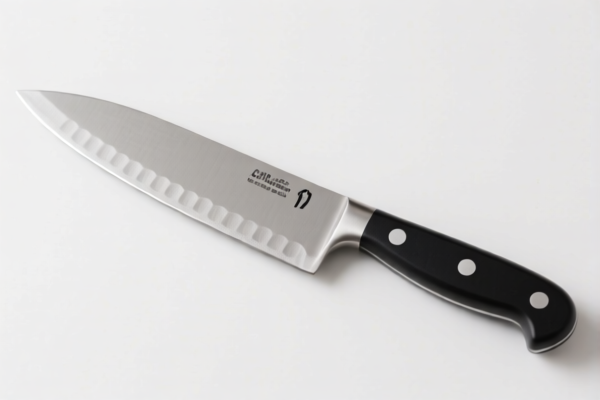
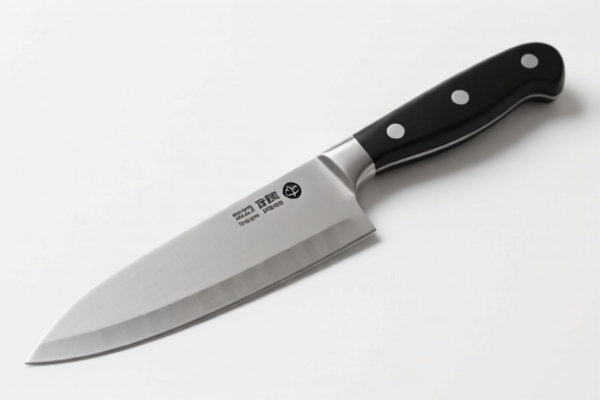
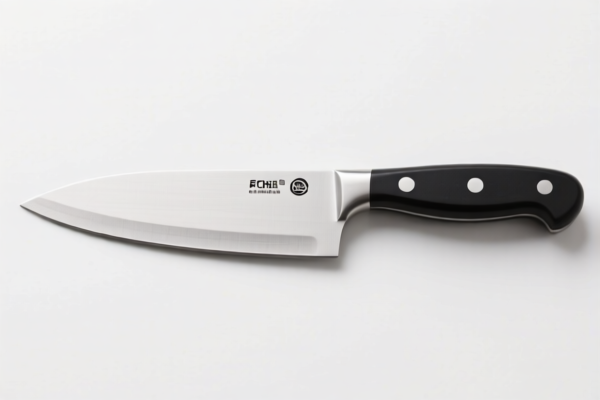
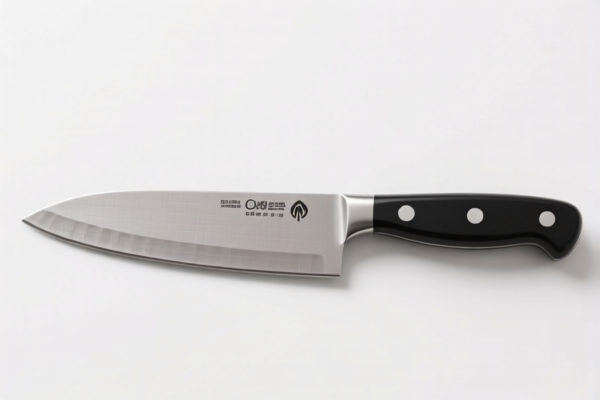
AI Analysis
🔪 Kitchen Vegetable Cutter (Manual Dicer/Chopper)
🌐 HS Code Reference & Customs Clearance Guide | 2026 Latest Tariff Analysis | Strategic Classification for Importers
📌 One: Product Definition & Classification Logic: What Exactly Is It?
The "Kitchen Vegetable Cutter" is a broad term that can refer to various tools, ranging from simple manual hand-held devices to complex stationary mechanical units. In international trade, the classification depends entirely on the material, mechanism, and degree of automation.
⚠️ Critical Distinction:
- Is it a manual hand tool (e.g., a plastic or metal chopper with a blade)? → Likely Chapter 82 or Chapter 39.
- Is it a mechanical device (e.g., a pedal-operated or motor-assisted dicer)? → Likely Chapter 84.
- Misclassification Risk: Declaring a manual tool as a machine (or vice versa) can lead to severe penalties or clearance delays.
📦 Two: HS Code Classification Breakdown (2026 Latest Tariff Authority)
Based on the provided data, here are the four possible classifications for a "Vegetable Dicer/Cutter."
| HS Code | Product Description | Key Logic / Why This Code? | Total Tax Rate |
|---|---|---|---|
| 8210.00.00.00 | Manual Mechanical Apparatus (e.g., manual chopper, slicer with blade) | Classified as a "hand-operated mechanical utensil" for food preparation. Fits the definition of tools for preparing food (Chapter 82: Articles of Iron or Steel). | 38.7% |
| 8438.80.00.00 | Mechanical Apparatus for Food Preparation | Classified as "other machinery for industrial preparation or manufacturing of food." Implies a more complex or industrial-grade machine, not just a simple hand tool. | 35.0% |
| 3924.10.40.00 | Plastic Kitchenware (e.g., plastic dicer, cutting board with grid) | If the device is primarily made of plastic and used as tableware/kitchen utensil (cutting board style), it falls under plastics. Note: This is the lowest tax rate if applicable. | 13.4% |
| 8438.60.00.00 | Machinery for Preparing Vegetables | Specifically covers "machinery for preparing fruits, nuts, or vegetables." Used if the device is a dedicated machine for vegetable processing (e.g., industrial slicers/dicers). | 35.0% |
🔍 Key Decision Factor:
- Material: Is it Plastic? → Try 3924.10.40.00.
- Mechanism: Is it purely manual with a steel blade? → 8210.00.00.00.
- Automation: Is it a machine (motor/pedal)? → 8438 series.
💰 Three: Detailed Tariff Breakdown (US Import from China)
✅ Applicable Country: United States (US)
✅ Origin: China (CN)
✅ Effective Date: Includes Section 301 (25%) and Section 301/IEEPA (10%) surcharges.
🎯 1. HS Code 3924.10.40.00 — Plastic Kitchenware (Lowest Tax)
| Item | Detail |
|---|---|
| Base Tariff | 3.4% |
| Section 301 Surcharge | 0.0% (Not listed in data, assumed exempt or lower bracket) |
| Section 301/IEEPA Surcharge | 10% |
| Total Tax Rate | 13.4% |
| Calculation | CIF Value × 13.4% |
| De Minimis Eligibility | ✅ Likely Eligible (If value <$800, may avoid duties entirely via Section 321, subject to current policy). |
| Legal Basis | Chapter 39 (Plastics), Subheading 3924 (Tableware/Kitchenware). |
📌 Explanation:
- This is the most cost-effective option if the product is indeed made of plastic and functions as a simple utensil (like a chopper bowl or grid cutter).
- Crucial: Must ensure the product is not classified as a "machine" or "metal tool."
🎯 2. HS Code 8210.00.00.00 — Manual Mechanical Tool (Steel Blade)
| Item | Detail |
|---|---|
| Base Tariff | 3.7% |
| Section 301 Surcharge | 25.0% |
| Section 301/IEEPA Surcharge | 10% |
| Total Tax Rate | 38.7% |
| Calculation | CIF Value × 38.7% |
| De Minimis Eligibility | ❌ Not Eligible (Section 301 goods are generally excluded from de minimis). |
| Legal Basis | Chapter 82 (Articles of Iron/Steel), Footnote: Section 301 applies. |
📌 Explanation:
- Applies to manual choppers with metal blades (e.g., garlic press, manual onion chopper with steel blade).
- High Cost: The 25% Section 301 tax significantly increases landed cost.
🎯 3. HS Code 8438.80.00.00 — Other Food Preparation Machinery
| Item | Detail |
|---|---|
| Base Tariff | 0.0% |
| Section 301 Surcharge | 25.0% |
| Section 301/IEEPA Surcharge | 10% |
| Total Tax Rate | 35.0% |
| Calculation | CIF Value × 35.0% |
| De Minimis Eligibility | ❌ Not Eligible |
| Legal Basis | Chapter 84 (Machinery), Footnote: Section 301 applies. |
📌 Explanation:
- For more complex mechanical devices. While the base tariff is 0%, the 35% surcharge makes it expensive.
🎯 4. HS Code 8438.60.00.00 — Machinery for Preparing Vegetables
| Item | Detail |
|---|---|
| Base Tariff | 0.0% |
| Section 301 Surcharge | 25.0% |
| Section 301/IEEPA Surcharge | 10% |
| Total Tax Rate | 35.0% |
| Calculation | CIF Value × 35.0% |
| De Minimis Eligibility | ❌ Not Eligible |
| Legal Basis | Chapter 84, Specific for Vegetable Preparation Machinery. |
📌 Explanation:
- Specifically for machines dedicated to vegetable processing (e.g., industrial or semi-industrial dicers).
- Same high surcharge as other machinery codes.
🛠️ Four: Customs Clearance Practical Advice
✅ 1. Documentation Checklist (Non-Negotiable)
| Document | Required? | Purpose |
|---|---|---|
| Product Specifications | ✅ Yes | Must detail Material (Plastic vs. Metal), Power Source (Manual vs. Electric), and Function. |
| Photos (Clear & Detailed) | ✅ Yes | Show the entire unit, blade type, and any labels. Helps customs determine if it's a "tool" or "machine." |
| Commercial Invoice | ✅ Yes | Must clearly state: "Manual Plastic Vegetable Chopper" or "Steel Manual Dicer". Avoid vague terms like "Kitchen Tool." |
| Material Declaration | ✅ Yes | Explicitly state if the product is 100% Plastic, Stainless Steel, or Mixed. Critical for distinguishing between HS 39 and HS 82/84. |
| FCC Certification | ⚠️ If Electric | If the device has a motor, FCC certification is required. |
✅ 2. Classification Strategy (How to Save Money)
| Scenario | Recommended HS Code | Tax Rate | Strategy |
|---|---|---|---|
| Plastic Manual Chopper (e.g., plastic bowl with wire grid) | 3924.10.40.00 |
13.4% | Best Option. Emphasize "Plastic Kitchenware" and "Manual." |
| Metal Blade Manual Chopper (e.g., stainless steel garlic press) | 8210.00.00.00 |
38.7% | Inevitable. Ensure it is truly manual and not motorized. |
| Motorized Dicer | 8438.60.00.00 |
35.0% | Accept the 35% rate. Ensure it is marketed as a machine, not a tool. |
| Mixed Material (Plastic handle + Steel blade) | 8210.00.00.00 |
38.7% | Often classified by the essential character (metal blade). Risky to claim 3924. |
🔥 Pro Tip:
- If your product is primarily plastic and does not have a sharp metal blade that defines it as a "tool of iron/steel," push for 3924.10.40.00.
- If it has a metal blade, Customs will likely classify it under Chapter 82, leading to higher taxes.
✅ 3. Common Pitfalls & Avoidance
| Mistake | Consequence | Solution |
|---|---|---|
| Vague Description ("Kitchen Cutter") | Customs assigns highest duty or requests more info. | Use precise descriptions: "Manual Plastic Vegetable Chopper, Model XYZ." |
| Ignoring Section 301 | Underpayment of duties → Penalties & Back Taxes. | Always account for the 10% IEEPA + 25% Section 301 if applicable. |
| Misclassifying Machine as Tool | Customs reclassifies and charges back taxes. | If it has a motor, it is not a manual tool. Declare as machinery. |
| Overlooking De Minimis | Missing out on $800 exemption. | If value <$800 and classified under HS 39, check if Section 321 applies. |
🌍 Five: Global Market Comparison (2026)
| Market | Likely HS Code | Base Duty | US Section 301? | Notes |
|---|---|---|---|---|
| 🇺🇸 United States | 3924.10.40.00 or 8210.00.00.00 |
3.4% or 3.7% | ✅ Yes (+35% total) | Highest cost due to trade tensions. |
| 🇨🇳 China (Import) | 3924.10.40.00 |
10-15% | ❌ No | Lower barriers for plastic goods. |
| 🇪🇺 EU | 3924.10.40.00 |
6.5% | ❌ No | No Section 301. Easier clearance. |
| 🇬🇧 UK | 3924.10.40.00 |
6.5% | ❌ No | Post-Brexit tariffs apply, but no US-style surcharges. |
📌 Insight:
- The US market is the most expensive for Chinese-made vegetable cutters due to Section 301 taxes.
- EU/UK/China markets are more favorable, especially for plastic goods.
📌 Six: Final Recommendations & Action Plan
🎯 1. Pre-Shipment Verification
- Get a Pre-Ruling: Submit product images and specs to a customs broker or CBP for an Advance Ruling. This locks in the HS code and avoids surprises.
- Material Test: If claiming HS 3924, ensure the product is >50% plastic by weight and value.
🎯 2. Marketing & Labeling
- Label Correctly: Use terms like "Plastic Kitchen Chopper" for HS 3924, and "Stainless Steel Manual Dicer" for HS 8210.
- Avoid Ambiguity: Do not use words like "Machine," "Electric," or "Motor" if it is manual.
🎯 3. Cost Calculation Template
| Product Value (USD) | HS 3924 (13.4%) | HS 8210 (38.7%) | Difference |
|---|---|---|---|
| $100 | $13.40 | $38.70 | $25.30 Saved |
| $1,000 | $134.00 | $387.00 | $253.00 Saved |
💡 Conclusion:
- Always aim for HS 3924.10.40.00 if the product allows (plastic, no sharp steel blade).
- If it is a steel tool, accept the 38.7% rate and plan your pricing accordingly.
- Never guess the HS Code. A wrong classification can result in back-taxes, fines, and shipment holds.
📣 Immediate Action:
📞 Contact a Customs Broker with your product photos.
📄 Request an Advance Ruling from CBP.
🚀 Optimize for HS 3924 if possible to save 25%+ in taxes.
✨ Smart Classification = Higher Profit Margins!
💼 Don't let the海关 (Customs) decide your tax bill. Decide it yourself.
Customer Reviews
About HS Code Classification
The Harmonized System (HS) is an internationally standardized nomenclature developed by the World Customs Organization (WCO) to classify traded products. Over 200 countries use the HS system as the basis for customs tariffs, trade statistics, and import/export regulations.
Each HS code follows a hierarchical structure:
- Chapter (2 digits) — Broad category of goods (e.g., Chapter 84: Machinery and Mechanical Appliances)
- Heading (4 digits) — More specific grouping within the chapter
- Subheading (6 digits) — Internationally standardized breakdown, used by all WCO member countries
- National subdivisions (8-10 digits) — Country-specific extensions for further classification, such as US HTSUS 10-digit codes
Correct HS code classification is essential for smooth customs clearance, accurate duty payment, and compliance with trade regulations. Misclassification can lead to customs delays, overpayment of duties, or penalties.
When importing from CN to US, the applicable tariff rates may include:
- Most-Favored-Nation (MFN) rate — The standard duty rate applied to WTO members
- General rate — Applied to countries without trade agreements
- Trade remedy duties — Additional tariffs such as Section 301 (anti-dumping), Section 232 (national security), or countervailing duties
The information provided on this page is for reference purposes only. For official classification, please consult with your local customs authority or a licensed customs broker.