Kitchen Vegetable Slicer
CN → US| HS Code | Tariff Rate | Origin | Destination | Doc |
|---|---|---|---|---|
| 8210000000 | 38.7% | CN | US | Official Doc |
| 3924104000 | 13.4% | CN | US | Official Doc |
| 8438600000 | 35.0% | CN | US | Official Doc |
| 8438800000 | 35.0% | CN | US | Official Doc |
| 8210000000 | 38.7% | CN | US | Official Doc |
Product Images
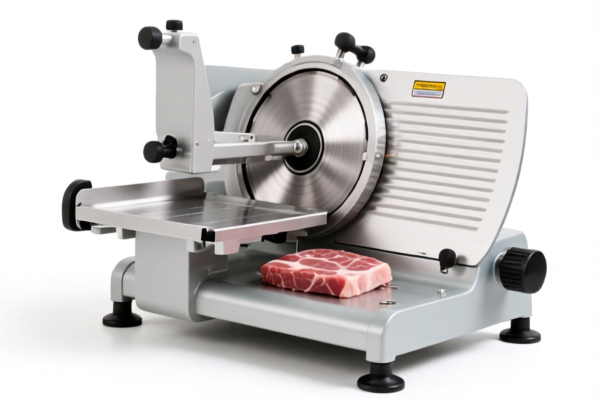
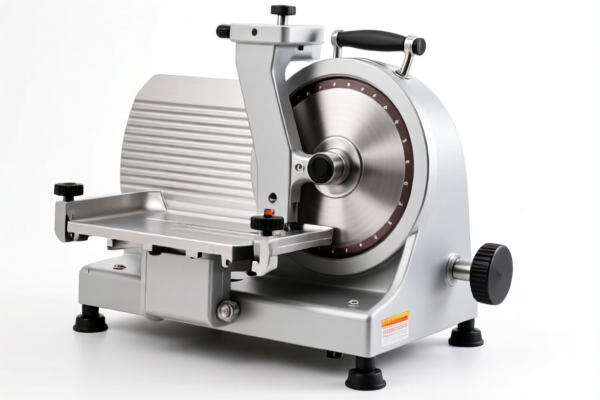


AI Analysis
🥕 Kitchen Vegetable Slicer: HS Code Classification & Customs Clearance Strategy
🌐 HS Code Reference & Customs Guide | 2026 Latest Tariff Analysis | Professional Clearance Strategy
📌 I. Product Definition & Classification: What is a "Vegetable Slicer"?
A Kitchen Vegetable Slicer is a manual or mechanical tool designed to chop, dice, slice, or grate vegetables for food preparation. In international trade, classification depends heavily on material (plastic vs. metal) and mechanization (manual hand-held vs. mechanical device).
The correct HS Code determines not only the duty rate but also the applicable retaliatory tariffs (Section 301 and Section 122), which can drastically impact import costs into the US market.
⚠️ Key Distinction Points:
- Manual, Metal-handled tools: Classified under 8210 (Manual mechanical appliances).
- Plastic or Non-metallic Kitchenware: Classified under 3924 (Plastic tableware/kitchenware).
- Motorized/Mechanical Machines: Classified under 8438 (Machinery for food preparation).
📦 II. HS Code Classification Matrix (2026 Latest Tariffs)
| HS Code | Product Description | Applicable Scenario | Material/Mechanism |
|---|---|---|---|
8210.00.00.00 |
Manual Mechanical Appliances for food preparation | Hand-held vegetable dicer/chopper with metal blades/frames | Metal handles/blades |
3924.10.40.00 |
Plastic Tableware & Kitchenware | Fully plastic vegetable chopper/slicer (no significant metal parts) | Plastic dominant |
8438.60.00.00 |
Machinery for Preparing Vegetables | Motorized or semi-mechanical vegetable prep machines | Mechanical/Electric |
8438.80.00.00 |
Other Food Preparation Machinery | Industrial or specialized mechanical food prep devices | Mechanical/Electric |
🔍 Important Note:
- Manual slicers with metal cutting elements usually fall under 8210.
- If the slicer is predominantly plastic (e.g., a press-type dicer), it often falls under 3924.
- Motorized versions must fall under 8438. Misclassification can lead to significant tariff differences.
💰 III. 2026 Latest Tariff Rate Breakdown (Detailed Tax Analysis)
✅ Target Market: United States (US)
✅ Origin: China (CN)
✅ Applicable Tariffs: Base Rate + Section 301 Tariff + Section 122 Tariff (122-Clause)
🎯 1. 8210.00.00.00 — Manual Mechanical Appliance (Metal-Handle Slicer)
| Item | Content |
|---|---|
| Base Tariff | 3.7% |
| Section 301 Tariff | +25.0% (Retaliatory Tariff on Chinese Goods) |
| Section 122 Tariff | +10.0% (Specific clause for certain hand tools/utensils) |
| Total Effective Tax Rate | 38.7% |
| Tax Calculation | CIF Value × 38.7% |
| De Minimis Exemption | ❌ Not Applicable (High tariff items usually excluded or scrutinized) |
📌 Explanation:
- Base (3.7%): Standard MFN rate for manual mechanical appliances.
- Sec 301 (25%): Applied due to China origin.
- Sec 122 (10%): Additional tariff applied to specific hand-operated tools.
- Total: 38.7%. This is a high-cost category. Ensure the product truly fits the "manual mechanical appliance" definition (metal components) to avoid reclassification penalties.
🎯 2. 3924.10.40.00 — Plastic Kitchenware (Plastic Slicer)
| Item | Content |
|---|---|
| Base Tariff | 3.4% |
| Section 301 Tariff | 0.0% (Plastic kitchenware is often exempt from Sec 301 list) |
| Section 122 Tariff | +10.0% (Applies to certain plastic utensils) |
| Total Effective Tax Rate | 13.4% |
| Tax Calculation | CIF Value × 13.4% |
| De Minimis Exemption | ❌ Not Applicable (Due to high base value or specific rules) |
📌 Explanation:
- Base (3.4%): Low MFN rate for plastic tableware.
- Sec 301 (0%): Plastic kitchen items are frequently excluded from the 25% tariff list.
- Sec 122 (10%): Applies to specific plastic utensils.
- Total: 13.4%. This is the most cost-effective option if the product is predominantly plastic.
- ✅ Strategy: If possible, design or source slicers made primarily of plastic to leverage the lower Sec 301 burden.
🎯 3. 8438.60.00.00 — Machinery for Preparing Vegetables
| Item | Content |
|---|---|
| Base Tariff | 0.0% |
| Section 301 Tariff | +25.0% |
| Section 122 Tariff | +10.0% |
| Total Effective Tax Rate | 35.0% |
| Tax Calculation | CIF Value × 35.0% |
| De Minimis Exemption | ❌ Not Applicable |
📌 Explanation:
- Base (0%): Zero duty for food preparation machinery.
- Sec 301 (25%): Applies to Chinese-made machinery.
- Sec 122 (10%): Additional tariff.
- Total: 35.0%.
- ⚠️ Caution: Only apply to motorized/mechanical devices. Using this code for a manual slicer will cause customs delays and penalties.
🎯 4. 8438.80.00.00 — Other Food Preparation Machinery
| Item | Content |
|---|---|
| Base Tariff | 0.0% |
| Section 301 Tariff | +25.0% |
| Section 122 Tariff | +10.0% |
| Total Effective Tax Rate | 35.0% |
| Tax Calculation | CIF Value × 35.0% |
| De Minimis Exemption | ❌ Not Applicable |
📌 Explanation:
- Similar to8438.60, used for specialized or industrial food prep machinery not elsewhere specified.
- Total: 35.0%.
- Use only if the device is a complex mechanical system, not a simple hand tool.
🛠️ IV. Customs Clearance Practical Advice (Avoiding Pitfalls)
✅ 1. Required Documentation Checklist
| Document | Mandatory | Purpose |
|---|---|---|
| ✅ Product Specifications | ✔️ | Detail materials (plastic vs. metal), mechanism (manual vs. electric). |
| ✅ High-Res Photos | ✔️ | Show the entire product, labels, and any metal components. |
| ✅ Commercial Invoice | ✔️ | Clearly state: "Vegetable Slicer, Plastic/Metal, Manual/Electric." |
| ✅ Packing List | ✔️ | Itemized contents. |
| ✅ Certifications | ✔️ | FDA (if food contact), FCC (if electric), RoHS (if applicable). |
✅ 2. Classification Strategy & Keywords
🔥 Golden Rule: "Material Matters, Mechanism Defines!"
| Scenario | Recommended HS Code | Key Description for Customs |
|---|---|---|
| Hand-held, Metal Blades/Frame | 8210.00.00.00 |
"Manual Mechanical Vegetable Dicer with Metal Blades" |
| Fully Plastic Press-Type Slicer | 3924.10.40.00 |
"Plastic Kitchen Vegetable Chopper/Slicer" |
| Electric/Motorized Slicer | 8438.60.00.00 |
"Electric Vegetable Slicing Machine" |
| Industrial Food Prep Device | 8438.80.00.00 |
"Industrial Food Preparation Machinery" |
📌 Warning:
- Do not declare an electric slicer as "Plastic Kitchenware" (3924).
- Do not declare a manual plastic slicer as "Machinery" (8438).
- Misclassification leads to audit risks, fines, and shipment holds.
✅ 3. Special Considerations for US Imports
| Issue | Advice |
|---|---|
| Section 122 Tariff | Applies to many hand tools and utensils. Ensure you are not paying double penalties if your code doesn't require it. |
| Material Declaration | Clearly state "Plastic" or "Metal" in the invoice. Customs uses this to verify HS Code. |
| De Minimis (Section 321) | Most slicers exceed the $800 de minimis value limit or are subject to specific tariff exclusions. Assume full duty applies. |
| FDA Compliance | Since it touches food, ensure materials are FDA-compliant (especially for plastic 3924 and metal 8210). |
🌍 V. Market Comparison (2026 Outlook)
| Market | Preferred HS Code | Total Tax Rate (China Origin) | Notes |
|---|---|---|---|
| 🇺🇸 USA | 3924.10.40.00 |
13.4% | Lowest rate for plastic; high for metal (38.7%). |
| 🇺🇸 USA | 8210.00.00.00 |
38.7% | High cost for manual metal slicers. |
| 🇪🇺 EU | 8210.00.00 |
~5-7% | No Section 301/122 equivalent; lower overall cost. |
| 🇨🇳 China | 3924.10.40.00 |
0-5% | Domestic trade benefits from low/no tariffs. |
📌 Conclusion:
- The US market is the most challenging due to Section 301 and Section 122 tariffs.
- Plastic slicers (3924) are significantly cheaper to import (13.4%) than metal manual slicers (8210,38.7%) or machinery (8438,35.0%).
- Strategy**: Optimize product design to utilize plastic components where possible to reduce tariff burden, or source from non-China countries to avoid Section 301.
📌 VI. Common Mistakes & Pitfalls (Blood & Tears)
❌ Mistake 1: Declaring an electric slicer as "Plastic Kitchenware" (3924)
👉 Result: Customs detects motor/EUL, imposes back duties + penalties.
❌ Mistake 2: Declaring a metal-handled manual slicer as "Plastic" (3924)
👉 Result: Customs reclassifies to 8210, charging 38.7% instead of 13.4%. Back taxes + interest!
❌ Mistake 3: Ignoring Section 122
👉 Result: Underpaying tariffs by 10%. Customs audits may recover this with penalties.
❌ Mistake 4: Using vague descriptions like "Kitchen Tool"
👉 Result: Customs delays for "Request for Information."
✅ Best Practice:
"Vegetable Dicer, Plastic Body with Stainless Steel Blade, Manual Operation, Model XYZ, FDA Compliant"
🎯 VII. Conclusion: Professional Classification Saves Money!
🎯 Remember the Rule of Thumb:
🔹 Plastic = 13.4% (Sweet Spot)
🔹 Metal/Manual = 38.7% (Expensive)
🔹 Electric/Mechanical = 35.0% (Moderate-High)
📌 Action Plan:
1. Audit Product Design: Can you reduce metal content to qualify for 3924?
2. Verify Mechanism: Is it truly manual? If it has a motor, use 8438.
3. Document Everything: Provide clear photos and material breakdowns.
4. Consult a Broker: For high-value shipments, seek a Pre-Ruling from US Customs (CBP).
📣 Immediate Action:
📞 Engage a licensed customs broker.
📄 Prepare FDA compliance docs.
🚀 Optimize HS Code to Minimize Tariffs!
✨ Precision in Classification, Profit in Clearance!
💼 Don't let tariffs slice your margins!
Customer Reviews
About HS Code Classification
The Harmonized System (HS) is an internationally standardized nomenclature developed by the World Customs Organization (WCO) to classify traded products. Over 200 countries use the HS system as the basis for customs tariffs, trade statistics, and import/export regulations.
Each HS code follows a hierarchical structure:
- Chapter (2 digits) — Broad category of goods (e.g., Chapter 84: Machinery and Mechanical Appliances)
- Heading (4 digits) — More specific grouping within the chapter
- Subheading (6 digits) — Internationally standardized breakdown, used by all WCO member countries
- National subdivisions (8-10 digits) — Country-specific extensions for further classification, such as US HTSUS 10-digit codes
Correct HS code classification is essential for smooth customs clearance, accurate duty payment, and compliance with trade regulations. Misclassification can lead to customs delays, overpayment of duties, or penalties.
When importing from CN to US, the applicable tariff rates may include:
- Most-Favored-Nation (MFN) rate — The standard duty rate applied to WTO members
- General rate — Applied to countries without trade agreements
- Trade remedy duties — Additional tariffs such as Section 301 (anti-dumping), Section 232 (national security), or countervailing duties
The information provided on this page is for reference purposes only. For official classification, please consult with your local customs authority or a licensed customs broker.