Kitchen Waste Food Container
CN → US| HS Code | Tariff Rate | Origin | Destination | Doc |
|---|---|---|---|---|
| 8509802000 | 35.0% | CN | US | Official Doc |
| 8509905500 | 39.2% | CN | US | Official Doc |
| 8438800000 | 35.0% | CN | US | Official Doc |
Product Images
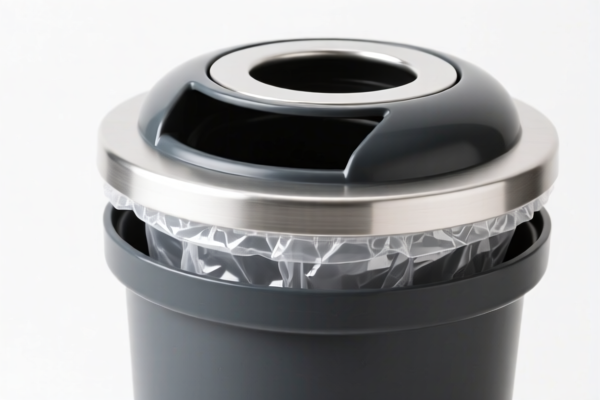
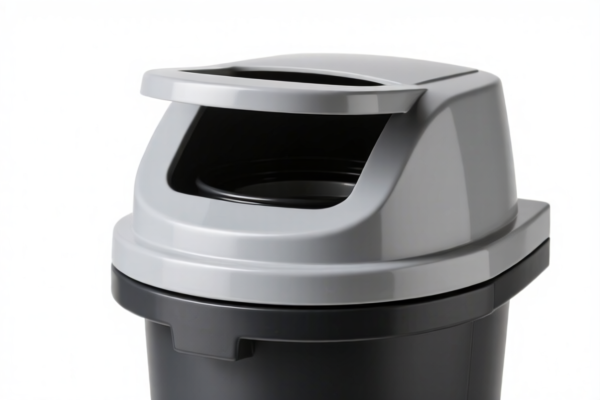
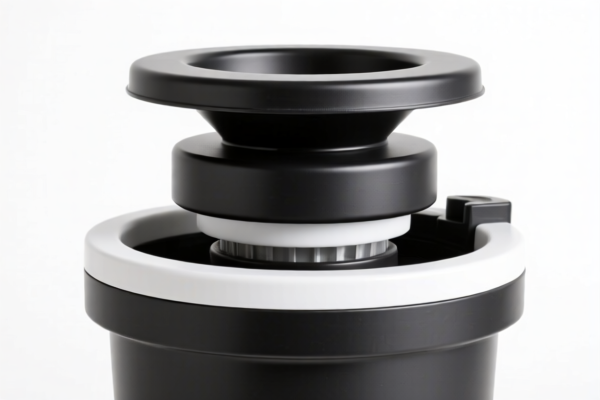
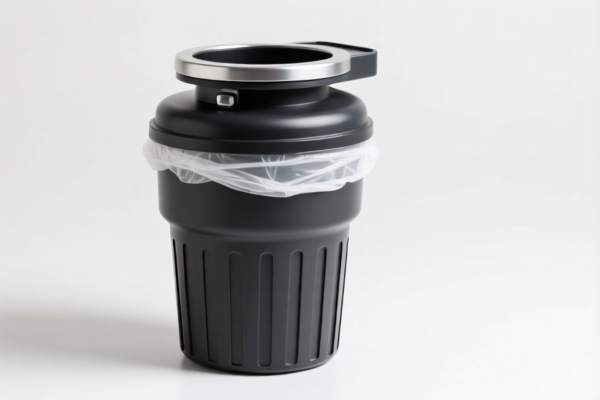
AI Analysis
🗑️ Kitchen Waste Disposer / Food Waste Container
(Note: In international trade and customs classification, "Kitchen Waste Food Container" usually refers to Kitchen Waste Disposers (electronic/mechanical units) or Food Waste Bins (storage). Based on the provided HS Code data which heavily features "Garbage Processors" and "Motorized Appliances", we assume the product is an Electric Kitchen Waste Disposer installed under the sink, or a motorized food waste unit.)
🌐 HS Code Reference & Customs Clearance Guide | 2026 Latest Tariff Analysis | Professional Strategy
📌 I. Product Definition: What Exactly Are We Shipping?
In the context of the provided data, the product is identified as a Kitchen Waste Disposer (Garbage Processor). It is distinct from simple storage bins. It is an appliance designed to grind food waste.
Key Distinction:
Electric/Motorized Disposer: Contains an electric motor, grinding chamber, and drainage interface. → Subject to complex HS codes (8509/8438).
* Non-Motorized Bin: Just a bucket or bin. → Not covered by the provided DATA (would be 3924 or 7323).*
⚠️ Critical Warning for Shippers:
Do not simply label it as "Container." You MUST specify if it is Motorized. The provided data applies to Motorized/Electrical units. If your product has a motor, it falls into the categories below. If it is just a plastic bin, this tariff analysis is NOT applicable.
📦 II. HS Code Classification Matrix (Based on Provided DATA)
The classification depends entirely on the technical construction and primary function as defined by the US Harmonized Tariff Schedule (HTSUS).
| HS Code | Product Description (Summary) | Key Classification Criteria | Applicable Scenario |
|---|---|---|---|
| 8509.80.20.00 | Kitchen Waste Disposer (Exact Match) |
Direct Fit: Specifically classified for kitchen waste disposal units where the use is fully consistent with this specific subheading. | Standard household electric garbage disposers. |
| 8509.90.55.00 | Kitchen Waste Disposer (General Electric Home Appliance) |
Mechanical/Electric: Classified as a "Mechanical household appliance" with a self-contained electric motor, but not fitting the specific "garbage processor" subheading of 8509.80. | Disposers that might be considered general "electromechanical household appliances" rather than specific waste processors. |
| 8438.80.00.00 | Food Processing Machinery | Industrial/Commercial Grade: Classified as machinery for the preparation or processing of food, not strictly a "household appliance" in the sense of 8509. | Commercial-grade units or those explicitly designed as "food processing equipment" rather than waste disposal. |
🔍 Analysis of the Discrepancy:
Why are there three codes for seemingly the same product?
8509.80.20.00 is the most specific for "Kitchen Waste Disposers."
8509.90.55.00 captures other motorized home appliances.
8438.80.00.00 treats it as industrial food prep machinery.
Customs Officers will look at the name, function, and motor specs. Misclassification leads to different duty rates (see below).
💰 III. 2026 Tariff Rate Breakdown (US Market – China Origin)
✅ Applicable Country: USA (US)
✅ Origin: China (CN)
✅ Effective Date: Post-2025 Trade Policies (Section 301 & IEEPA)
All three HS Codes carry significant additional duties due to US-China trade tensions.
🎯 1. HS Code 8509.80.20.00 (Most Likely Fit)
| Item | Rate / Detail |
|---|---|
| Base Duty | 0.0% |
| Section 301 Duty | +25.0% |
| Section 122 Duty (IEEPA) | +10.0% |
| Total Effective Duty | 35.0% |
| Legal Basis | USITC:8509.80.20.00 + USITC Footnote 9903.88.01 (25%) + IEEPA:9903.01.25 (10%) |
📌 Explanation:
This is the most favorable rate among the options. The base duty is 0%, but the "Trade War" surcharges (25% + 10%) apply heavily.
🎯 2. HS Code 8509.90.55.00 (General Appliance)
| Item | Rate / Detail |
|---|---|
| Base Duty | 4.2% |
| Section 301 Duty | +25.0% |
| Section 122 Duty (IEEPA) | +10.0% |
| Total Effective Duty | 39.2% |
| Legal Basis | USITC:8509.90.55.00 + USITC Footnote 9903.88.01 (25%) + IEEPA:9903.01.25 (10%) |
📌 Explanation:
By classifying as a general "electromechanical appliance" instead of a specific "garbage processor," you lose the 0% base duty benefit. Total tax is 39.2%, which is 4.2% higher than the specific classification.
🎯 3. HS Code 8438.80.00.00 (Food Machinery)
| Item | Rate / Detail |
|---|---|
| Base Duty | 0.0% |
| Section 301 Duty | +25.0% |
| Section 122 Duty (IEEPA) | +10.0% |
| Total Effective Duty | 35.0% |
| Legal Basis | USITC:8438.80.00.00 + USITC Footnote 9903.88.01 (25%) + IEEPA:9903.01.25 (10%) |
📌 Explanation:
This rate matches the best case (35%), BUT it is riskier. Customs may reject "Food Machinery" classification for a household waste unit unless it is clearly industrial/commercial grade. If rejected, you may face penalties for incorrect declaration.
🛠️ IV. Customs Clearance Strategy & Recommendations
✅ 1. Documentation Requirements (The "Golden Bundle")
To ensure clearance under 8509.80.20.00 (the most common and stable classification for disposers), you must provide:
| Document | Purpose |
|---|---|
| Product Specification Sheet | Must explicitly state: "Kitchen Waste Disposer," "Electric Motor," "Grinding Chamber Capacity," "Voltage/Frequency." |
| Circuit Diagram / Motor Specs | Proves it is an electromechanical appliance (Chapter 85), not just mechanical machinery (Chapter 84). |
| User Manual | Shows it is intended for Household use (supports 8509) vs. Industrial use (8438). |
| Commercial Invoice | Description must match the HS Code summary: "Electric Kitchen Garbage Disposer for Home Use." |
| UL/ETL Certification | Critical for electrical safety compliance in the US. |
✅ 2. Declaration Tactics
🔥 Key Phrase for Invoice:
"Kitchen Waste Disposer, Electric, Model XYZ, for Household Use, Not for Industrial Food Processing."
- Why? Avoid 8438.80.00.00. While the tax is the same (35%), the risk of audit is higher because it’s a "Food Processing Machine." Stick to Household Appliance language.
- Preferred Code: Aim for 8509.80.20.00. If the specific subheading 20.00 is contested, the fallback is 8509.90.55.00, but be prepared to pay the extra 4.2% on the base value if customs insists it’s a "general appliance."
✅ 3. Pitfalls to Avoid
| Mistake | Consequence | Solution |
|---|---|---|
| Labeling as "Food Container" | Customs may classify under Chapter 39 (Plastics) or 73 (Steel), which have different tariff structures and lack the specific "Garbage Disposer" notes. | Always use "Disposer", "Processor", or "Grinder" in the description. |
| Claiming it's Industrial (8438) | Higher scrutiny on "Food Processing" definition. | If it's for home use, DO NOT declare as industrial machinery. |
| Ignoring IEEPA 122 Clause | Underpaying 10% of the value. | Ensure your broker applies the 10% IEEPA surcharge. Total is not just 25% (301) but 35% (301+IEEPA) or 39.2% (Base+301+IEEPA). |
🌍 V. Market Comparison & Final Advice
| Market | Recommended HS Code | Total Duty (China Origin) | Notes |
|---|---|---|---|
| 🇺🇸 USA | 8509.80.20.00 | 35.0% | Best fit for household electric disposers. |
| 🇨🇳 China | Import Review | Varies | If re-exporting to US, ensure final destination is declared correctly. |
| 🇪🇺 EU | Not Covered | ~0-10% | EU has different HS codes (8509.80 is similar, but no Section 301/IEEPA equivalents). |
📌 Final Verdict:
For Electric Kitchen Waste Disposers exported from China to the US:
1. Primary Choice: 8509.80.20.00 (Total Duty: 35.0%)
2. Backup Choice: 8509.90.55.00 (Total Duty: 39.2%)
3. Avoid: 8438.80.00.00 unless it is genuinely commercial equipment, due to audit risk.
🚀 Action Item:
Confirm with your manufacturer if the unit is strictly for household use. If yes, insist on 8509.80.20.00 on the commercial invoice to minimize regulatory friction, even if the tax rate is similar to 8438. Always budget for the 35% total duty (0% base + 25% 301 + 10% 122).
✨ Professional Clearance, Precise Classification!
💼 Don't let "Container" vs. "Disposer" cost you an extra 4.2% or trigger an audit!
Customer Reviews
About HS Code Classification
The Harmonized System (HS) is an internationally standardized nomenclature developed by the World Customs Organization (WCO) to classify traded products. Over 200 countries use the HS system as the basis for customs tariffs, trade statistics, and import/export regulations.
Each HS code follows a hierarchical structure:
- Chapter (2 digits) — Broad category of goods (e.g., Chapter 84: Machinery and Mechanical Appliances)
- Heading (4 digits) — More specific grouping within the chapter
- Subheading (6 digits) — Internationally standardized breakdown, used by all WCO member countries
- National subdivisions (8-10 digits) — Country-specific extensions for further classification, such as US HTSUS 10-digit codes
Correct HS code classification is essential for smooth customs clearance, accurate duty payment, and compliance with trade regulations. Misclassification can lead to customs delays, overpayment of duties, or penalties.
When importing from CN to US, the applicable tariff rates may include:
- Most-Favored-Nation (MFN) rate — The standard duty rate applied to WTO members
- General rate — Applied to countries without trade agreements
- Trade remedy duties — Additional tariffs such as Section 301 (anti-dumping), Section 232 (national security), or countervailing duties
The information provided on this page is for reference purposes only. For official classification, please consult with your local customs authority or a licensed customs broker.