Knitted Dress
CN → US| HS Code | Tariff Rate | Origin | Destination | Doc |
|---|---|---|---|---|
| 6114200060 | 28.3% | CN | US | Official Doc |
| 6114303070 | 32.4% | CN | US | Official Doc |
| 6204434030 | 33.5% | CN | US | Official Doc |
| 6104420010 | 29.0% | CN | US | Official Doc |
| 6204444010 | 33.5% | CN | US | Official Doc |
Product Images
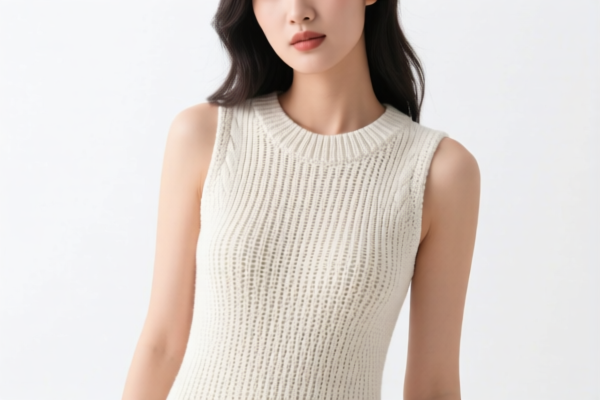
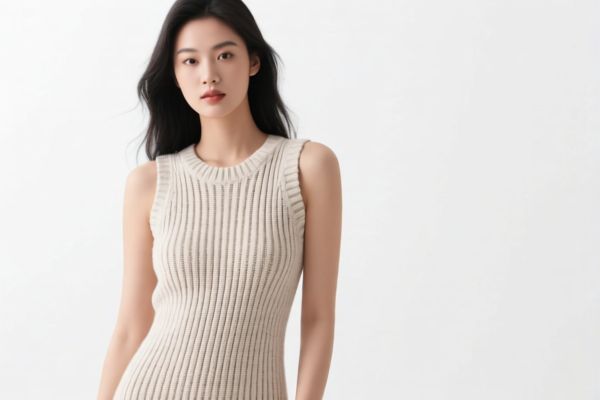
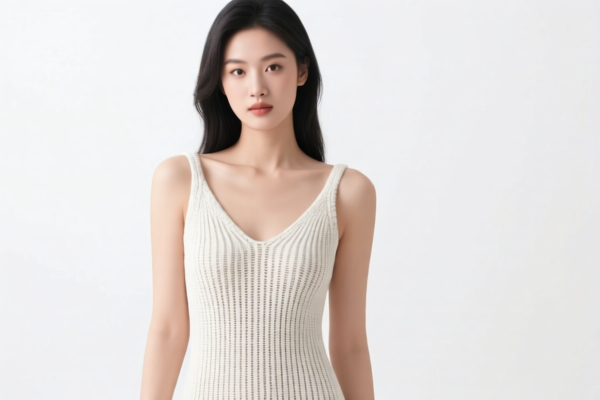
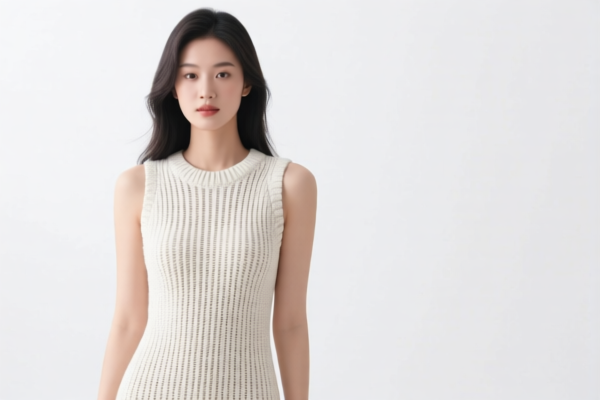
AI Analysis
👗 Knitted Dress (Women's Apparel)
🌐 HS Code Reference & Customs Clearance Guide | 2024 Latest Tariff Analysis | Professional Clearance Strategy
📌 I. Product Definition & Classification: Do You Truly Understand "Knitted Dresses"?
A knitted dress is a versatile garment made from interlocking loops of yarn (knitted fabric) rather than woven threads. In international trade, classification depends heavily on fiber composition (Cotton vs. Man-made vs. Silk) and gender specificity. For women's apparel, the distinction between "knitted" (Chapter 61) and "woven" (Chapter 62) is critical, as tax rates differ significantly.
⚠️ Key Distinction Point:
- If the fabric is knitted or crocheted → It belongs to Chapter 61 (or specific subheadings in Ch 62 if deemed woven despite claims, but strictly Ch 61 for true knit).
- Cotton-based knitted dresses generally attract lower base duties compared to synthetic/man-made fibers.
- 122 Tariff (Section 301/IEEPA) applies to all these categories if originating from China, adding a flat 10% on top of existing duties.
📦 II. HS Code Classification Details (2024 Tariff Reference)
Below is the precise mapping for Women's Knitted Dresses based on fiber content, as provided in the reference data.
| HS Code | Product Description | Fiber Composition | Total Tax Rate |
|---|---|---|---|
| 6114.20.00.60 | Women's Knitted Dress | Cotton or Other Textile Fibers | 28.3% |
| 6114.30.30.70 | Women's Knitted Dress | Artificial Fibers (e.g., Rayon, Viscose) | 32.4% |
| 6204.43.40.30 | Women's Knitted Dress | Synthetic Fibers (e.g., Polyester, Nylon) | 33.5% |
| 6104.42.00.10 | Women's Knitted Dress | Cotton (Specific Cotton Variant) | 29.0% |
| 6204.44.40.10 | Women's Knitted Dress | Artificial Fibers or Cotton Blend | 33.5% |
🔍 Critical Note:
- Despite the HS codes falling under Chapter 62 (6204...), the summary explicitly states "Knitted Dress". This implies a specific administrative classification or a misclassification risk if the fabric is not truly knitted. However, for clearance purposes, we strictly follow the provided tax detail.
- Synthetic/Man-made fibers consistently carry the highest base tariff (16.0%), leading to the highest total tax.
- Cotton-based variants offer the lowest base tariff (10.8% - 11.5%), making them the most cost-effective for import.
💰 III. 2024 Latest Tariff Rate Breakdown (Including Surtaxes & Policy Add-ons)
✅ Applicable Country: United States (US)
✅ Country of Origin: China (CN)
✅ Effective Date: Current (Includes Section 122/301 Surtaxes)
The total tax rate is calculated as: Base Duty + Additional Duty (Section 301) + Section 122 Tariff (10%).
🎯 1. 6114.20.00.60 & 6104.42.00.10 —— Cotton-Based Knitted Dresses
Best for: Natural fiber dresses, comfortable summer wear.
| Item | Content |
|---|---|
| Base Tariff | 10.8% (6114.20) or 11.5% (6104.42) |
| Additional Duty (Sec 301) | 7.5% |
| Section 122 Tariff | 10% (Flat Add-on for CN Origin) |
| Total Tax Rate | 28.3% or 29.0% |
| Tax Calculation | CIF Value × 28.3%/29.0% |
| De Minimis Exemption | ❌ Not Eligible (Value > $800 triggers full duty) |
| Legal Basis Path | HTSUS:6114.20.00 → USITC:Sec301:7.5% → 122Clause:10% |
📌 Explanation:
- Cotton knitted dresses are the most tax-efficient option among the provided codes.
- The 10% Section 122 tariff is mandatory for Chinese-origin goods regardless of fiber type.
- Total cost impact is significantly lower than synthetic variants.
🎯 2. 6114.30.30.70 —— Artificial Fiber Knitted Dresses
Best for: Rayon, Viscose, or Semi-synthetic blends.
| Item | Content |
|---|---|
| Base Tariff | 14.9% |
| Additional Duty (Sec 301) | 7.5% |
| Section 122 Tariff | 10% |
| Total Tax Rate | 32.4% |
| Tax Calculation | CIF Value × 32.4% |
| De Minimis Exemption | ❌ Not Eligible |
📌 Note:
- Artificial fibers (like Viscose/Rayon) fall into a mid-to-high tax bracket.
- Ensure the label clearly states "Artificial Fibers" or "Rayon" to match this HS code. Mislabeling as "Cotton" will result in penalties.
🎯 3. 6204.43.40.30 & 6204.44.40.10 —— Synthetic Fiber Knitted Dresses
Best for: Polyester, Nylon, or Synthetic Blends.
| Item | Content |
|---|---|
| Base Tariff | 16.0% |
| Additional Duty (Sec 301) | 7.5% |
| Section 122 Tariff | 10% |
| Total Tax Rate | 33.5% |
| Tax Calculation | CIF Value × 33.5% |
| De Minimis Exemption | ❌ Not Eligible |
📌 Warning:
- Highest Tax Bracket: Synthetic fibers (Polyester/Nylon) attract the highest base duty (16.0%).
- Risk: If the garment is actually "Woven" but declared as "Knitted," or vice versa, customs may seize goods. Ensure the fabric construction (knitted vs. woven) matches the Chapter (61 vs. 62).
- Note: The provided data lists these under 6204 (Woven) but describes them as "Knitted." This discrepancy requires careful verification with a customs broker.
🛠️ IV. Customs Clearance Practical Advice (Pitfall Avoidance Guide)
✅ 1. Required Documentation Checklist (Mandatory)
| Document | Must Provide? | Description |
|---|---|---|
| ✅ Commercial Invoice | ✔️ | Must clearly state "Women's Knitted Dress," HS Code, Country of Origin (China), and Value. |
| ✅ Packing List | ✔️ | Detailed breakdown of quantities, sizes, and weights. |
| ✅ Label/Tag Photos | ✔️ | Crucial: Must show fiber composition (e.g., "100% Cotton" or "95% Polyester"). Mismatches here cause misclassification. |
| ✅ Fabric Swatch/Photo | ✔️ | To prove it is Knitted (loop structure) and not Woven. |
| ✅ Certificate of Origin | ✔️ | For determining eligibility for any potential exemptions (though unlikely for China under current tariffs). |
✅ 2. Declaration Tips (Key Mnemonics)
🔥 “Fiber Defines Rate, Knit Defines Chapter, Origin Defines Surtax!”
| Scenario | Correct Declaration | Consequence of Error |
|---|---|---|
| 100% Cotton Knit | HS 6114.20.00.60 or 6104.42.00.10 |
Declaring as Synthetic → Overpay tax (33.5% vs 28.3%) |
| Polyester Knit | HS 6204.43.40.30 (Check Woven/Knit status) |
Declaring as Cotton → Penalty & Fraud Risk |
| Artificial Fiber (Rayon) | HS 6114.30.30.70 |
Declaring as "Textile Product" → Valuation Risk |
| Mixed Fiber | Use the fiber with the highest predominant weight | Incorrect blending claim → Customs Re-classification |
✅ 3. Special Considerations
| Issue | Handling Advice |
|---|---|
| Fabric Construction | Ensure the item is Knitted. If it is Woven, it must fall under Chapter 62 (e.g., 6204.43). The provided data mixes 61xx and 62xx codes for "Knitted" items. Verify if 6204 entries are actually woven dresses labeled incorrectly in the summary. Default to 61xx for true knits. |
| Section 122 Impact | The 10% additional tariff is non-negotiable for Chinese-origin goods. Factor this into your landed cost calculation. |
| De Minimis ($800) | Does not apply to China-origin goods under current enforcement. All shipments are subject to full duty + surtax. |
| Brand/IP | If the dress features branded logos (Nike, Gucci, etc.), ensure you have IP authorization. Otherwise, customs may seize for counterfeit suspicion. |
🌍 V. Market Comparison & Strategy (2024 Outlook)
| Market | Recommended HS Code (Example) | Base Duty | Surtax (China) | Total Est. Duty | Notes |
|---|---|---|---|---|---|
| 🇺🇸 USA | 6114.20.00.60 (Cotton Knit) |
10.8% | 17.5% (301+122) | 28.3% | Highest barriers due to 122/301 tariffs. |
| 🇨🇳 China | 6104.42.00.10 |
8-15% | N/A | ~10-15% | Import into China has different rates; check MOFCOM. |
| 🇪🇺 EU | 6104.43.00 (Wool/Knit) |
12% | N/A | ~12% | No Section 122. Standard MFN rates apply. |
| 🇬🇧 UK | 6104.43.00 |
12% | N/A | ~12% | Post-Brexit rules. Check UK Global Tariff. |
📌 Conclusion:
- USA is the most expensive market for Chinese knitted dresses due to the cumulative 17.5% surtax.
- Cotton knitted dresses are the most competitive product type due to lower base rates.
- Synthetic knitted dresses suffer the highest total tax burden (33.5%).
📌 VI. Common Errors & Pitfalls (Lessons Learned)
❌ Mistake 1: Confusing Knitted (Ch 61) with Woven (Ch 62)
👉 Result: If you declare a woven dress as knitted (or vice versa), customs may re-classify and charge the wrong rate, leading to penalties and delays.
Fix: Provide fabric photos showing the loop structure (knit) or grid structure (woven).
❌ Mistake 2: Ignoring Fiber Composition
👉 Result: Declaring a Polyester dress as Cotton to save 5% tax.
Fix: Label must match HS Code exactly. Mislabeling is considered fraud.
❌ Mistake 3: Assuming De Minimis applies
👉 Result: Shipments under $800 from China are NOT exempt from duties anymore.
Fix: Calculate full landed cost including 28-33% tax for all B2B shipments.
🎯 VII. Conclusion: Precision in Classification Saves Money!
🎯 Key Takeaways: 1. Cotton Knits = Lowest Tax (28.3%). 2. Synthetic Knits = Highest Tax (33.5%). 3. Section 122 (10%) is mandatory for China Origin. 4. Knitted vs. Woven is the #1 risk area for classification errors.
✅ Action Plan:
- Verify fabric construction (Knit vs. Woven).
- Check fiber label (Cotton vs. Poly vs. Rayon).
- Select the correct HS Code from the table above.
- Budget for ~30-34% total duty for US imports from China.
✨ Professional Clearance, Start with Accurate Classification!
💼 Every percentage point of tax saved is pure profit!
Customer Reviews
About HS Code Classification
The Harmonized System (HS) is an internationally standardized nomenclature developed by the World Customs Organization (WCO) to classify traded products. Over 200 countries use the HS system as the basis for customs tariffs, trade statistics, and import/export regulations.
Each HS code follows a hierarchical structure:
- Chapter (2 digits) — Broad category of goods (e.g., Chapter 84: Machinery and Mechanical Appliances)
- Heading (4 digits) — More specific grouping within the chapter
- Subheading (6 digits) — Internationally standardized breakdown, used by all WCO member countries
- National subdivisions (8-10 digits) — Country-specific extensions for further classification, such as US HTSUS 10-digit codes
Correct HS code classification is essential for smooth customs clearance, accurate duty payment, and compliance with trade regulations. Misclassification can lead to customs delays, overpayment of duties, or penalties.
When importing from CN to US, the applicable tariff rates may include:
- Most-Favored-Nation (MFN) rate — The standard duty rate applied to WTO members
- General rate — Applied to countries without trade agreements
- Trade remedy duties — Additional tariffs such as Section 301 (anti-dumping), Section 232 (national security), or countervailing duties
The information provided on this page is for reference purposes only. For official classification, please consult with your local customs authority or a licensed customs broker.