Knitted Fabric Gloves
CN → US| HS Code | Tariff Rate | Origin | Destination | Doc |
|---|---|---|---|---|
| 6216009000 | 21.3% | CN | US | Official Doc |
| 6216008000 | 21.0% | CN | US | Official Doc |
| 6117809570 | 32.1% | CN | US | Official Doc |
| 6117809510 | 32.1% | CN | US | Official Doc |
| 6116928800 | 26.9% | CN | US | Official Doc |
| 6116939400 | 28.6% | CN | US | Official Doc |
Product Images
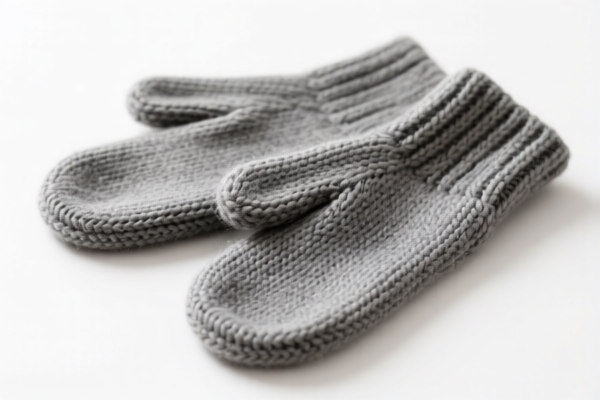
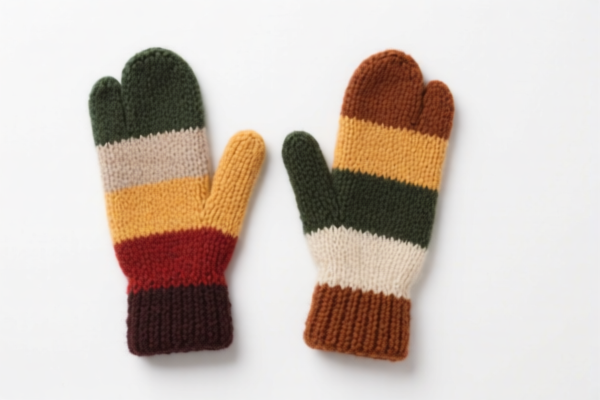
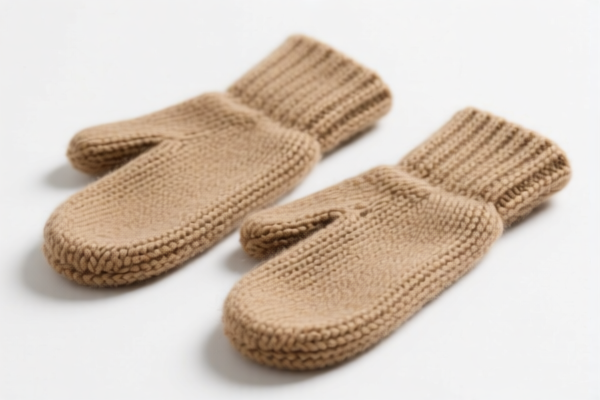
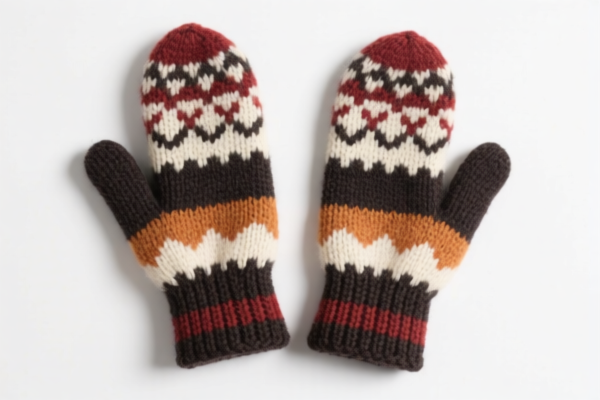
AI Analysis
🧤 Knitted Fabric Gloves (针织织物手套)
🌐 HS Code Reference & Customs Clearance Guide | 2026 Latest Tariff Analysis | Professional Entry Strategy
📌 I. Product Definition & Classification: What Are "Knitted Fabric Gloves"?
Knitted fabric gloves are protective or fashion accessories made from textile materials via knitting techniques. In international trade, classification hinges on three critical factors: 1. Form: Knitted (Textile category). 2. Use: Protective (industrial) or Fashion/General use. 3. Material: The most decisive factor for HS Code selection (Cotton, Wool, Synthetic Fibers, etc.).
⚠️ Key Distinction Point:
- If made of Wool/Fine Animal Hair →归入 6216.00.80.00
- If made of Cotton or "Other Textiles" (Generic/Industrial) →归入 6216.00.90.00
- If classified under Chapter 61 (Knitted Clothing Accessories) rather than Chapter 62 →归入 6116 series (e.g., 6116.92.88.00, 6116.93.94.00, 6117.80.95.70)
- Note: Chapter 62 is generally for non-knitted, but the provided data indicates specific "knitted" entries under 6216, likely reflecting specific national tariff nomenclature nuances or historical classifications where certain knitted gloves are grouped here. For Chapter 61, these are explicitly "Knitted" clothing accessories.
📦 II. HS Code Classification Details (2026 Latest Tariff Authority Comparison)
Based on the provided data, here are the 6 potential HS Codes for Knitted Fabric Gloves, ranked by logical material inference and tax efficiency.
| HS Code | Product Description | Material Assumption | Tax Efficiency |
|---|---|---|---|
6216.00.80.00 |
Gloves, knitted, of wool or fine animal hair | Wool / Fine Animal Hair | ⭐ Best (21.0%) |
6216.00.90.00 |
Gloves, knitted, of other textile materials | Cotton / General Textile | ⭐ Good (21.3%) |
6116.92.88.00 |
Knitted gloves, other materials, of cotton | Cotton (Knitted Accessory) | ⚠️ High (26.9%) |
6116.93.94.00 |
Knitted gloves, other materials, synthetic fibers | Synthetic Fibers | ⚠️ High (28.6%) |
6117.80.95.10 |
Other made-up clothing accessories, knitted, cotton | Cotton (General Accessory) | ❌ Highest (32.1%) |
6117.80.95.70 |
Other made-up clothing accessories, knitted, other | "Other" Materials | ❌ Highest (32.1%) |
🔍 重点提醒:
- Chapter 62 (6216) is generally preferred for specific glove classifications over Chapter 61 if the product fits the definition, as it carries a significantly lower base tariff (3.5%-3.8%) compared to Chapter 61 (14.6%). - Material is King: You must know the exact fiber content (Cotton vs. Wool vs. Synthetic) to choose between 6216.80, 6216.90, 6116.92, 6116.93, or 6117.80. - Do NOT guess: Misclassifying "Cotton" as "Other" in Chapter 61 could lead to overpayment, but misclassifying "Wool" as "Cotton" could lead to rejection or penalties.
💰 III. 2026 Latest Tariff Rate Breakdown (Including Surcharges & Policy Add-ons)
✅ Applicable Country: United States (US)
✅ Origin: China (CN)
✅ Effective Time: 2025/2026 (Current Trade Policy)
🎯 1. 6216.00.80.00 – Gloves, Knitted, of Wool or Fine Animal Hair
| Item | Content |
|---|---|
| Base Tariff | 3.5% (ad valorem) |
| Section 301 Tariff (Additional) | +7.5% |
| Section 122 Tariff | +10% |
| Total Tariff Rate | 21.0% |
| Tax Calculation | CIF Value × 21.0% |
| De Minimis Eligibility | ❌ No (High value risk) |
| Legal Basis Path | Base: 6216.00.80.00 → Sec301: 7.5% → Sec122: 10% |
📌 Explanation:
- This is the most economical option among the listed codes. - Wool/Fine Animal Hair has a lower base duty (3.5%) compared to other textiles. - Total effective rate: 21.0%.
🎯 2. 6216.00.90.00 – Gloves, Knitted, of Other Textile Materials
| Item | Content |
|---|---|
| Base Tariff | 3.8% (ad valorem) |
| Section 301 Tariff (Additional) | +7.5% |
| Section 122 Tariff | +10% |
| Total Tariff Rate | 21.3% |
| Tax Calculation | CIF Value × 21.3% |
| De Minimis Eligibility | ❌ No |
| Legal Basis Path | Base: 6216.00.90.00 → Sec301: 7.5% → Sec122: 10% |
📌 Explanation:
- Covers Cotton or other general textile gloves not specified elsewhere. - Slightly higher base duty (3.8%) results in a total of 21.3%. - Recommendation: If your product is Cotton, use this code instead of Chapter 61 codes to save ~5-11% in taxes.
🎯 3. 6116.92.88.00 – Knitted Gloves, Other Materials, of Cotton
| Item | Content |
|---|---|
| Base Tariff | 9.4% (ad valorem) |
| Section 301 Tariff (Additional) | +7.5% |
| Section 122 Tariff | +10% |
| Total Tariff Rate | 26.9% |
| Tax Calculation | CIF Value × 26.9% |
| De Minimis Eligibility | ❌ No |
| Legal Basis Path | Base: 6116.92.88.00 → Sec301: 7.5% → Sec122: 10% |
📌 Explanation:
- Classified under Chapter 61 (Knitted/Crocheted). - Base duty is 9.4%, significantly higher than Chapter 62. - Total rate: 26.9%. Only use if customs specifically requires Chapter 61 for this product type.
🎯 4. 6116.93.94.00 – Knitted Gloves, Other Materials, Synthetic Fibers
| Item | Content |
|---|---|
| Base Tariff | 18.6% (ad valorem) |
| Section 301 Tariff (Additional) | +0.0% |
| Section 122 Tariff | +10% |
| Total Tariff Rate | 28.6% |
| Tax Calculation | CIF Value × 28.6% |
| De Minimis Eligibility | ❌ No |
| Legal Basis Path | Base: 6116.93.94.00 → Sec122: 10% |
📌 Explanation:
- For Synthetic Fiber knitted gloves in Chapter 61. - Notably, Section 301 is 0% for this specific subheading in the provided data, but the base duty is very high (18.6%). - Total rate: 28.6%.
🎯 5. 6117.80.95.10 & 6117.80.95.70 – Other Made-Up Clothing Accessories, Knitted
| Item | Content |
|---|---|
| Base Tariff | 14.6% (ad valorem) |
| Section 301 Tariff (Additional) | +7.5% |
| Section 122 Tariff | +10% |
| Total Tariff Rate | 32.1% |
| Tax Calculation | CIF Value × 32.1% |
| De Minimis Eligibility | ❌ No |
| Legal Basis Path | Base: 6117.80.95.xx → Sec301: 7.5% → Sec122: 10% |
📌 Explanation:
- These are catch-all codes for knitted accessories not specifically classified as gloves in other subheadings. - Highest Tax Rate: 32.1%. - Recommendation: Avoid unless no other specific glove code applies. These are often used for "fashion gloves" or "accessories" that don't fit protective glove definitions.
🛠️ IV. Customs Clearance Practical Advice (Battle-Proven Pitfall Guide)
✅ 1. Preparation Checklist (Mandatory)
| Document | Required? | Description |
|---|---|---|
| ✅ Material Composition Label | ✔️ | Must specify % of Cotton, Wool, Synthetic, etc. |
| ✅ Product Photos | ✔️ | Clear images of gloves, showing knitted texture, labels, and packaging. |
| ✅ Commercial Invoice | ✔️ | Clearly state "Knitted Fabric Gloves" + Material (e.g., "100% Cotton Knitted Gloves"). |
| ✅ Packing List | ✔️ | Include unit weight and total quantity. |
| ✅ Test Report | ✔️ | For safety chemicals (if applicable), especially for children's gloves. |
| ✅ Labeling Compliance | ✔️ | Must comply with US FTC labeling laws (Fiber content, Country of Origin). |
✅ 2. Declaration Tips (Key Mantras)
🔥 “Material First, Chapter 62 Preferred, Name Specific, Tax Minimized!”
| Scenario | Correct Declaration | Wrong Practice |
|---|---|---|
| Wool Gloves | HS: 6216.00.80.00 |
Misdeclare as "Cotton" → Penalty for fraud |
| Cotton Gloves | HS: 6216.00.90.00 |
Misdeclare as Chapter 61 → Overpay by 5-11% |
| Synthetic Gloves | HS: 6116.93.94.00 |
Misdeclare as Wool → High risk of seizure |
| Generic "Fabric Gloves" | Specify Material! | "Knitted Fabric Gloves" (Vague) → Customs may assess highest rate or demand info |
✅ 3. Special Situation Handling
| Situation | Handling Advice |
|---|---|
| Mixed Materials | Declare the material that gives the essential character. If >50% Wool, use Wool code. |
| Children's Gloves | Additional scrutiny for safety. Ensure no small parts, check lead content. |
| Fashion vs. Protective | If for industrial use, emphasize "Protective Gloves" in description. If for fashion, emphasize "Fashion Knitted Gloves". |
| Origin: China | Remember the Total Tariff includes Section 301 (7.5%) and Section 122 (10%). No de minimis exemption. |
🌍 V. Global Market Comparison (2026 Latest)
| Country/Region | Recommended HS Code | Tariff (China Origin) | Certification | Notes |
|---|---|---|---|---|
| 🇺🇸 USA | 6216.00.80.00 (Wool) |
21.0% | None specific | High tax due to Sec 301 + 122 |
| 🇺🇸 USA | 6216.00.90.00 (Cotton) |
21.3% | None specific | Slightly higher base duty |
| 🇪🇺 EU | 6116.93.00 (Synthetic) |
Various (Check CE) | CE, REACH | Lower base duty, no US-style surcharges |
| 🇨🇳 China | 6116.93.00 |
10-15% | CCC (if applicable) | Export from China may have different rates |
📌 Conclusion:
- USA is the most expensive market for Chinese-origin gloves due to dual surcharges (Sec 301 + Sec 122). - Chapter 62 is always cheaper than Chapter 61 for gloves, provided the material classification is correct. - Material accuracy is critical to avoid penalties and optimize tax.
📌 VI. Common Mistakes & Pitfall Guide (Lessons Learned)
❌ Mistake 1: Using "Gloves" without specifying material.
👉 Consequence: Customs may assign the highest possible rate (32.1%) or hold the shipment for inspection.
❌ Mistake 2: Declaring Cotton gloves under Chapter 61 (6116.92.88.00).
👉 Consequence: Overpaying 5.6% (26.9% vs 21.3%).
❌ Mistake 3: Ignoring Section 122 Tariff.
👉 Consequence: Unexpected 10% surcharge on all textile gloves from China.
❌ Mistake 4: Confusing "Knitted" vs "Woven".
👉 Consequence: Chapter 61/62 distinction is strict. Woven gloves fall under different codes.
✅ Correct Practice:
"Knitted Cotton Gloves, Industrial Grade, Model XYZ, 100% Cotton, Made in China"
🎯 VII. Conclusion: Professional Declaration Saves Money!
🎯 Remember the Mantra:
🔹 "Wool goes to 6216.80 (21%), Cotton goes to 6216.90 (21.3%), Avoid Chapter 61 if possible!"
🔹 "Material defines the code, Code defines the tax, Tax defines the profit!"
📌 Pro Tip:
If your gloves are made of Synthetic Fibers and you are forced to use Chapter 61 (6116.93.94.00), note that Section 301 is 0%, but the base duty is high (18.6%), totaling 28.6%. This might be better than some Chapter 62 alternatives if available, but generally, Chapter 62 is preferred for gloves.
📣 Immediate Action:
📞 Consult a licensed customs broker to confirm the exact material composition and apply for an Advance Ruling if the shipment value is high.
🚀 Accurate classification today saves thousands tomorrow!
✨ Professional Clearance Starts with Precise Classification!
💼 Every Cent of Tax Saved is Pure Profit!
Customer Reviews
About HS Code Classification
The Harmonized System (HS) is an internationally standardized nomenclature developed by the World Customs Organization (WCO) to classify traded products. Over 200 countries use the HS system as the basis for customs tariffs, trade statistics, and import/export regulations.
Each HS code follows a hierarchical structure:
- Chapter (2 digits) — Broad category of goods (e.g., Chapter 84: Machinery and Mechanical Appliances)
- Heading (4 digits) — More specific grouping within the chapter
- Subheading (6 digits) — Internationally standardized breakdown, used by all WCO member countries
- National subdivisions (8-10 digits) — Country-specific extensions for further classification, such as US HTSUS 10-digit codes
Correct HS code classification is essential for smooth customs clearance, accurate duty payment, and compliance with trade regulations. Misclassification can lead to customs delays, overpayment of duties, or penalties.
When importing from CN to US, the applicable tariff rates may include:
- Most-Favored-Nation (MFN) rate — The standard duty rate applied to WTO members
- General rate — Applied to countries without trade agreements
- Trade remedy duties — Additional tariffs such as Section 301 (anti-dumping), Section 232 (national security), or countervailing duties
The information provided on this page is for reference purposes only. For official classification, please consult with your local customs authority or a licensed customs broker.