Knitted Mesh Fabric
CN → US| HS Code | Tariff Rate | Origin | Destination | Doc |
|---|---|---|---|---|
| 5407309000 | 43.0% | CN | US | Official Doc |
| 6002908020 | 43.0% | CN | US | Official Doc |
| 6002408020 | 43.0% | CN | US | Official Doc |
| 5407912090 | 49.9% | CN | US | Official Doc |
| 5515110090 | 49.9% | CN | US | Official Doc |
| 5515190090 | 47.0% | CN | US | Official Doc |
Product Images
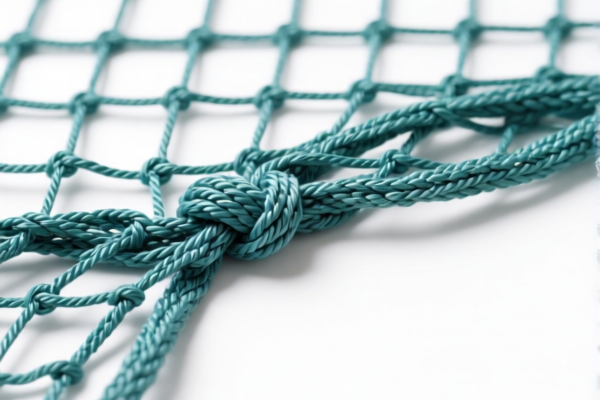
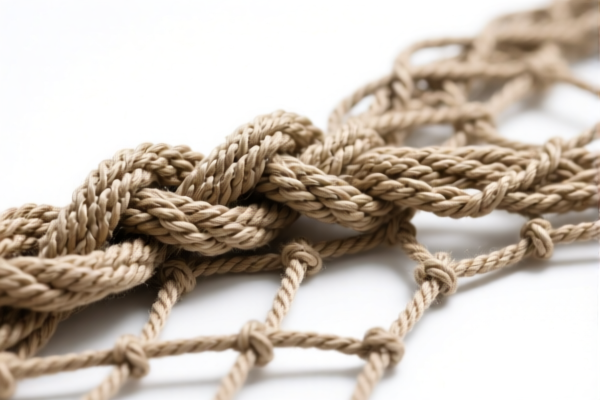


AI Analysis
🧶 Knitted Mesh Fabric (Netting Materials)
🌐 HS Code Classification & Customs Clearance Guide | 2026 Latest Tariff Analysis | Professional Compliance Strategy
📌 I. Product Definition & Classification: What Exactly is "Knitted Mesh"?
Knitted Mesh Fabric refers to openwork textiles characterized by regular holes or pores, created through knitting processes. In international trade, these fabrics are primarily classified based on their knitting structure (warp vs. weft) and raw material composition. The classification logic hinges on two main dimensions:
1. Structural Form (Knitting Method):
Warp-Knitted Mesh (经编): Produced on warp knitting machines (e.g., Tricot, Raschel). Common in sportswear, lace, and industrial nets.
Weft-Knitted Mesh (纬编): Produced on weft knitting machines. Often used in clothing linings, insect screens, and decorative nets.
2. Material Composition:
Synthetic Filament Yarns (合成长丝): Typically polyester, nylon, or rayon. This is the most common material for commercial mesh fabrics.
Staple Fibers (短纤维): Less common for high-grade mesh but possible.
⚠️ Key Distinction Point:
- If the fabric is openwork/lace-like and made of synthetic filaments → Look at Chapter 60 (Warp-Knitted) or Chapter 54 (Woven alternatives if misidentified).
- If the fabric is a standard synthetic fabric with a mesh structure → Look at Chapter 54 or 55.
- Material Conflict: Ensure the HS code selected matches the actual fiber content (e.g., Polyester vs. Nylon).
📦 II. HS Code Classification Details (2026 Latest Tariff Alignment)
Based on the provided data, here are the specific HS Code options for Knitted Mesh Fabric, categorized by structural interpretation and material inference.
| HS Code | Product Description | Application Scenario | Classification Logic |
|---|---|---|---|
5407.30.90.00 |
Woven Fabric of Synthetic Filament Yarns | Often confused with knitted mesh; used if the fabric is actually woven netting or if the "knitted" label is a misnomer for a synthetic filament fabric. | "Other" category for synthetic filament woven fabrics. No material conflict. |
6002.90.80.20 |
Warp-Knitted Fabric, Other, Openwork/Lace | High-quality warp-knitted mesh, intricate lace, or technical netting. Matches the "openwork" feature of knitted mesh. | Fits the characteristic of warp-knitted openwork fabrics. No material conflict. |
6002.40.80.20 |
Warp-Knitted Fabric, Width > 30cm, Other | Standard industrial warp-knitted mesh (e.g., for filters, agricultural nets) that is not specifically lace. | Matches the warp-knitted openwork feature. |
5407.91.20.90 |
Woven Fabric of Synthetic Filament Yarns, Other | Fallback classification if the fabric is deemed woven rather than knitted, made of synthetic filaments. | "Other" bottom-up logic for woven synthetic filament fabrics. Inferred from "woven form" assumption. |
5515.11.00.90 |
Woven Fabric of Synthetic Staple Fibers, Other | Fallback if the fabric is inferred to be made of synthetic staple fibers (not filaments) in a woven form. | "Other" bottom-up logic for woven synthetic staple fabric. |
5515.19.00.90 |
Woven Fabric of Synthetic Staple Fibers, Other | Another fallback for woven fabrics, potentially mixed with cotton or other fibers, fitting the "bottom-up" logic. | No material conflict; applies to mixed or unspecified synthetic staple woven fabrics. |
🔍 Critical Insight:
- HS Codes 6002.xx are the most accurate for true knitted mesh fabrics (specifically warp-knitted).
- HS Codes 5407/5515 are fallbacks or apply if the fabric is actually woven or if the material is inferred differently.
- Material Conflict Check: Ensure the primary fiber (e.g., Polyester, Nylon) matches the "synthetic filament/staple" requirement of the selected code.
💰 III. 2026 Latest Tariff Rate Breakdown (Including Surtaxes & Policy Add-ons)
✅ Applicable Country: United States (US)
✅ Origin: China (CN)
✅ Effective Date: 2025-11-10 onwards (including subsequent imports)
🎯 1. 5407.30.90.00 – Woven Fabric of Synthetic Filament Yarns
| Item | Details |
|---|---|
| Base Tariff Rate | 8.0% (Ad Valorem) |
| Section 301 Surtax | +25.0% |
| Section 122 Tariff | +10.0% |
| Total Tariff Rate | 43.0% |
| Calculation Basis | CIF Value × 43.0% |
| De Minimis Exemption | ❌ Not Applicable |
| Legal Basis Path | Base: 5407.30 → Sec301: +25% → Sec122: +10% |
📌 Explanation:
- This classification assumes the fabric is woven (common confusion).
- The 43% total rate is high due to the combination of Section 301 and Section 122 tariffs.
- Risk: Misclassifying a knitted fabric as woven here may lead to scrutiny if the knitting structure is obvious.
🎯 2. 6002.90.80.20 – Warp-Knitted Fabric, Other, Openwork/Lace
| Item | Details |
|---|---|
| Base Tariff Rate | 8.0% (Ad Valorem) |
| Section 301 Surtax | +25.0% |
| Section 122 Tariff | +10.0% |
| Total Tariff Rate | 43.0% |
| Calculation Basis | CIF Value × 43.0% |
| De Minimis Exemption | ❌ Not Applicable |
| Legal Basis Path | Base: 6002.90 → Sec301: +25% → Sec122: +10% |
📌 Explanation:
- This is the most likely correct classification for true knitted mesh (warp-knitted openwork).
- The 43% rate applies equally to this correct classification.
- Key Feature: "Openwork" (镂空) is explicitly mentioned, matching the mesh characteristic.
🎯 3. 6002.40.80.20 – Warp-Knitted Fabric, Width > 30cm, Other
| Item | Details |
|---|---|
| Base Tariff Rate | 8.0% (Ad Valorem) |
| Section 301 Surtax | +25.0% |
| Section 122 Tariff | +10.0% |
| Total Tariff Rate | 43.0% |
| Calculation Basis | CIF Value × 43.0% |
| De Minimis Exemption | ❌ Not Applicable |
| Legal Basis Path | Base: 6002.40 → Sec301: +25% → Sec122: +10% |
📌 Explanation:
- Also a correct classification for warp-knitted mesh if it doesn't qualify as "lace" under6002.90.
- Same 43% tariff burden.
- Ensure width specifications match customs records if audited.
🎯 4. 5407.91.20.90 – Woven Fabric of Synthetic Filament Yarns, Other
| Item | Details |
|---|---|
| Base Tariff Rate | 14.9% (Ad Valorem) |
| Section 301 Surtax | +25.0% |
| Section 122 Tariff | +10.0% |
| Total Tariff Rate | 49.9% |
| Calculation Basis | CIF Value × 49.9% |
| De Minimis Exemption | ❌ Not Applicable |
| Legal Basis Path | Base: 5407.91 → Sec301: +25% → Sec122: +10% |
📌 Explanation:
- Higher Risk Code: Applies if the fabric is misidentified as woven with a higher base rate.
- 49.9% is significantly higher than the 43% for knitted options.
- Recommendation: Avoid this code unless the fabric is definitively woven.
🎯 5. 5515.11.00.90 – Woven Fabric of Synthetic Staple Fibers, Other
| Item | Details |
|---|---|
| Base Tariff Rate | 14.9% (Ad Valorem) |
| Section 301 Surtax | +25.0% |
| Section 122 Tariff | +10.0% |
| Total Tariff Rate | 49.9% |
| Calculation Basis | CIF Value × 49.9% |
| De Minimis Exemption | ❌ Not Applicable |
| Legal Basis Path | Base: 5515.11 → Sec301: +25% → Sec122: +10% |
📌 Explanation:
- Applies if the fabric is woven and made of synthetic staple fibers (not filaments).
- 49.9% total rate.
- Rare for Mesh: Mesh is typically made from filaments for durability. Misclassification here leads to high costs.
🎯 6. 5515.19.00.90 – Woven Fabric of Synthetic Staple Fibers, Other
| Item | Details |
|---|---|
| Base Tariff Rate | 12.0% (Ad Valorem) |
| Section 301 Surtax | +25.0% |
| Section 122 Tariff | +10.0% |
| Total Tariff Rate | 47.0% |
| Calculation Basis | CIF Value × 47.0% |
| De Minimis Exemption | ❌ Not Applicable |
| Legal Basis Path | Base: 5515.19 → Sec301: +25% → Sec122: +10% |
📌 Explanation:
- Slightly lower than5515.11but still a woven classification.
- 47.0% total rate.
- Bottom-Up Logic: Used when other specific woven categories don't apply.
🛠️ IV. Customs Clearance Practical Advice (Battle-Tested Pitfall Avoidance)
✅ 1. Required Documentation Checklist (Non-Negotiable)
| Document | Must Provide | Purpose |
|---|---|---|
| ✅ Fabric Specification Sheet | ✔️ | Must state: "Knitted Mesh," "Warp-Knitted/Weft-Knitted," Fiber Content (e.g., 100% Polyester), GSM, Width. |
| ✅ Product Photos (Macro & Micro) | ✔️ | Crucial: Show the knitting loops (knitted) vs. interlacing threads (woven) to prove structure. |
| ✅ Commercial Invoice | ✔️ | Clearly state "Knitted Mesh Fabric" and the correct HS Code. |
| ✅ Packing List | ✔️ | Detail roll dimensions, weight, and quantity. |
| ✅ Origin Certificate (CO) | ✔️ | Required for US imports to prove Chinese origin. |
| ✅ Third-Party Test Report | ✔️ | Fiber content analysis (e.g., from SGS, Intertek) to support material classification. |
✅ 2. Declaration Tips (Key Mnemonics)
🔥 "Knit is Loop, Woven is Cross, Show the Structure, Don't Be Bossy!"
| Scenario | Correct Declaration | Wrong Practice |
|---|---|---|
| True Knitted Mesh (Warp) | 6002.90.80.20 or 6002.40.80.20 |
Mislabeling as "Woven Net" → 43% vs 43% (but risk of audit) |
| True Knitted Mesh (Weft) | Check Chapter 60 for weft-knitted netting (not in top 3, but 6002 covers warp; weft may fall under 6001 or 6002 depending on structure) |
Assuming all mesh is 5407 |
| Woven Netting | 5407.30.90.00 |
Calling it "Knitted" → 43% vs 49.9% (higher risk) |
| Mixed Material Mesh | 5515.19.00.90 (if staple) or 5407.91.20.90 (if filament) |
Ignoring material → Misclassification |
✅ 3. Special Case Handling
| Situation | Handling Advice |
|---|---|
| OEM Custom Mesh | Provide design files and sample photos to prove "openwork" structure. |
| Mesh with Coating/Backing | If coated, it may fall under Chapter 59. Consult expert before declaring as plain mesh. |
| Industrial vs. Apparel | Same HS code applies, but end-use may affect duty-free status if under specific trade agreements (rare for China-US). |
| High-Value Technical Mesh | Consider Advance Ruling from US CBP to lock in the 6002 classification and avoid 49.9% fallback rates. |
🌍 V. Global Market Customs Comparison (2026 Latest)
| Country/Region | Recommended HS Code | Tariff (China Origin) | Certification Requirements | Notes |
|---|---|---|---|---|
| 🇺🇸 USA | 6002.90.80.20 |
43.0% | N/A (No special cert required for fabric) | Highest duty due to Sec 301 + Sec 122. |
| 🇨🇳 China | 6002.90.80.20 |
8.0% | N/A | Base rate only, no surtaxes. |
| 🇪🇺 EU | 6002.90.80.20 |
6.5% (approx.) | REACH (Chemical safety) | No US-style surtaxes. |
| 🇦🇺 Australia | 6002.90.80.20 |
5.0% | N/A | Low tariff, no surtax. |
| 🇯🇵 Japan | 6002.90.80.20 |
8.0% - 9.0% | N/A | Moderate tariff. |
📌 Conclusion:
- USA is the only major market with punitive additional tariffs (43% total).
- China, EU, Australia, Japan have significantly lower tariff burdens.
- Strategic Advice: If targeting the US market, ensure exact classification to avoid disputes. If possible, consider supply chain diversification (e.g., Vietnam, Bangladesh) to bypass US surtaxes.
📌 VI. Common Errors & Pitfall Guide (Lessons from Blood & Tears)
❌ Error 1: Labeling Knitted Mesh as "Woven Fabric" (5407)
👉 Consequence: If audited, CBP may argue it's knitted (correct) but you declared it woven. Or, if it's actually woven, you might pay 49.9% instead of 43%. Classification accuracy is key.
❌ Error 2: Using "Lace" generic term for all mesh
👉 Consequence: Lace has specific HS codes. If it's just "mesh" (e.g., for clothing lining), 6002.90.80.20 is safer. Mislabeling can lead to compliance flags.
❌ Error 3: Ignoring Fiber Content
👉 Consequence: Declaring "Synthetic" without specifying filament vs. staple can lead to 5515 codes (47-49.9%). Provide test reports to support "filament" classification for 5407/6002.
❌ Error 4: Missing Section 122 & 301 in Cost Calculations
👉 Consequence: Budgeting for 8% base rate only. Actual cost is 43%. Financial loss if not planned.
✅ Correct Practice:
"Knitted Mesh Fabric, Warp-Knitted, 100% Polyester Filament, Openwork Structure, Width 150cm, GSM 50, Model: KNIT-MESH-001"
🎯 VII. Conclusion: Precision Classification, Cost Control, Smooth Clearance
🎯 Remember the Mnemonic:
🔹 "Knit is Loop, Woven is Cross, Show the Structure, Don't Be Bossy!"
🔹 "US Tariff is 43%, EU is 6.5%, Plan Your Supply Chain Early!"
🔹 "HS Code Determines Life, 5% Difference is Thousands of Dollars!"
📌 Pro Tip:
If your fabric originates from Vietnam, Bangladesh, Cambodia, or Indonesia, you may avoid US Section 301 & 122 tariffs, reducing the rate to 8.0% (Base).
Recommendation: Apply for Advanced Ruling (CBP) to confirm 6002.90.80.20 classification before bulk shipments.
📣 Immediate Action:
📞 Contact a Professional Customs Broker + Provide Fabric Samples + Apply for HS Code Advance Ruling
🚀 Let your Knitted Mesh Fabric Clear Customs Smoothly, Control Costs, and Maximize Profits!
✨ Professional Clearance Starts with Accurate Classification!
💼 Every Cent of Cost Deserves Precise Calculation!
Customer Reviews
About HS Code Classification
The Harmonized System (HS) is an internationally standardized nomenclature developed by the World Customs Organization (WCO) to classify traded products. Over 200 countries use the HS system as the basis for customs tariffs, trade statistics, and import/export regulations.
Each HS code follows a hierarchical structure:
- Chapter (2 digits) — Broad category of goods (e.g., Chapter 84: Machinery and Mechanical Appliances)
- Heading (4 digits) — More specific grouping within the chapter
- Subheading (6 digits) — Internationally standardized breakdown, used by all WCO member countries
- National subdivisions (8-10 digits) — Country-specific extensions for further classification, such as US HTSUS 10-digit codes
Correct HS code classification is essential for smooth customs clearance, accurate duty payment, and compliance with trade regulations. Misclassification can lead to customs delays, overpayment of duties, or penalties.
When importing from CN to US, the applicable tariff rates may include:
- Most-Favored-Nation (MFN) rate — The standard duty rate applied to WTO members
- General rate — Applied to countries without trade agreements
- Trade remedy duties — Additional tariffs such as Section 301 (anti-dumping), Section 232 (national security), or countervailing duties
The information provided on this page is for reference purposes only. For official classification, please consult with your local customs authority or a licensed customs broker.