Knitted or Crocheted Baby Clothing
CN → US| HS Code | Tariff Rate | Origin | Destination | Doc |
|---|---|---|---|---|
| 6109100070 | 34.0% | CN | US | Official Doc |
| 6112110010 | 32.4% | CN | US | Official Doc |
| 6109100027 | 34.0% | CN | US | Official Doc |
| 6109908030 | 33.5% | CN | US | Official Doc |
| 6111205000 | 32.4% | CN | US | Official Doc |
| 6111301000 | 45.7% | CN | US | Official Doc |
Product Images
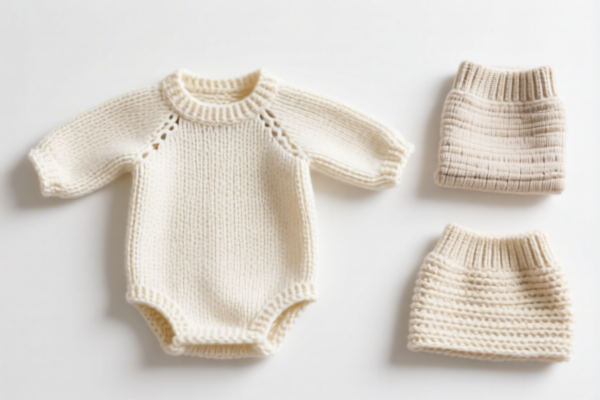
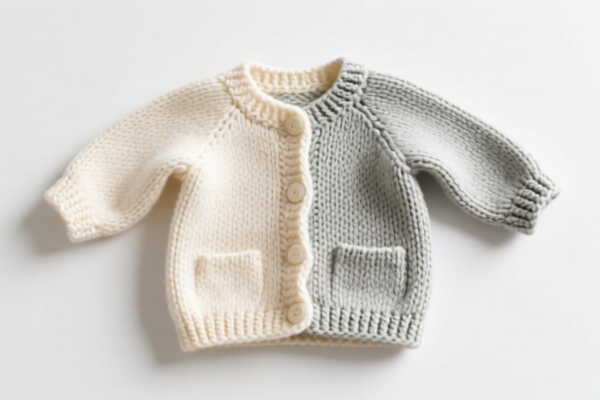
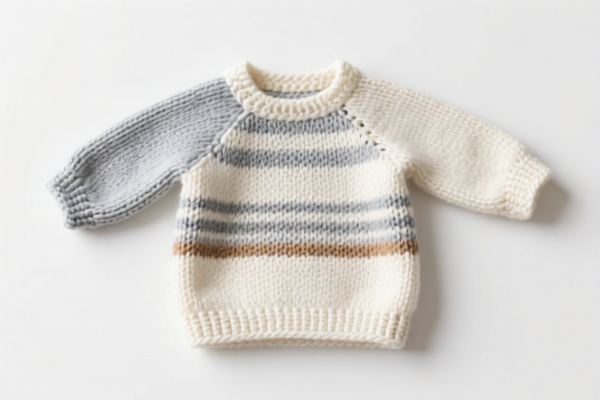
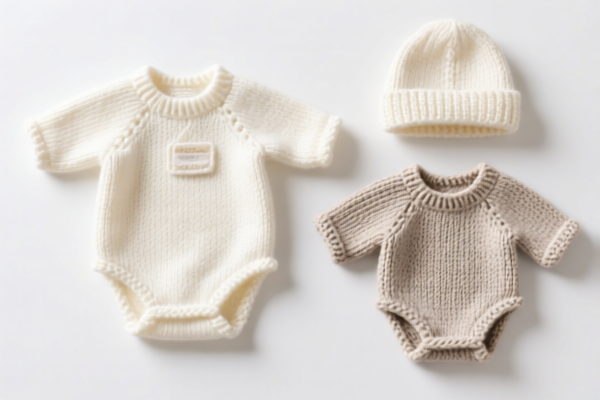
AI Analysis
🧸 Knitted or Crocheted Baby Clothing: HS Code Guide & Customs Clearance Strategy 2026
🌐 HS Code Reference & Customs Guide | 2026 Latest Tariff Analysis | Professional Clearance Strategy
📌 1. Product Definition & Classification: What Exactly is "Baby Clothing"?
Baby clothing, especially knitted or crocheted items, is a specific category under Chapter 61 (Articles of Apparel and Clothing Accessories, Knitted or Crocheted). It is strictly distinguished from general infant wear by age, size, and specific design features.
Key Categories Identified in Data: * T-Shirts & Tops (6109): Knitted tops for babies, often made of cotton or synthetic fibers. * Swimsuits (6112): Specific knitted swimwear for infants. * Trousers/Pants (6111/6109 variations): Crocheted or knitted pants, specifically designed for infants (size/shape matching).
⚠️ Critical Distinction:
- If the item is knitted/crocheted and specifically sized/structured for infants (usually under 2 years), it falls under Chapter 61.
- If it is merely "soft" or "cotton" but not clearly infant-specific in design/size, it may fall under general apparel categories, which carry different risks.
- Material matters: Cotton vs. Synthetic fibers significantly impact the base tariff rate.
📦 2. HS Code Classification Details (2026 Latest Tariff对照)
Based on the provided data, here are the specific HS Codes applicable to Knitted/Crocheted Baby Clothing imported from China to the US:
| HS Code | Product Description (Summary) | Material Inference | Total Tax Rate | Tax Breakdown |
|---|---|---|---|---|
| 6109.10.00.70 | Knitted/T-shirt for baby | Cotton | 34.0% | Base: 16.5%, Sec 301: 7.5%, Section 122: 10% |
| 6112.11.00.10 | Knitted Swimsuit for baby | Not specified (likely cotton/synthetic) | 32.4% | Base: 14.9%, Sec 301: 7.5%, Section 122: 10% |
| 6109.10.00.27 | Knitted/T-shirt for baby | Cotton or Polyester | 34.0% | Base: 16.5%, Sec 301: 7.5%, Section 122: 10% |
| 6109.90.80.30 | Crocheted Baby Pants | Non-wool textile (e.g., cotton/poly) | 33.5% | Base: 16.0%, Sec 301: 7.5%, Section 122: 10% |
| 6111.20.50.00 | Crocheted Baby Pants | Cotton | 32.4% | Base: 14.9%, Sec 301: 7.5%, Section 122: 10% |
| 6111.30.10.00 | Crocheted Baby Pants | Synthetic Fiber or Cotton | 45.7% | Base: 28.2%, Sec 301: 7.5%, Section 122: 10% |
🔍 Key Insight:
- Cotton items (6111.20) and Swimsuits (6112.11) have the lowest base rates (14.9%), resulting in a total of 32.4%.
- Synthetic-heavy items (6111.30) have a high base rate (28.2%), pushing the total to 45.7%.
- Section 122 Tariff (10%) applies to ALL categories listed, significantly increasing the cost regardless of material.
💰 3. 2026 Latest Tariff Rate Breakdown (Detailed Tax Clauses)
✅ Applicable Country: United States (US)
✅ Origin: China (CN)
✅ Effective Date: Current tariff structure includes Section 301 and Section 122.
🎯 1. Cotton-Based Knitted Baby Apparel (e.g., 6109.10.00.70, 6109.10.00.27)
| Item | Details |
|---|---|
| Base Tariff | 16.5% (ad valorem) |
| Section 301 Tariff | +7.5% (Additional duty on Chinese goods) |
| Section 122 Tariff | +10% (New additional duty on certain textiles/clothing) |
| Total Effective Rate | 34.0% |
| Calculation | CIF Value × 34.0% |
| De Minimis Exemption | ❌ Not Eligible (Section 122 and 301 usually deny de minimis for these codes) |
| Legal Reference | HTSUS 6109.10.00 + USTR Exclusions + Section 122 Provisions |
📌 Explanation:
- Even though cotton is a preferred material, the Section 122 tariff (10%) is a major cost driver.
- The base rate of 16.5% is moderate, but the addition of 17.5% in surcharges makes it expensive.
🎯 2. Knitted Swimsuits (6112.11.00.10)
| Item | Details |
|---|---|
| Base Tariff | 14.9% |
| Section 301 Tariff | +7.5% |
| Section 122 Tariff | +10% |
| Total Effective Rate | 32.4% |
| Calculation | CIF Value × 32.4% |
| De Minimis Exemption | ❌ Not Eligible |
| Legal Reference | HTSUS 6112.11.00 + USTR Exclusions + Section 122 |
📌 Note:
- This is the most cost-effective option among the listed codes due to the lower base rate (14.9%).
- Ensure the item is clearly defined as a swimsuit to qualify. General baby clothes may not fit this code.
🎯 3. Crocheted Baby Pants (Cotton vs. Synthetic)
| Item | Details |
|---|---|
| Cotton Pants (6111.20.50.00) | Total: 32.4% (Base 14.9% + 17.5%) |
| Synthetic/Cotton Mix (6111.30.10.00) | Total: 45.7% (Base 28.2% + 17.5%) |
| Non-Wool Pants (6109.90.80.30) | Total: 33.5% (Base 16.0% + 17.5%) |
📌 Critical Warning:
- Synthetic fibers (Polyester, Nylon, etc.) in baby pants (6111.30) incur a much higher base tariff (28.2%).
- Total tax hits 45.7%, which is nearly 50% of the value.
- Recommendation: If possible, specify 100% Cotton (6111.20.50.00) to save 13.3% in total tax compared to synthetic blends.
🛠️ 4. Customs Clearance Practical Advice (Avoid Pitfalls)
✅ 1. Required Documentation Checklist
| Document | Mandatory? | Purpose |
|---|---|---|
| ✅ Commercial Invoice | Yes | Must clearly state "Baby Clothing," material composition (e.g., "100% Cotton"), and HS Code. |
| ✅ Packing List | Yes | Detail quantities, weights, and dimensions. |
| ✅ Product Images | Yes | Show labels, size tags, and construction (knitted/crocheted). |
| ✅ Material Declaration | Yes | Explicitly state fiber content (Cotton vs. Synthetic) to justify HS Code. |
| ✅ Test Reports (CPSC) | Yes | USA Only: Children's Product Certificate (CPC) is mandatory for safety compliance. |
| ✅ Origin Certificate | Optional | If claiming exemption (rare for China-origin baby clothes under current rules). |
✅ 2. Declaration Strategy (Key Tips)
🔥 Golden Rule:
"Material Matters, Age Matters, Section 122 Applies!"
| Scenario | Correct Declaration | Risk if Wrong |
|---|---|---|
| Cotton Baby Shirt | 6109.10.00.70 (34.0%) |
Misdeclaring as adult shirt may lead to different codes but still high tax due to Section 122. |
| Crocheted Cotton Pants | 6111.20.50.00 (32.4%) |
Declaring as synthetic (6111.30) increases tax to 45.7%. |
| Synthetic Baby Pants | 6111.30.10.00 (45.7%) |
No lower option; ensure accurate material description. |
| Baby Swimsuit | 6112.11.00.10 (32.4%) |
Must be clearly a swimsuit, not general clothing. |
📌 Important:
- Section 122 Tariff (10%) applies to most knitted/crocheted apparel from China. Do not assume de minimis (de minimis exemption under $800) applies. Current regulations often exclude these specific textile codes from de minimis. Always verify with a customs broker.
✅ 3. Special Cases
| Situation | Advice |
|---|---|
| Mixed Material | If cotton + synthetic, check if cotton is <50%. If so, synthetic rules may apply (higher tax). |
| "Baby" vs. "Infant" | Ensure size and design clearly target infants (<2 years). General "small children" clothing may fall under different subheadings. |
| OEM/Custom Design | Provide design specs to prove it is not a generic adult item. |
🌍 5. Global Market Comparison (2026)
| Country/Region | Recommended HS Code | Est. Tax Rate (China Origin) | Key Requirements |
|---|---|---|---|
| 🇺🇸 USA | 6111.20.50.00 (Cotton Pants) |
32.4% | CPSC/CPC, Section 301 + 122 |
| 🇨🇳 China | 6111.20.50.00 |
~8-10% (Import) | CCC (if applicable) |
| 🇪🇺 EU | 6109.10 (T-shirts) |
~12% | CE Marking, REACH Compliance |
| 🇬🇧 UK | 6109.10 |
~12% | UKCA Marking |
📌 Conclusion for US Imports:
- The US market is the most expensive for baby clothing due to Section 301 (7.5%) and Section 122 (10%).
- Total tax ranges from 32.4% to 45.7%.
- Strategy: Opt for Cotton-based items (6111.20, 6109.10) to minimize base rates. Avoid synthetic-heavy pants if possible.
📌 6. Common Mistakes & Pitfalls
❌ Mistake 1: Assuming De Minimis ($800) applies.
👉 Result: Shipment held at customs, penalties, and forced payment of full tax + storage fees.
✅ Fix: Assume NO de minimis for Section 122/301 affected HS codes. File entry immediately.
❌ Mistake 2: Misdeclaring Material (e.g., calling polyester "cotton").
👉 Result: Audit, fines, and potential fraud charges.
✅ Fix: Use lab test results to confirm fiber content.
❌ Mistake 3: Ignoring CPSC/CPC requirements.
👉 Result: Cargo seized or destroyed for safety non-compliance.
✅ Fix: Obtain Children’s Product Certificate (CPC) before shipping.
🎯 7. Conclusion: Save Money, Clear Faster!
🎯 Key Takeaway:
🔹 Cotton is King: Choose
6111.20.50.00(Cotton Pants) or6112.11.00.10(Swimsuits) for the lowest tax (32.4%).
🔹 Synthetic is Costly:6111.30.10.00(Synthetic Pants) costs 45.7%.
🔹 Section 122 is Everywhere: The extra 10% tariff is unavoidable for most knitted baby clothes from China.
🔹 No De Minimis: Plan for full customs entry and payment.
📣 Action Plan:
1. Confirm Material: Get lab tests for fiber content.
2. Select HS Code: Use 6111.20.50.00 for cotton pants if possible.
3. Prepare CPC: Ensure CPSC compliance.
4. Budget for Tax: Add 32-45% to your landed cost calculation.
✨ Professional Customs Clearance Starts with Accurate Classification!
💼 Every percentage point saved is pure profit!
Customer Reviews
About HS Code Classification
The Harmonized System (HS) is an internationally standardized nomenclature developed by the World Customs Organization (WCO) to classify traded products. Over 200 countries use the HS system as the basis for customs tariffs, trade statistics, and import/export regulations.
Each HS code follows a hierarchical structure:
- Chapter (2 digits) — Broad category of goods (e.g., Chapter 84: Machinery and Mechanical Appliances)
- Heading (4 digits) — More specific grouping within the chapter
- Subheading (6 digits) — Internationally standardized breakdown, used by all WCO member countries
- National subdivisions (8-10 digits) — Country-specific extensions for further classification, such as US HTSUS 10-digit codes
Correct HS code classification is essential for smooth customs clearance, accurate duty payment, and compliance with trade regulations. Misclassification can lead to customs delays, overpayment of duties, or penalties.
When importing from CN to US, the applicable tariff rates may include:
- Most-Favored-Nation (MFN) rate — The standard duty rate applied to WTO members
- General rate — Applied to countries without trade agreements
- Trade remedy duties — Additional tariffs such as Section 301 (anti-dumping), Section 232 (national security), or countervailing duties
The information provided on this page is for reference purposes only. For official classification, please consult with your local customs authority or a licensed customs broker.